Rolls-Royce Pearl 15 Engine Completes Full Simulated Flight Cycle on 100% Hydrogen at NASA Stennis Space Center
Why It MattersThe test advances hydrogen combustion research for future narrowbody propulsion while leaving liquid-hydrogen storage, infrastructure and contrail questions unresolved for business and commercial aviation alike.
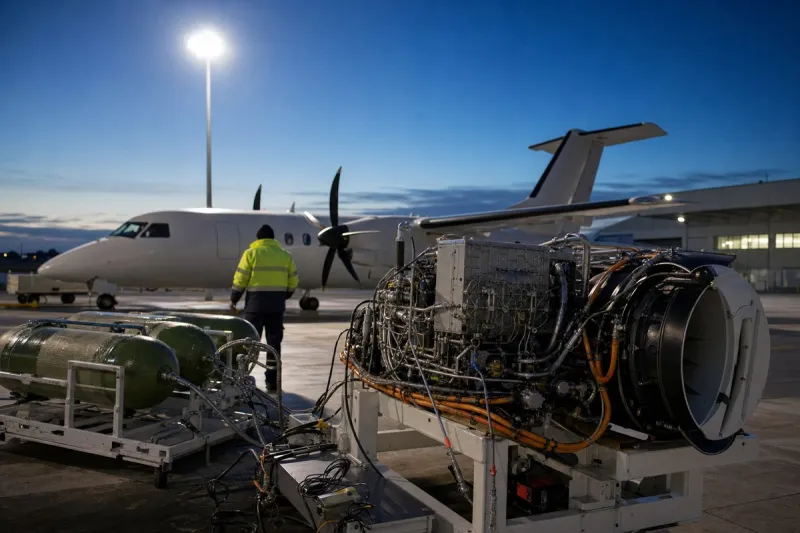
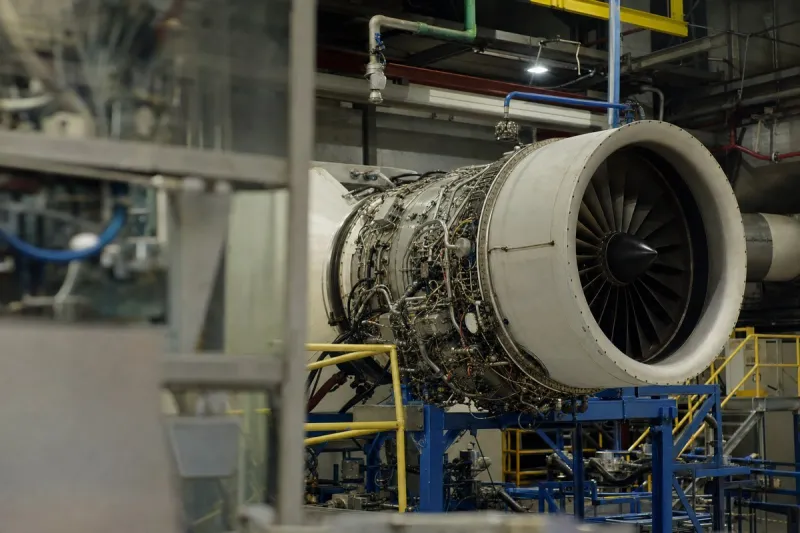
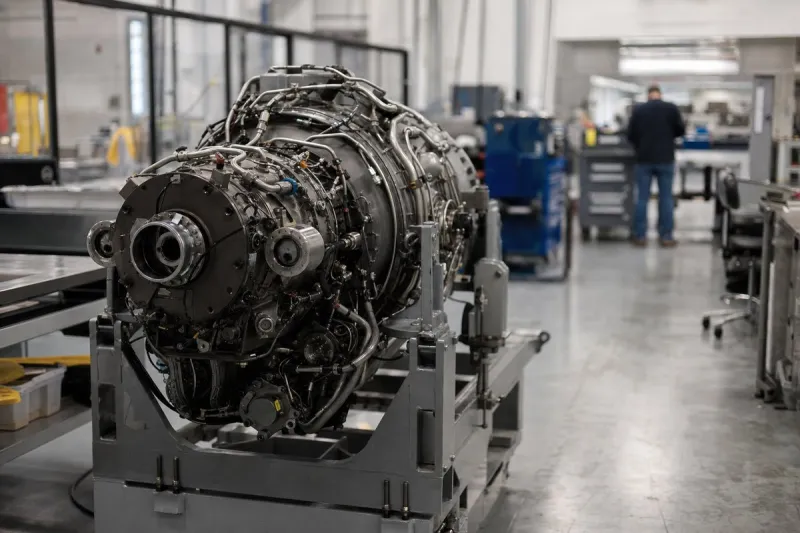
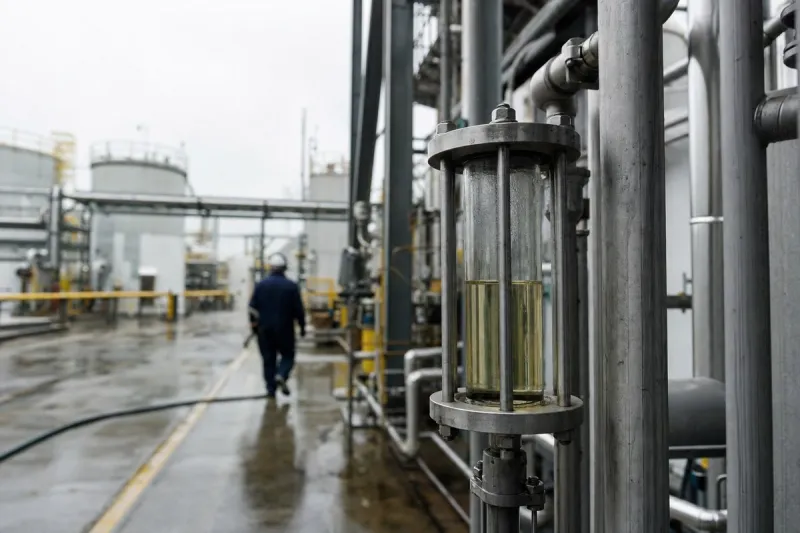
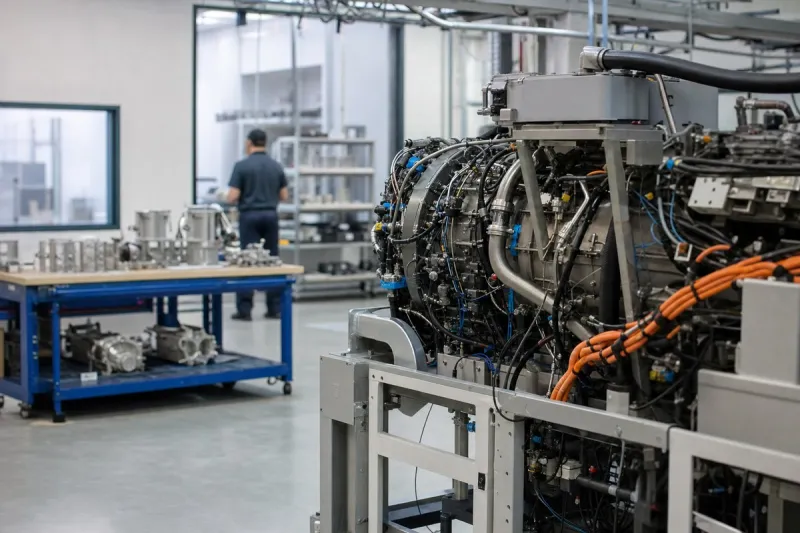
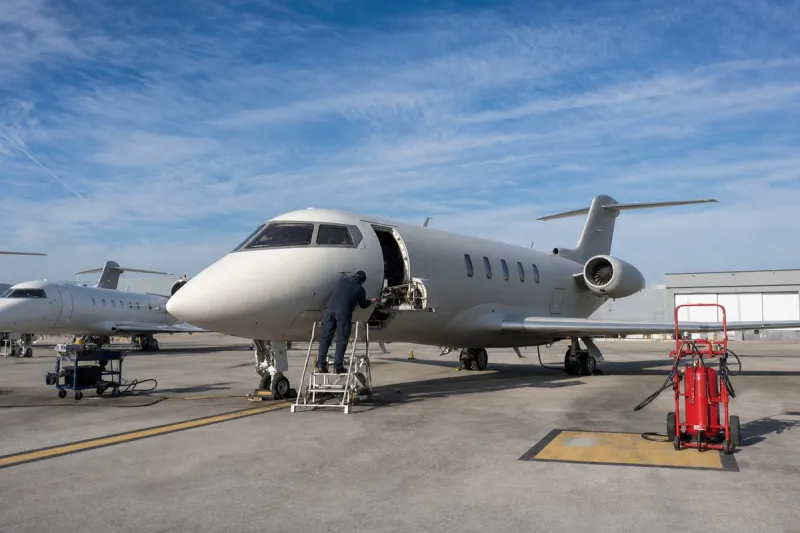
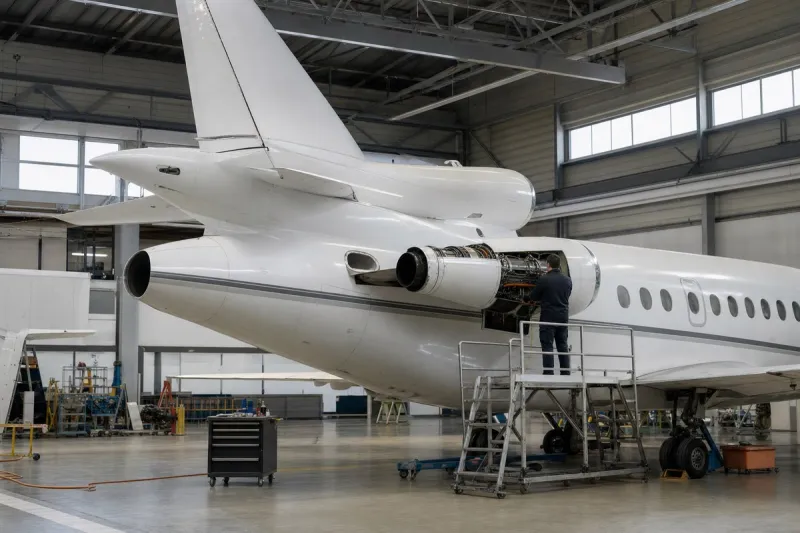
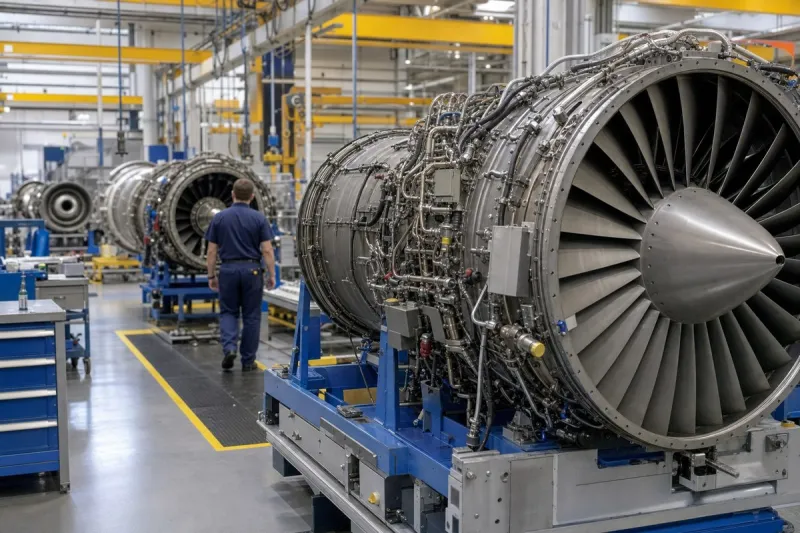
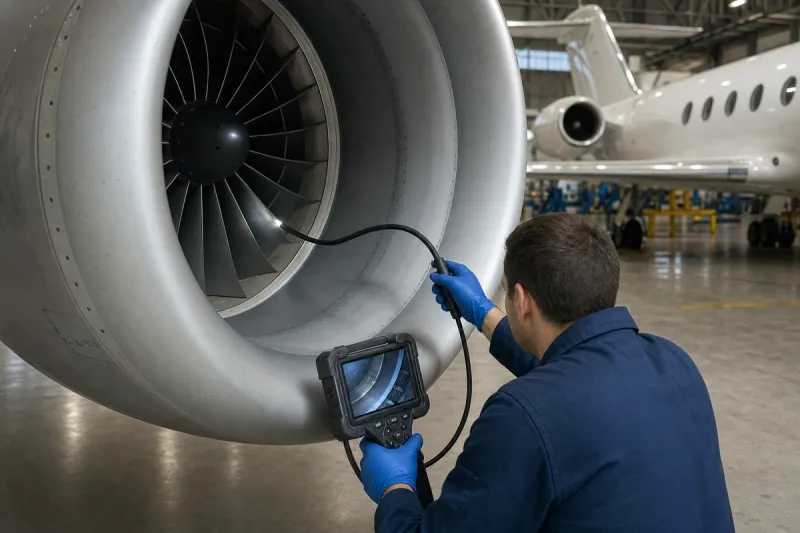
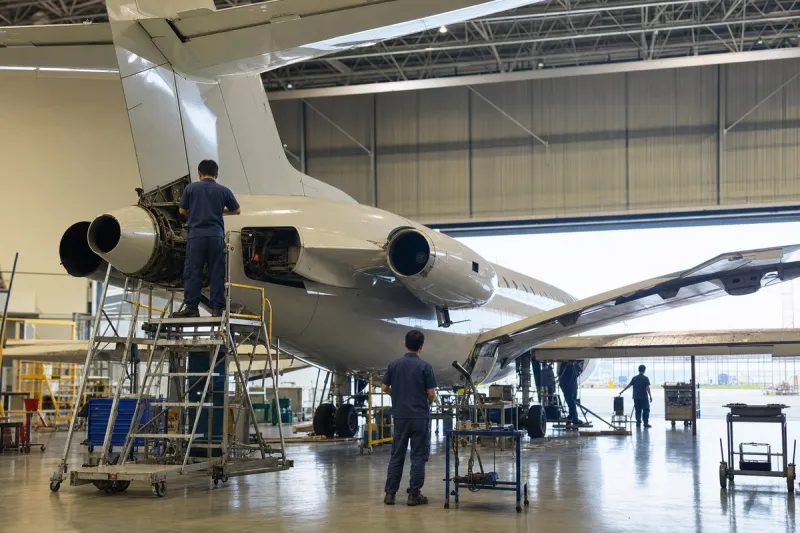
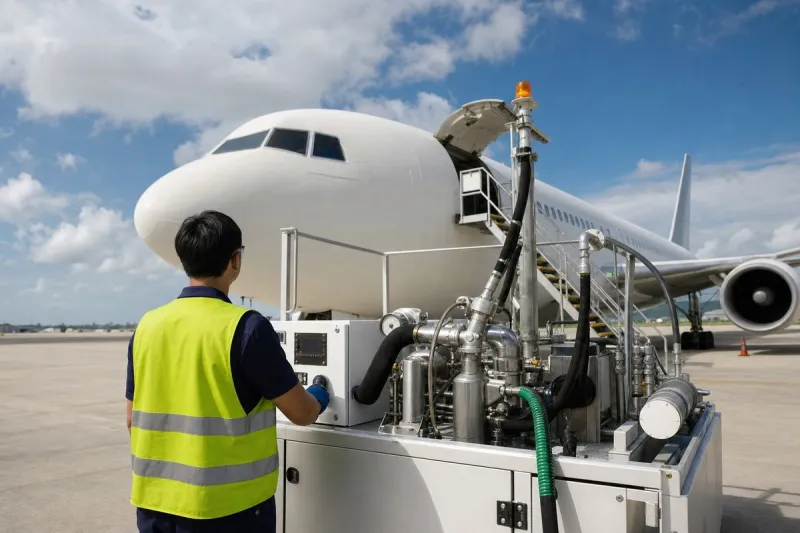
A modified Rolls-Royce Pearl 15 turbofan engine has run on 100 percent gaseous hydrogen through a complete simulated flight cycle at NASA's Stennis Space Center in Mississippi. The test, disclosed on 29 April 2026 by Rolls-Royce and airline partner easyJet, saw the Pearl 15 — an engine in the roughly 15,000 lb thrust class that normally powers the Bombardier Global 6500 business jet — progress through start-up, take-off power, cruise, descent and landing power settings on a ground test stand. Tata Consultancy Services, which joined the programme in 2024, announced its own role on 14 August 2026.
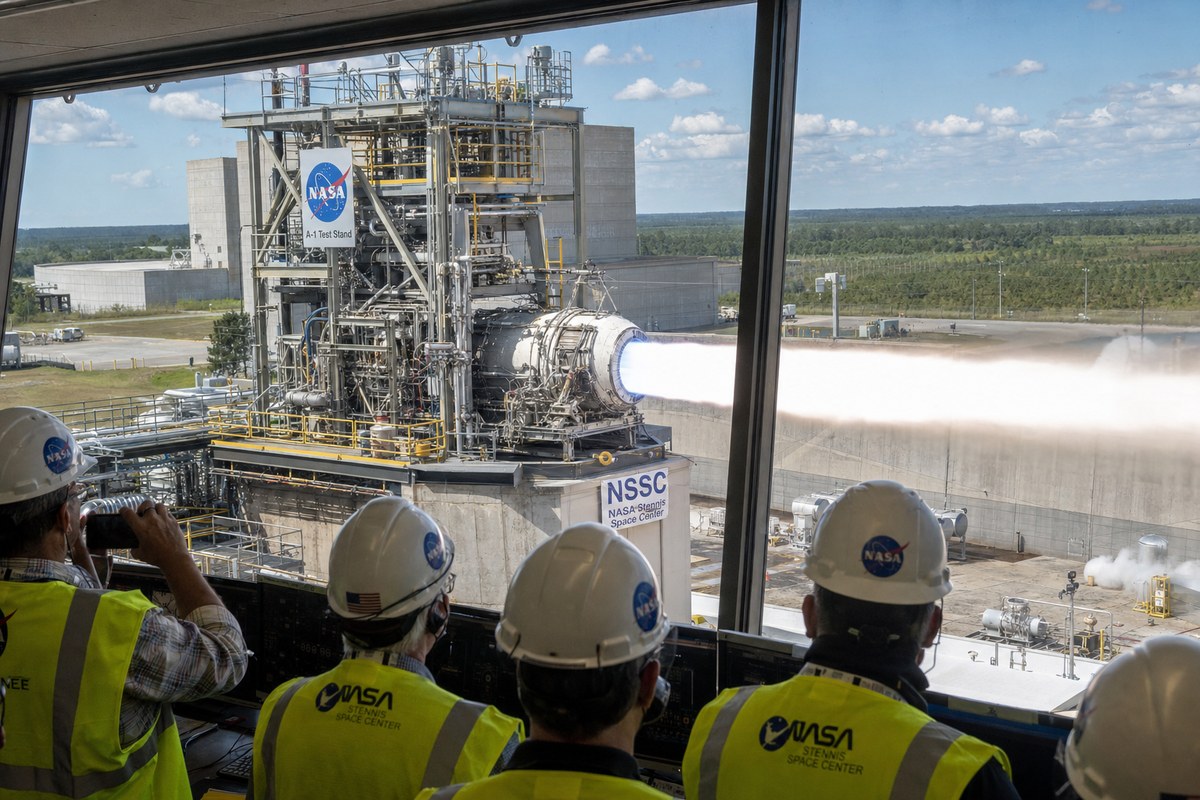
Rolls-Royce Chief Engineer for the Hydrogen Demonstrator Programme, Adam Newman, said the testing had yielded "valuable insights into how 100% hydrogen behaves in a modern aero gas turbine across a full flight cycle while validating critical combustion, fuel and control system technologies." The demonstration did not involve any flight: the engine ran on a ground rig, and the hydrogen was supplied as a gas rather than in the deep-cryogenic liquid form an operational aircraft would require. Rolls-Royce has been testing cryogenic pumps at its Solihull facility, but no engine has yet completed a full cycle on liquid hydrogen from a flight-representative tank.
The Rolls-Royce and easyJet hydrogen programme began in 2022, when a Rolls-Royce AE 2100 turboprop was run on green hydrogen at Boscombe Down, followed by a Pearl 700 combustor rig test at DLR in Cologne in 2023. Burning hydrogen produces no carbon dioxide but still generates nitrogen oxides in combustion, and produces roughly two and a half times as much water vapour as kerosene, raising unresolved questions about contrail formation and climate impact at altitude. Rolls-Royce and easyJet describe the technology as having the potential to eliminate in-flight carbon emissions rather than achieving zero emissions.
Liquid hydrogen contains roughly one-third the energy per litre of conventional jet fuel and must be stored at approximately minus 253 degrees Celsius, requiring large, heavily insulated tanks that would fundamentally alter aircraft fuselage design, alongside unresolved infrastructure and green hydrogen supply questions. Rolls-Royce and easyJet have stated an ambition to develop hydrogen combustion engines capable of powering narrowbody aircraft from the mid-2030s, with no entry-into-service date announced; Rolls-Royce is also feeding learnings from the programme into its UltraFan engine, designed to run on conventional kerosene and sustainable aviation fuel.