Coconut Oil Falls Far Short as Jet Fuel Alternative: Analysis
Why It MattersThe findings reinforce that niche feedstocks cannot scale to meaningful decarbonisation, directing industry attention toward synthetic fuels, efficiency gains, and demand reduction instead.
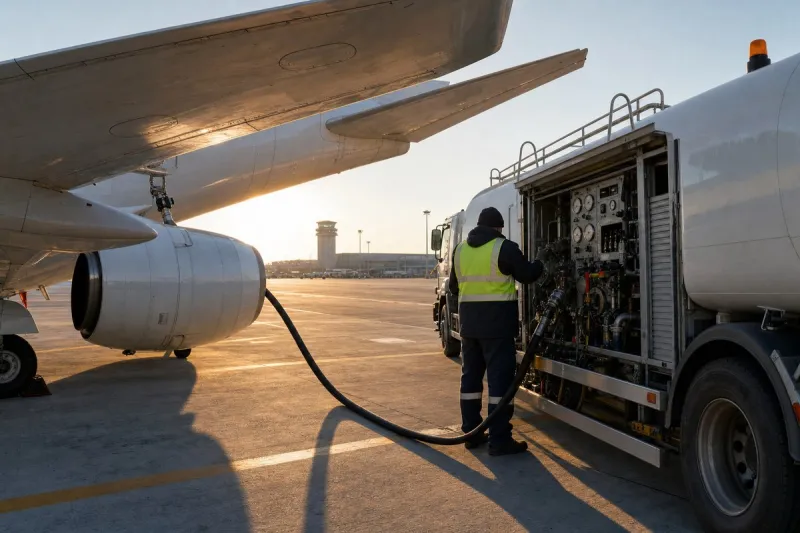
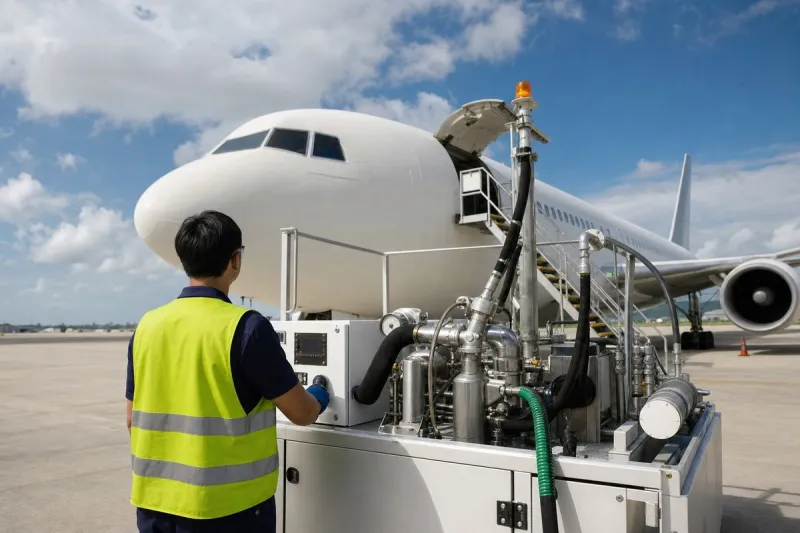
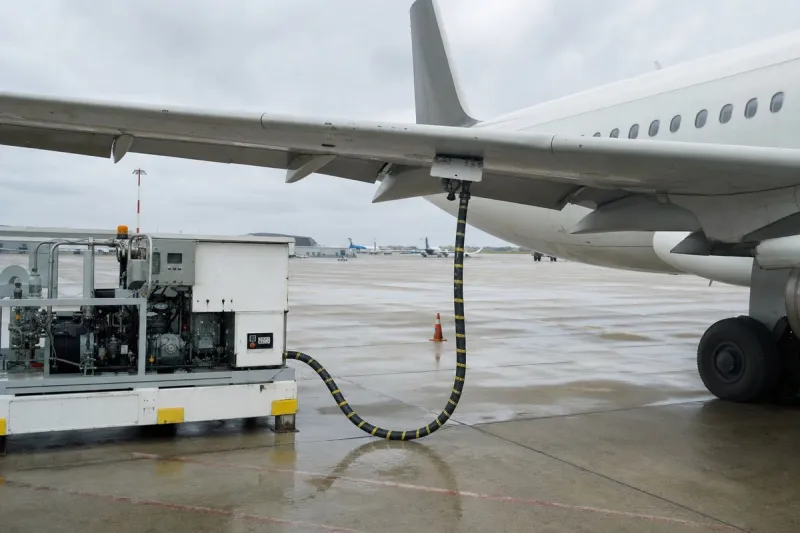
A scale analysis of coconut oil as a jet fuel substitute finds a fundamental mismatch between supply and demand that makes it impractical for global aviation. Airlines consume roughly 100 to 120 billion gallons of Jet-A annually, and replacing just five percent of that would require 5 to 6 billion gallons of substitute fuel. Because coconut oil carries less energy density than Jet-A — about 37 megajoules per kilogram versus 43 — and is slightly heavier, more of it is needed to match thrust, pushing that five-percent share to 18 to 21 million tonnes of coconut oil.

Global coconut oil production totals only about 3 to 3.5 million tonnes a year, meaning supplying just five percent of aviation's fuel needs would require five to seven times the world's entire current output, diverting it completely from food, cooking, and industrial uses.
The analysis concludes that island nations might still pursue small-scale, locally sourced coconut-based aviation fuel demonstrations to build technical capacity, but scaling the approach to any meaningful global impact is not feasible. Instead, synthetic fuels made from captured carbon and green hydrogen, improved aircraft efficiency, and reduced flight demand are pointed to as the categories of solution capable of operating at the scale aviation's climate challenge requires.