FAA Launches BEYOND Phase 2 to Expand Drone Integration, Adding Up to Eight New Participants
Why It MattersSustained BVLOS flight data from expanding pilot programs is becoming the practical basis for future drone airspace rules, shaping how far integration can move before formal regulation catches up.
What happened
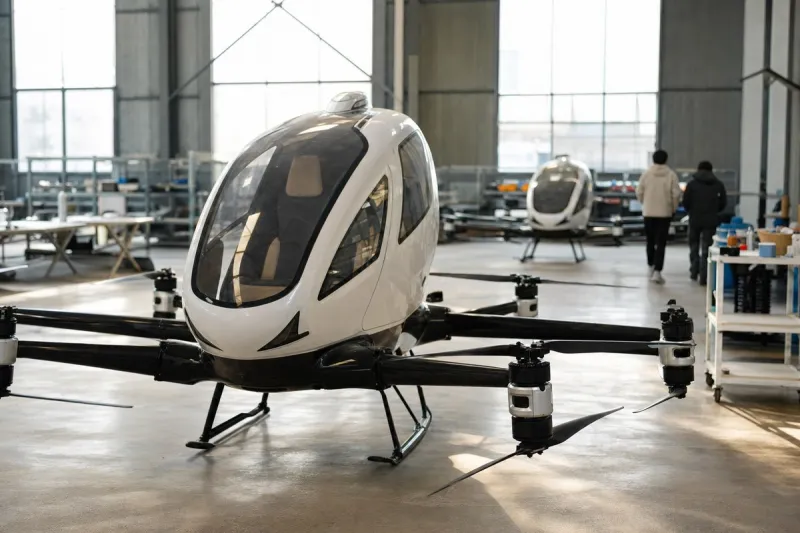
U.S. Transportation Secretary Sean P. Duffy announced that the Federal Aviation Administration is launching Phase 2 of its BEYOND program, aimed at further integrating drones into the national airspace system. The FAA will select up to eight additional state, local, tribal, and territorial entities as lead participants, doubling the program's current size.
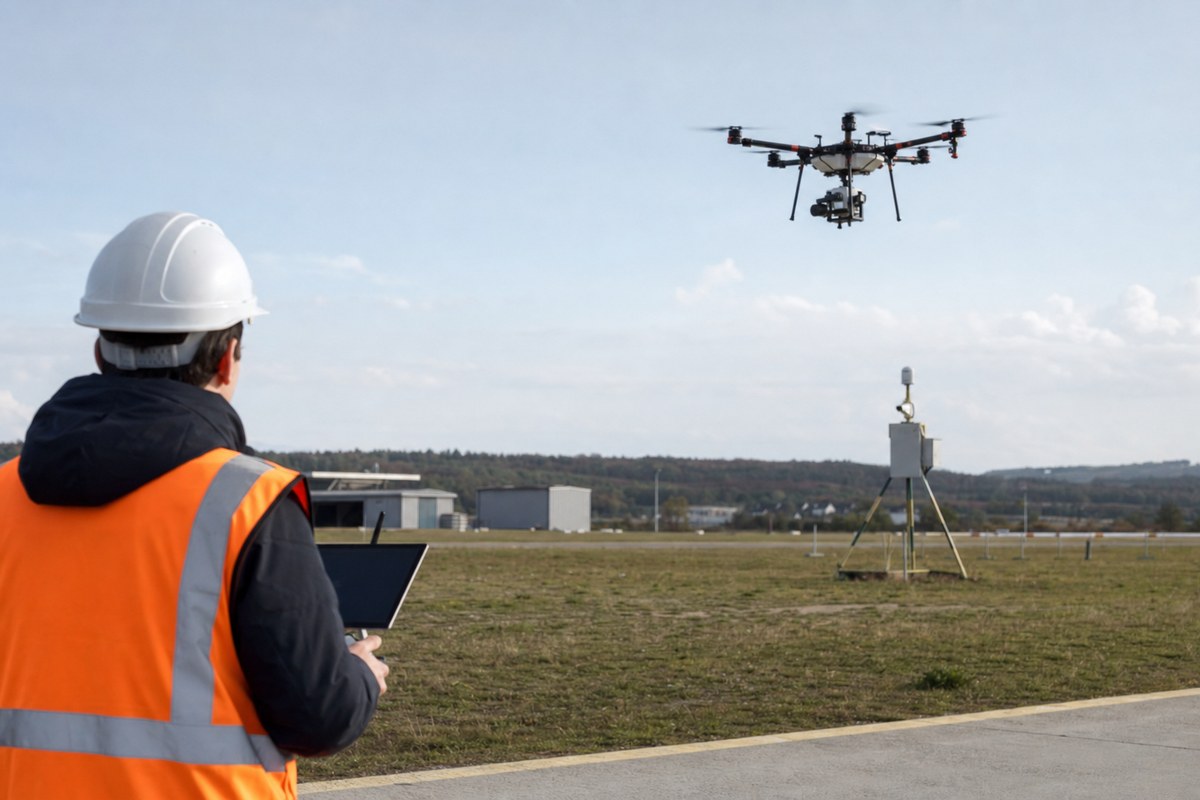
Secretary Duffy said, "America leads the world in aviation, and this expansion will help keep it that way. This Department is cutting through barriers, advancing innovation and making sure the next generation of aviation technology is developed, tested and built right here in the United States." FAA Administrator Bryan Bedford said Phase 2 will expand the partnerships needed to address remaining challenges in beyond visual line of sight operations, public safety missions, on-airport operations, and other complex airspace environments.
The expansion builds on two prior programs: the Unmanned Aircraft Systems Integration Pilot Program, launched in 2017, and BEYOND Phase 1, which began in October 2020. During Phase 1, participants logged more than 70,000 flights, including more than 48,000 beyond visual line of sight operations, generating real-world safety data that has informed the FAA's upcoming BVLOS rule. BEYOND Phase 2 is authorized under Section 920 of the FAA Reauthorization Act of 2024, and application screening information is now available on the FAA's website.
Industry impact & what to watch
This expansion continues a pattern in U.S. drone policy where operational pilot programs generate the flight data that regulators later use to write formal rules, rather than rules preceding operations. Phase 1's more than 70,000 flights, including over 48,000 beyond visual line of sight operations, already fed directly into the FAA's pending BVLOS rulemaking, and Phase 2 is explicitly framed as closing remaining gaps in that same rule's foundation.
How this segment works is that state, local, tribal, and territorial entities serve as the lead participants, giving the FAA a distributed set of real-world testbeds across different airspace environments, including on-airport operations and public safety missions, without the FAA having to run every trial itself. Doubling the number of lead participants widens the geographic and operational variety of that data, which matters because BVLOS rulemaking depends on demonstrating safety across many different conditions rather than one.
What happens next depends on which entities are selected among the up to eight new participants and what specific BVLOS, public safety, or on-airport scenarios each is assigned to test. The pace and content of the FAA's upcoming BVLOS rule will be the clearest signal of how much this expanded dataset actually shapes the final regulatory framework.