Boeing Posts $89.5B Revenue and Returns to Profit While Joby Aviation Burns Cash on Path to eVTOL Market
Why It MattersThe gap shows eVTOL entrants can post triple-digit revenue growth while still burning hundreds of millions, so investment risk in urban air mobility rests on cash runway, not sales momentum alone.
What happened
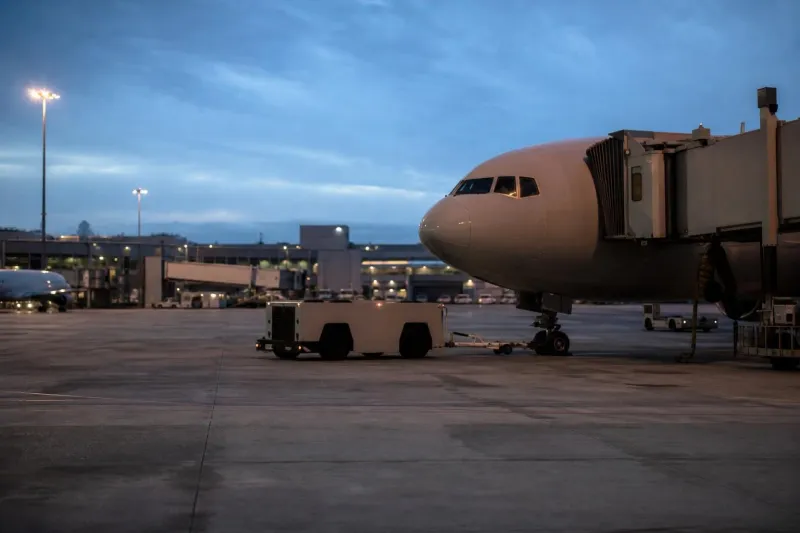
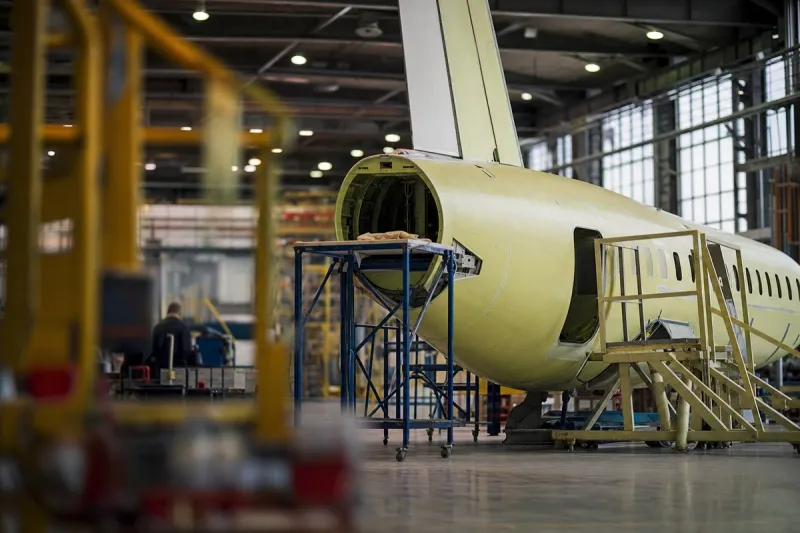
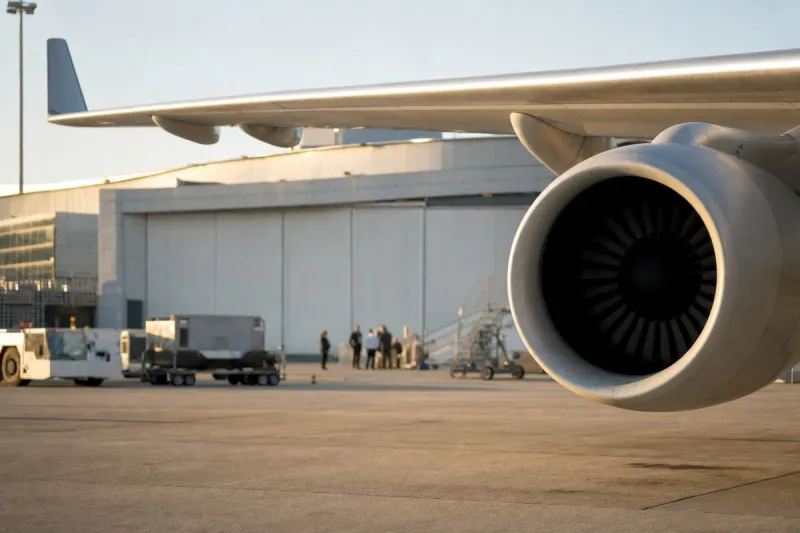
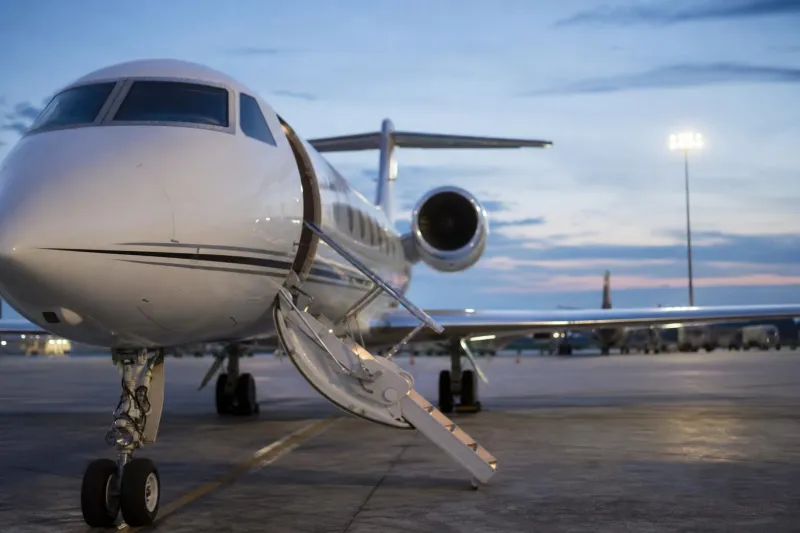
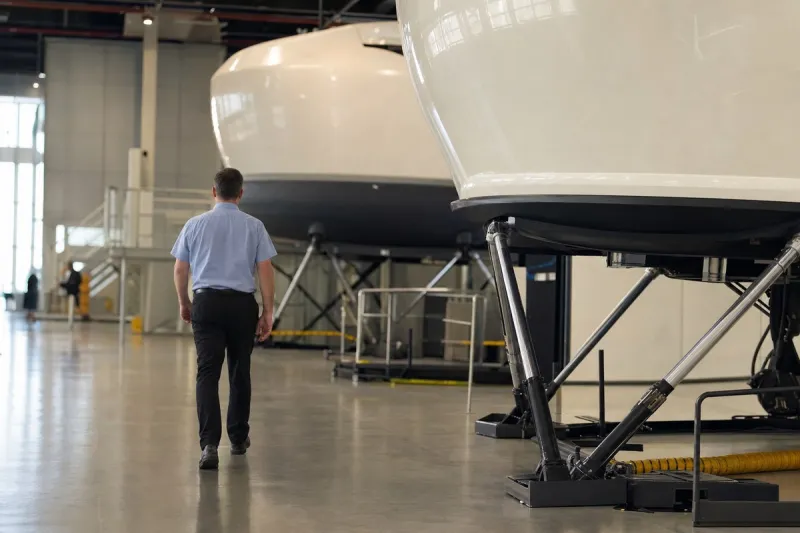
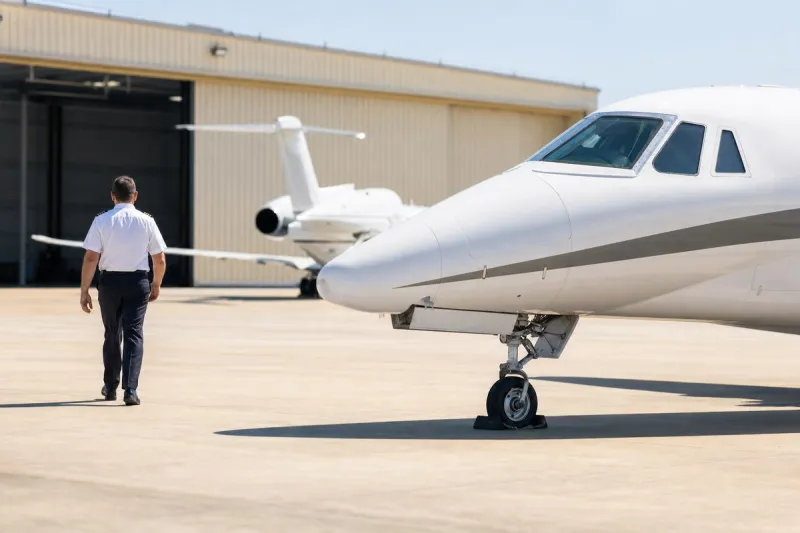
Boeing reported fiscal year 2025 revenue of approximately $89.5 billion, a 34.5% increase from the prior year, with net income of roughly $2.2 billion and a net margin of about 2.5%, marking a recovery from a negative margin the previous year. Free cash flow remained negative at approximately $1.9 billion, and the company carries a debt-to-equity ratio of nearly 10x. Boeing develops commercial aircraft and defense systems for customers in more than 150 countries, with major buyers including commercial airlines, NASA, and the U.S. Department of Defense.
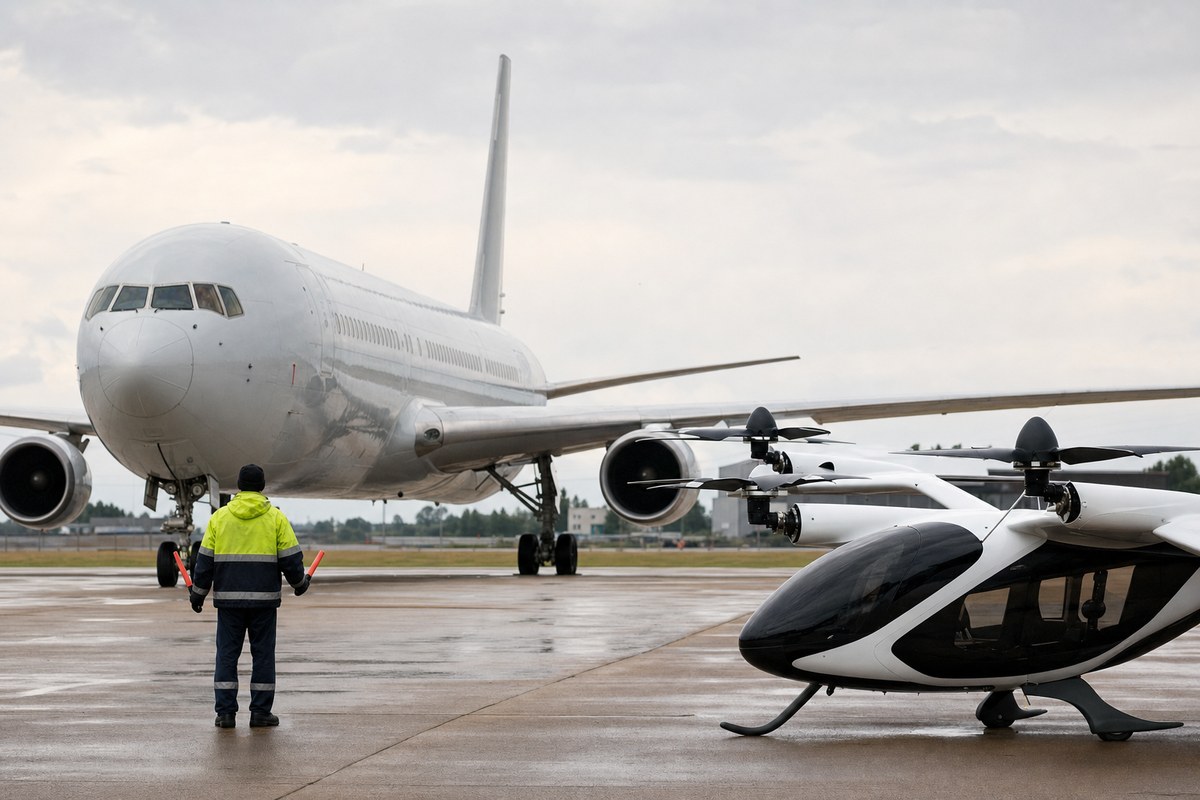
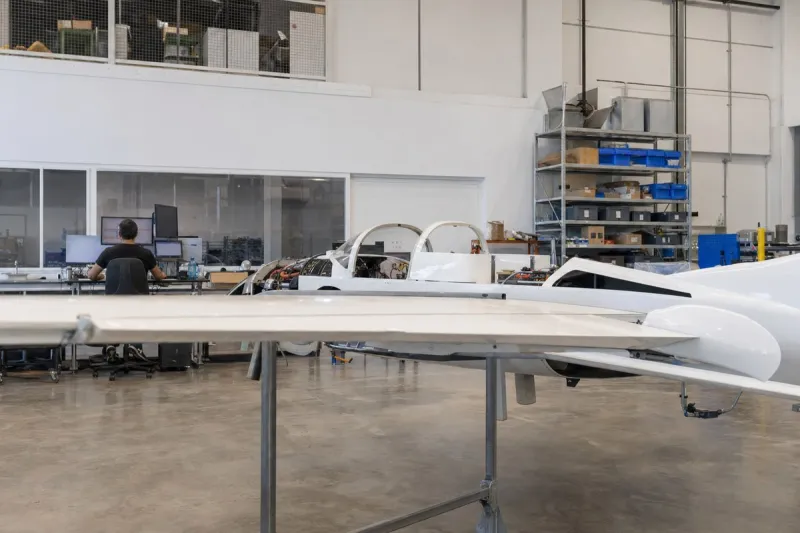
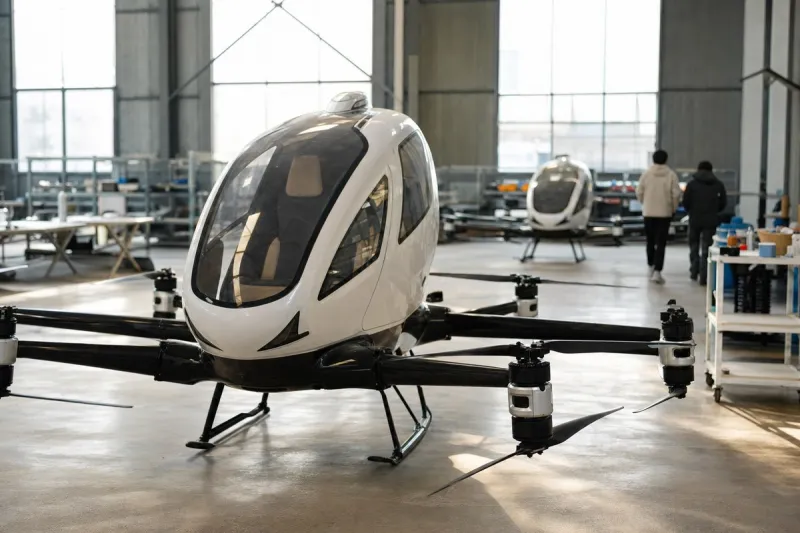
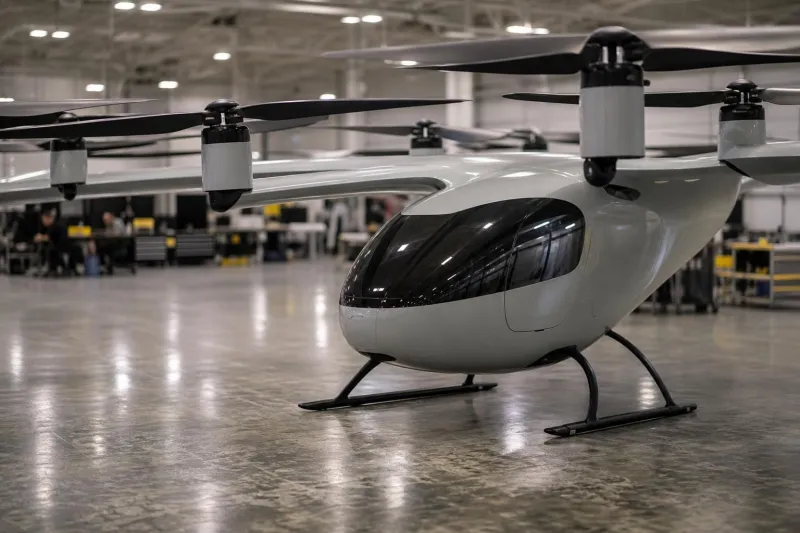
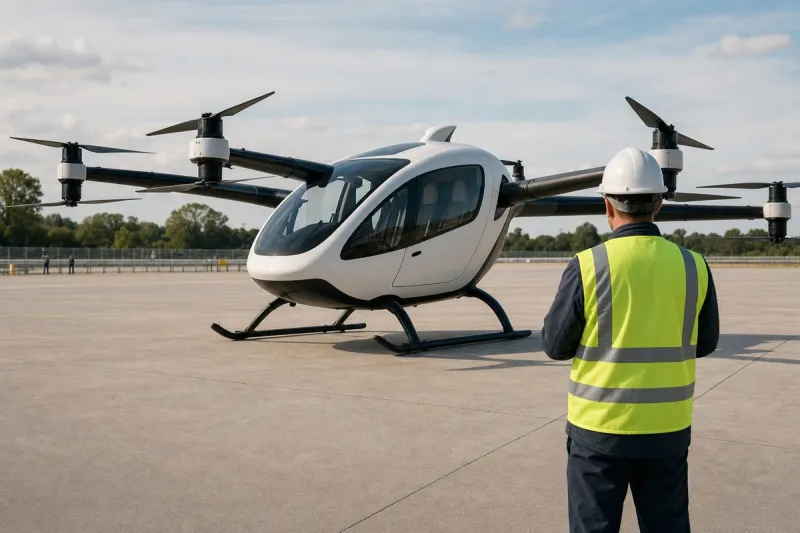
Joby Aviation recorded revenue of nearly $53.4 million in fiscal year 2025, up from roughly $136,000 in 2024, driven by commercialization efforts and the integration of aviation service segments following its acquisition of Blade Urban Air Mobility. The company posted a net loss of approximately $930 million and negative free cash flow of nearly $563.8 million, while carrying a debt-to-equity ratio of 0.0x. Joby is developing an all-electric vertical-takeoff-and-landing aircraft for an aerial ridesharing service and has conducted test flights of its Blade aircraft in New York City, including routes from JFK Airport into Manhattan.
Archer Aviation is also pursuing the urban air mobility market. The U.S. federal government established a framework for real-world eVTOL testing in 2025, and Japan, South Korea, and Saudi Arabia are developing similar regulatory frameworks.
Industry impact & what to watch
Boeing's return to positive net income alongside continued negative free cash flow and high leverage shows that a legacy manufacturer can post an accounting recovery while its underlying cash position stays strained. Joby's revenue jump from roughly $136,000 to nearly $53.4 million, paired with a net loss of about $930 million, illustrates how early commercialization revenue in eVTOL can scale sharply without approaching profitability.
The eVTOL segment's economics depend on regulatory frameworks maturing in parallel with commercial activity: the U.S. testing framework established in 2025 and the frameworks under development in Japan, South Korea, and Saudi Arabia will determine how quickly operators like Joby can convert test flights, such as those flown from JFK Airport into Manhattan, into scheduled revenue services.
What happens next depends on whether Joby's cash burn narrows as its Blade-integrated operations scale, and on how competitors such as Archer Aviation report their own progress toward commercial service under the same emerging regulatory frameworks.