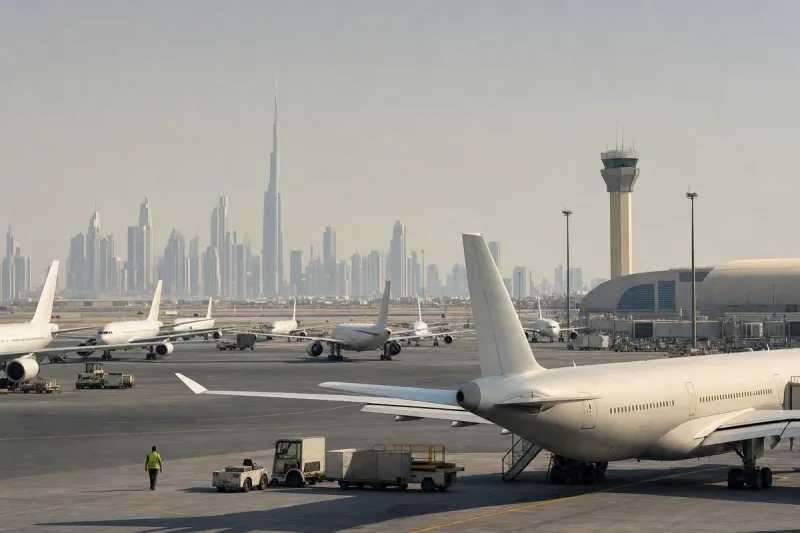
Scottsdale Airpark Compared to 'Oceanfront' Property as Aviation and Corporate Investment Surge
Why It MattersWhere a fixed-boundary business-aviation airport cannot expand, surrounding corporate and residential demand converts scarce airport-adjacent land into a competitive asset rather than ordinary commercial real estate.
What happened
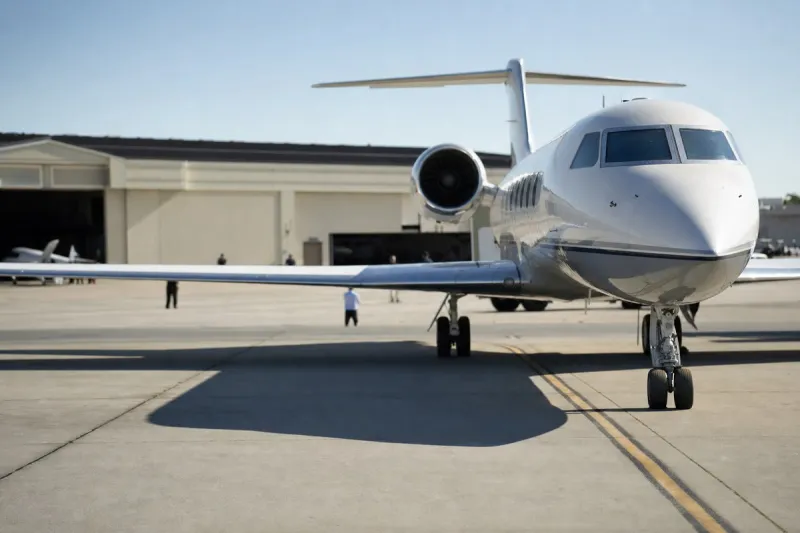
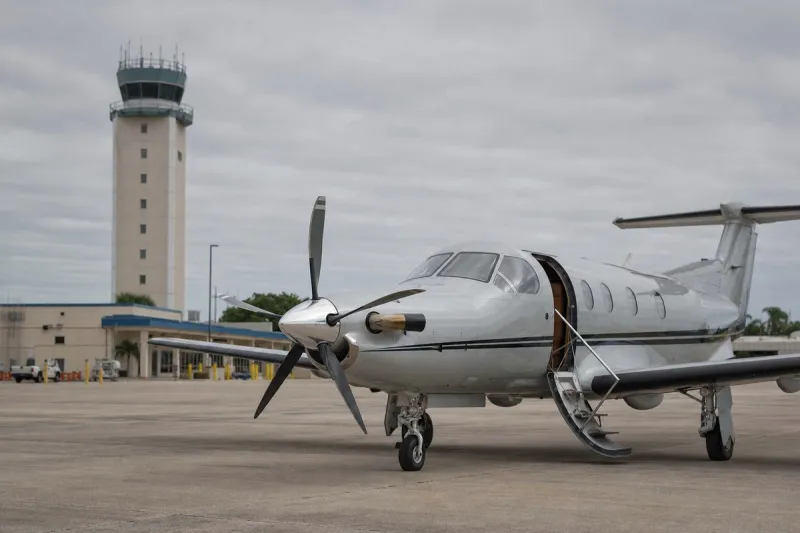
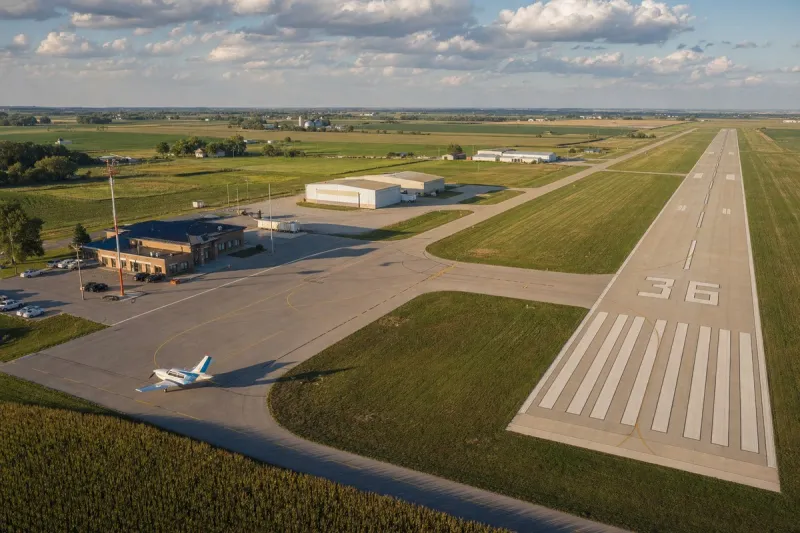
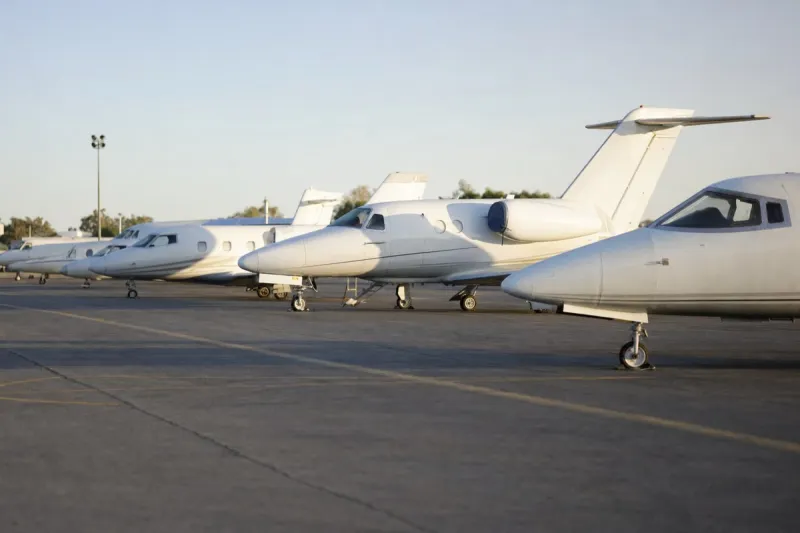
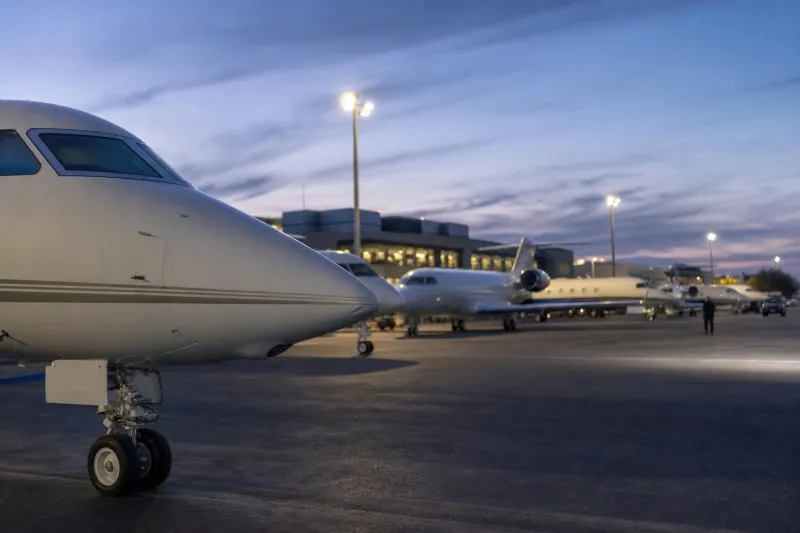
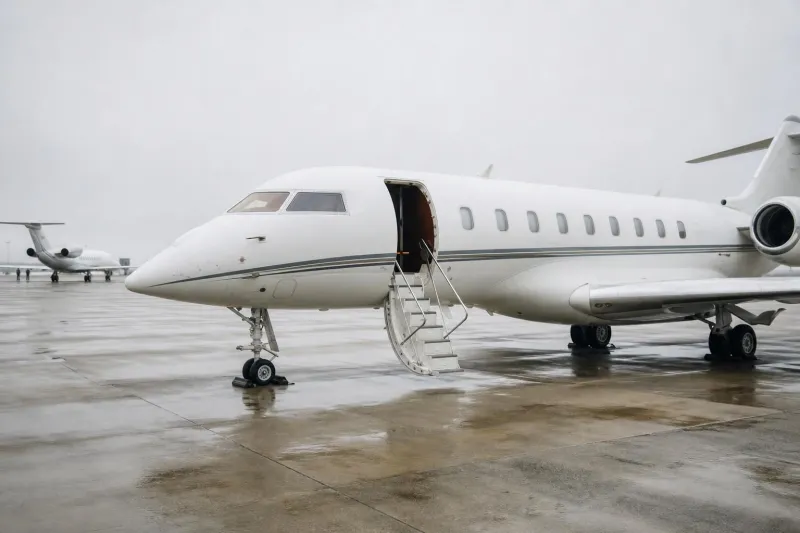
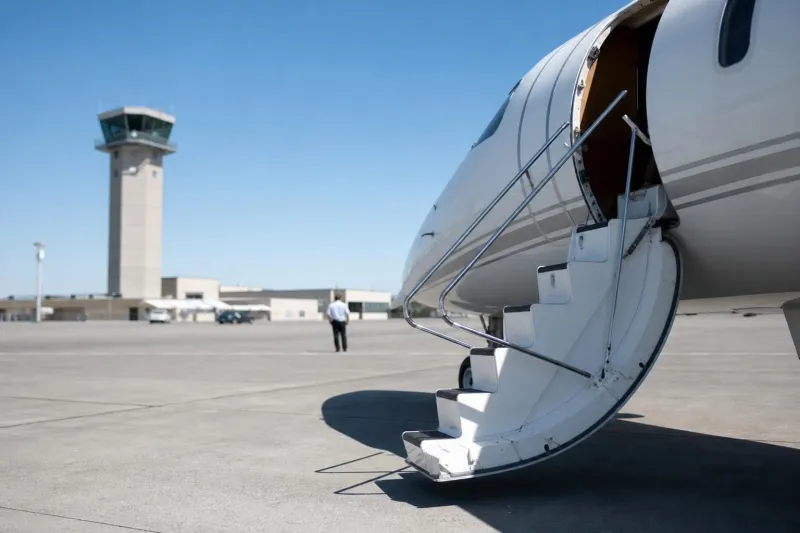
Scottsdale Airpark, the employment and commercial district surrounding Scottsdale Airport in Greater Phoenix, is increasingly being compared to oceanfront real estate as private aviation investment, corporate clustering, and mixed-use development accelerate around the airport site. Scottsdale Airport recorded 164,624 flight operations in 2025, and the Airpark district is home to more than 59,000 employees, over 3,200 businesses, and more than 85 major companies.
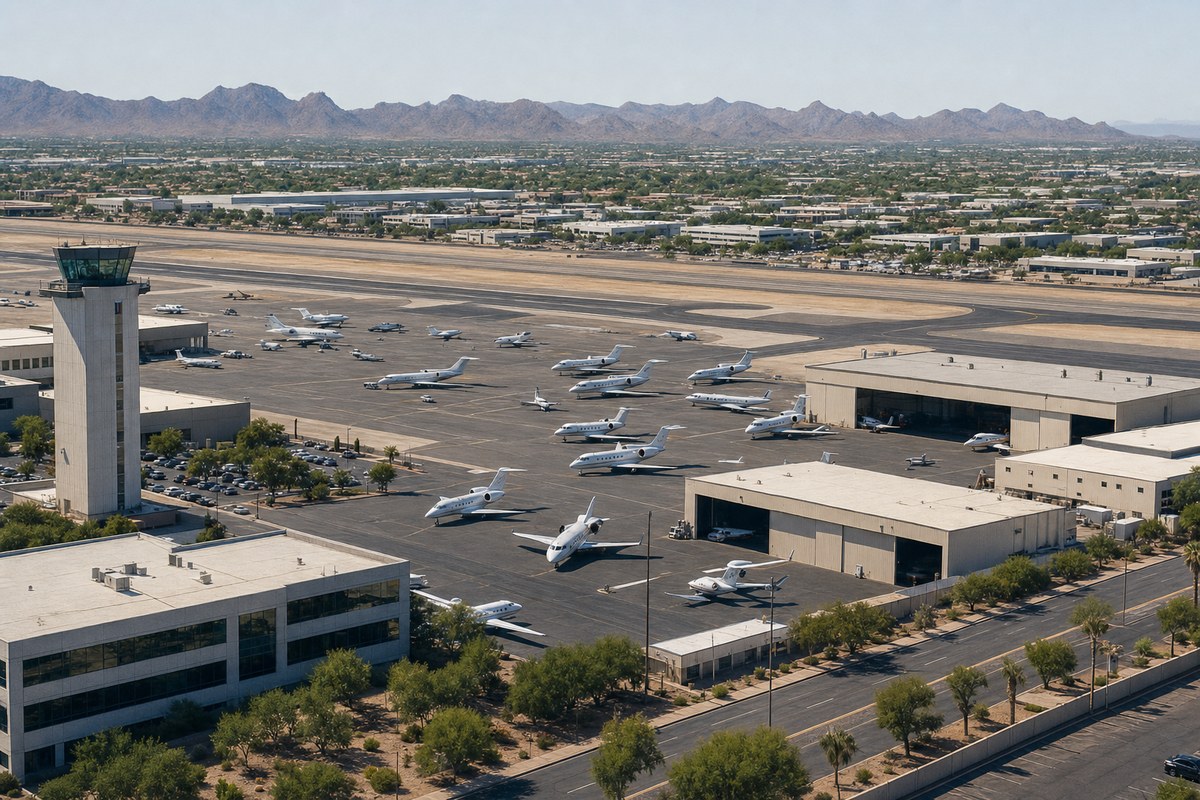
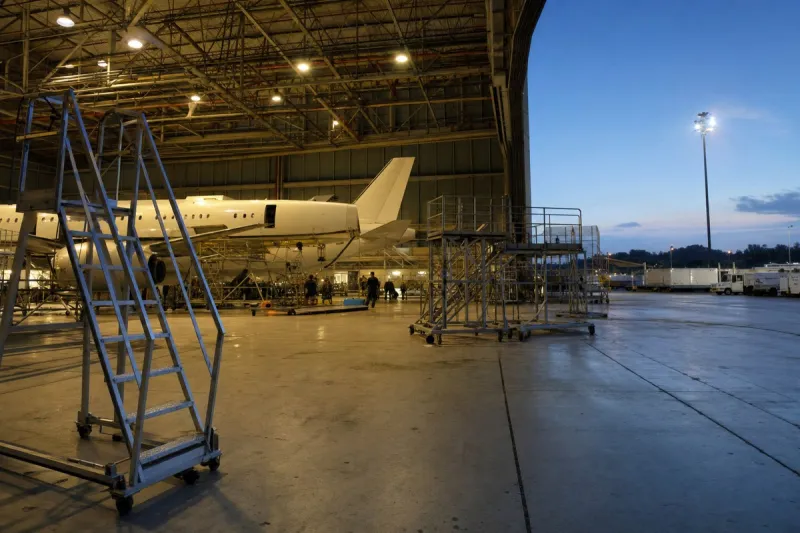
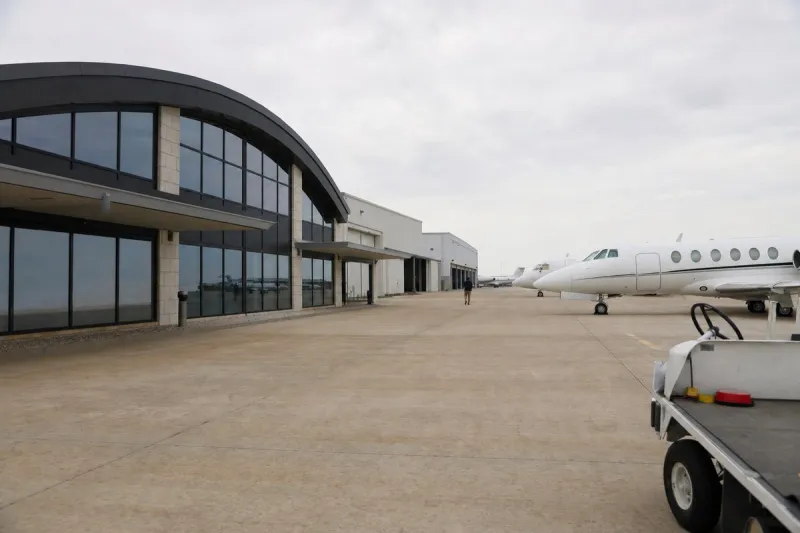
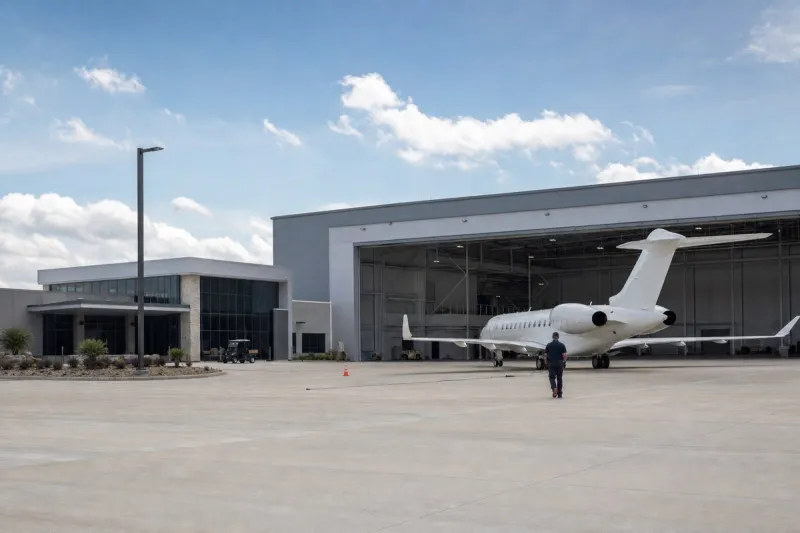
The airport traces its origins to Thunderbird Field II, which opened in 1942 to train U.S. Army Air Corps pilots. Scottsdale acquired the airfield in 1966, business jets began using it in 1967, and the first Airpark commercial tenant broke ground in 1968. Flexjet broke ground in May 2025 on a $36 million facility at Scottsdale Airport, targeting a late-2026 opening, with a 9,000-square-foot passenger terminal, 9,500 square feet of offices, and a 34,000-square-foot maintenance hangar.
Residential and commercial development is advancing in the surrounding corridor. At the One Scottsdale master plan at Scottsdale Road and Loop 101, developer DMB Associates oversees the overall framework while Belgravia Group builds residential projects within it, including Portico's 112 condos across nine buildings and the follow-on Atavia project adding 88 residences, currently under construction. Nearby, a roughly $1 billion mixed-use redevelopment called The Parque is planned for the former CrackerJax site close to Scottsdale Airpark, Kierland, and Scottsdale Quarter, while the 135-acre Cavasson master plan at Hayden Road includes a major office presence from Nationwide, and Optima Kierland and Optima McDowell Mountain add further condo inventory in the corridor.
Industry impact & what to watch
This case illustrates a pattern seen at other fixed-footprint general aviation airports embedded in growing metro corridors: because the airfield cannot be relocated, land immediately around it behaves like a limited asset even as demand for corporate offices, residences and business aviation facilities keeps rising. The comparison to oceanfront property captures that dynamic — value accrues to proximity and irreplaceability rather than to any expandable supply of hangar or ramp space.
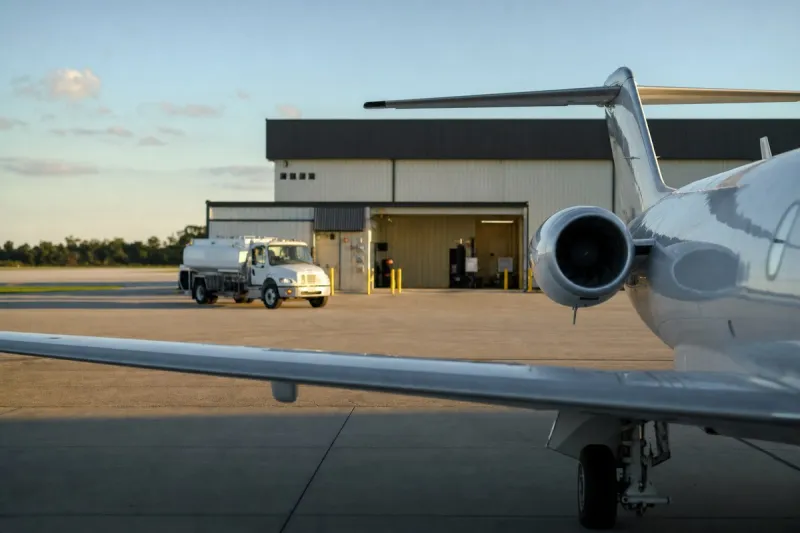
In practice this means corporate tenants, aircraft management firms and developers compete for the same finite parcels near the runway, and an operator like Flexjet committing $36 million to a purpose-built terminal, office and hangar complex signals a long-term bet on that scarcity rather than a short-term facility upgrade.
What happens next will depend on how Scottsdale Airport manages operations growth against a fixed footprint, whether the late-2026 Flexjet opening proceeds on schedule, and how quickly the surrounding residential and mixed-use projects — Atavia, The Parque, and Cavasson — absorb the remaining developable land in the corridor.