Cirrus Aircraft Reports 16% Delivery Growth, Backlog Above 1,000 Units in First Half 2026
Why It MattersA near-1.0 book-to-bill ratio shows an OEM adding capacity fast enough to keep pace with orders rather than draw down a backlog built up during years of undersupply.
What happened
Cirrus Aircraft said Wednesday its order backlog remains above 1,000 aircraft after delivering 405 planes in the first half of 2026, a 16% increase from 350 deliveries in the same period of 2025. Revenue rose 24% to $737 million from $594 million a year earlier, with aircraft sales contributing $617 million, up from $498 million, and revenue from Cirrus Services and other operations growing from $96 million to $120 million. Net income increased to approximately $88.1 million from about $65 million in the first half of 2025.
Orders and reservations reached 398 aircraft during the first six months of 2026, compared with 241 during the same period in 2025, producing a book-to-bill ratio of 0.98. Cirrus did not provide a model-by-model breakdown of its backlog. CEO Zean Nielsen said during the company's earnings call, "Depending on make and model, you have to wait anywhere from one to two years to take delivery, which keeps the used market very healthy too."
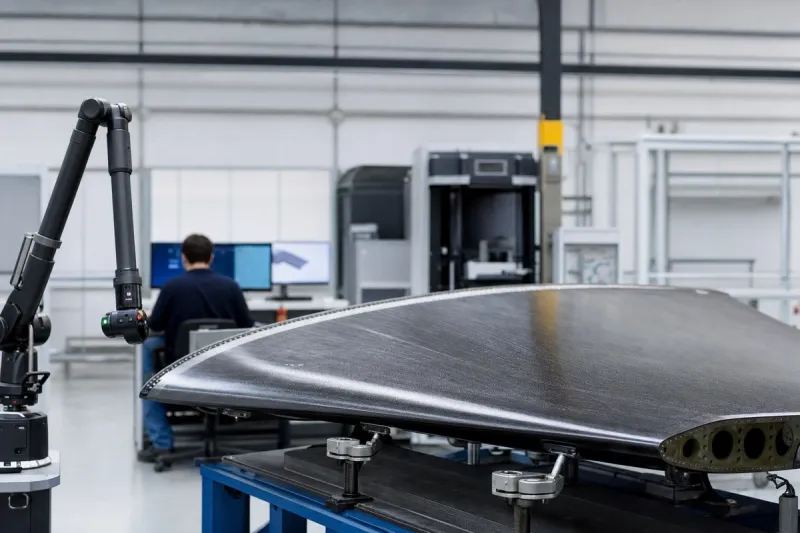
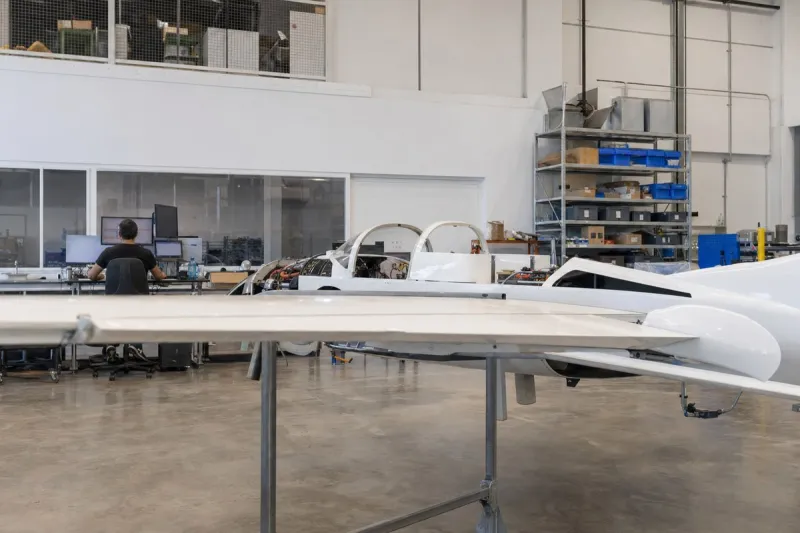
The results follow the August 14 opening of an expanded manufacturing facility in Grand Forks, North Dakota, which added more than 30,000 square feet and increased capacity for composite manufacturing. The facility produces components for the SR Series and Vision Jet and will also manufacture composites for the new TRAC10 training aircraft, with deliveries planned for 2027. CFO George Letten said, "In the first half of 2026, we had a book-to-bill of nearly 1 at 0.98, which means we really had as many orders as units delivered to end customers, keeping our overall backlog very strong as we continued to increase our production capacity." Nielsen said the company is targeting a backlog that would eventually represent roughly one year of production.
Industry impact & what to watch
A book-to-bill ratio near 1.0 signals an OEM whose new orders are roughly matching what it can build and hand over, rather than a backlog that keeps stretching further into the future or one that shrinks as production outpaces demand. For piston and light-jet buyers, that dynamic shows up directly as wait time: Nielsen's one-to-two-year delivery window is what a backlog above 1,000 units translates into on the ground, and it is also why he described the used-aircraft market as staying active.
The Grand Forks expansion is the supply-side response to that wait time, adding composite capacity for the SR Series and Vision Jet while also preparing output for the TRAC10 trainer ahead of 2027 deliveries. Manufacturers in this position generally manage backlog length as a target rather than let it run unchecked, since a queue that gets too long pushes buyers toward used inventory or competing types, while one that gets too short leaves capacity underused.
Nielsen's stated goal of a backlog equal to roughly a year of production gives a concrete marker to watch: whether upcoming quarters show the backlog compressing toward that level as Grand Forks output ramps, or holding above 1,000 units if orders keep pace with the expanded capacity.