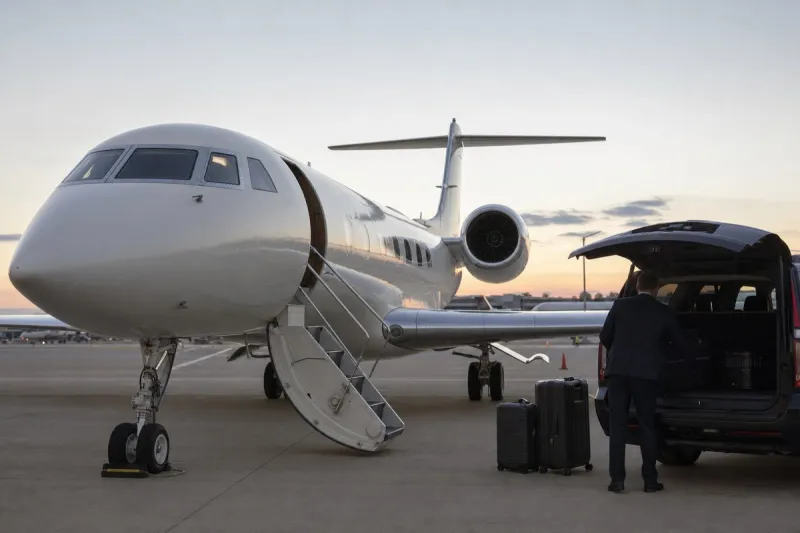
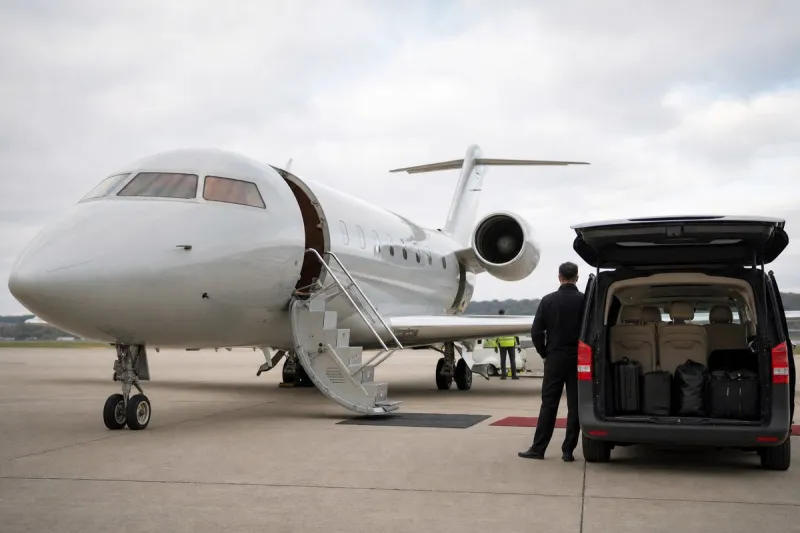
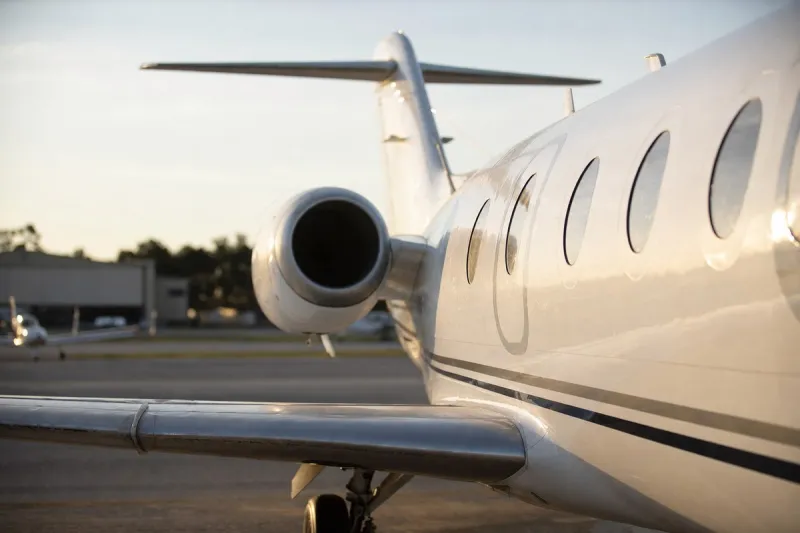
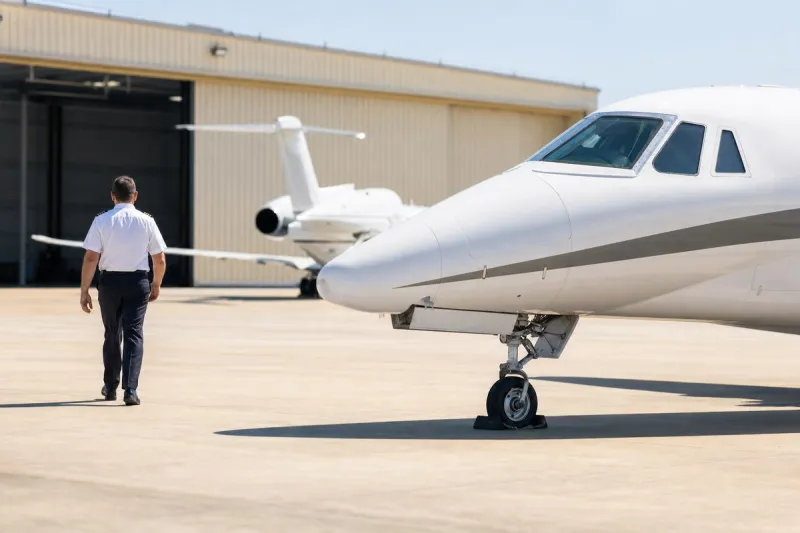
Gulfstream G700, Dassault Falcon 10X and Bombardier Global 7500 ranked as quietest long-range business jets by cabin noise
Why It MattersCabin acoustics is becoming a measurable spec buyers and operators can compare across long-range models, shaping how manufacturers justify price and how charter clients pick aircraft.
What happened
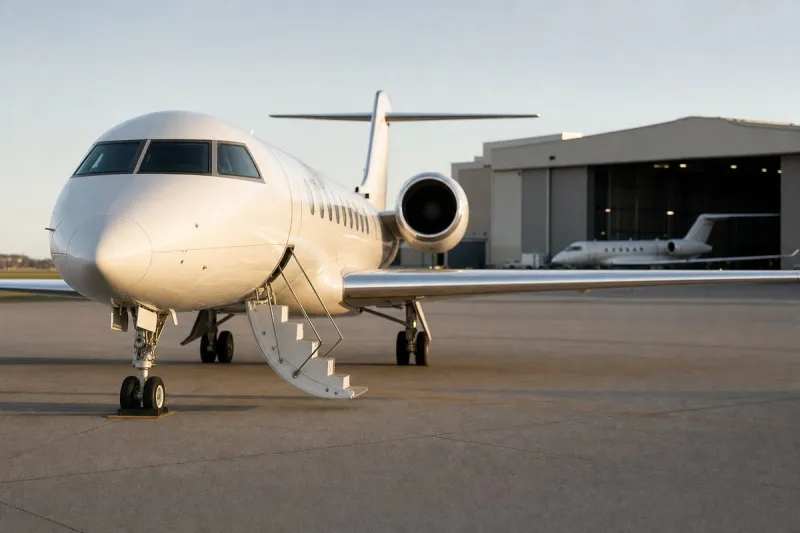
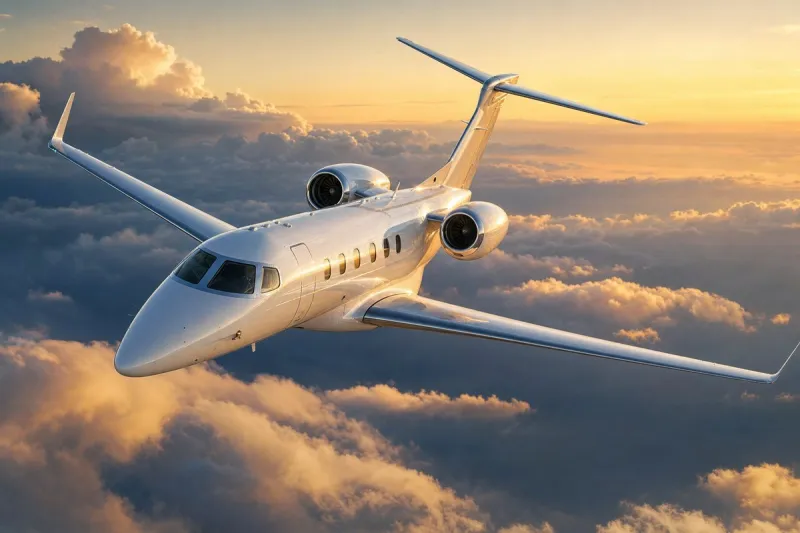
BlackJet, a private jet card program operator, has published a ranking of the quietest long-range business jets based on cabin noise measured in decibels (dB) and speech interference level (dB SIL). The Gulfstream G700 topped the list, registering an internal cabin noise floor as low as 47.6 dB SIL during high-speed cruise, which Gulfstream attributes to sound-insulating sidewall treatments and aerodynamic design refinements across the wing roots and fuselage skin.
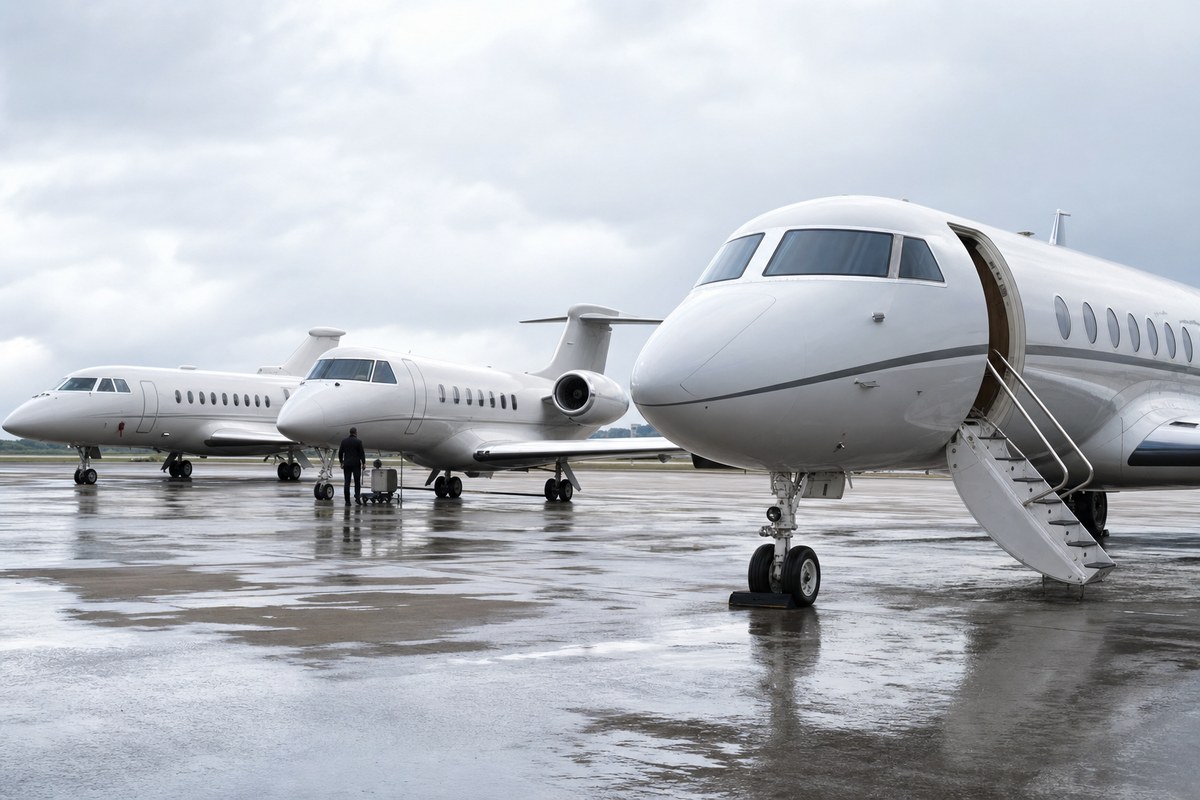
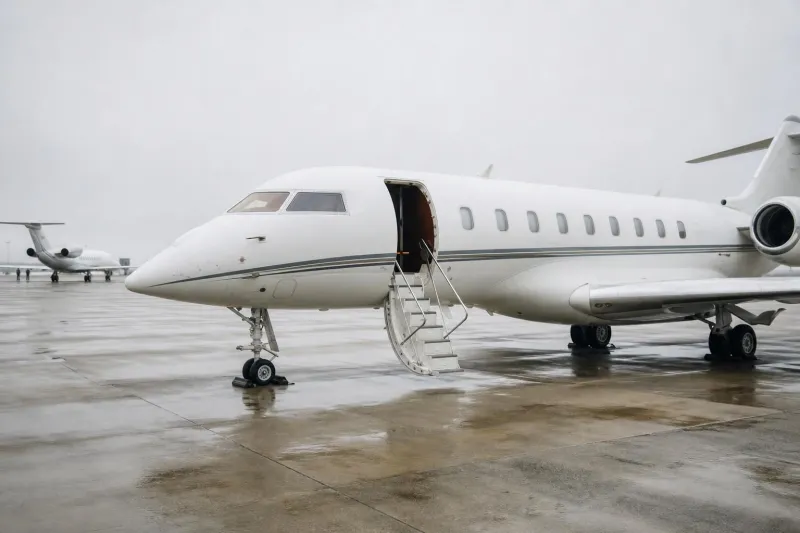
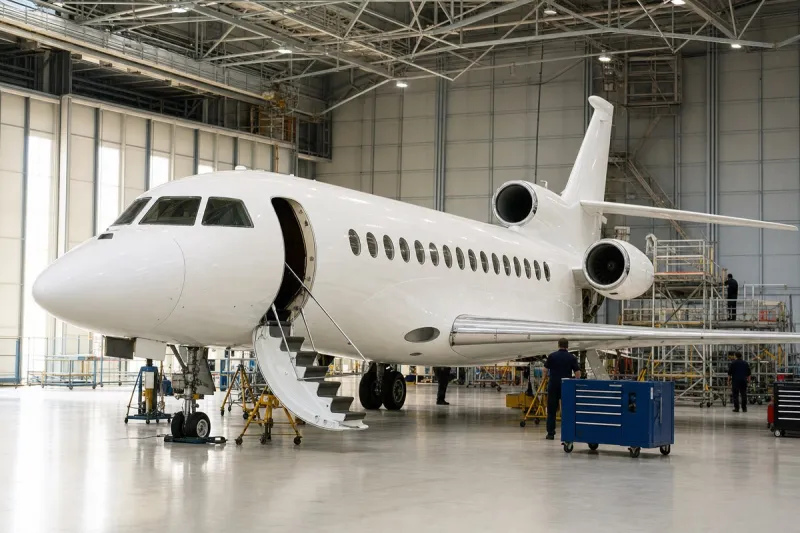
The Dassault Falcon 10X placed in the middle of the top tier, engineered to keep cabin sound levels under 50 dB SIL through active acoustic dampening techniques, advanced composite structural panels, and updated aerodynamic properties that reduce external drag. The Bombardier Global 7500 followed closely, logging 50 dB SIL in Fly Victor testing, though some sources cite 48 dB SIL; Bombardier credits General Electric Passport engines and dedicated acoustic bulkheads separating primary seating zones from the forward galley.
For comparison, standard commercial airliners operate with cabin ambient sound levels between 75 dB and 85 dB, while modern long-range business aircraft target thresholds under 50 dB SIL. Soundproofing measures on these aircraft include up to 600 pounds of multidensity acoustic foam, triple-pane acoustic window assemblies, and tuned mass dampers placed along fuselage bulkheads. The National Business Aviation Association (NBAA) states that full aircraft ownership generally makes financial sense only when annual flight time exceeds 250 hours, and for corporations flying fewer hours, fractional programs or long-term leasing offer access to low-decibel, long-range aircraft without full asset risk.
Industry impact & what to watch
Cabin noise is turning into a quantifiable differentiator among the newest large-cabin long-range jets, with manufacturers now citing specific dB SIL figures rather than general comfort claims. Because the decibel scale is logarithmic, a 3 dB reduction cuts the sound energy reaching the cabin in half, so the gap between roughly 47.6 dB SIL and 50 dB SIL among these three aircraft is a real, measurable difference in how a cabin feels on a long sector, not a marketing rounding error.
This matters most where flight departments and charter clients weigh long-range aircraft against each other on comfort, since the same acoustic engineering that lowers cabin noise, sidewall treatments, acoustic bulkheads, tuned mass dampers, also adds weight and cost that gets built into the aircraft's price and operating economics. The NBAA's 250-hour ownership threshold underscores that access to these quieter cabins does not require outright purchase; fractional and leasing structures already put the same acoustic specification within reach of lower-utilization flyers.
What remains to be settled is the discrepancy in the Global 7500's own figures, cited at both 50 dB SIL and 48 dB SIL depending on the source, which will matter to anyone comparing it directly against the Falcon 10X's sub-50 dB SIL target.