Apollo and KKR Value Atlantic Aviation at Nearly $10 Billion in New Strategic Partnership
Why It MattersThe deal signals that private equity views long-term airport concession agreements at high-activity FBOs as durable infrastructure assets worth premium valuations amid sustained private aviation demand.
What happened
Apollo and KKR announced on August 27, 2026 a strategic partnership centered on Atlantic Aviation, valuing the company at nearly $10 billion. Apollo-managed funds have acquired a significant interest in Atlantic Aviation, while KKR-managed funds remain a substantial shareholder. Neither the exact ownership percentages nor the purchase price were disclosed.

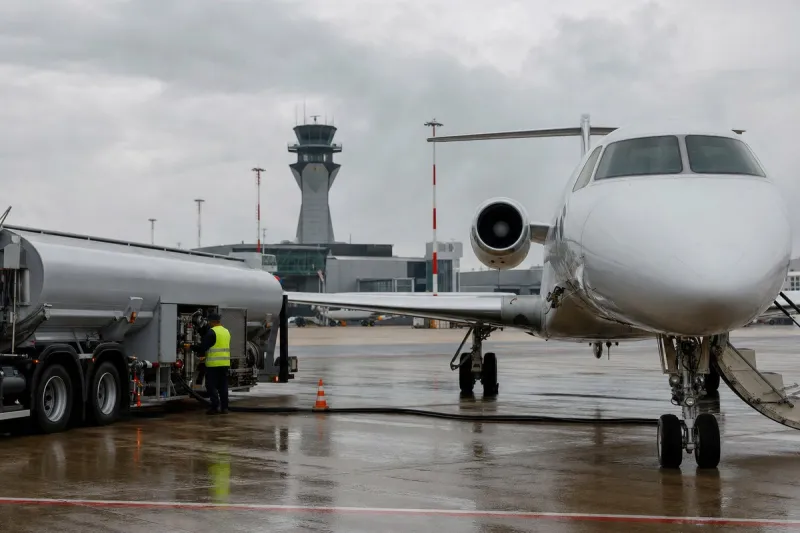
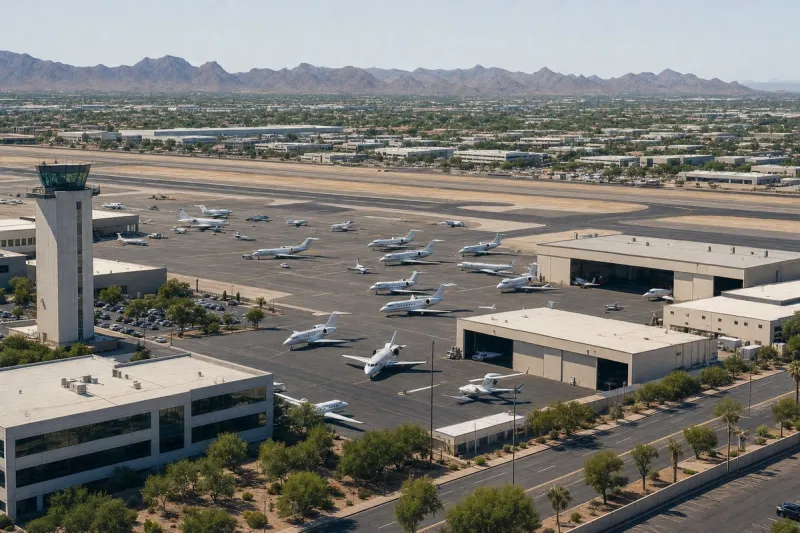
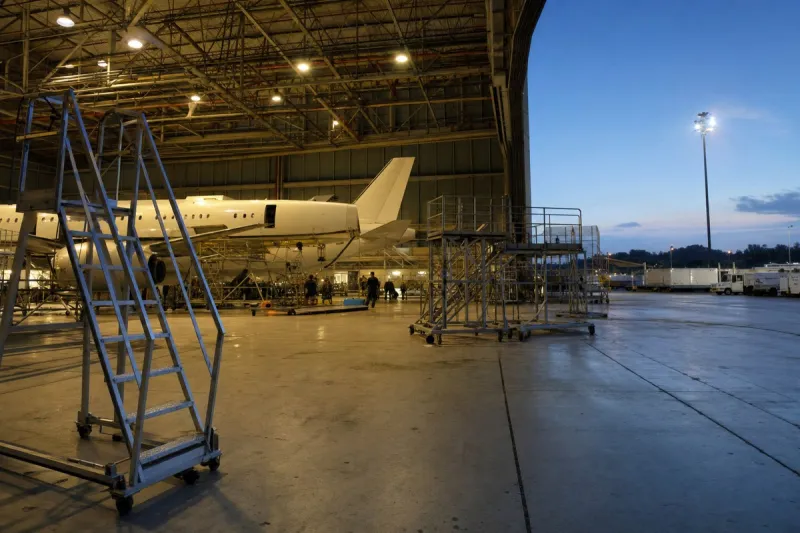
Atlantic Aviation operates a fixed-base operator network across the United States, providing aircraft fueling, hangar leasing and other aviation services under long-term airport concession agreements at high-activity airfields, serving corporate and general aviation customers. KKR first acquired Atlantic Aviation in 2021, and the company has since expanded its locations through acquisitions and organic growth in the United States and certain international markets while also enhancing customer offerings and operational capabilities.
Apollo Partner David Cohen cited Atlantic's infrastructure footprint across the nation's busiest airports and structural tailwinds in the private aviation market as key drivers for the investment. KKR Partner Dash Lane said the partnership reflects conviction in the strength of the platform and the long-term growth of the sector. Jeff Foland, CEO of Atlantic Aviation, described the transaction as a validation of the company's people and performance. KKR said its support for employee health and safety investment contributed to Atlantic having one of the best safety records in the industry. Over the past five years, Apollo has originated more than $155 billion of infrastructure transactions and financings, while KKR manages more than $120 billion in infrastructure assets and has invested over $12 billion across the aviation sector since 2015.
Industry impact & what to watch
Private capital is treating large FBO networks as core infrastructure rather than ancillary aviation services, comparable to toll roads or utilities, because long-term airport concessions generate stable, contracted cash flows. The near-$10 billion valuation for a single national FBO platform underscores how much premium investors now place on scale and airport-concession durability in this segment.
FBO economics depend on holding concession rights at high-activity airfields, since those agreements typically lock in exclusivity or preferred access for fueling, hangar leasing and ramp services over many years, insulating operators from the volatility of retail aviation demand. That structure is what allows two large infrastructure investors to co-invest in the same platform rather than one exiting fully to the other.
What remains to be seen is how the undisclosed ownership split and purchase price shape Atlantic's future capital plans, including whether the new partnership accelerates further acquisitions of FBO locations or international expansion. Any details on financing structure or capex commitments would come from subsequent disclosures by Apollo, KKR or Atlantic Aviation itself.