Florida Plans eVTOL Testing at SunTrax AirGround Facility in Polk County Before End of Year
Why It MattersPublic test infrastructure can accelerate eVTOL development timelines while raising oversight questions about whether publicly funded facilities deliver returns proportionate to the private gains they enable.
What happened
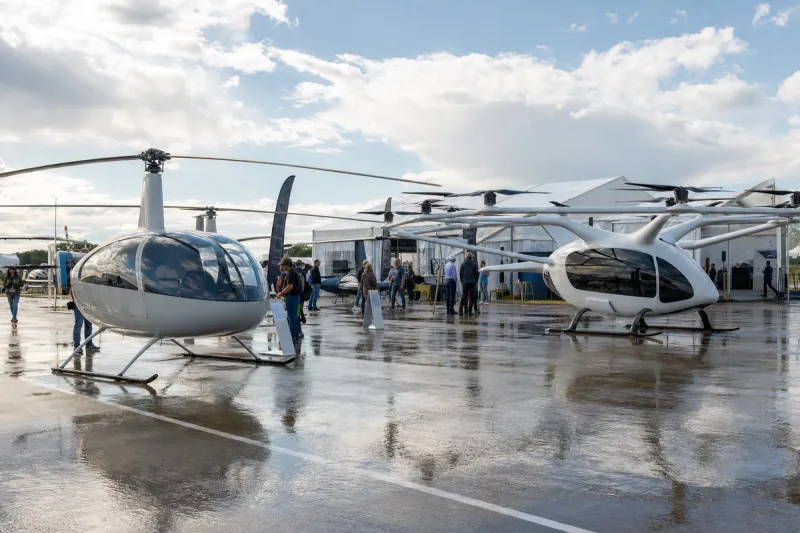
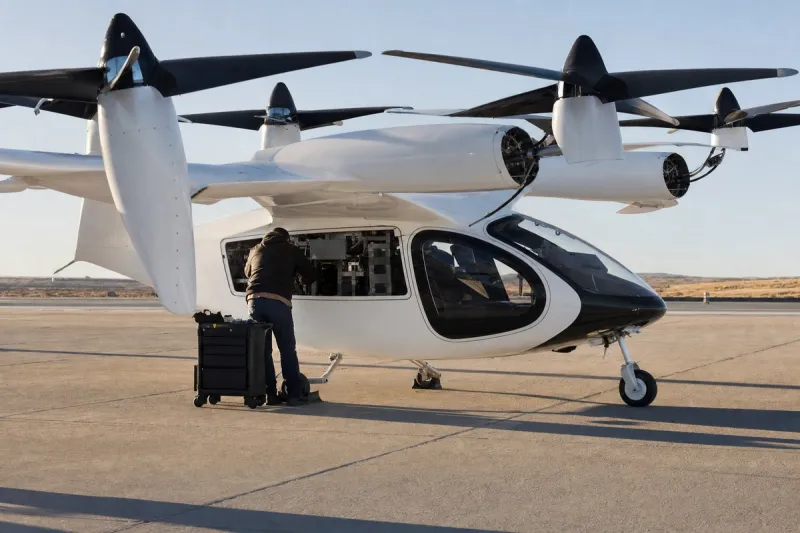
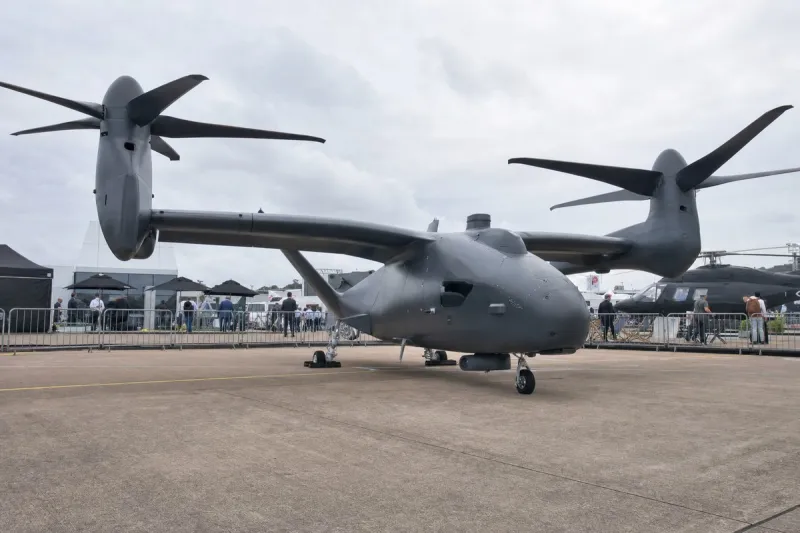
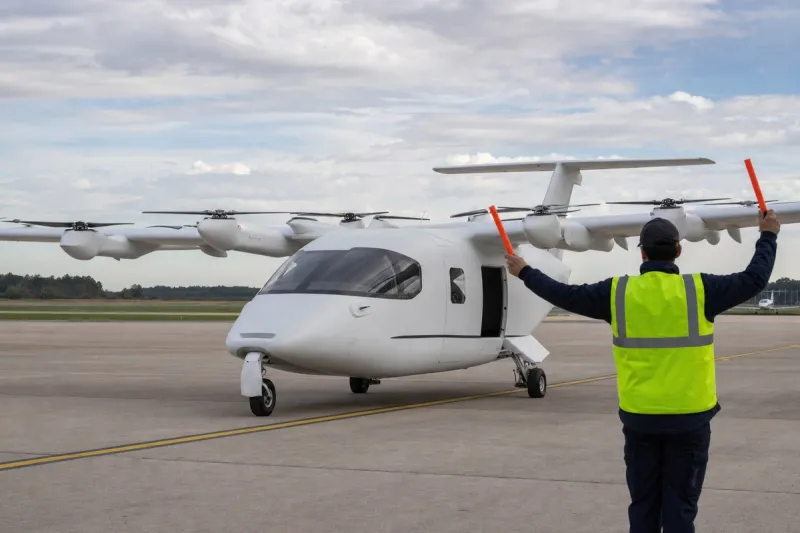
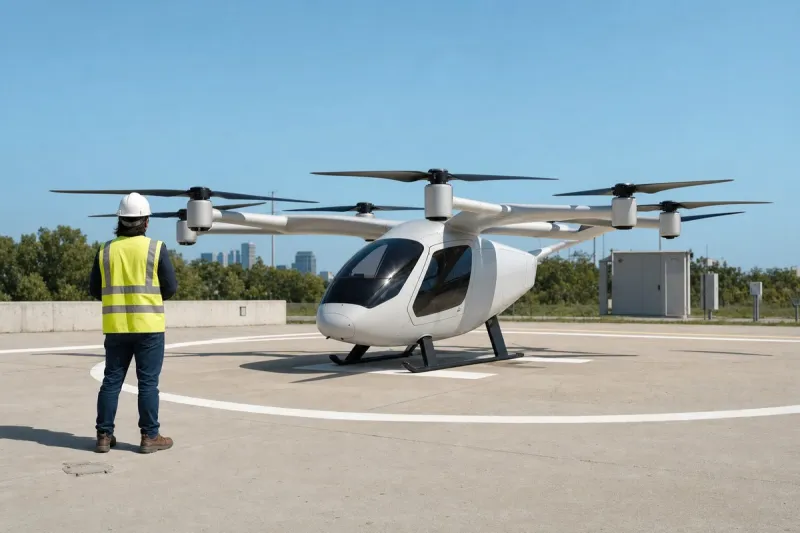
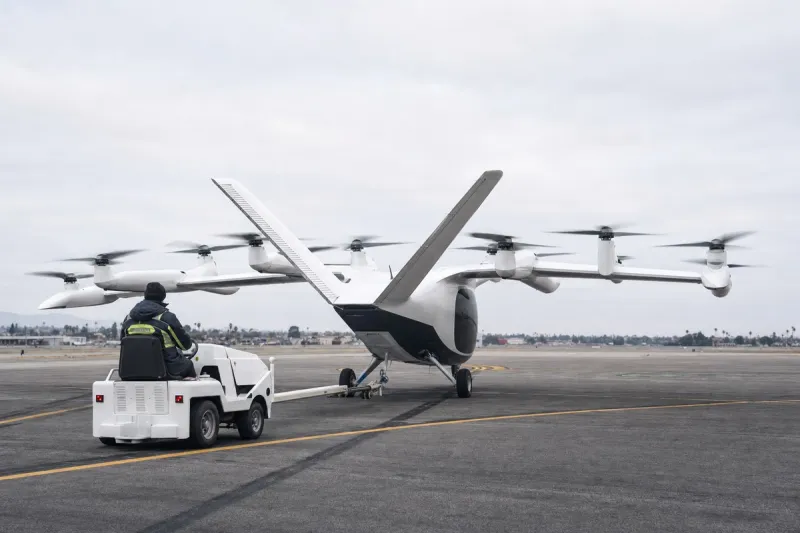
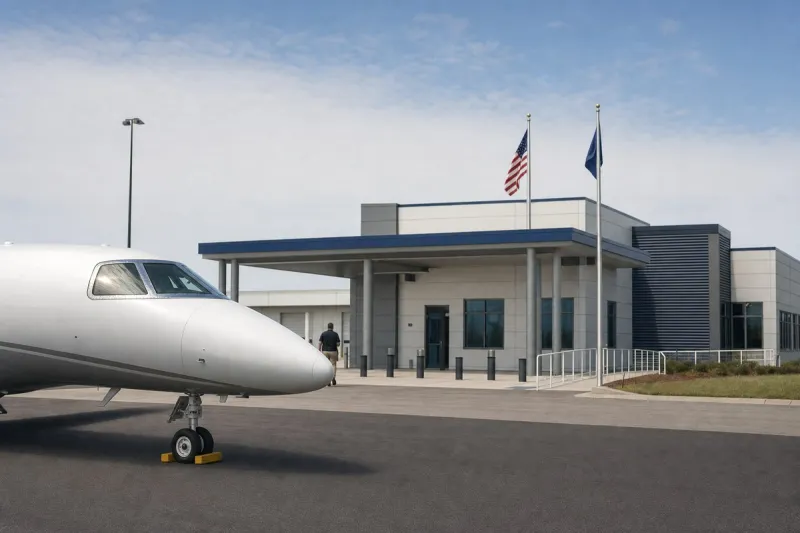
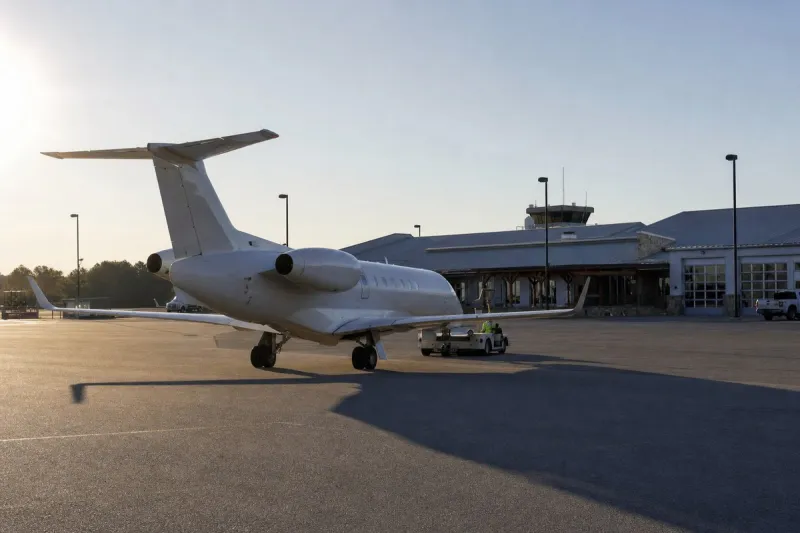
Florida expects to begin active testing of electric vertical takeoff and landing aircraft at the SunTrax facility in Polk County before the end of this year. Gov. Ron DeSantis highlighted the expansion at an announcement in Auburndale in early August, and the state has branded the new aviation component SunTrax AirGround.
SunTrax occupies 775 acres along the Interstate 4 corridor between Tampa and Orlando, operated in connection with the Florida Department of Transportation and Florida's Turnpike Enterprise. The facility was originally developed as a proving ground for tolling technology and later expanded into a connected and automated vehicle testing site. Its central feature is a 2.25-mile oval track with an infield configurable for urban scenario testing, and the state describes it as the only high-speed autonomous vehicle test track in the United States. Autonomous vehicle developer Waymo is among the companies that have used the site.
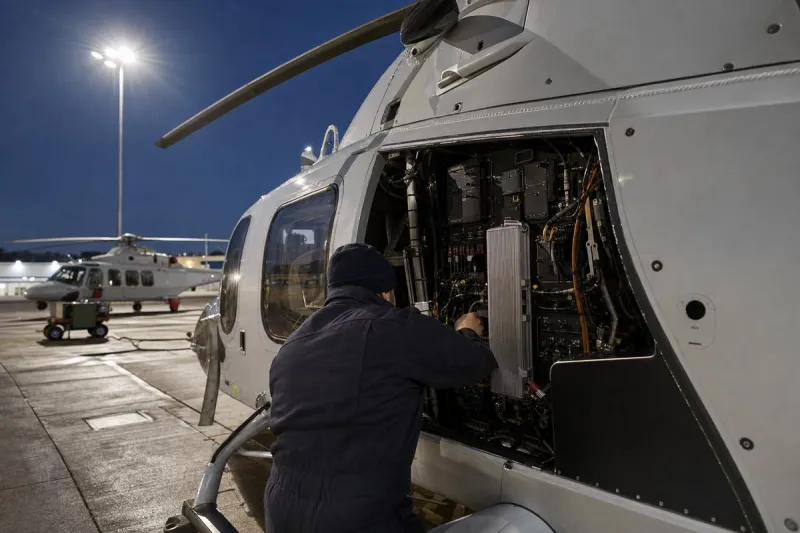
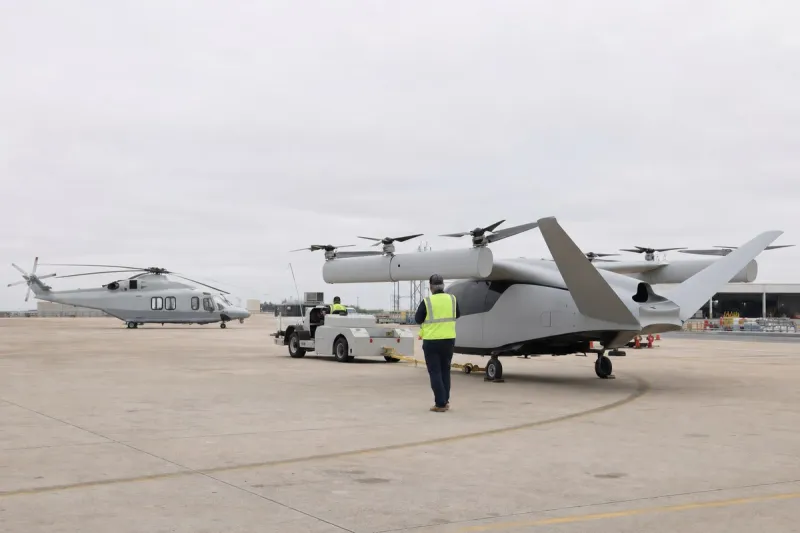
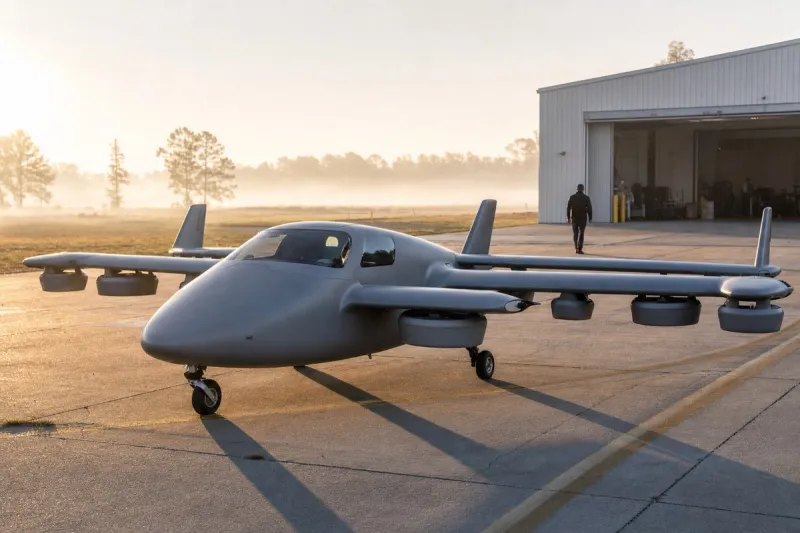
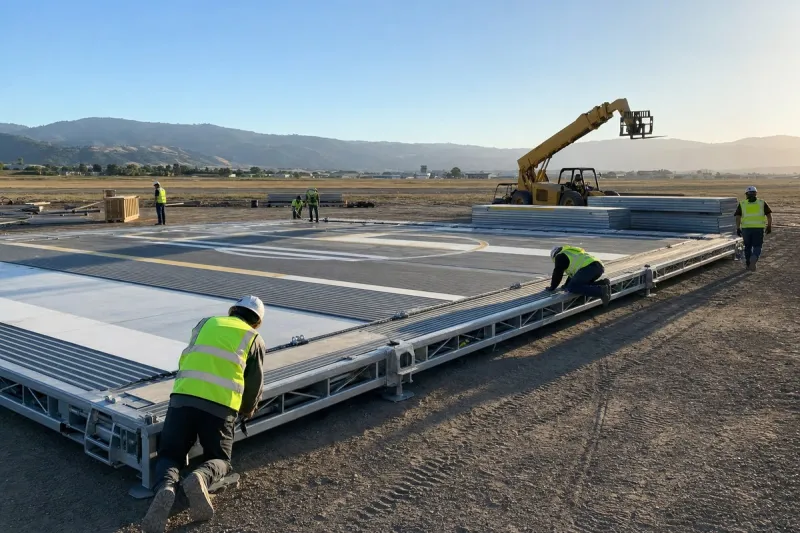
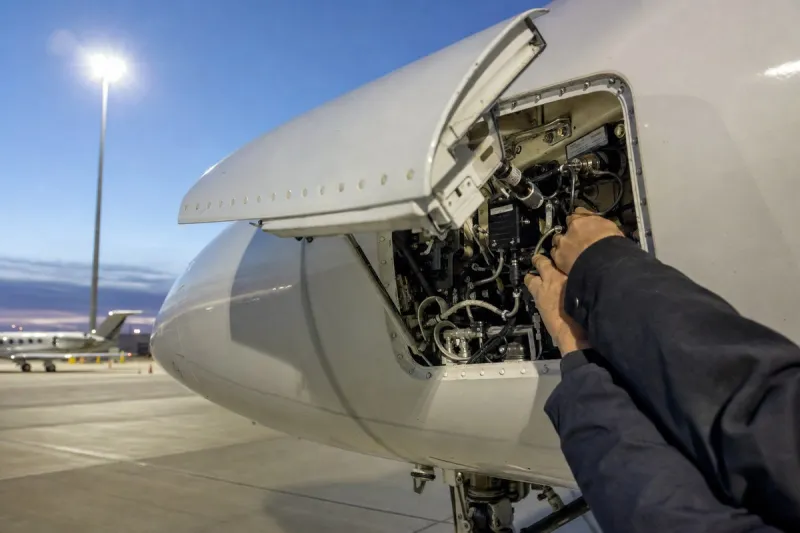
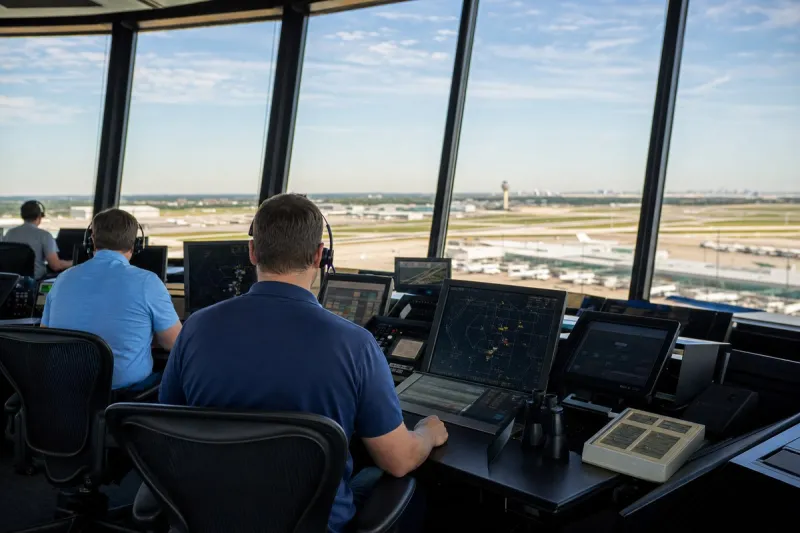
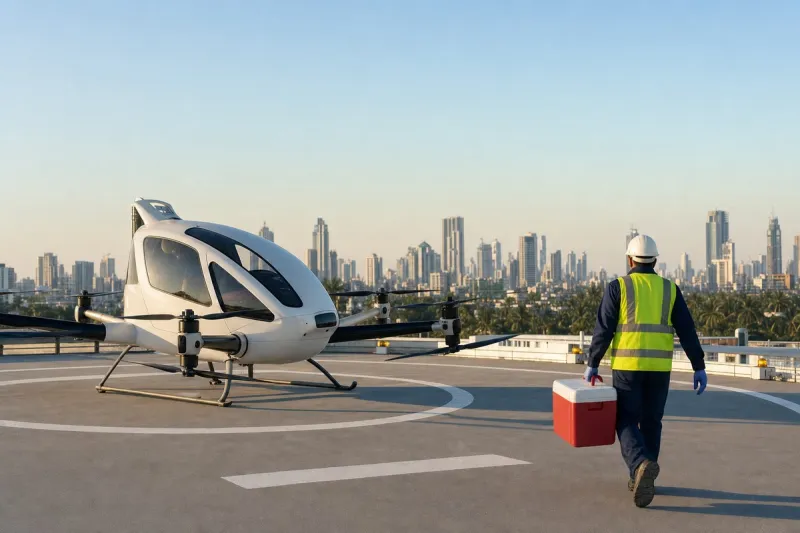
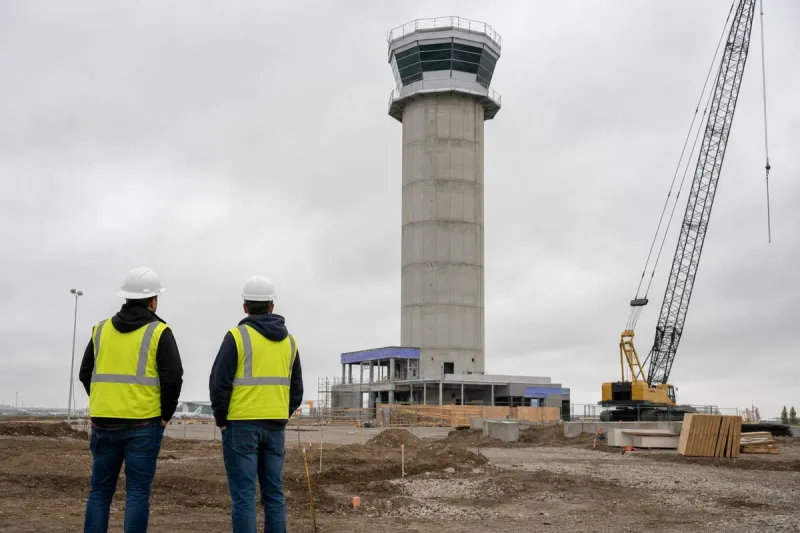
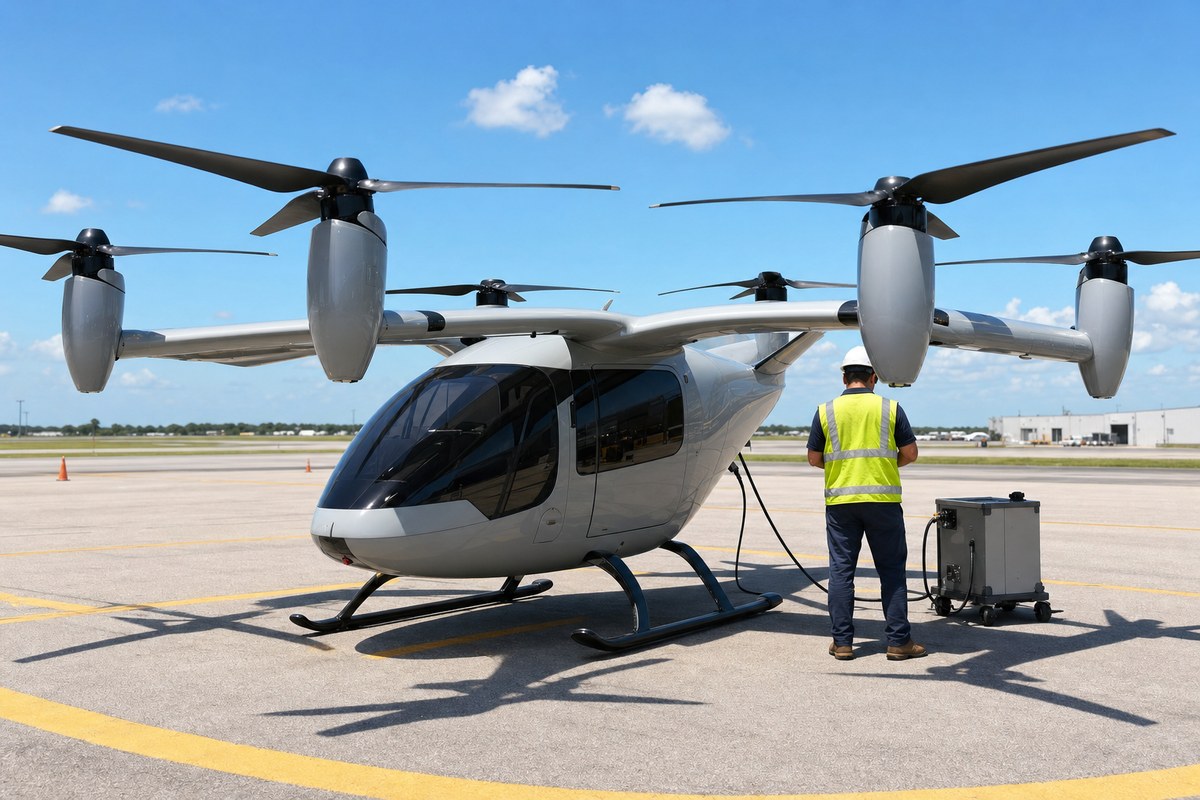
The new aviation component is described as purpose-built to support eVTOL development, providing space for flight testing, ground handling, charging infrastructure trials, and integration with ground transportation outside congested airspace. The Florida Department of Transportation is partnering with Embry-Riddle Aeronautical University, based in Daytona Beach, and Polk State College, located in Polk County, on workforce development programs tied to the facility. Embry-Riddle operates programs in aerospace engineering, unmanned aircraft systems, and air traffic management, while Polk State College focuses on technician-level training in aircraft maintenance, avionics, and ground support.
Florida has positioned itself as one of the most permissive states for autonomous vehicle operation since enacting its first authorization law in 2012. Current state statute allows fully autonomous vehicles to operate on public roads without a human operator present, and preempts local governments from imposing their own regulations.
Industry impact & what to watch
This case illustrates how eVTOL developers are separating flight and ground-handling testing from the much longer path to commercial passenger service. Testing at a dedicated facility like SunTrax AirGround can validate charging infrastructure, ground integration and flight characteristics well ahead of Federal Aviation Administration certification under the powered-lift category, a process expected to take years beyond initial testing.
The arrangement also shows how states compete for early-stage aviation infrastructure by repurposing existing public assets rather than building from scratch. SunTrax was originally built for tolling technology, then automated-vehicle testing, and now aviation — a reuse strategy that lowers the capital burden for the state but means construction and operating costs remain publicly borne while the testing benefits accrue substantially to the private developers who use the track.
Whether that public investment produces a proportionate public return, in jobs, workforce pipelines through Embry-Riddle and Polk State College, or eventual commercial activity, is a question for state oversight rather than for the developers testing there. The next marker to watch is whether active eVTOL testing actually begins before year-end as projected, and which developers commit to using the facility once it does.