Jacksonville International Airport Opens Dedicated $9 Million Customs Facility for General Aviation
Why It MattersDedicated FIS facilities show how customs infrastructure, not runway capacity, can determine whether an airport captures or loses corporate and charter traffic to nearby alternatives.
What happened
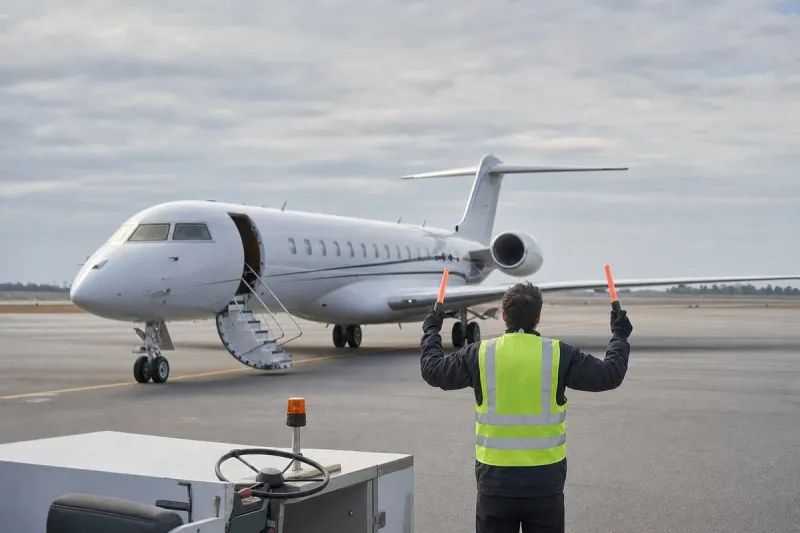
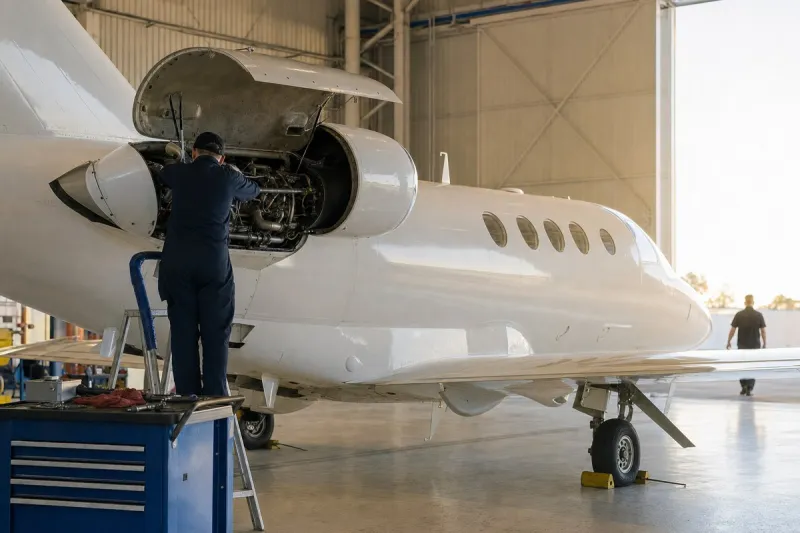
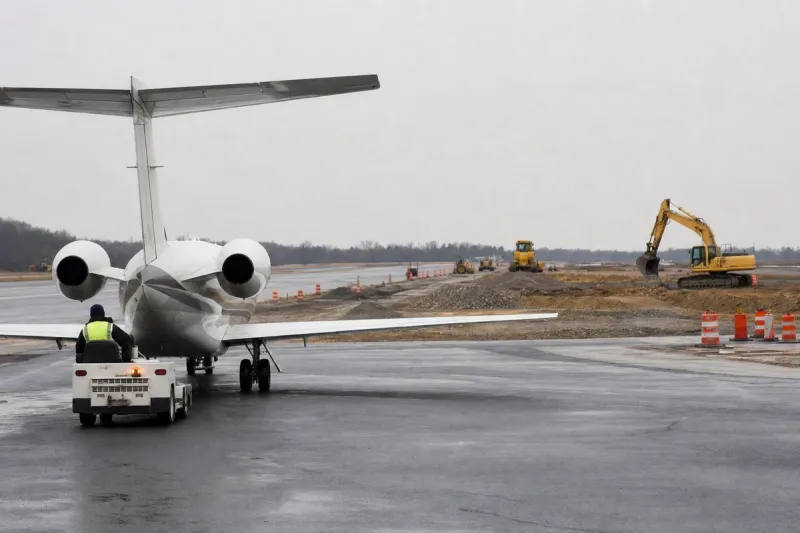
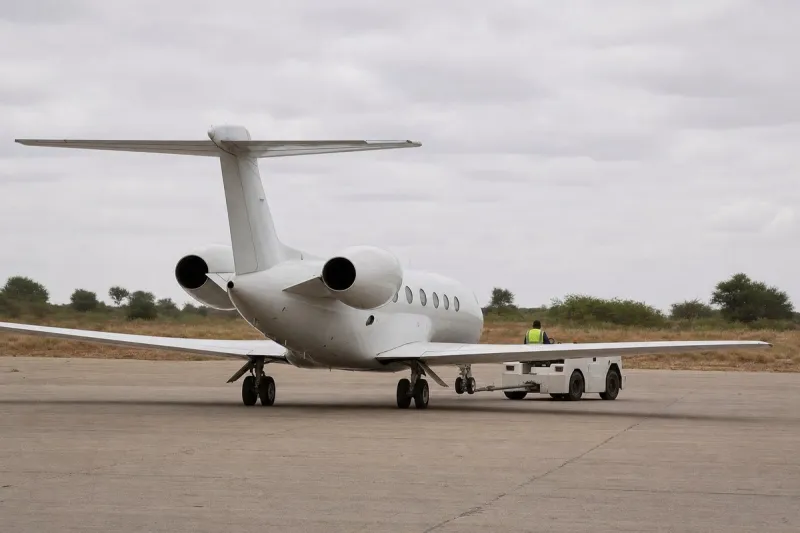
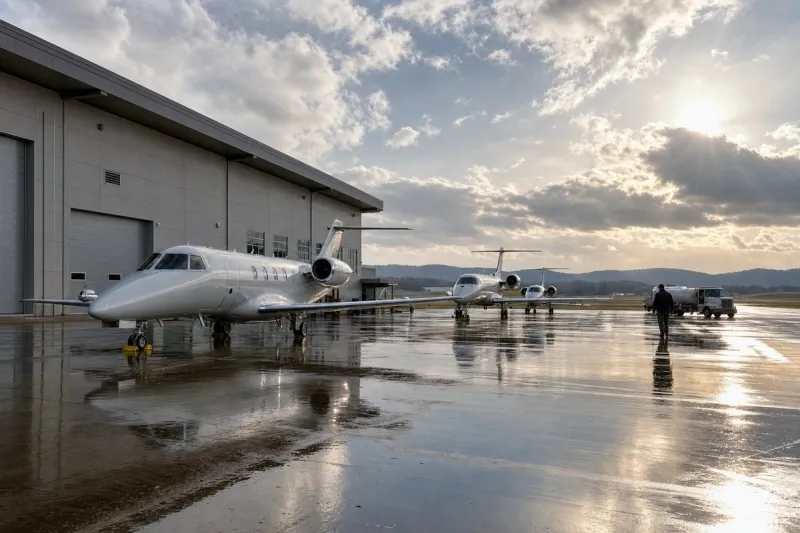
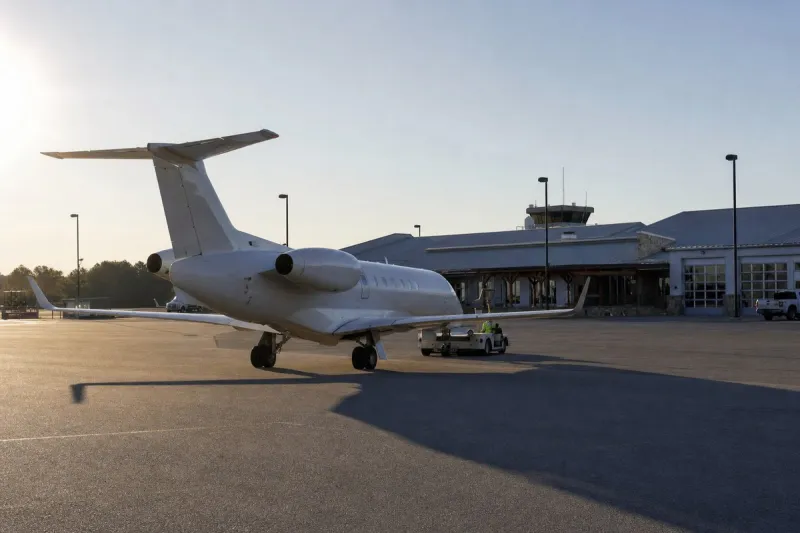
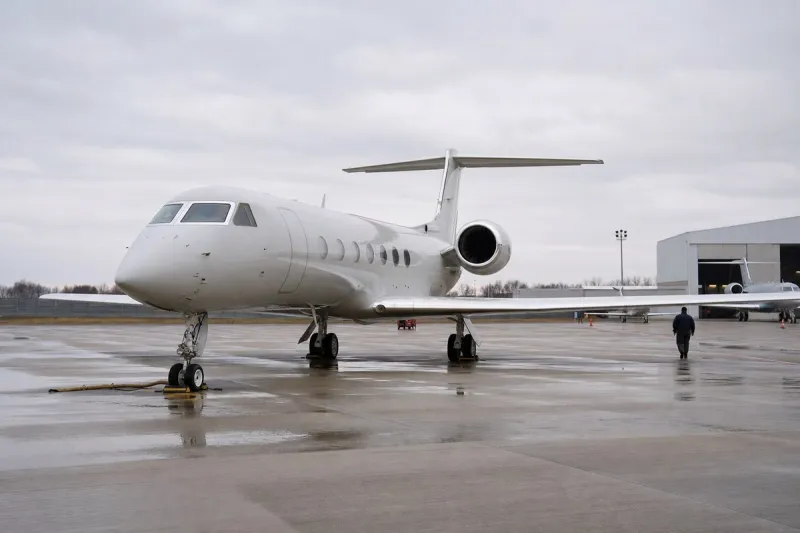
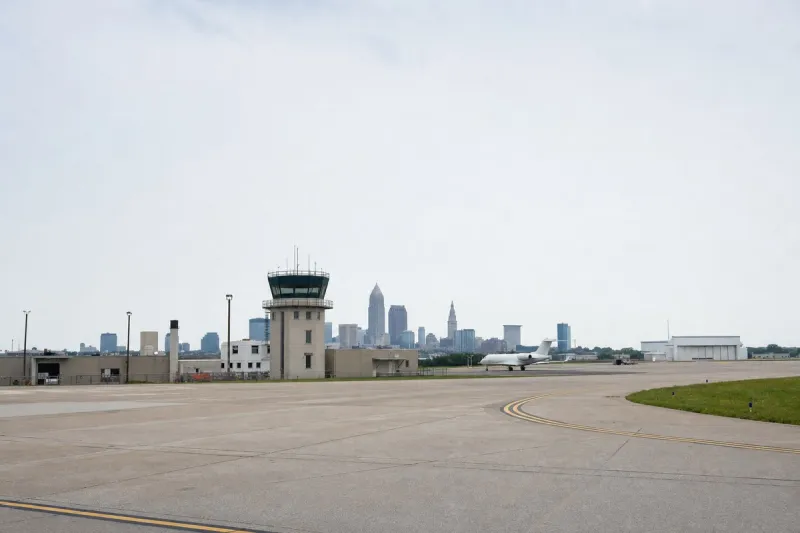
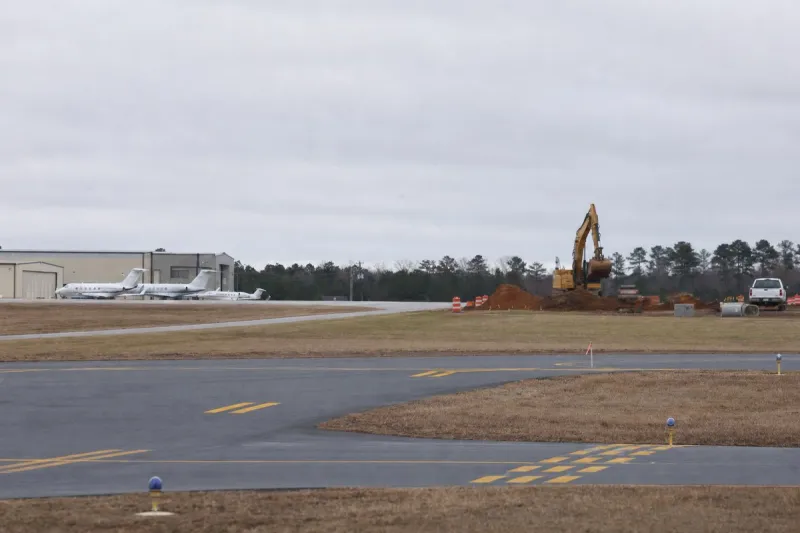
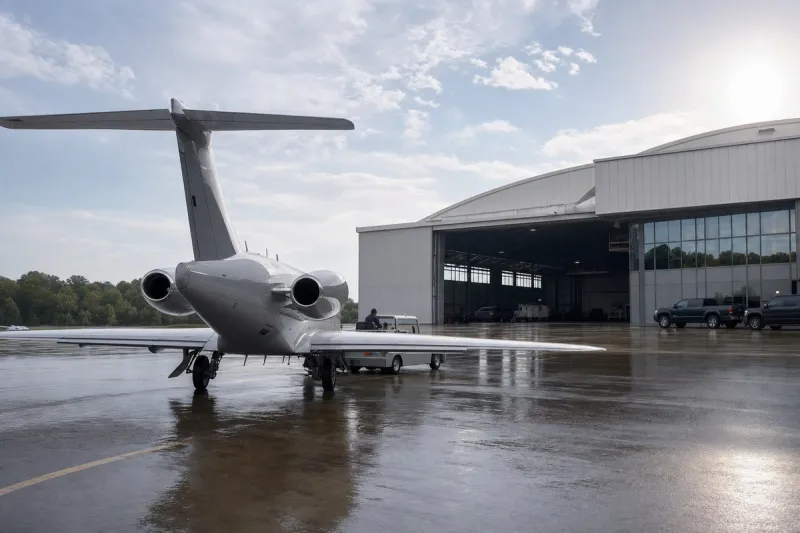
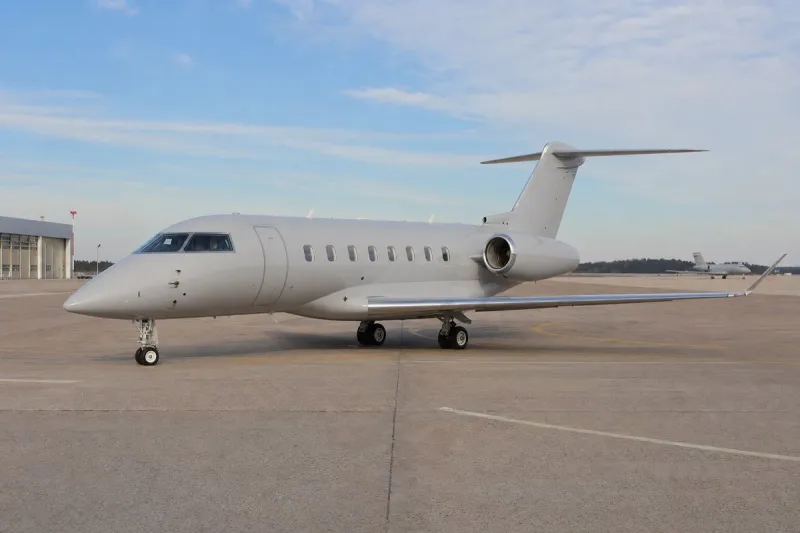
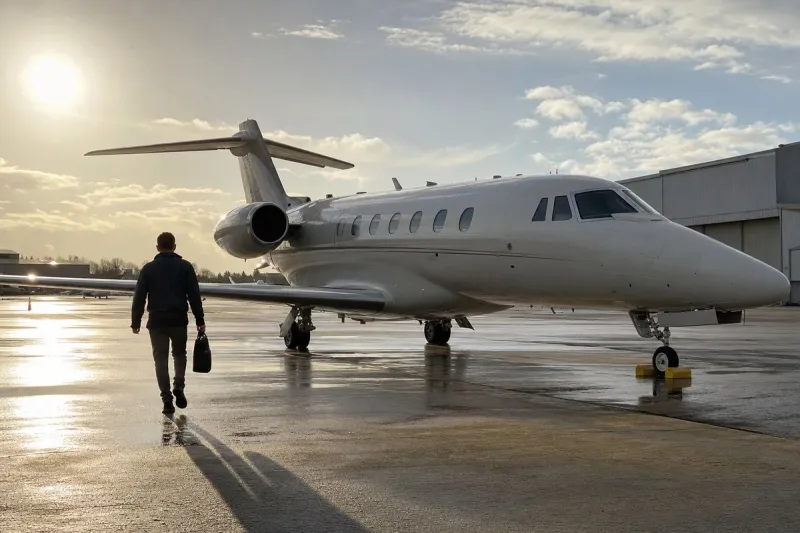
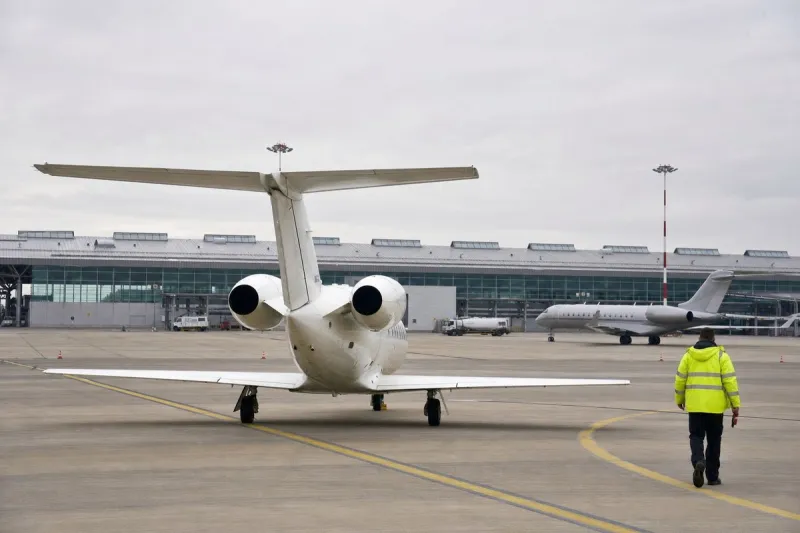
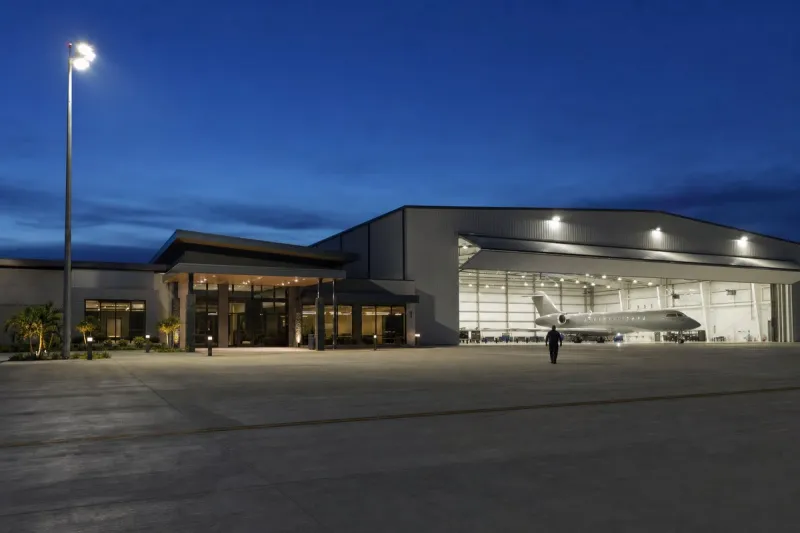
Jacksonville International Airport opened a new U.S. Customs and Border Protection Federal Inspection Services facility on Aug. 27, giving passengers aboard corporate and other general aviation aircraft arriving from overseas a dedicated location for customs clearance. The 6,000-square-foot facility, located at 2155 Barnstormer Road, was funded equally by the Jacksonville Aviation Authority and the Federal Aviation Administration at a total cost of approximately $9 million. Jacksonville-based Pond & Co. served as the civil engineer, and the facility includes passenger waiting and processing areas, offices, and other support services.
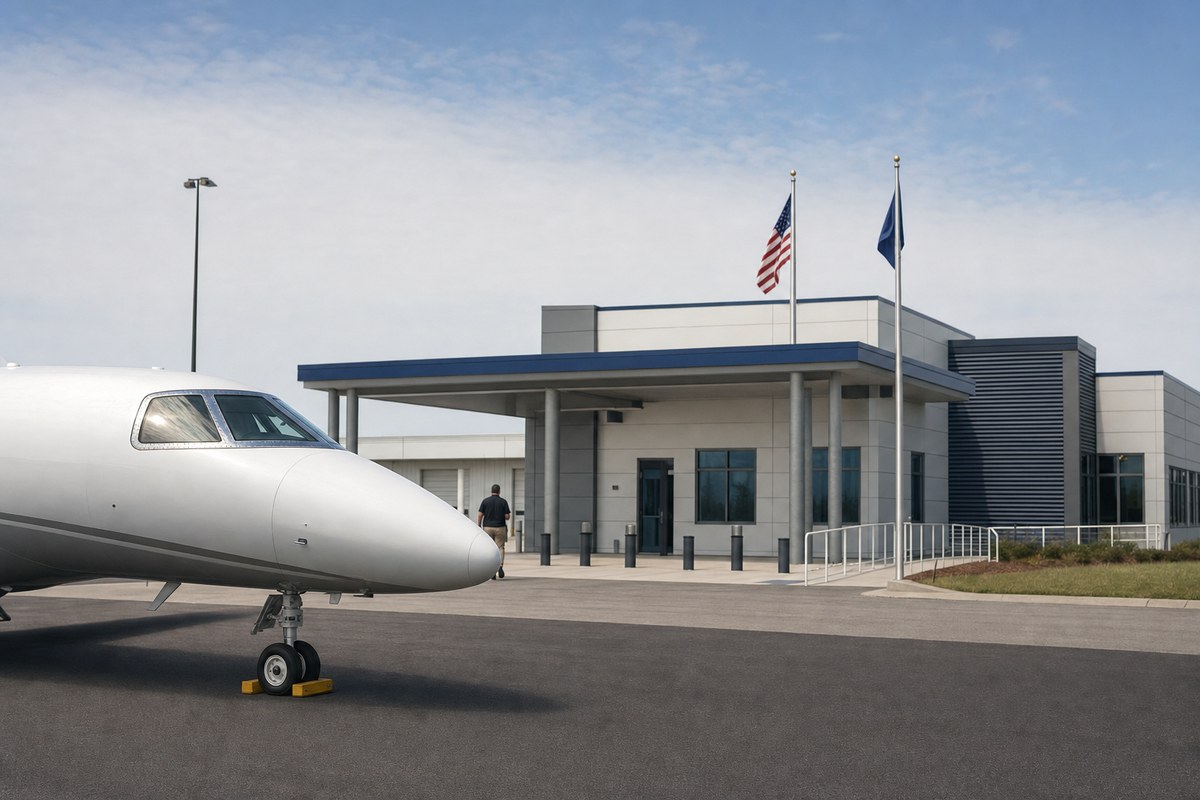
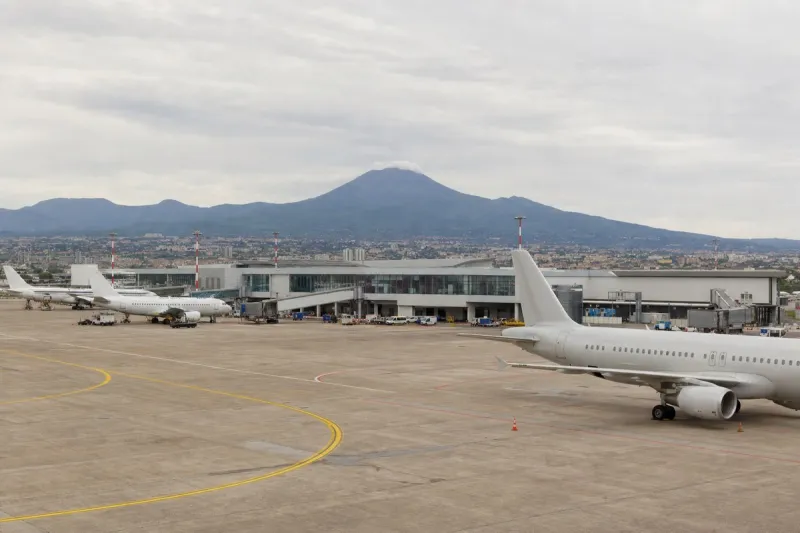
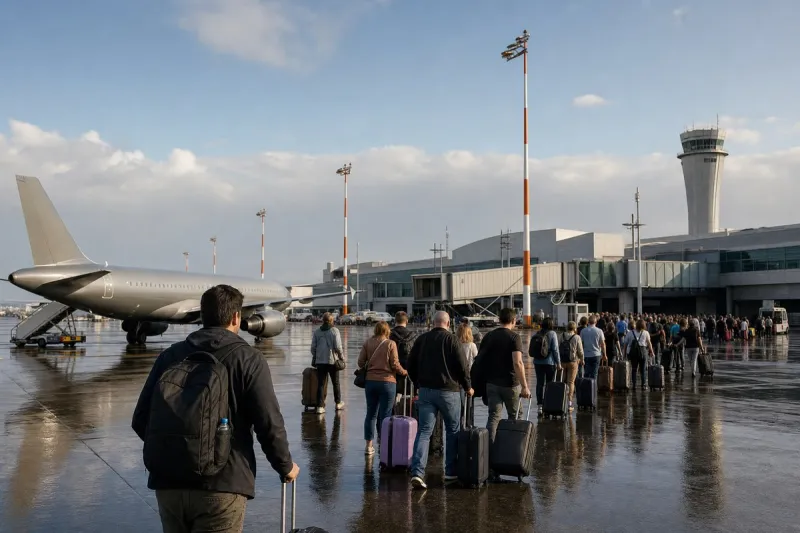
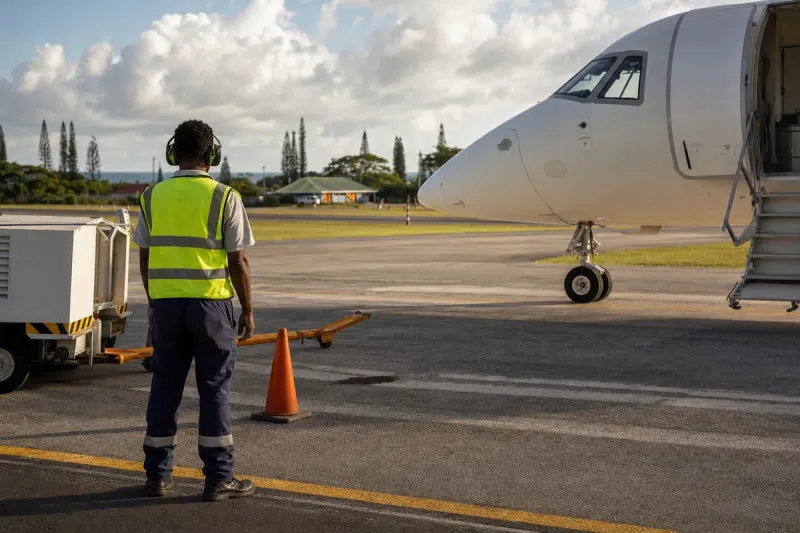
Previously, all arriving international passengers — including those on commercial airliners — were routed through Gate C5 in the main terminal. Under the new arrangement, commercial flight passengers will continue to clear customs at Gate C5, while noncommercial passengers will use the new facility.
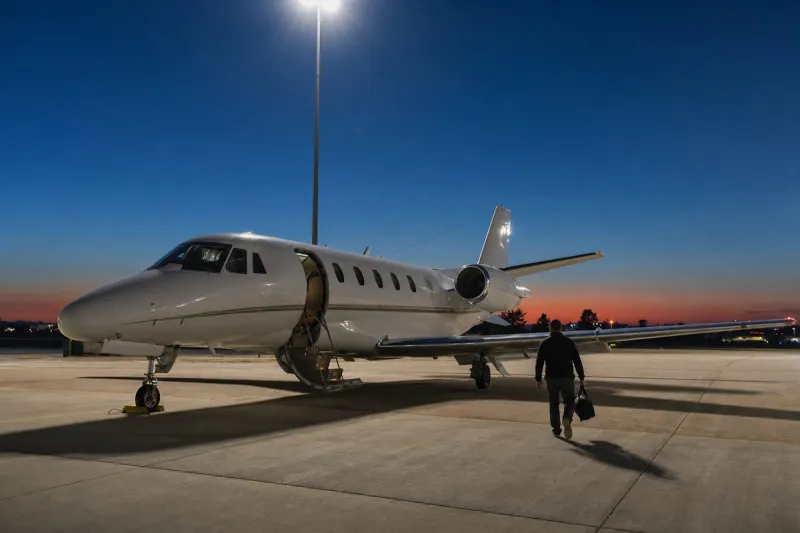
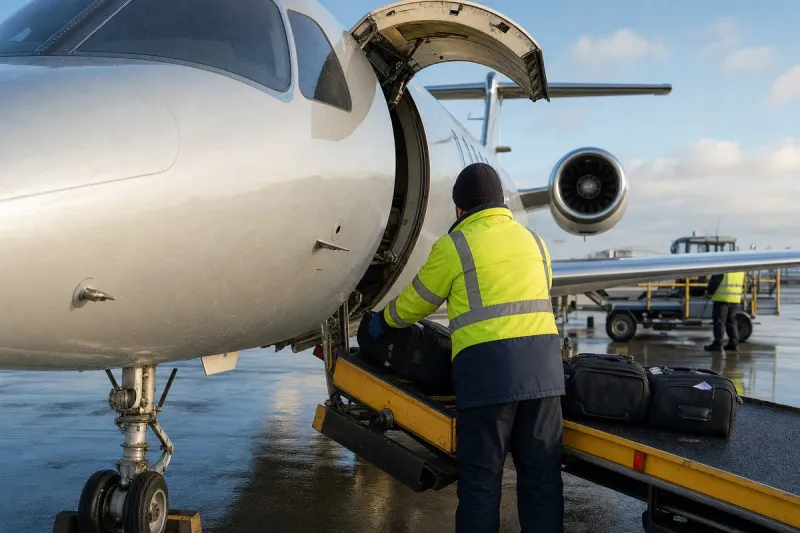
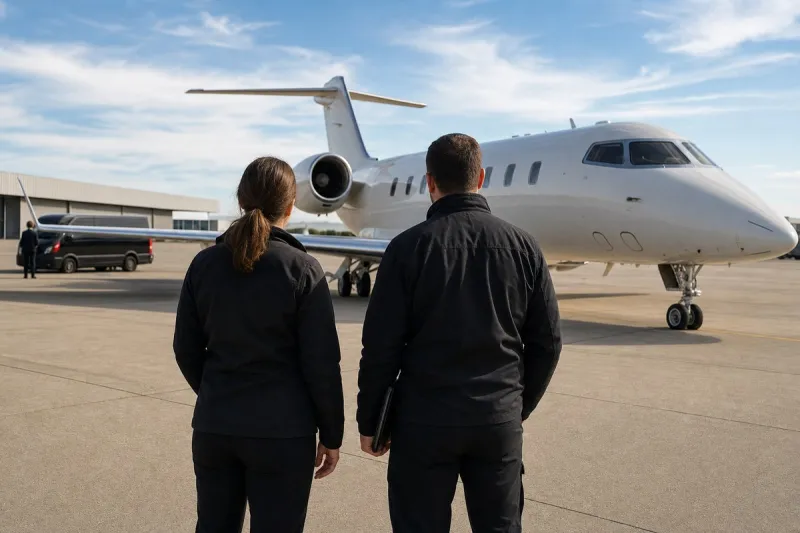
Patrick Stakausky, airside operations manager for Jacksonville International Airport, said the airport handled approximately 900 general aviation aircraft and 4,500 to 4,600 passengers through customs in 2025. He noted that most of those passengers arrived from the Caribbean, though travelers from Europe, Asia, and other regions are also processed at the airport, and that some aircraft use Jacksonville as a customs stop before continuing to another U.S. city. CBP Area Port Director Jennifer Bradshaw noted that the facility can accommodate dozens but not hundreds of passengers at a time, and that large group travelers such as the NFL's Jacksonville Jaguars, who travel to London for overseas games, will still be processed through the main terminal.
Industry impact & what to watch
This is a familiar move among mid-size airports competing for corporate and charter traffic: pairing runway and hangar capacity with a dedicated customs path, since clearing international arrivals through a commercial terminal gate creates delays that business aviation operators actively route around. Stakausky's comment that some executive aircraft had previously avoided the airport over the inconvenience of clearing customs at the main terminal is the clearest evidence of that dynamic playing out at Jacksonville specifically.
Federal Inspection Services capacity is also a scarce, discrete resource — Bradshaw's note that the new facility handles dozens rather than hundreds of passengers at a time defines its ceiling, and explains why large delegations like the Jaguars' travel party still route through the main terminal rather than the new building. That split-by-volume model, not a wholesale replacement of Gate C5, is what other airports weighing a similar investment will be measuring against their own general aviation traffic counts.
What happens to Jacksonville's general aviation volumes over the next full year after opening will be the real test of whether the facility shifts operator routing decisions, given the roughly 900 aircraft and 4,500 to 4,600 passengers the airport processed in 2025 under the old arrangement.