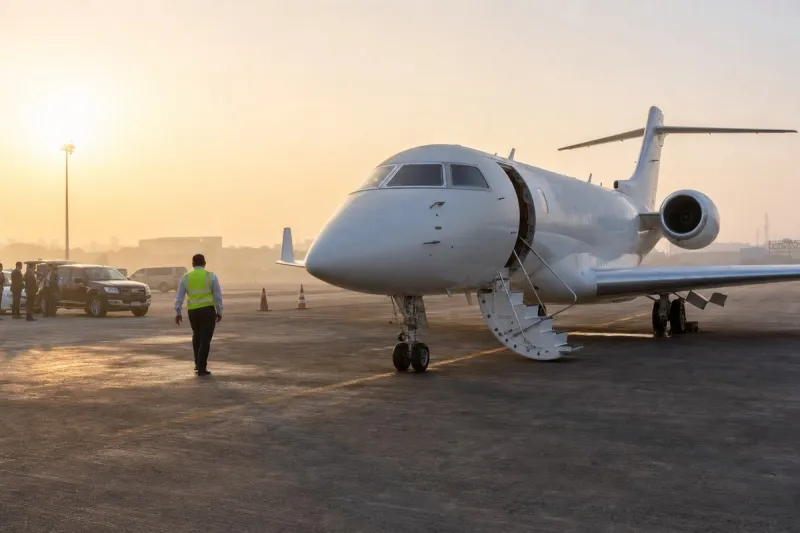
Sussex County Airport to Require 24-Hour Advance Notice for Aircraft Over 12,500 Pounds During Taxiway Construction
Why It MattersConstruction-driven access restrictions show how airports balance minority heavy-traffic segments against contractor safety needs without shutting down operations entirely.
What happened
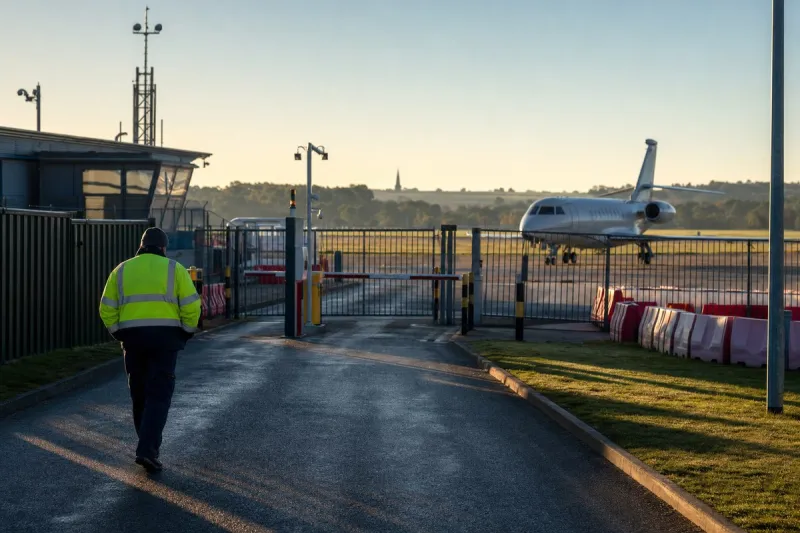
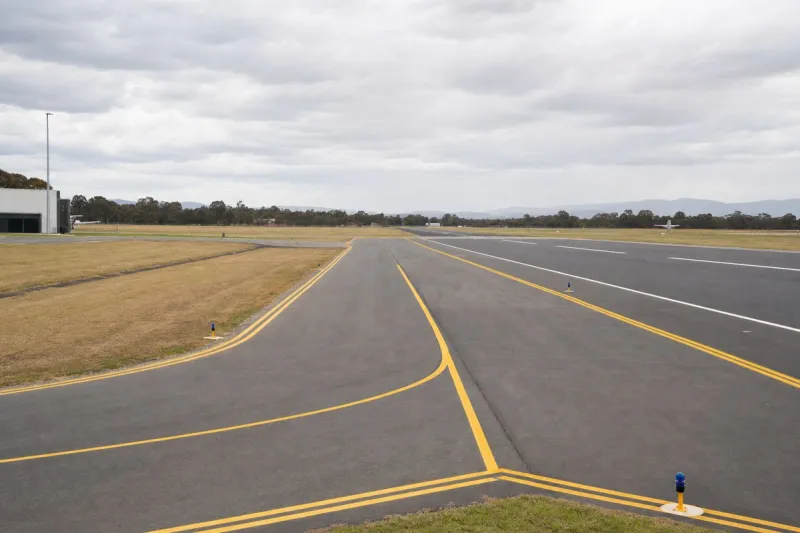
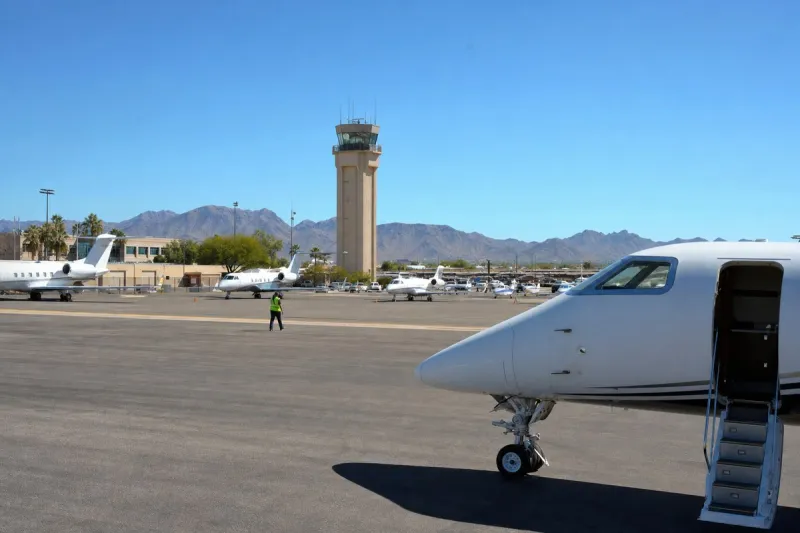
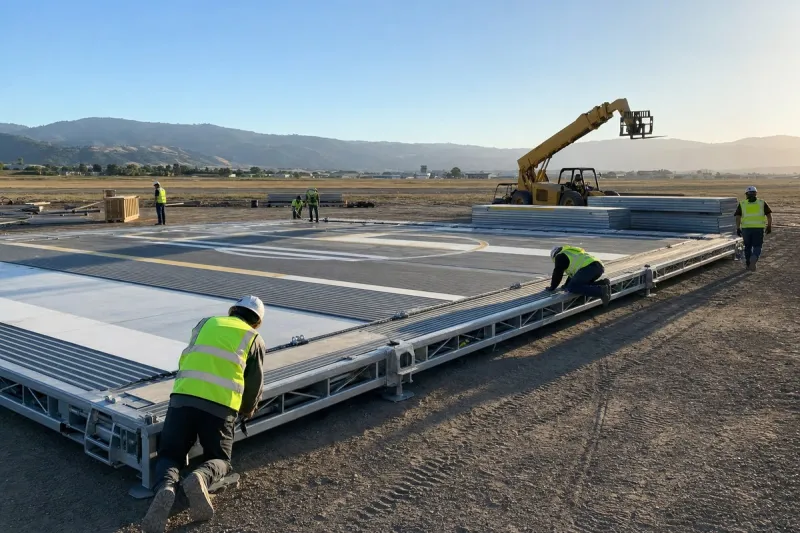
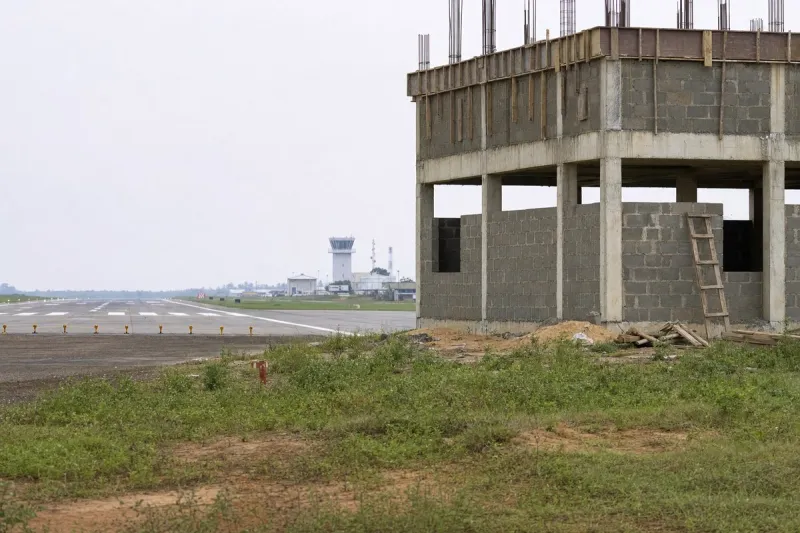
Sussex County Airport will soon require aircraft weighing more than 12,500 pounds to submit a request at least 24 hours in advance before using the airport's current runway. The restriction stems from construction crews working on part of the tarmac as part of the ongoing Taxiway B project.
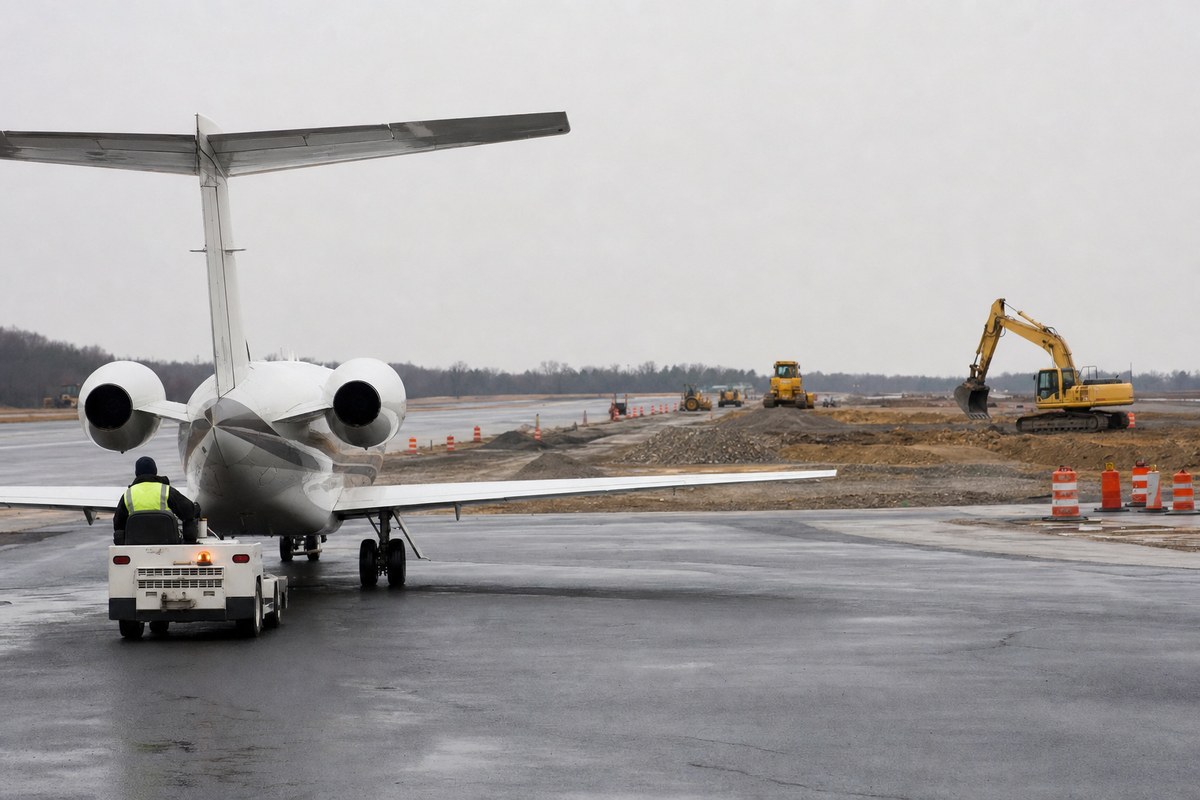
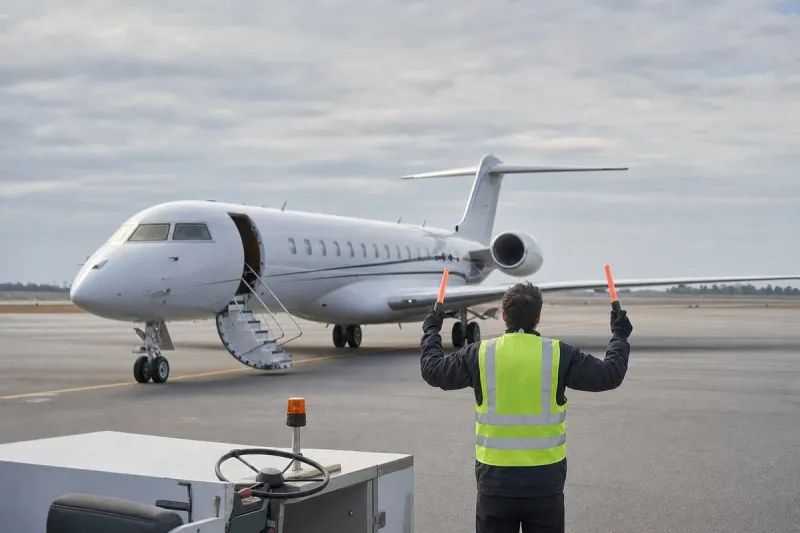
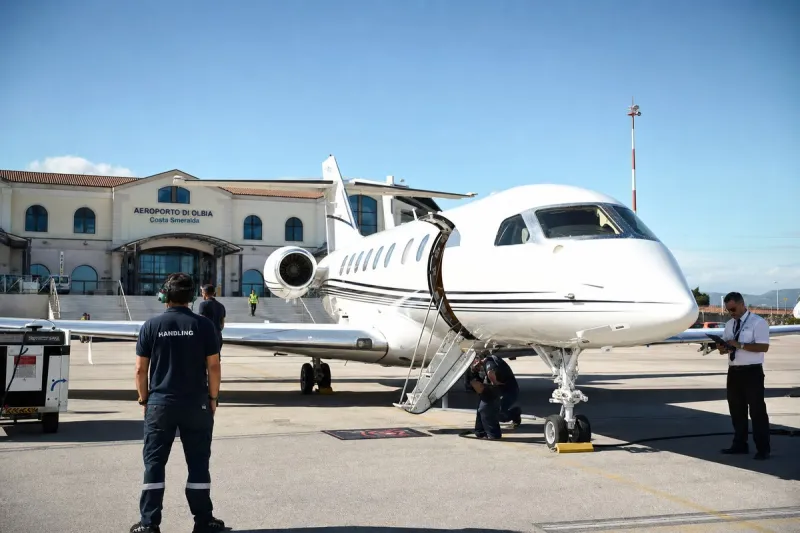
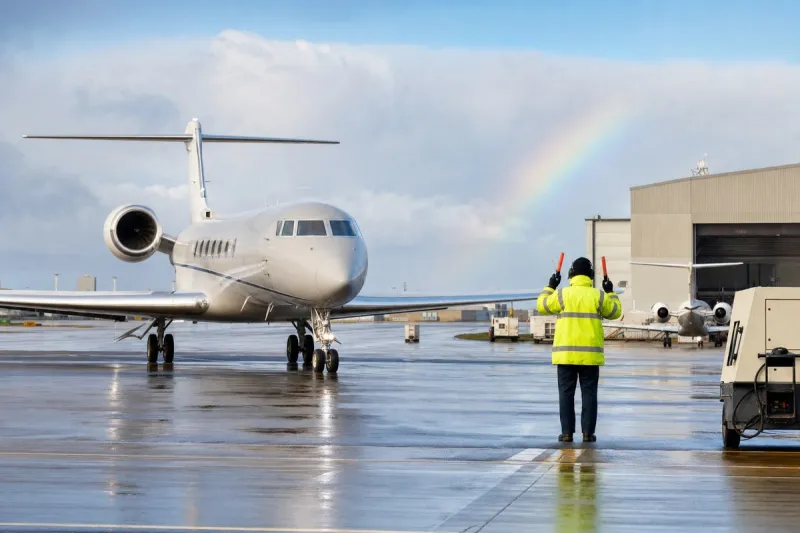
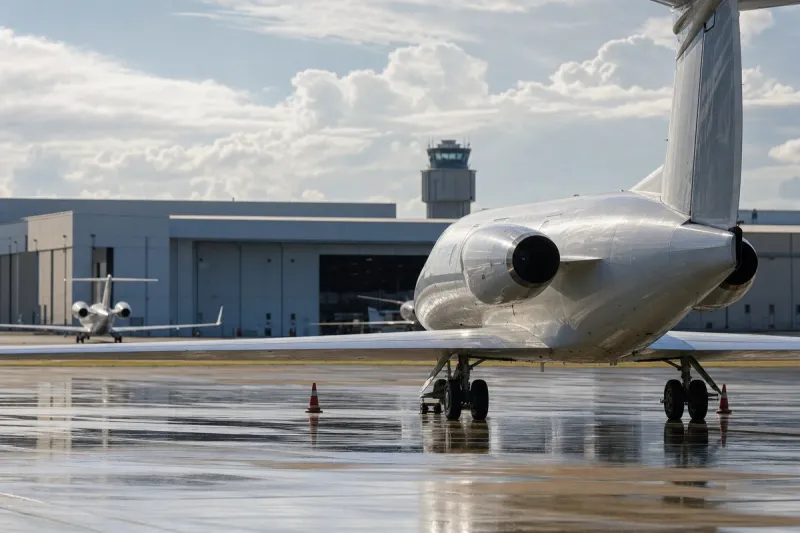
Airport Manager Robert Bryant said he will personally handle many of the advance requests, noting that day-before notices will directly determine the following day's work schedule. "We can't be wasting an hour pulling men and equipment back, only to send them back into the runway safety area / object free area, only to have to pull them back 20 minutes later," Bryant said. He told Sussex County Council that the rule will primarily affect larger turboprop aircraft such as King Airs and corporate jets, and that heavier aircraft account for roughly 10% of the airport's total traffic.
Aircraft weighing less than 12,500 pounds will retain unrestricted runway access and will not require construction crews to clear the area. The Taxiway B project is already underway, is expected to be completed by 2028, and will cost Sussex County more than $12 million.
Industry impact & what to watch
Construction-phase access rules like this one are a routine feature of airport capital projects: rather than closing a field outright, managers carve out a weight threshold that isolates the traffic segment most likely to conflict with crews near the runway safety area. Here that threshold falls at 12,500 pounds, catching King Airs and corporate jets while leaving the roughly 90% of lighter traffic untouched.
The mechanism depends on coordination discipline: Bryant's 24-hour notice window exists specifically so crews are not pulled off the tarmac and sent back repeatedly, which he frames as the real operational cost of a mismatch between flight requests and work scheduling. That points to advance planning by operators, not runway capacity, as the binding constraint for heavier aircraft through the life of the project.
What happens next depends on how Bryant's office manages the daily request volume once the rule takes effect, and whether the pace of the Taxiway B work holds through its 2028 completion target given the project's more than $12 million cost to the county.