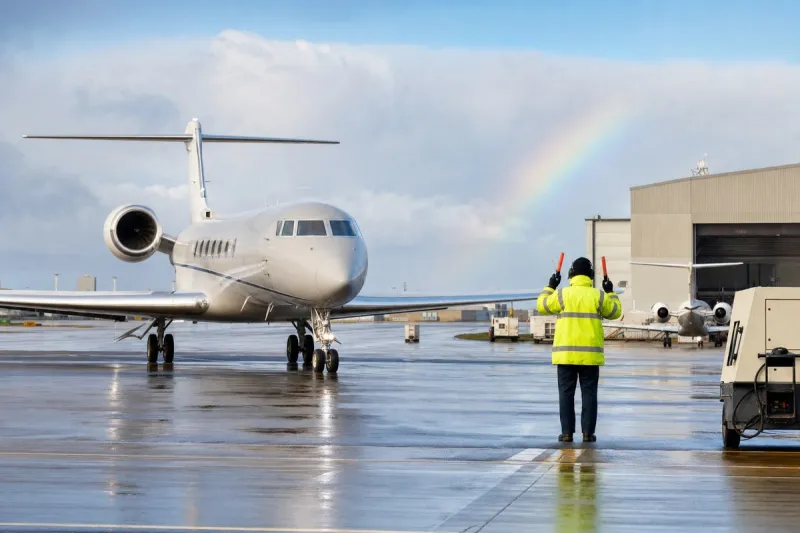
Lightning Strike on Air Traffic Control Systems Shuts London Luton Airport for 95 Minutes
Why It MattersWeather-triggered infrastructure outages show how a single lightning strike on radar and communications systems can cascade into diversions and congestion across an entire regional air traffic network.
What happened
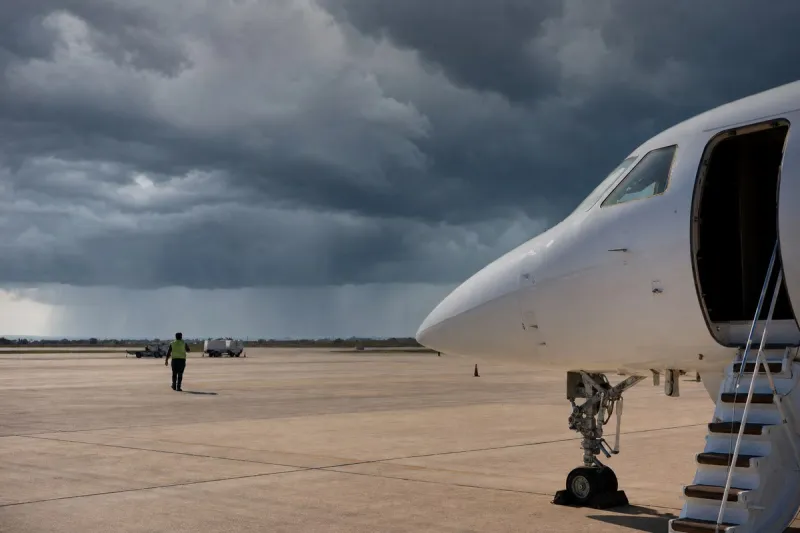
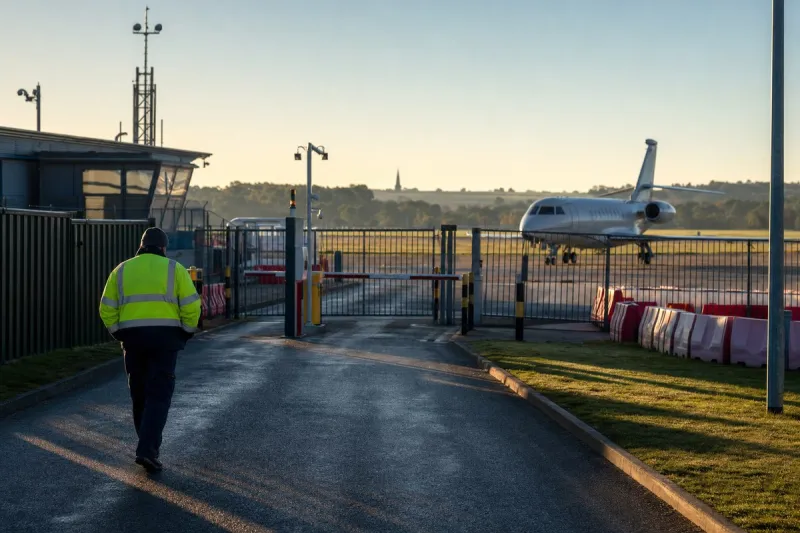
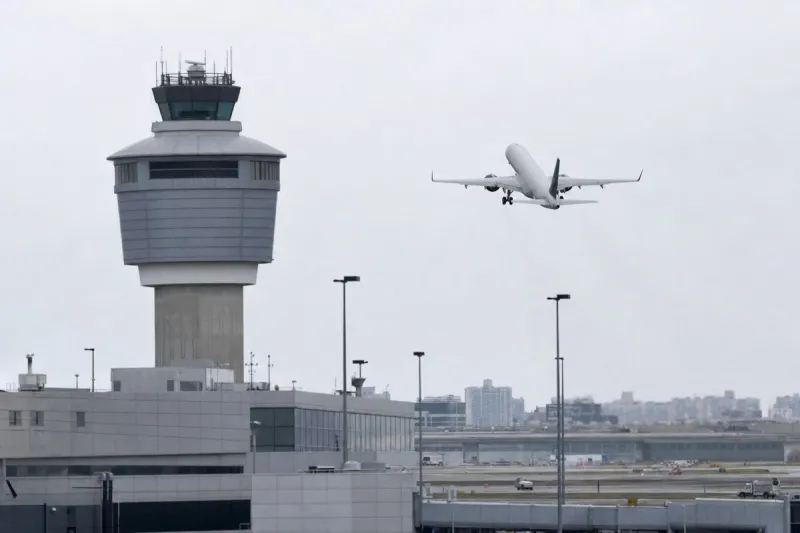
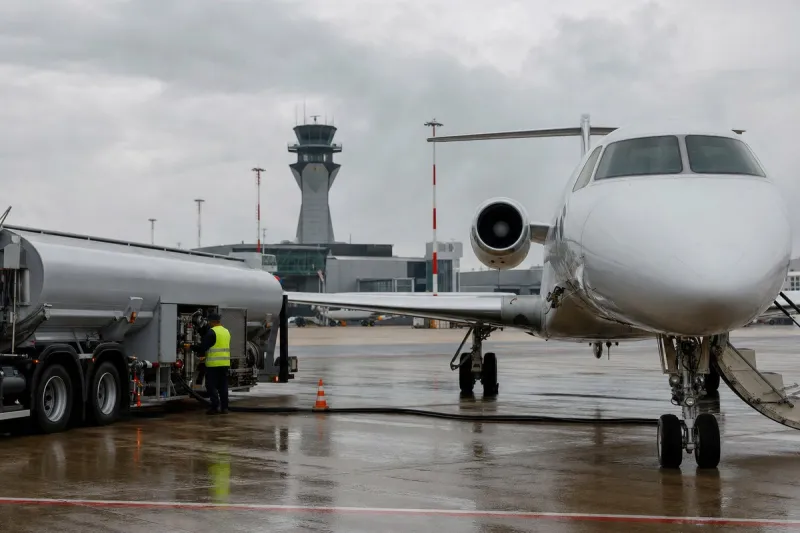
Operations at London Luton Airport halted at approximately 17:40 BST on 27 August 2026 after a lightning strike hit air traffic control equipment as thunderstorms moved across Bedfordshire. The suspension lasted approximately 95 minutes, disrupting around 30 flight services and forcing dozens of diversions, cancellations and delays.
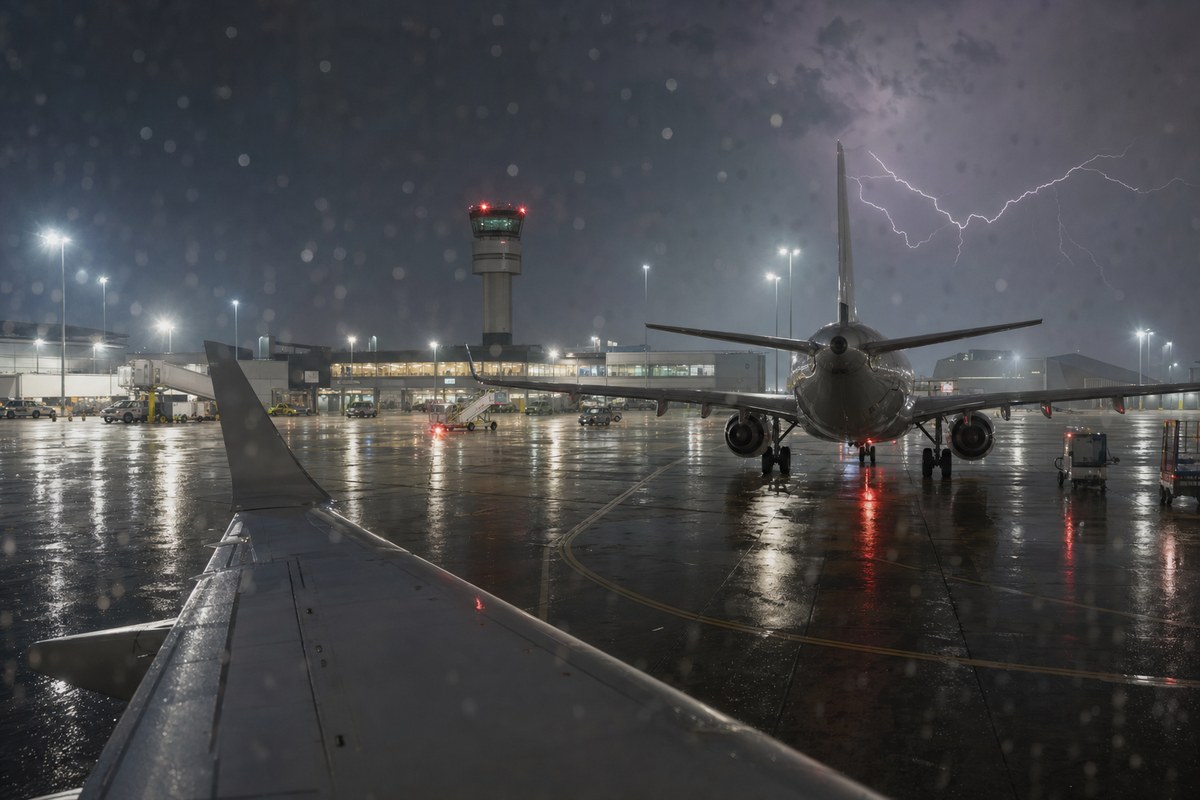
The outage affected radar, communications and power infrastructure, requiring controllers to suspend all movements until redundant systems could be verified as fully operational. Flights already airborne and entering holding patterns were diverted to Gatwick, Stansted and East Midlands, or returned to their points of origin. Wizz Air flights from Turin and Prague were reported among those diverted. Operations formally resumed shortly after 19:15 BST, but aircraft and crew still had to be repositioned, so delays and schedule changes continued late into the night.
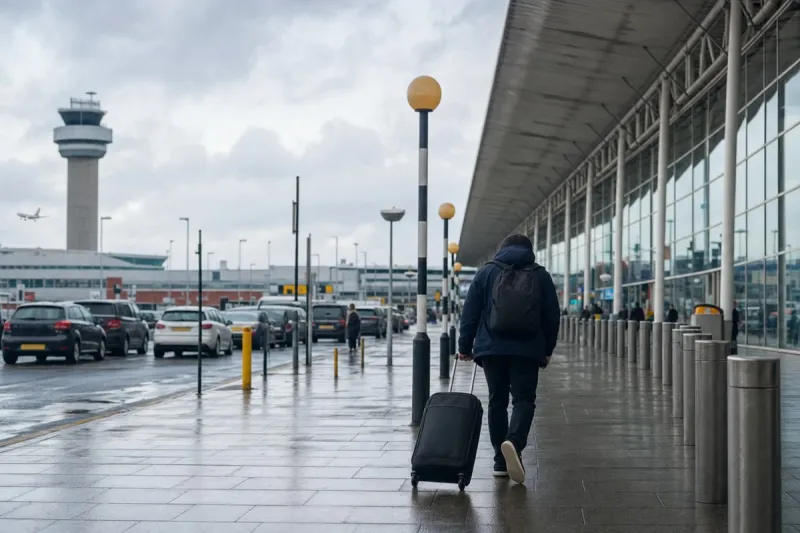
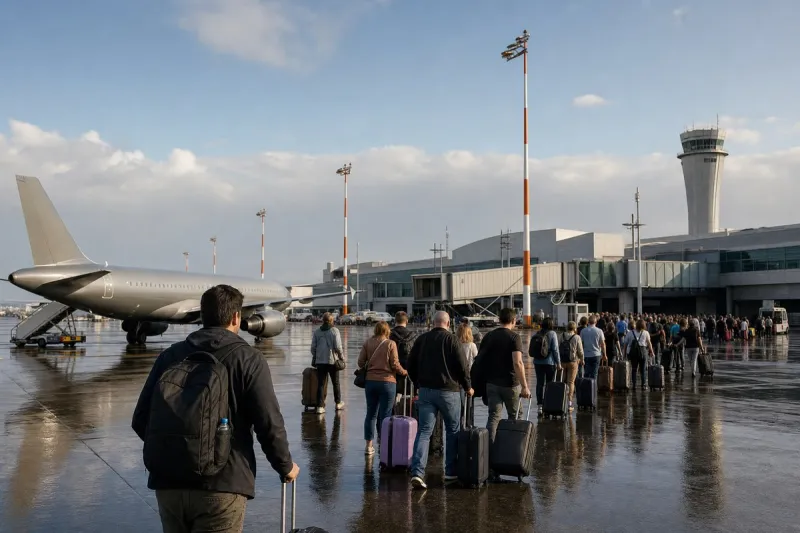
The disruption coincided with heavy rain and flash flooding on local roads, complicating access to the terminal. Passengers were stranded both inside Luton's terminal and at diversion airports, with some requiring onward ground transport at short notice. Indirect knock-on effects were also reported at Heathrow and Gatwick as congestion spread across the London air traffic system.
What the guidance says
The UK Civil Aviation Authority's guidance states that airlines must still provide care and assistance — including meals, refreshments and accommodation where necessary — to affected passengers, even when disruption results from extraordinary circumstances such as severe weather. Passengers whose flights were cancelled or significantly delayed are entitled to a refund or re-routing at the earliest opportunity.
Industry impact & what to watch
A direct lightning strike on air traffic control electronics forces a mandatory pause while redundant systems are verified, and that verification window — cited here as consistent with standard safety checks — is what turns a localised weather event into a multi-hour operational disruption. The 95-minute suspension at a single airport rippled outward through diversions to Gatwick, Stansted and East Midlands, and produced congestion as far as Heathrow, illustrating how tightly coupled the London airspace system is even when only one facility loses capability.
Recovery costs more time than the outage itself: once Luton resumed operations, repositioning aircraft and crews extended delays and schedule changes well into the night, a pattern typical of any stoppage that displaces multiple aircraft from their planned rotations simultaneously. Passenger-facing obligations under the Civil Aviation Authority's rules — care, assistance and re-routing — apply regardless of the weather-related cause, separating the airlines' duty of care from any question of fault for the disruption itself.
Whether Luton or other affected carriers disclose the full scale of cancellations versus delays, and how long the knock-on congestion at Heathrow and Gatwick persists, will determine how far this single strike's effects extend across the wider London network.