Two LaGuardia Air Traffic Controllers Left Shifts Early Before Deadly Air Canada Runway Crash, Source Says
Why It MattersThe staffing gap shows how a single early departure from a control tower can strip backup capacity precisely when traffic surges and an unrelated ground emergency compete for controllers' attention.
What happened
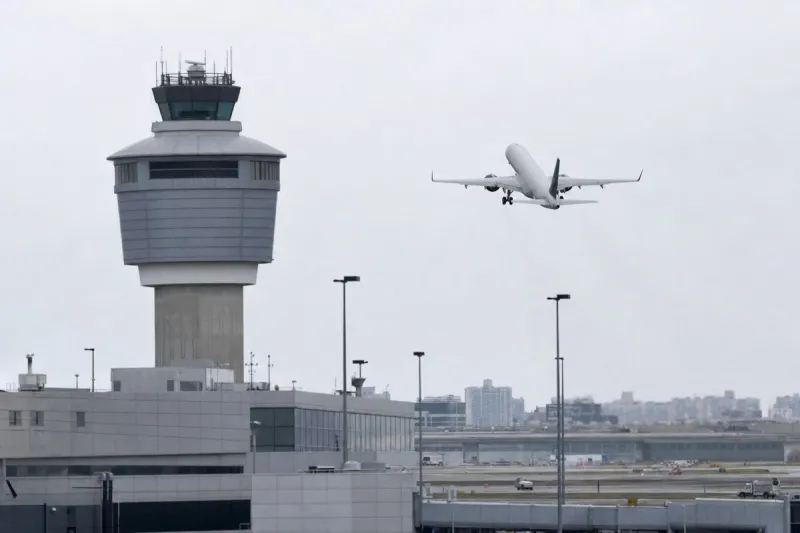
Two air traffic controllers at LaGuardia Airport left work approximately one hour before the end of their scheduled shifts on the night of March 22, 2026, a government official told The Associated Press on Friday. The official spoke on condition of anonymity, saying they were not authorized to publicly discuss the matter during the ongoing investigation.
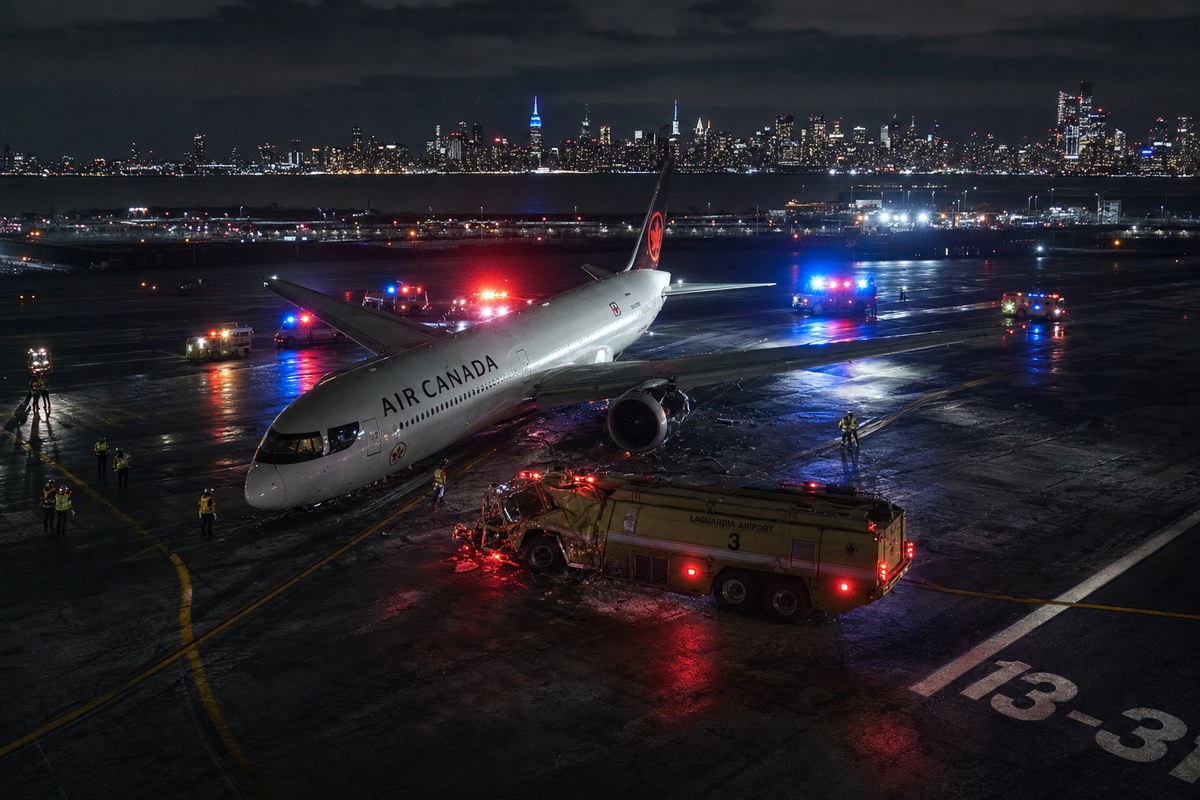
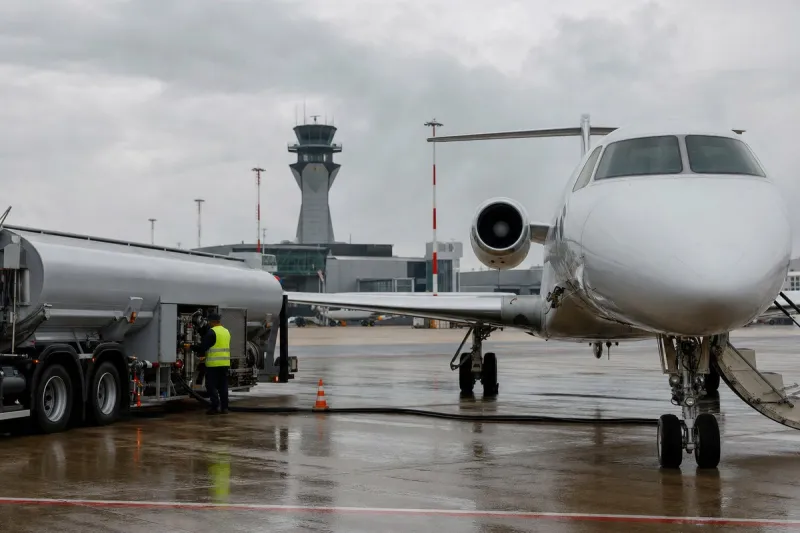
Because the two controllers departed early, only two people remained in the tower to manage an unusual surge of flights while also responding to a separate emergency involving another aircraft on the ground. Had the two controllers stayed through their scheduled shifts, which extended past the time of the crash, they could have provided critical backup during the period of heightened activity, the official said. That night, an Air Canada jet collided with a Port Authority aircraft rescue and firefighting vehicle on the runway.
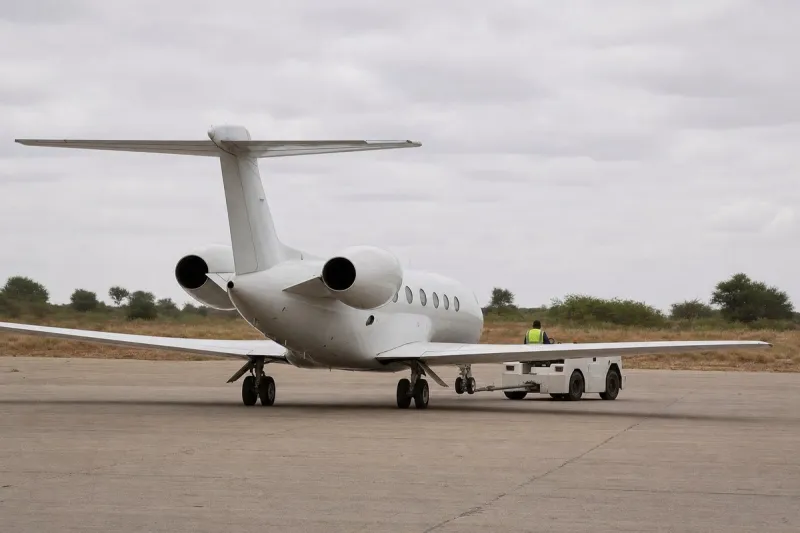
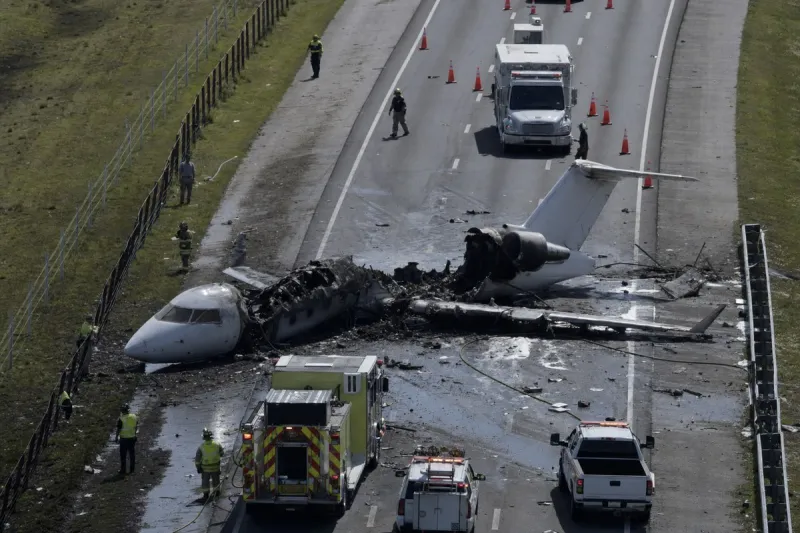
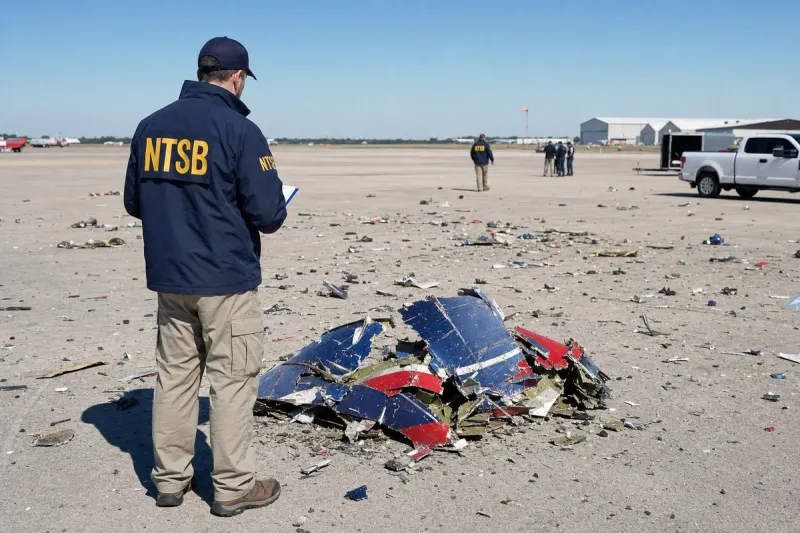
The Federal Aviation Administration is pursuing disciplinary action against the two controllers, up to and including termination, the official said. Photographs taken at LaGuardia the following day, March 23, showed the Air Canada jet on the runway where it came to rest after the collision. The National Air Traffic Controllers Association said in a statement that the union "is actively discussing these allegations with FAA leadership." The NTSB is conducting the formal investigation into the March 22 crash.
Industry impact & what to watch
Staffing gaps in control towers during surges of traffic are a recurring theme in runway-safety incidents, and this case adds a specific detail: two controllers leaving before their shift ended left only two people to cover both elevated flight volume and a concurrent ground emergency. Tower staffing plans are built around scheduled shift coverage precisely because simultaneous events — a traffic surge plus an unrelated emergency — can overwhelm a reduced crew faster than either event alone would.
The FAA's pursuit of disciplinary action against the two controllers signals that staffing conduct, not just procedure or equipment, is part of what investigators and the agency are examining. NATCA's statement that it is discussing the allegations with FAA leadership indicates the union disputes or is testing how responsibility is framed before any findings are final.
The NTSB's formal investigation remains the venue where the sequence of events, staffing levels, and contributing factors will be authoritatively established. Until that investigation concludes, the cause of the collision itself has not been determined, and the disciplinary process against the two controllers is a separate track from the NTSB's safety findings.