UAE Intercepts Iranian Drone as Dubai Flights Face Renewed Uncertainty Following US-Iran Strikes
Why It MattersGulf carriers routinely absorb single military flare-ups by adjusting tracks and fuel margins rather than halting operations, but repeated confrontations near Hormuz gradually raise the operating cost baseline for the whole corridor.
What happened
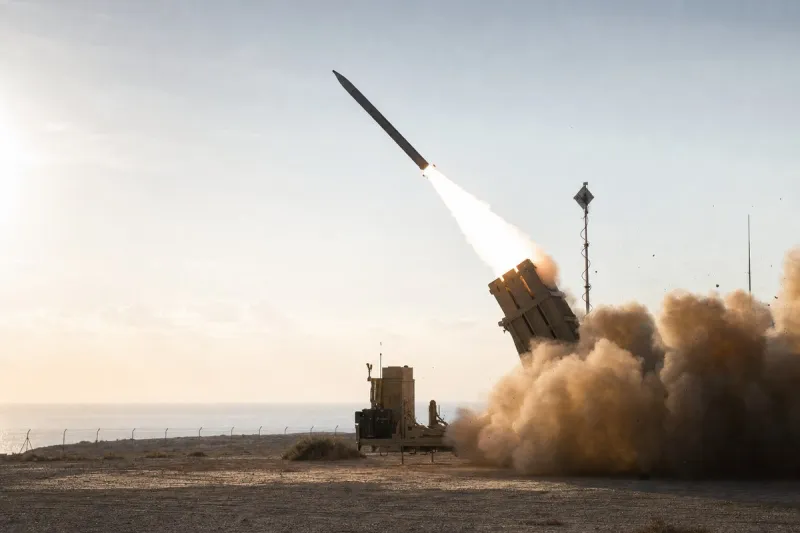
The United Arab Emirates intercepted an Iranian drone over its territorial waters on Monday, August 31, 2026, the UAE Defense Ministry said, adding that its forces had "dealt with" the unmanned aircraft and that no casualties or ground damage were reported. The interception came less than 24 hours after US forces struck Iranian rocket launchers positioned on an Iranian island near the Strait of Hormuz; US Central Command described the launchers as a threat because they were being prepared to fire rockets carrying sea mines into shipping lanes. Iranian state-linked outlets reported that Tehran responded by launching missiles toward US-linked sites in Jordan, which were intercepted. The exchange marks the first significant US-Iran military confrontation in approximately one month.
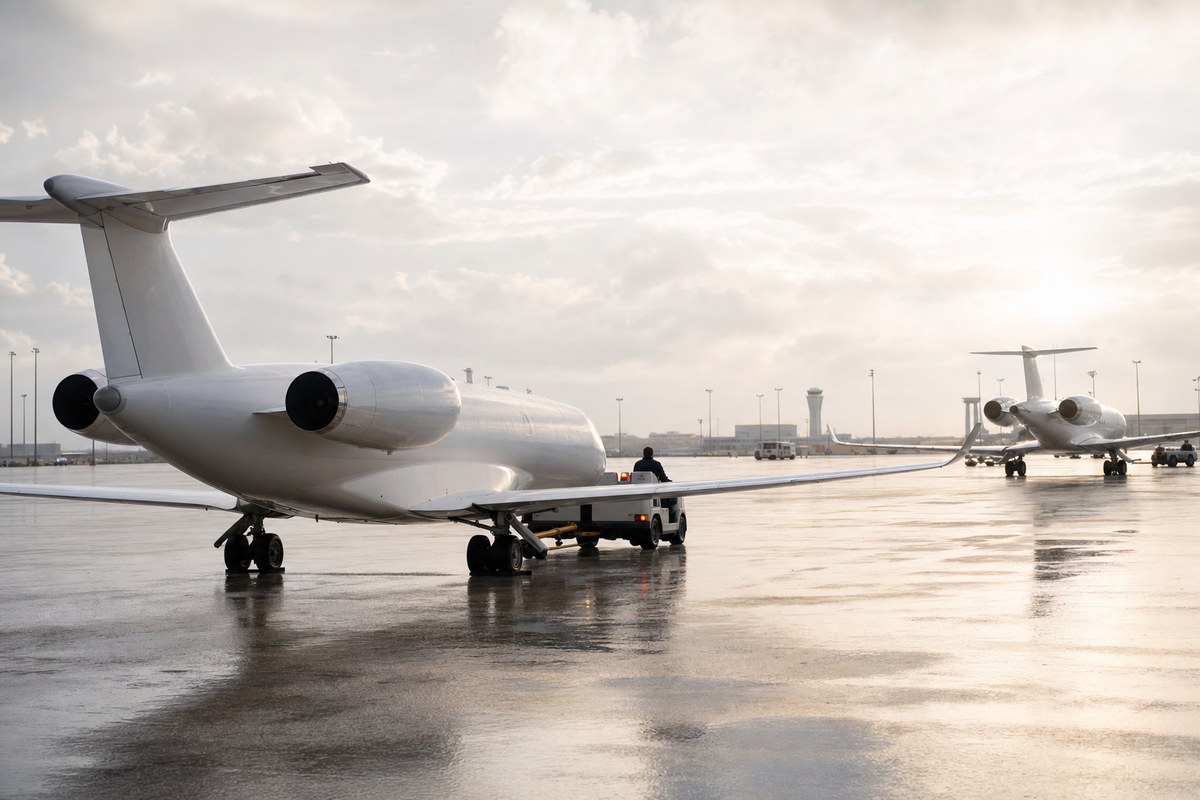
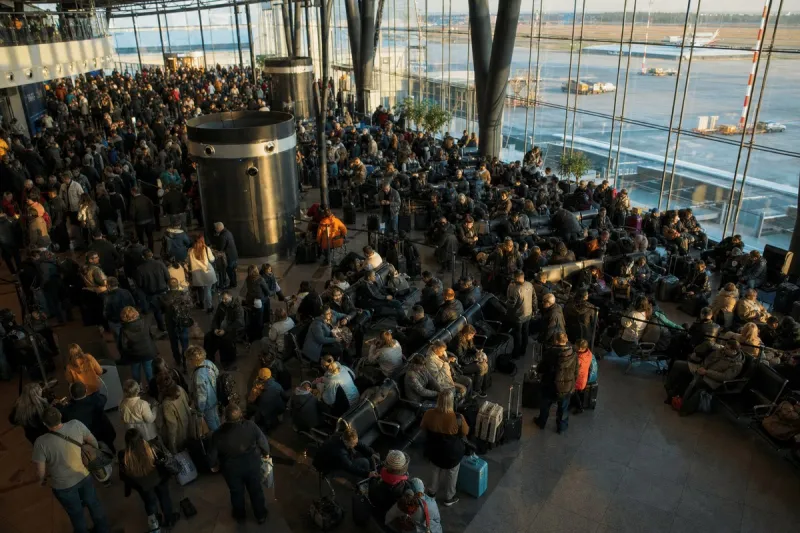
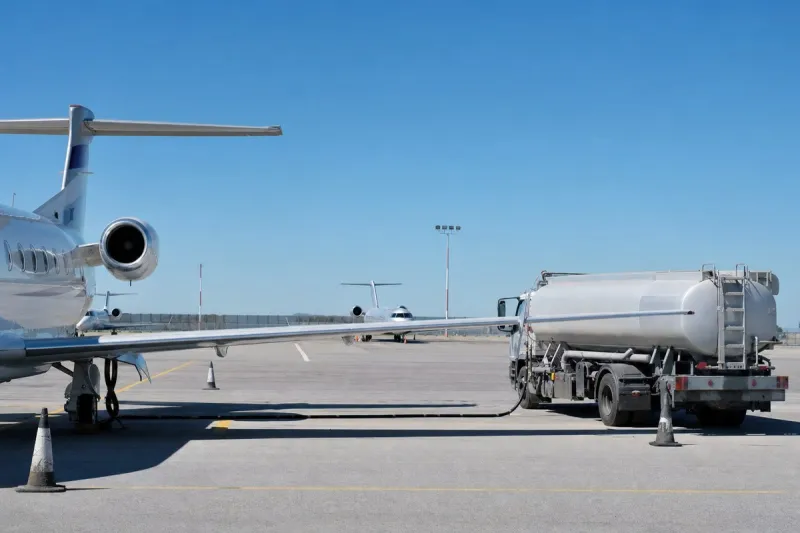
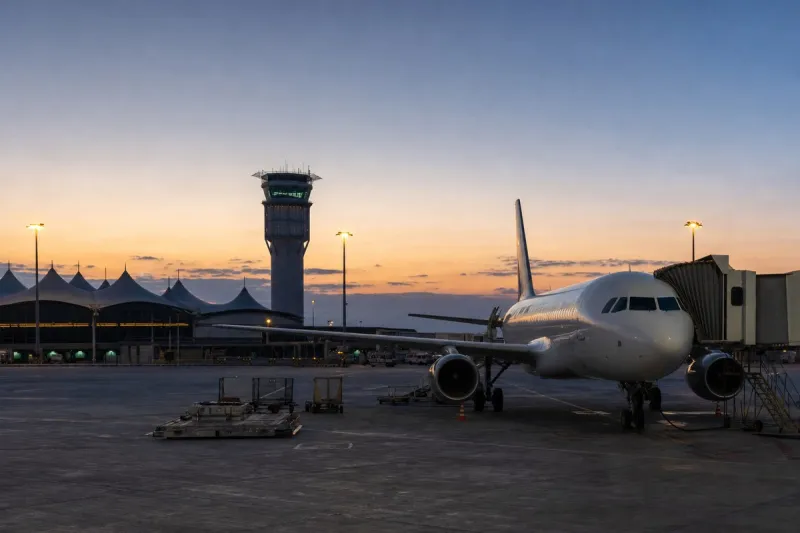
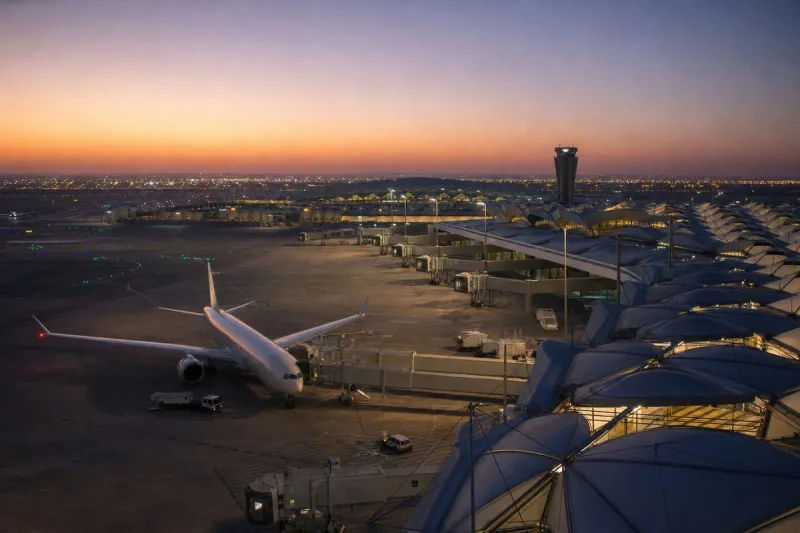
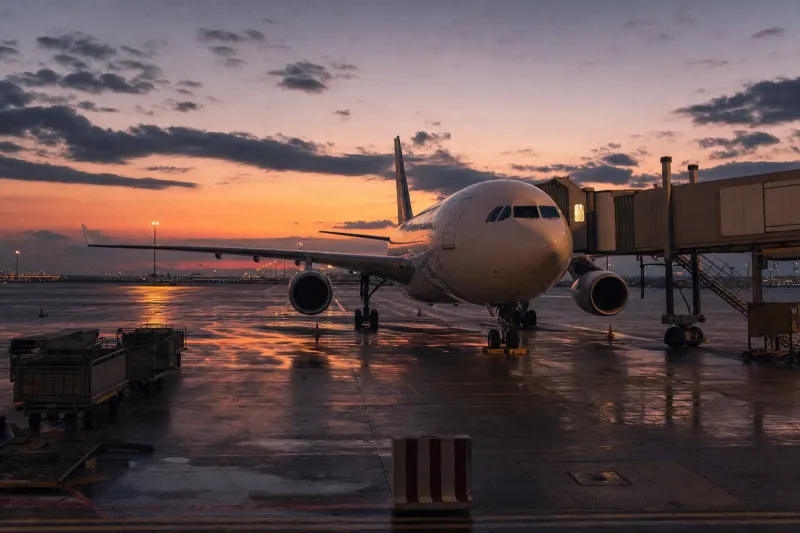
Dubai International Airport and Dubai World Central remained open and operational despite the incident, with scheduled services largely maintained and no widespread cancellations immediately reported. Carriers have been reassessing routings over and near the Strait of Hormuz in response to shifting risk assessments, and aviation analysts noted that airlines are likely to build in additional fuel and time margins in coming days, potentially resulting in modestly longer flight times and less direct tracks over the Arabian Sea or Saudi Arabia.
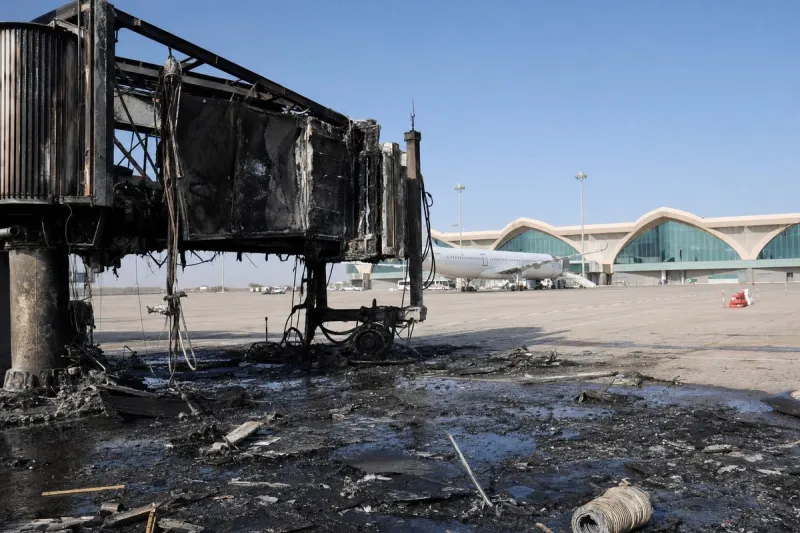
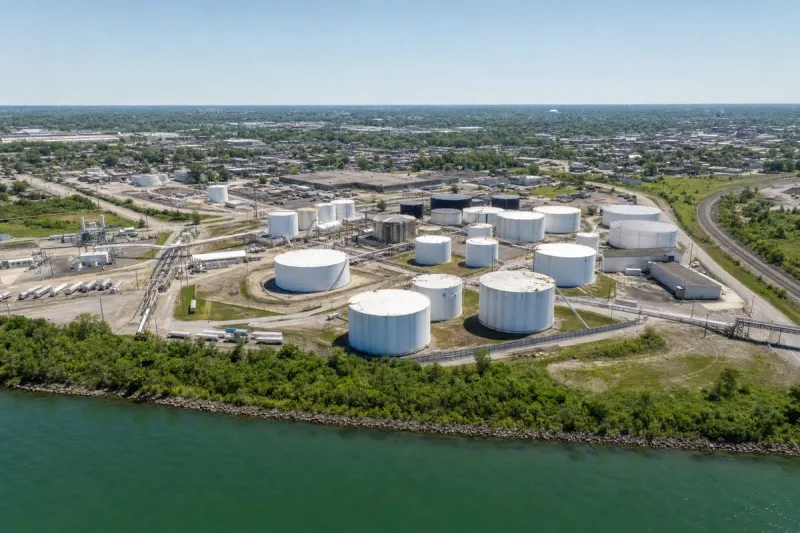
The interception follows an earlier episode in 2026 when a wave of Iranian missiles and drones targeted UAE infrastructure, with at least one drone igniting a fuel tank fire near Dubai International Airport and causing a temporary suspension of flights. Since that period, UAE investments in layered air and missile defense systems have been credited with preventing more serious damage from subsequent attacks.
Industry impact & what to watch
Single interception events of this kind tend to be absorbed operationally: airports stay open, schedules hold, and airlines lean on routing and fuel-margin adjustments rather than halting service outright. That is the posture Dubai's two airports took here, and it reflects how the region's defense buildup since the earlier 2026 attack wave has changed the calculus for keeping airspace open through isolated incidents.
The broader Gulf corridor, used by carriers based in Qatar, Saudi Arabia, Oman and Bahrain alongside numerous European and Asian airlines, faces potential route extensions and higher fuel costs if military activity near the Strait of Hormuz intensifies further. No airspace closures appear imminent, but the return to active exchanges of fire between the US and Iran keeps route planning and risk assessment in a state of continuous revision rather than a settled baseline.
What happens next will hinge on whether this remains an isolated exchange or the start of a renewed cycle of strikes and intercepts. The next marker to watch is whether carriers formally alter published routings over the Arabian Sea or Saudi Arabia, which would signal that risk assessments have shifted from precautionary to structural.