NBAA Webinar: Flight Operations and Security Teams Must Collaborate for Safe Business Aviation
Why It MattersThe panel's emphasis on shared platforms and joint exercises signals that business aviation security is shifting from ad hoc vendor vetting toward standing, pre-planned coordination structures.
What happened
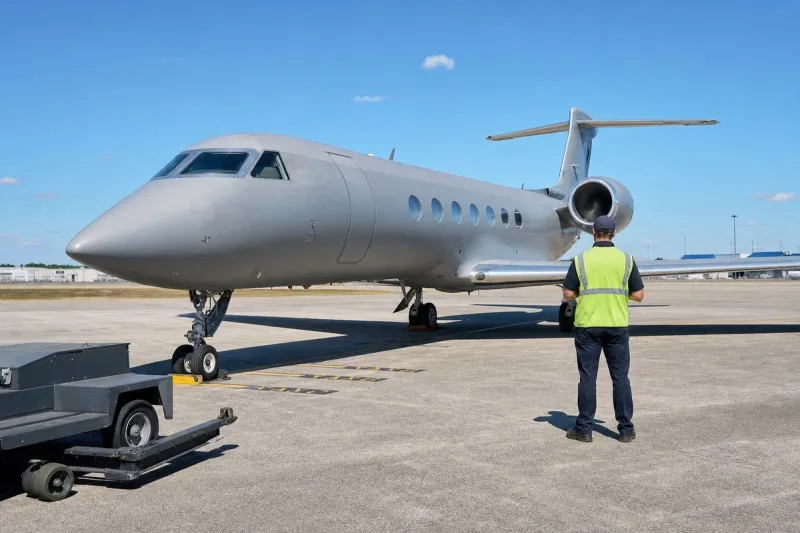
Flight departments and corporate security teams must work closely together to protect personnel, assets and missions in business aviation operations, panelists said during an Aug. 27 NBAA News Hour webinar titled "Flight Operations, Company Security and Protection of Key Employees: A Unified Approach." NBAA Security Council members stressed that coordination must begin well before an aircraft departs.
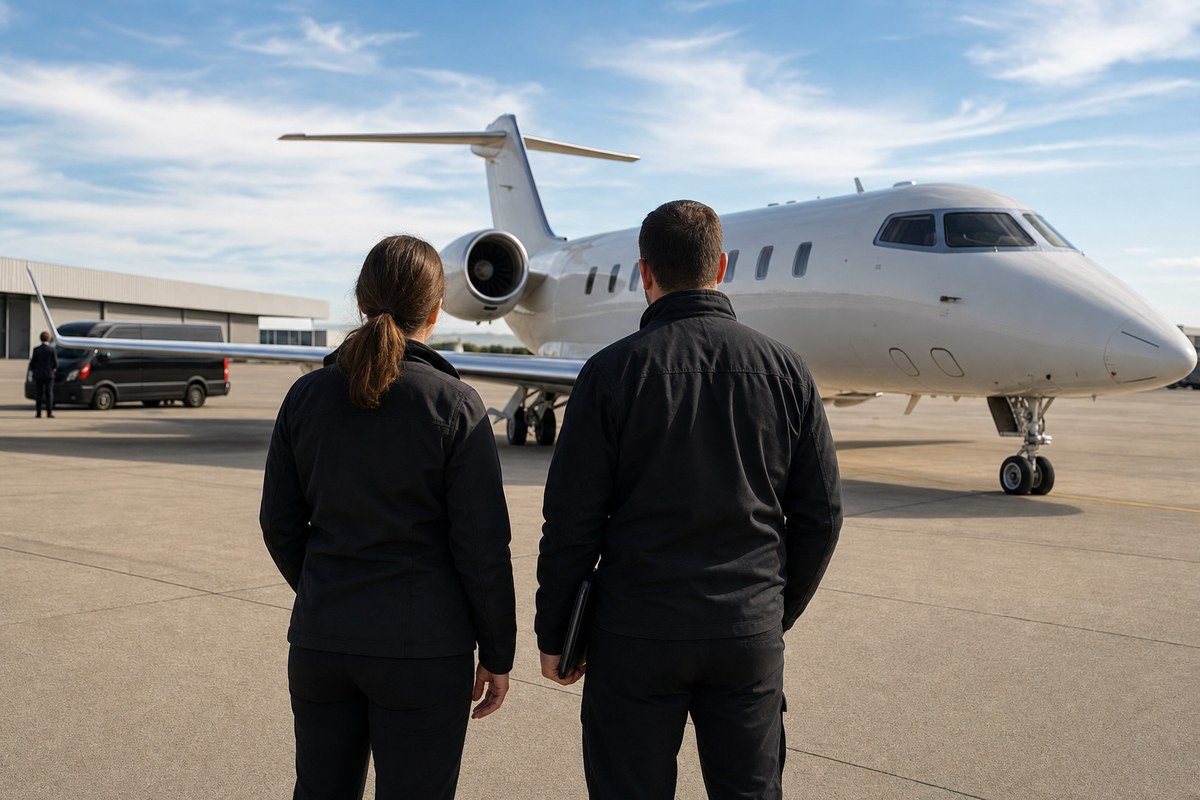
Tracie Carwile, vice president of global sales for GGT WorldWise, said "Security works best when everyone agrees it's enabling the mission." Robert Pocica, practice area lead for Corporate Security Advisors, said "If something happens after you're airborne, it really is the flight ops team that needs to take the lead," addressing the need for clearly defined decision-making authority once airborne. Matt Burdette, GGT WorldWise director for global intelligence and compliance, said a shared communications platform is essential for distributing threat intelligence to all stakeholders before and during a trip, and that thorough vetting of transportation providers, FBOs, hotels and other vendors is required.
Greg Kulis, CAM Fellow and founder of Business Aviation Safety and Security, urged international operators to consult U.S. embassies, regional security officers and the U.S. State Department's Smart Traveler Enrollment Program. He called for joint emergency response plans with clearly identified roles, backup contacts and required actions, and stressed regular exercises that include third-party providers and account for personnel changes, contingency contracts and evacuation needs. Adam Hartley, CEO of The Regulatory Toolbox and webinar moderator, summarized the session: "Security and flight operations are strongest when they plan together and communicate ahead of time, not just when something goes wrong."
The discussion is set to continue at the 2026 NBAA Business Aviation Convention & Exhibition (NBAA-BACE), scheduled for Oct. 20-22 in Las Vegas, with sessions covering cybersecurity threats to business aviation and security decision-making in conflict-zone operations.
Industry impact & what to watch
The webinar's core theme, that security functions best when treated as integral to mission planning rather than bolted on after a threat emerges, reflects a broader push within business aviation to formalize coordination between flight crews and security personnel. Panelists framed this not as a new requirement but as a discipline that depends on shared platforms, defined authority and rehearsed procedures rather than one-off vendor checks.
In practice, this segment of corporate and business aviation security has relied heavily on individual operators building their own relationships with embassies, regional security officers and vendor networks, with consistency varying by company size and international exposure. The call for joint emergency response plans, backup contacts and exercises that include third-party providers points to gaps that arise when personnel change or contingency arrangements go untested.
The question of how these principles translate into standardized practice will likely surface at NBAA-BACE in Las Vegas from Oct. 20-22, where sessions are planned on cybersecurity threats and security decision-making in conflict-zone operations. Whether those sessions produce concrete frameworks, rather than reinforcing the same coordination themes, is the detail worth tracking.