Hungary Scrambles Saab JAS 39 Gripens After Intoxicated Man Steals Cessna 172, Flies Toward Nuclear Plant
Why It MattersThe episode underscores how small general-aviation airfields with light security can create outsized national-security exposure, pushing regulators toward broader access and oversight checks across the sector.
What happened
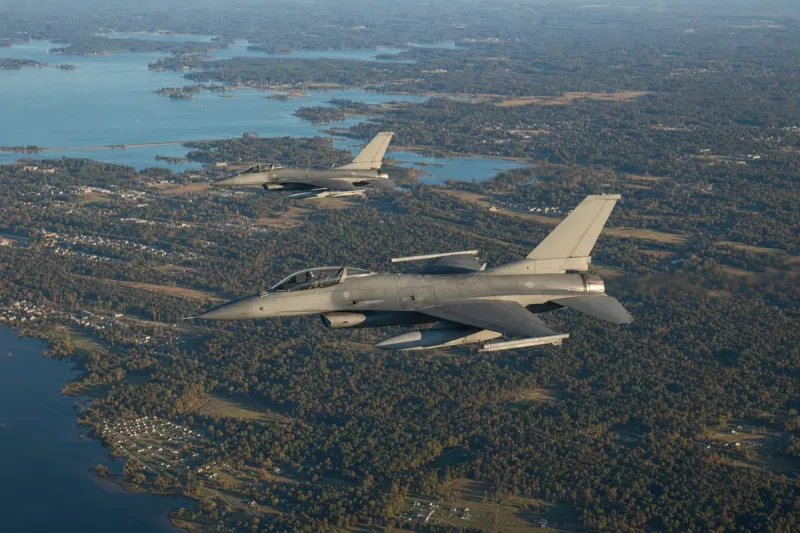
Hungarian military fighter jets were scrambled on Saturday morning after a 24-year-old man allegedly stole a Cessna 172 from an airfield in Kalocsa and flew it toward Paks, the site of Hungary's only nuclear power plant. The Hungarian Defense Ministry said military radar detected the aircraft shortly after departure, prompting the launch of two Saab JAS 39 Gripen alert fighters.
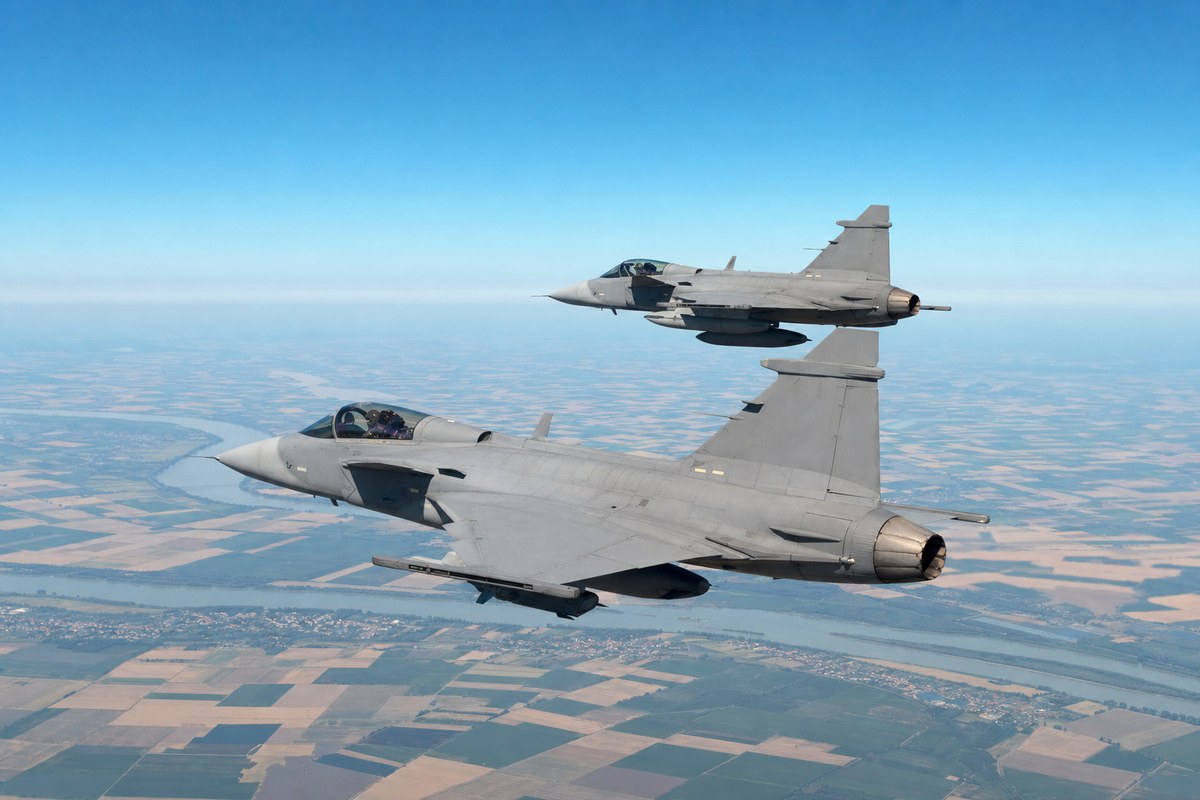
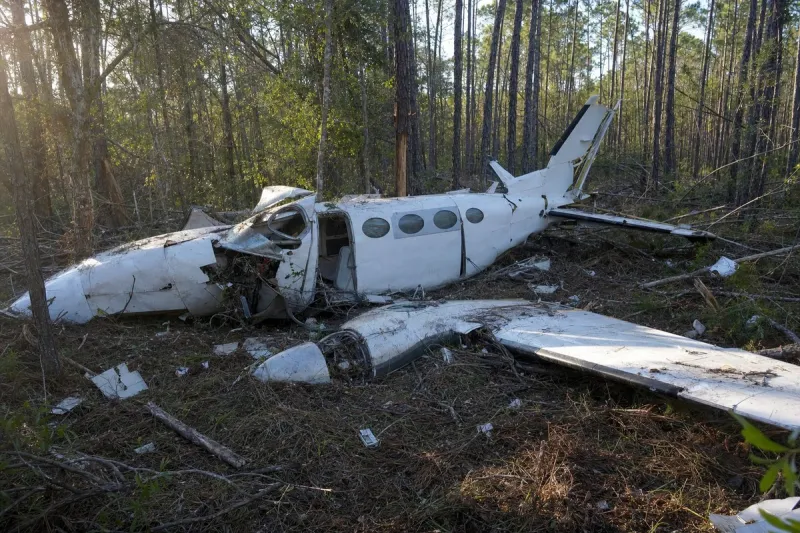
Before the jets could intercept the aircraft, the Cessna made a forced landing in a field near Gerjen. The Gripens located the damaged aircraft and stayed overhead until a rescue helicopter and ground crews arrived. Hungarian police said the pilot fled the scene on foot after landing, and a passing motorist found him walking along a nearby road in a confused state. The man got into the motorist's vehicle and tried to drive away before the owner intervened; officers detained him nearby a short time later.
Police confirmed the man was intoxicated and said investigators are determining whether he was also under the influence of other substances. Authorities have opened proceedings related to the unauthorized taking of the aircraft and other alleged offenses. Following the incident, police and Hungary's aviation authority announced a joint inspection of Kalocsa airfield, and police said similar inspections will be conducted at other airfields across the country.
Industry impact & what to watch
Unauthorized use of a light aircraft is a familiar general-aviation security gap, but this case stands out for how quickly it drew a full air-defense response near a sensitive site. It shows how a single small airfield with limited access controls can generate national airspace risk once an aircraft heads toward critical infrastructure, regardless of the pilot's intent or capability.
General-aviation fields like Kalocsa typically rely on limited on-site security, and the incident highlights the gap between how easily light aircraft can be accessed and the speed at which military assets must respond once one deviates toward a protected zone. The joint inspection ordered for Kalocsa, and the wider round of airfield checks police say will follow, will determine whether stronger physical security or procedural barriers become standard rather than optional at similar facilities.
What happens next will depend on the findings of those inspections and on the outcome of the proceedings against the pilot, which should clarify how the aircraft was accessed in the first place.