NT Police Suspend Search for Missing Pilot Bob Bramley After Aircraft Crashes into Angurugu Waters
Why It MattersFatal accidents on non-commercial repositioning flights show how gaps in scheduled charter oversight can leave search-and-recovery and cause determination to specialist marine and safety agencies well after the event.
What happened
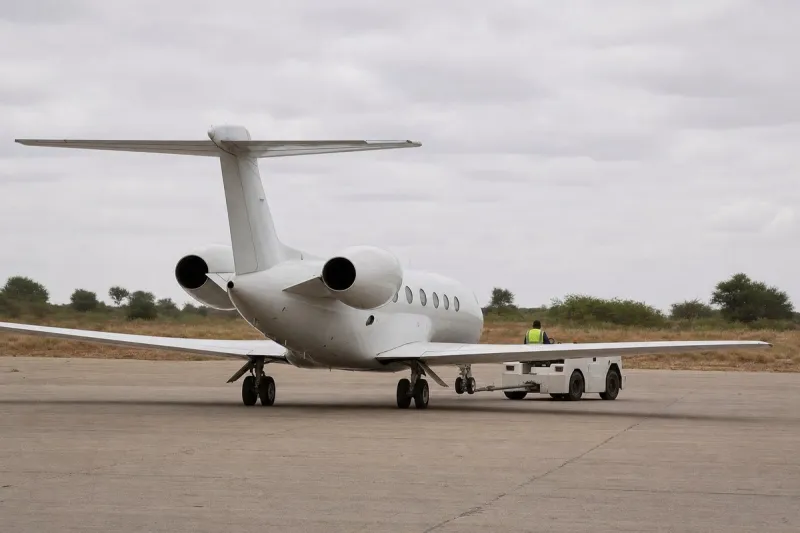
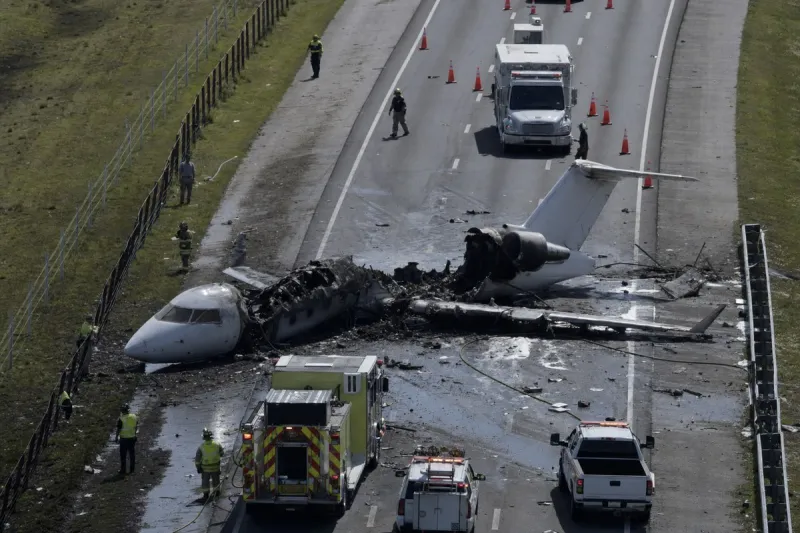
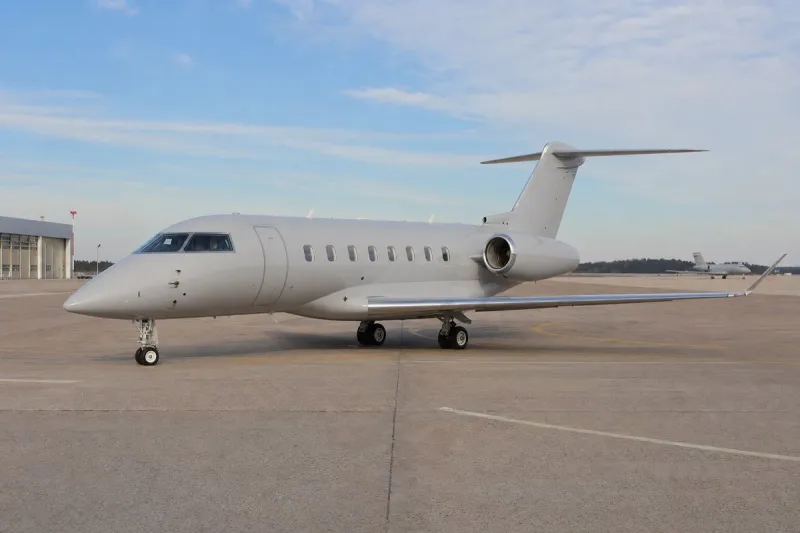
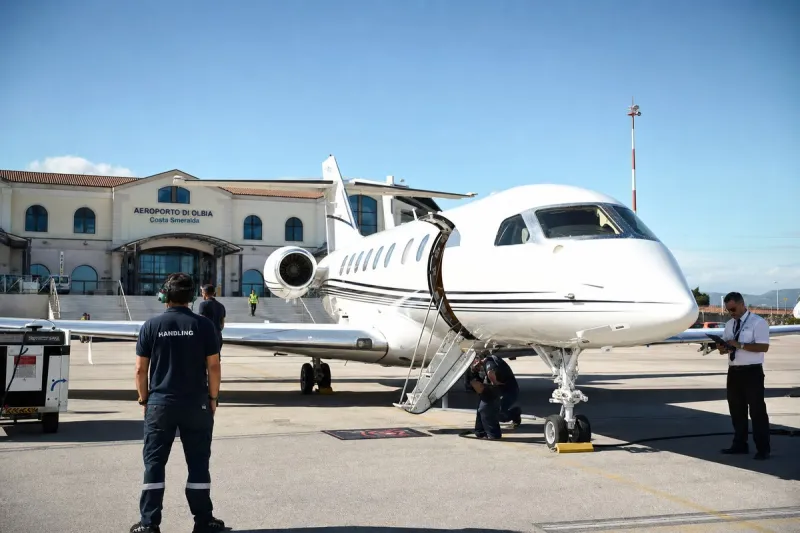
Northern Territory Police have suspended the search and recovery operation for pilot Bob Bramley, who is believed to have died after his aircraft went down in Angurugu waters on Tuesday. Bramley was the sole occupant of a small Air Frontier charter plane that crashed while he was conducting a non-commercial repositioning flight from Gove to Numbulwar.
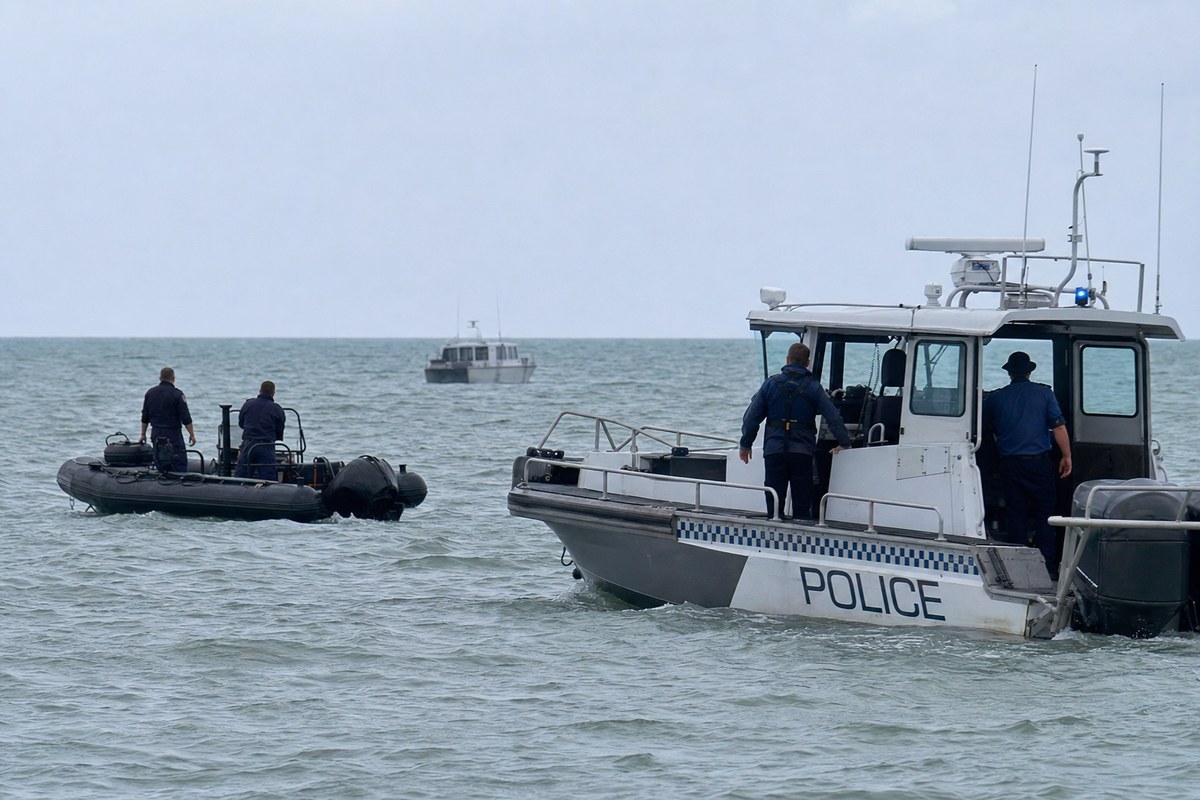
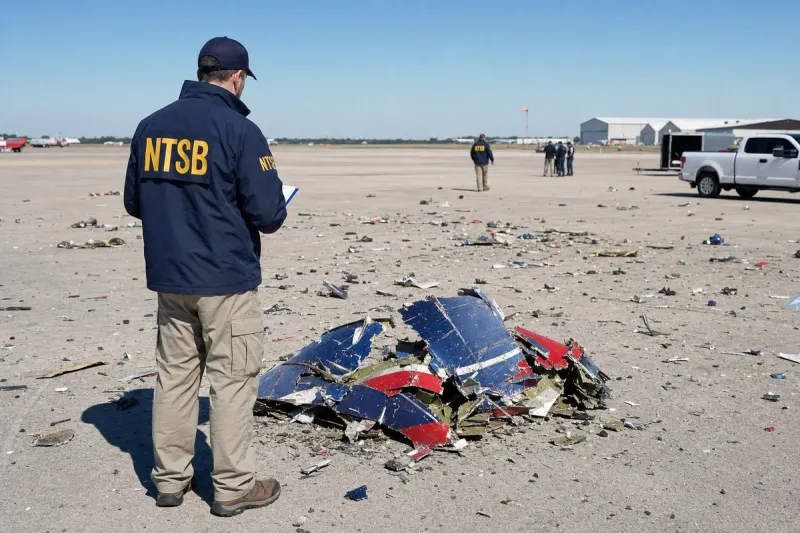
Police said the operation was called off after careful consideration of all available information, with the search mission coordinator stating that every reasonable option had been considered and undertaken. The multi-day operation involved air, marine and specialist dive resources, supported by the Anindilyakwa Land and Sea Rangers. By the fourth day, authorities had shifted focus from aerial activity to sonar searches and targeted dives. Police divers recovered pieces believed to be aircraft wreckage from the sea floor, but Bramley's remains were not located.
Acting Assistant Commissioner Peter Malley said the presence of tiger sharks and crocodiles had made the operation particularly difficult. Police will continue to assist the Australian Transport Safety Bureau, which is leading the investigation into the crash, and the cause has not been confirmed. Bramley, a Tasmanian pilot and suicide-prevention advocate who was nominated for Young Australian of the Year in 2021, has received tributes.
Industry impact & what to watch
Fatalities on repositioning legs — flights with no passengers or commercial purpose — sit outside the visibility that scheduled charter operations get, yet they draw the same emergency-response and investigative machinery once an aircraft goes down. The search here shows how quickly a recovery effort can be constrained by terrain and wildlife rather than by resourcing: air, marine, sonar and dive assets were all deployed, and the environment itself, not a lack of effort, ended the physical search.
With the wreckage only partially recovered from the sea floor, the Australian Transport Safety Bureau's investigation will carry the weight of establishing cause, and any findings on the aircraft, the flight conditions or maintenance history will emerge from that process rather than from the search operation. What remains to be seen is what the ATSB's eventual report identifies as contributing factors, since police have confirmed no cause at this stage.