UK launches Operation Blue Skies to study altitude adjustments reducing contrail climate impact
Why It MattersThe trial signals that air traffic managers may soon treat contrail avoidance as a routine operational variable alongside fuel and routing, testing whether climate mitigation can scale without disrupting oceanic traffic flow.
What happened
A new UK-led programme called Operation Blue Skies will investigate how minor adjustments to aircraft altitude can reduce the climate impact of persistent contrails. According to a Met Office blog published on August 18, 2026, the programme will test whether small changes in an aircraft's altitude can help avoid atmospheric conditions that favour the development of persistent warming contrails.
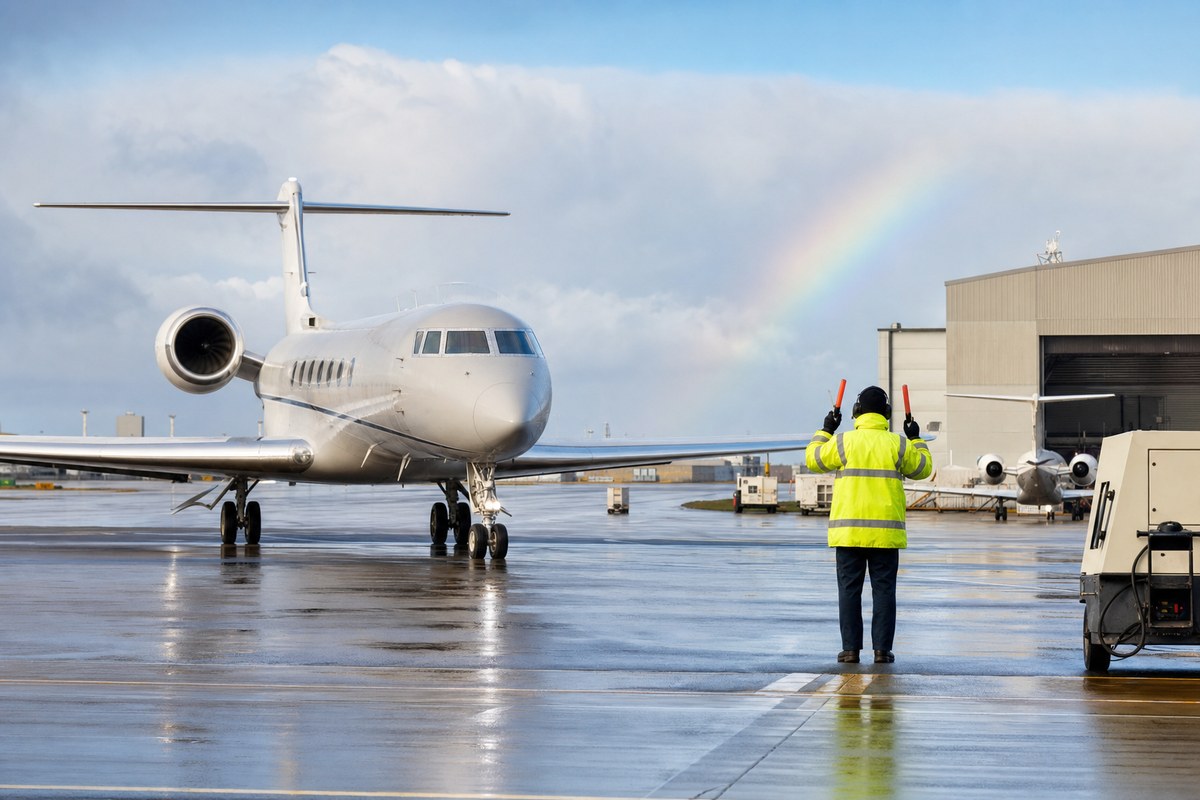
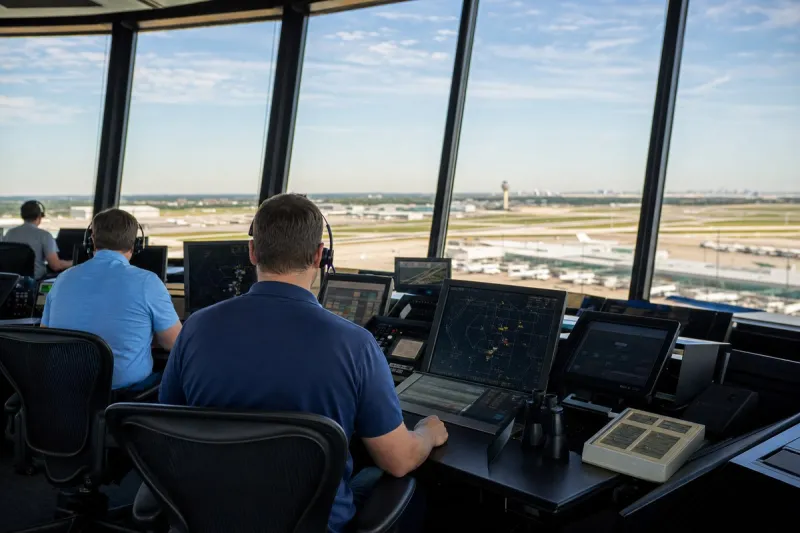
A press release issued the same day by NATS explained that Operation Blue Skies comprises two operational trials to be conducted during winter months across NATS-controlled Shanwick oceanic airspace, covering the eastern half of the North Atlantic corridor. The programme will evaluate both the operational feasibility and the environmental benefits of adjusting commercial flights' altitude to avoid conditions conducive to the formation of persistent, warming contrails.
NATS stated that atmospheric modelling indicates Shanwick airspace accounts for approximately 5% of global contrail warming, with a significant fraction of that warming concentrated in the winter season between November and February.
Industry impact & what to watch
This trial belongs to a growing category of climate interventions that target aviation's non-CO2 effects, where contrail formation depends on narrow bands of temperature and humidity that shift with altitude. Oceanic airspace such as Shanwick is a logical testing ground because traffic density and controller workload differ from busy continental sectors, giving more room to trial altitude changes without disrupting scheduled flows.
How contrail-avoidance rules would eventually work in daily operations is not yet established: whether adjustments are applied flight-by-flight, how airlines are compensated for any fuel penalty from flying at less efficient altitudes, and how the environmental benefit is measured against operational cost are all open questions that trials like this are designed to answer.
The next marker to watch is the outcome of the winter trials themselves, since NATS and the Met Office framed the programme around testing feasibility and environmental benefit during the November-to-February period when Shanwick's share of contrail warming is concentrated.