Understanding Aviation Insurance Policies: Key Protections and Obligations for Aircraft Owners
Why It MattersBecause no carrier uses standardized forms, switching insurers exposes owners to materially different warranty language and coverage gaps that only careful contract review can catch.
What happened
An industry practice overview describes an aviation insurance policy as a legally binding contract of mutual obligations, noting that many aircraft owners treat it as unread fine print. The policy is structured as two distinct agreements in one document: hull coverage pays the aircraft owner or lienholder for physical damage, while liability coverage pays injured third parties, including passengers, bystanders, or property owners, when an incident is caused by the insured.
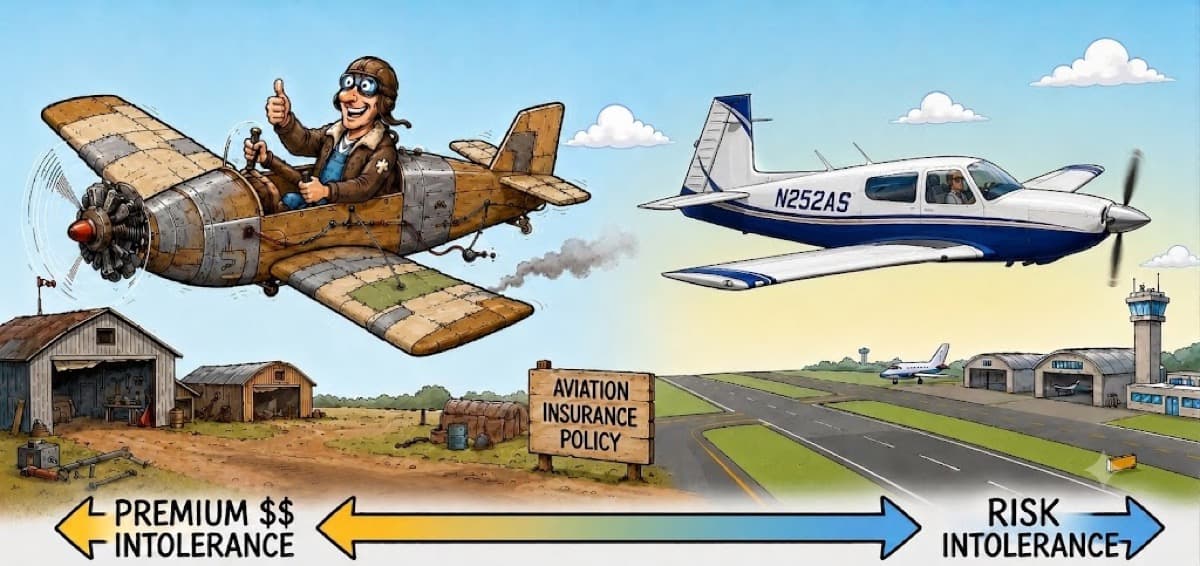
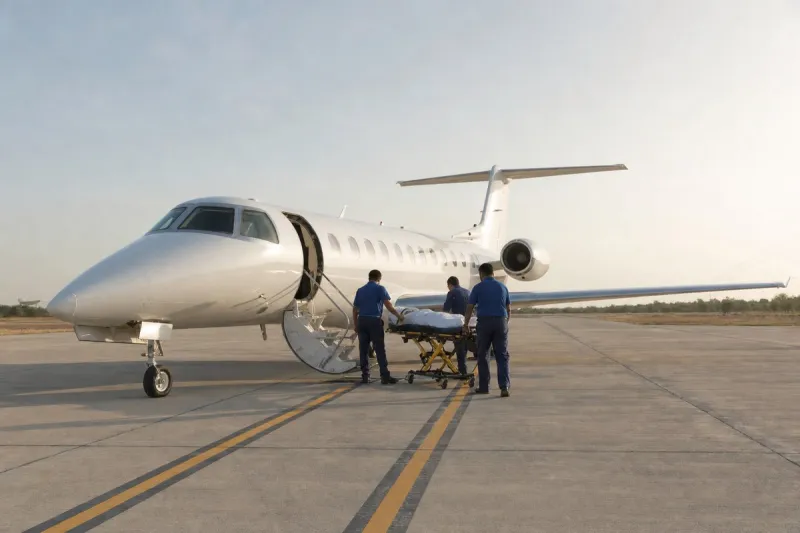
Liability coverage can carry sub-limits, such as a cap of $100,000 per passenger seat, which can be exhausted before an ambulance leaves the airport in a serious incident, exposing the owner's personal or corporate assets. A Combined Single Limit, also called a smooth limit, removes per-seat restrictions and deploys the full policy limit wherever it is most needed. Policies also typically include uncapped ancillary provisions covering aircraft recovery costs such as crane rentals, flatbeds, and environmental mitigation, without eroding hull or liability limits, and they require the carrier to fully fund legal defense in a lawsuit, with defense costs paid in addition to the stated policy limits.
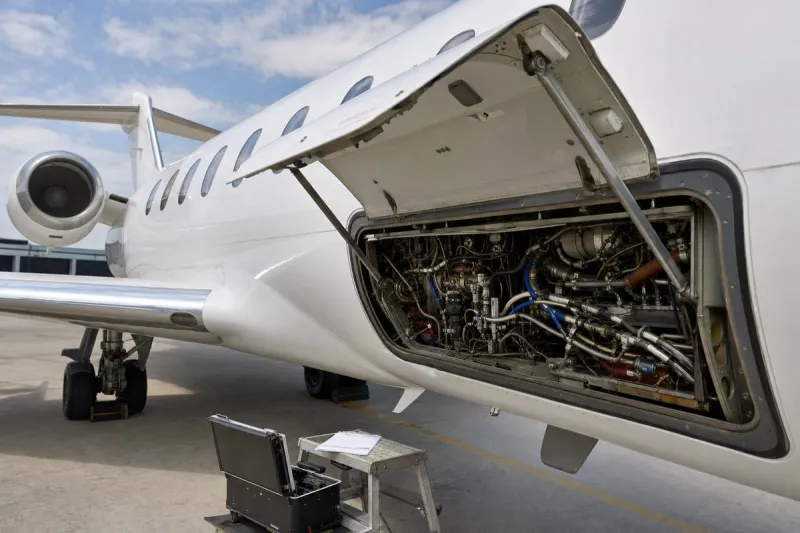
The open pilot warranty sets minimum requirements for who may legally operate the aircraft — for example, 1,000 total logged hours, 200 hours in retractable-gear aircraft, and 25 hours in the specific make and model. Falling short of any single metric at the moment of engine start breaks the coverage chain. The airworthiness warranty requires the aircraft to remain in legal, airworthy condition, with flying beyond an annual inspection or noncompliance with an Airworthiness Directive constituting a breach, while the medical or BasicMed warranty requires the pilot in command to hold appropriate medical qualifications for the operation conducted. Aviation insurance carriers do not use standardized policy forms; each issues its own contract with its own wording, conditions, and definitions.
Sub-limits versus smooth limits
The distinction between a per-seat sub-limit and a Combined Single Limit determines how a policy behaves under stress. A sub-limit structure allocates a fixed dollar amount to each seat, so a severe single-passenger injury can consume that seat's allocation quickly while other portions of the stated limit sit unused. A Combined Single Limit instead treats the full policy amount as one pool, letting it flow to wherever the loss is largest.
Ancillary provisions sit outside these dollar limits entirely. Recovery costs and legal defense funding are paid on top of hull and liability limits, meaning a lawsuit or a wreck removal does not draw down the money set aside to compensate injured parties or repair the aircraft.
Industry impact & what to watch
This overview illustrates how liability coverage in aircraft insurance is not a single number but an architecture of limits, sub-limits, and warranties that interact only at the moment of a claim. A policy's stated liability figure can mean two very different things depending on whether sub-limits or a Combined Single Limit apply, and owners who compare only headline totals miss the structural difference that determines what actually gets paid.
Open pilot warranties function as binary gates rather than sliding scales: a pilot who is close to a threshold but has not met it has no coverage at all at the moment of engine start, not partial coverage. That makes the warranty's specific hour requirements — total time, retractable-gear time, make-and-model time — as consequential to a claim outcome as the dollar limits themselves.
Because carriers write their own contracts without a standardized form, a change in insurer is a change in the entire set of definitions and conditions governing a claim, not just a change in premium. What remains to be seen in any individual case is how a specific carrier defines airworthiness compliance or medical qualification at the moment a loss occurs, since those definitions are set contract by contract rather than by any industry-wide standard.