Loganair Orders Five BETA Technologies ALIA CX-300 Electric Aircraft for 2029 Delivery
Why It MattersElectric aircraft adoption is starting through low-risk cargo and mail niches rather than passenger service, with certification timelines across multiple regulators shaping when broader commercial use becomes viable.
What happened
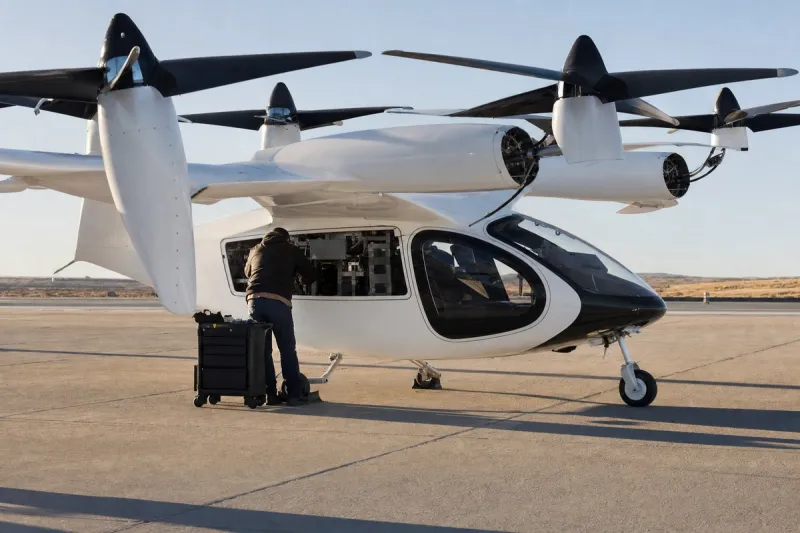
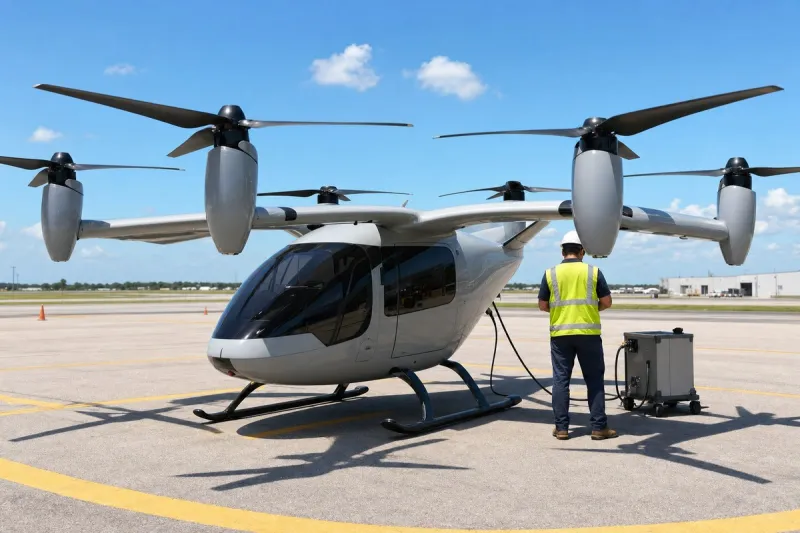
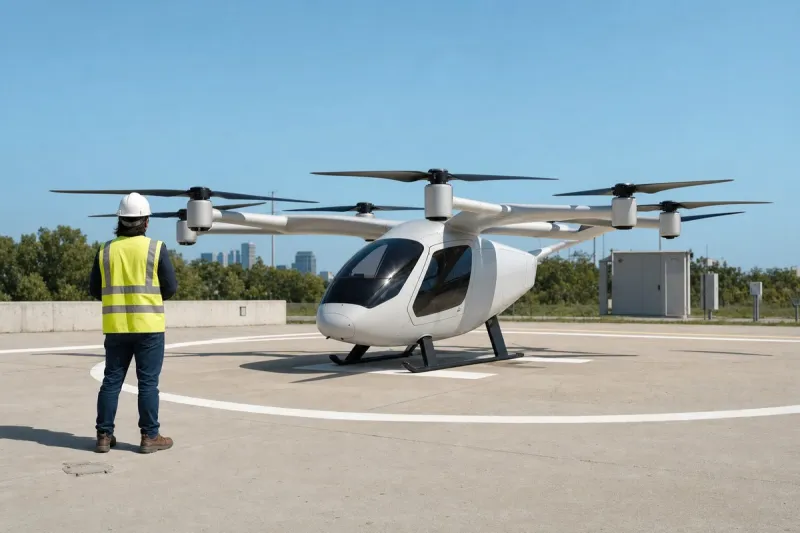
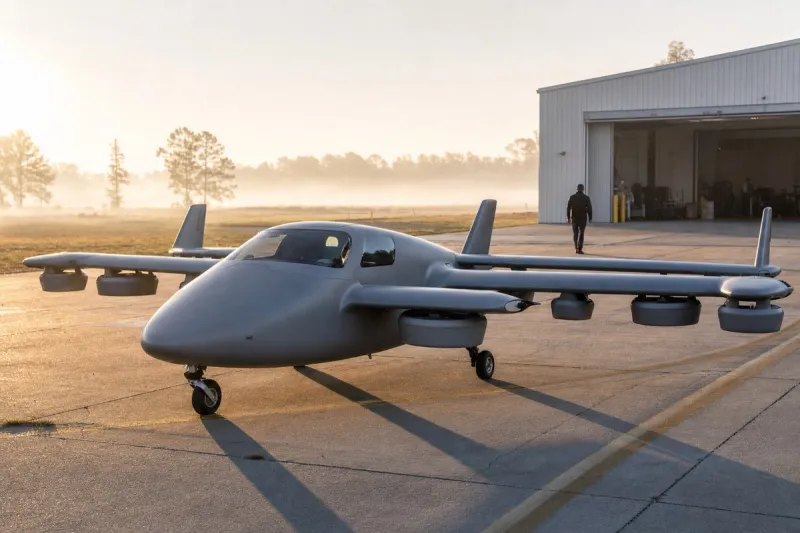
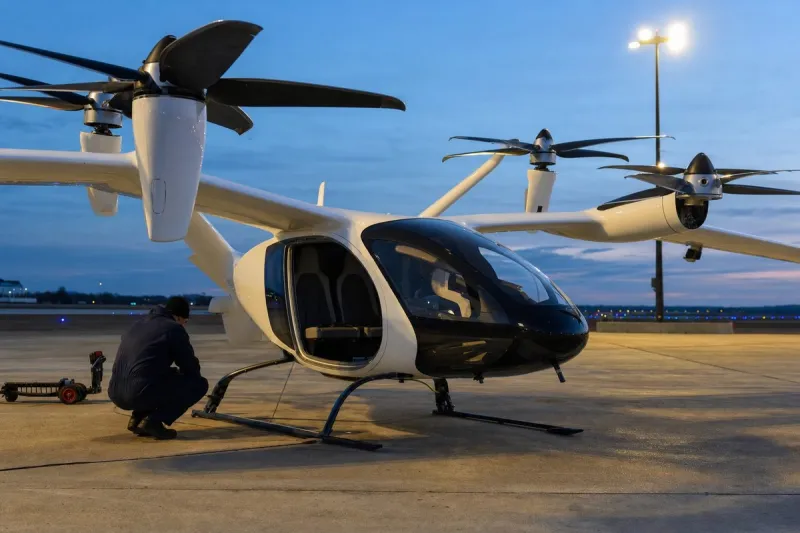
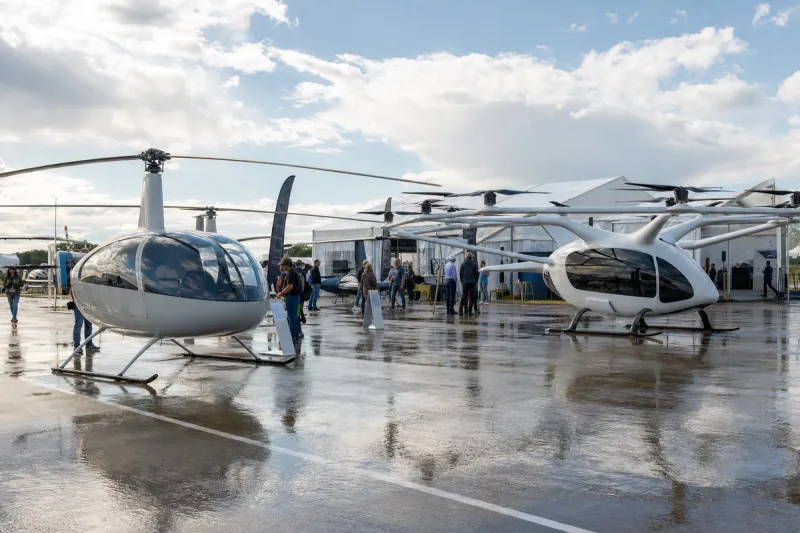
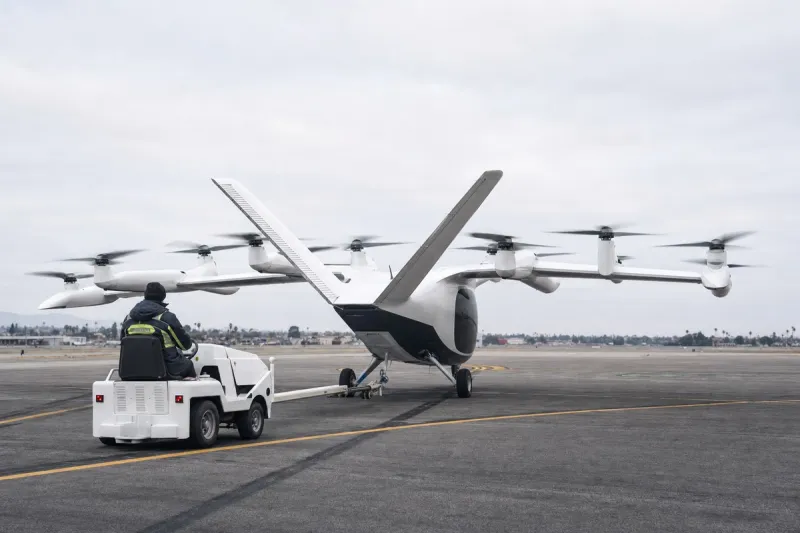
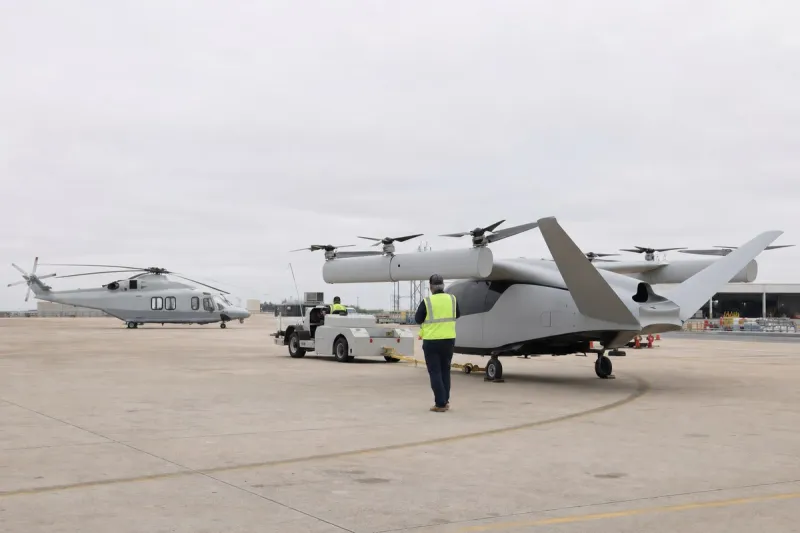
Scottish regional carrier Loganair has ordered five BETA Technologies ALIA CX-300 electric aircraft for delivery from 2029, an order announced at the Farnborough Airshow. The ALIA CX-300 can carry up to six passengers over approximately 215 nautical miles.
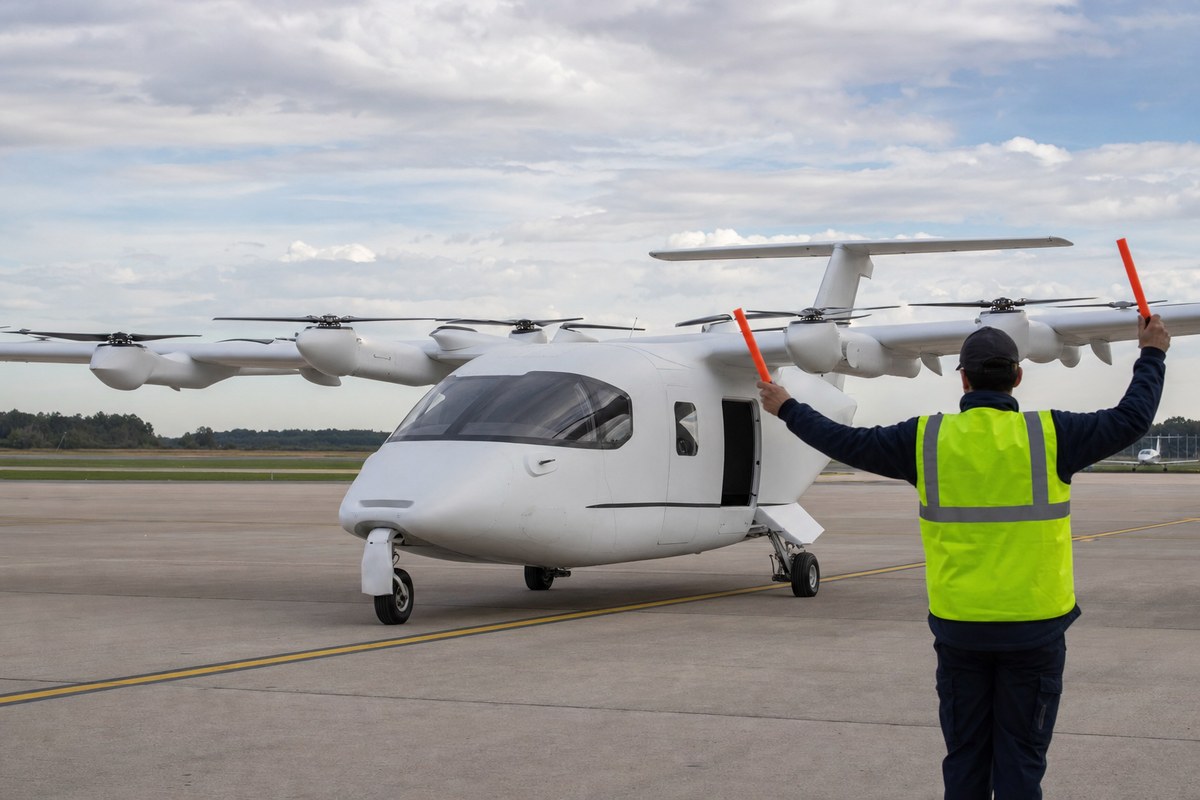
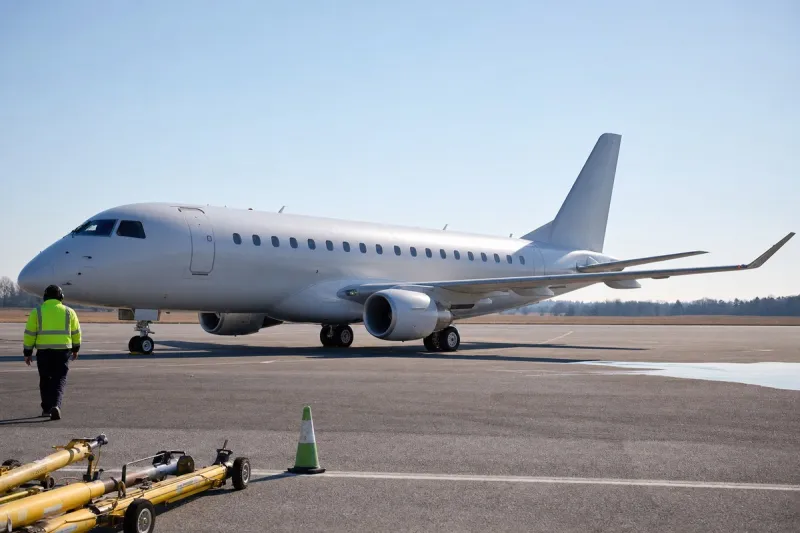
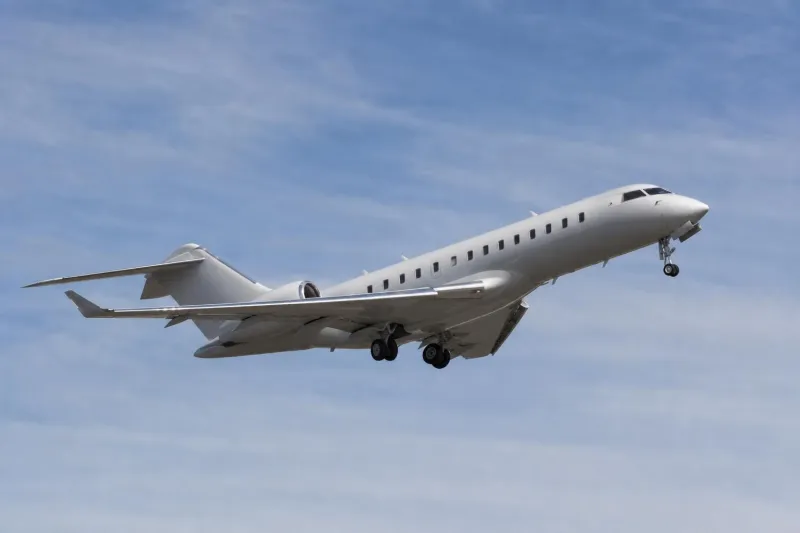
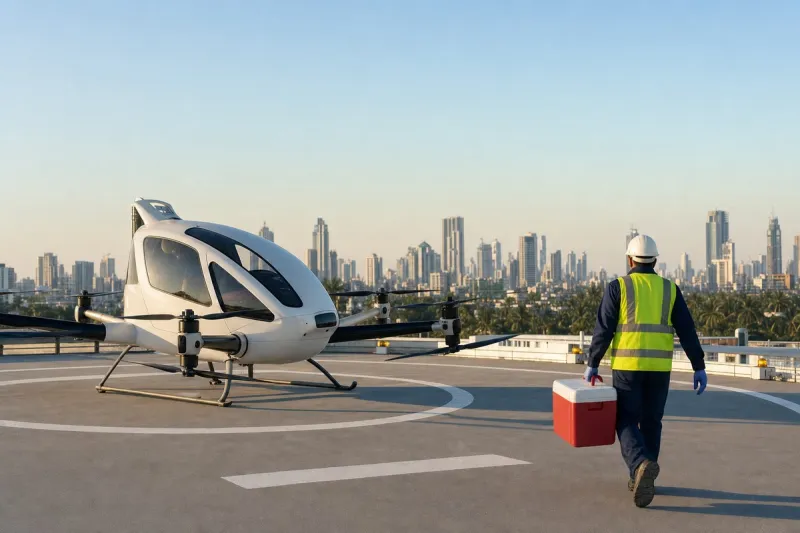
Loganair CEO Luke Farajallah said the aircraft will likely be deployed initially on cargo and mail operations, with Royal Mail and medical services — including potential use for blood, organ, and medevac transport — identified as early use cases. Passenger operations remain under further discussion with BETA Technologies. Loganair currently operates a network of around 70 routes across the Scottish Highlands and Islands using ATRs, Embraer ERJ 145s, Twin Otters, and Britten-Norman Islanders, and holds the world record for the shortest commercial scheduled flight, between the Orkney Islands of Westray and Papa Westray.
Before placing the order, Loganair conducted a real-world trial with BETA Technologies aircraft in Scotland, flying to destinations on its network with Royal Mail on board. Farajallah said the trial gave the airline the confidence to move forward with BETA Technologies ahead of competing electric aircraft developers. On certification, he said US certification is expected to be completed within 12 months, after which rollover to EASA and the UK CAA could happen quickly, putting a total timeframe of 12 to 24 months for full certification across the United States, Europe, and the UK as a reasonable expectation. He noted that Air New Zealand and one or two other airlines have also made commitments to electric aircraft, but described Loganair as the first European passenger-and-cargo airline to commit to the technology. Operations are targeted for 2029–2030, subject to infrastructure readiness.
Industry impact & what to watch
Loganair's order follows a path several early electric and hybrid aircraft adopters are taking: start with cargo, mail, and medical transport, where payload and range constraints matter less and regulatory scrutiny of passenger safety is not yet in play, before extending to passenger flying once certification and infrastructure catch up. For a regional carrier built around short island hops, low-frequency routes, and small aircraft, that sequencing lines up naturally with the CX-300's six-seat, roughly 215-nautical-mile profile.
How this segment develops now depends heavily on certification pacing across three regulators rather than on the aircraft alone. Farajallah's own estimate — US clearance within about a year, then a faster EASA and UK CAA rollover, for a combined 12-to-24-month window — sets the practical horizon for when any commercial flying, cargo or passenger, can begin. Ground infrastructure, particularly charging capability across Loganair's Highlands and Islands network, is the other variable the airline itself flagged as a condition for the 2029–2030 target.
What happens next is whether BETA Technologies hits that certification window and whether Loganair's early cargo and medical routes with Royal Mail translate into the confirmed passenger commitment that remains under discussion. Air New Zealand's parallel commitment, cited by Farajallah, suggests other regional and short-haul operators are watching the same certification timeline before placing their own orders.