Boeing 737 MAX 10 Nears Certification This Fall, 777-9 Expected by Late 2026 or Early 2027
Why It MattersCertification of two long-delayed widebody and narrowbody variants at once signals the FAA and Boeing shifting from single-program fixes toward clearing a backlog that has kept airlines waiting years for fleet renewal.
What happened
Boeing's 737 MAX 10 and 777-9 are both on track to enter service in 2027 after years of delays, with the MAX 10 expected to receive FAA type certification as early as this fall and the 777-9 anticipated to follow by late 2026 or early 2027. The 737 MAX 7 has already been certified for commercial service, and Boeing and the FAA are now focused on the two remaining variants.
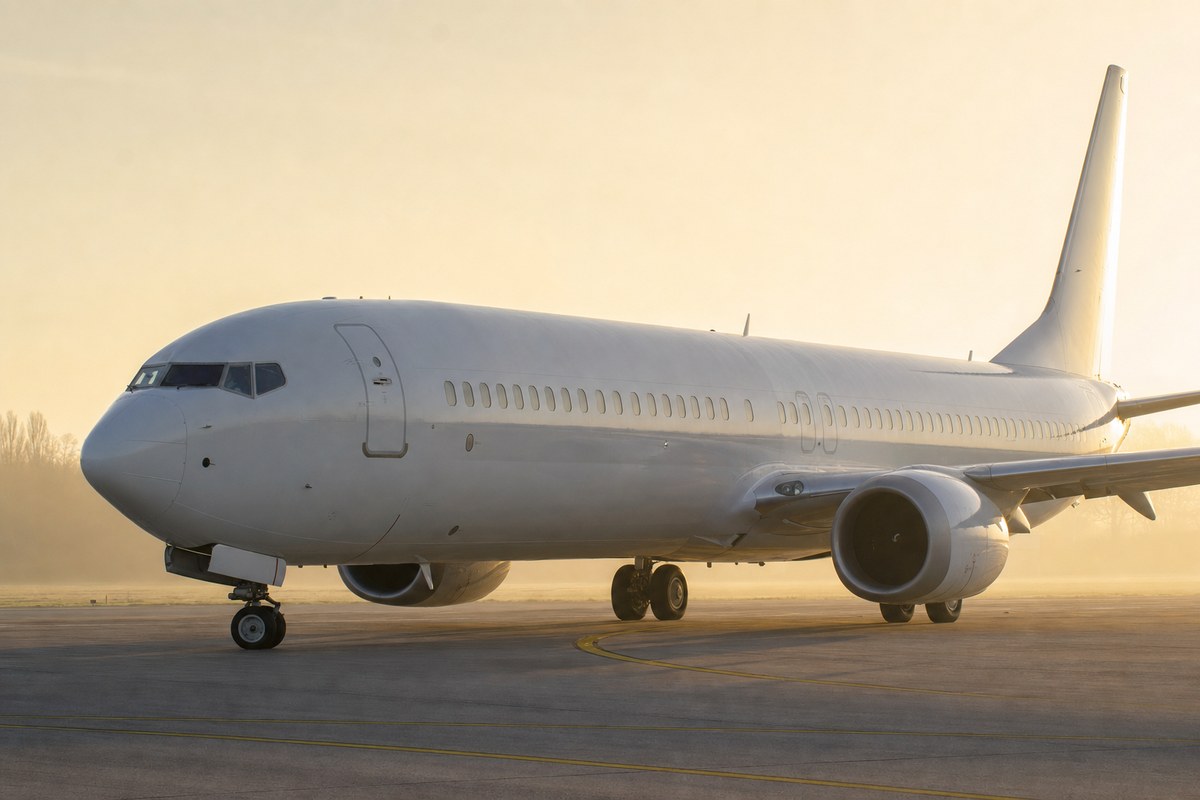
The MAX 10 has accumulated nearly 1,000 certification flights and over 2,000 flight hours, with certification flights concluding on July 28. The program is undergoing Development Assurance Reviews and system safety assessments. A key hurdle was an engine anti-ice system issue discovered in 2023, where prolonged use in dry conditions could damage engine nacelles; Boeing developed new hardware and software, completing that work in November 2025. The FAA also required an updated crew alerting system for the MAX 7 and MAX 10, which will also need retrofitting to in-service MAX 8 and MAX 9 aircraft. The MAX 10 has received over 1,400 orders. Launch operator WestJet expects to begin flying the type in the first quarter of 2027, while Alaska Airlines, Delta Air Lines and United Airlines plan to begin taking deliveries in 2027. United Airlines has said it plans to retire 80 aircraft in 2027 while still growing its network, enabled by MAX 10 deliveries.
The 777-9, with over 500 orders, faces a longer path as the first variant in its family, requiring the FAA to certify a new wing, new cockpit, folding wingtips and new engines for the first time. It has logged over 1,700 flights and more than 4,800 flight hours of certification testing, surpassing the halfway point of required testing, and is currently in Phase 4B of the FAA's Type Inspection Authorization process while also pursuing ETOPS certification, with a seventh test aircraft recently beginning ETOPS flights. Both aircraft completed heavy icing condition tests on the same day, with the 777-9 airborne for over eight and a half hours and the MAX 10 flying approximately six hours. Lufthansa is set to be the launch passenger airline for the 777-9 and expects to place it into service during the 2027 summer season; Boeing expects to begin deliveries in the second quarter of 2027. Emirates and Lufthansa have publicly declined to accept early-production 777-9s that require rework due to design changes Boeing made after those aircraft were built.
Industry impact & what to watch
Two aircraft nearing certification at once, after a stretch where Boeing's widebody and narrowbody programs each carried their own delay, shows a regulator and manufacturer working through a backlog rather than one isolated fix. The MAX 10 case shows how certification risk concentrates in details that look minor from outside — an anti-ice system that only failed in specific dry-condition operating profiles forced a hardware and software redesign, and a crew alerting requirement now cascades into retrofits on aircraft already flying. The 777-9 illustrates the opposite kind of risk: it is not one fix but a first-of-family certification covering a new wing, cockpit, folding wingtips and engines simultaneously, which is why its testing hours and TIA phase sit well behind the MAX 10's.
Order books on both programs are large enough that delivery timing directly shapes airline fleet plans; United's stated retirement of 80 aircraft in 2027 while still growing only works if MAX 10 deliveries land on schedule, and Lufthansa's 777-9 launch is tied to the 2027 summer season specifically. That dependency is also why Emirates and Lufthansa are declining early-production 777-9 airframes that need rework — accepting a jet that must be reworked later defeats the purpose of an on-time delivery slot.
The next markers to watch are the MAX 10's actual type certification date this fall, whether the 777-9 clears the remainder of its testing and ETOPS work in time for a late-2026 or early-2027 certification, and whether Boeing's second-quarter-2027 delivery target for the 777-9 holds once certification lands.