UK Emergency Services Network Transition Poses Certification and Fleet Strategy Challenges for HEMS and Blue Light Aviation Operators
Why It MattersFleet-modification cycles increasingly hinge on national communications mandates, forcing specialist blue-light operators to weigh certification timelines, engineering capacity and residual value against operational continuity.
What happened
The Emergency Services Network (ESN) is presenting immediate aircraft availability, certification and fleet investment challenges for UK Helicopter Emergency Medical Services (HEMS) and other blue light aviation operators. ESN will replace the existing Airwave system with secure, prioritised 4G/5G voice, video and data communications, and the ESN Air component combines enhanced terrestrial coverage with an aircraft communications system designed for emergency service aviation, providing coverage from above 500 feet to 10,000 feet where operationally required. Emergency users will hold priority over commercial traffic, with the system intended to support push-to-talk, operational data and multimedia services.
Airwave has provided dependable voice communications, but its limited data capability and ageing technology make it increasingly difficult and expensive to sustain. ESN is intended to improve real-time sharing of data, images and video, strengthen situational awareness, support faster decision-making and improve interoperability between agencies. A national aircraft communications framework also provides for an interim TETRA capability that can transition while reusing much of the installed hardware.
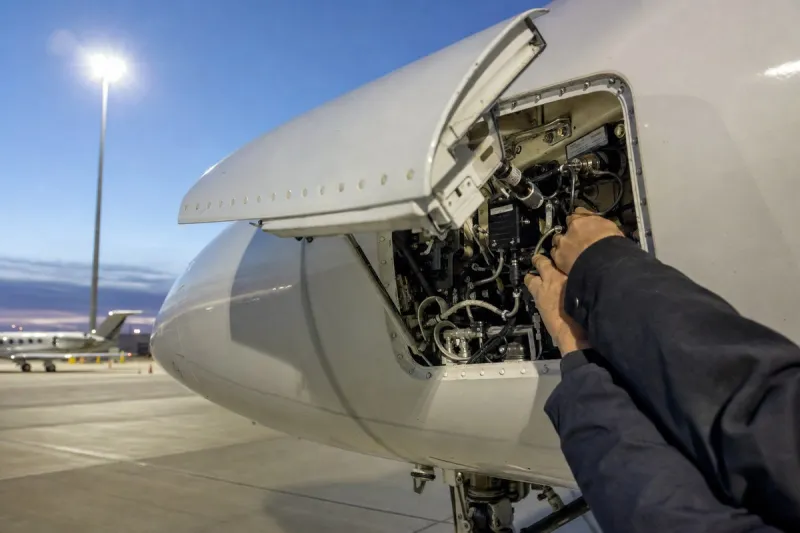
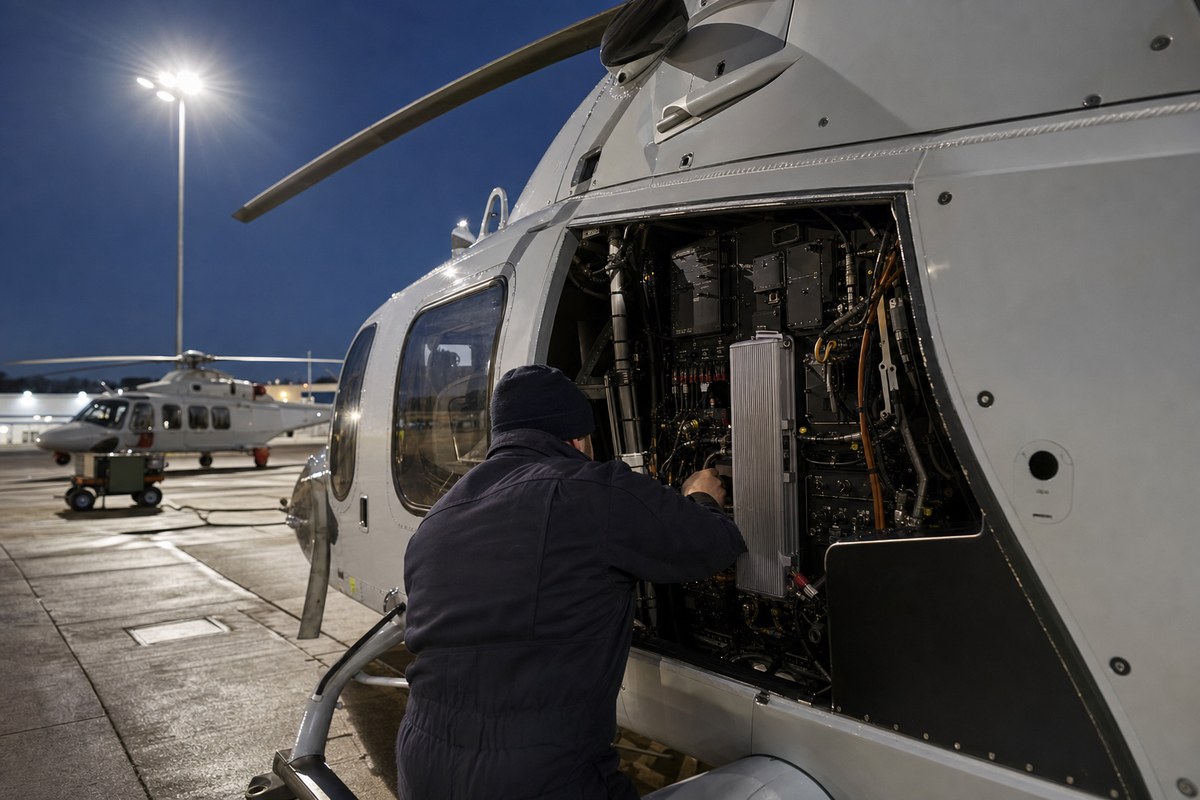
For operators of AW169, EC135/H135 and H145 aircraft, the transition is described as a systems-integration and airworthiness project rather than a straightforward radio replacement, since each aircraft type presents different available space, modification history, antenna real estate, mission-equipment fit, cabin architecture, maintainability constraints and certification baselines. The UK Civil Aviation Authority states that all changes to an approved type design require approval, with major changes normally requiring an appropriately approved design organisation and, where the applicant is not the type-certificate holder, approval through a Supplemental Type Certificate (STC). The certification package may include the change definition, embodiment instructions, compliance evidence, flight-manual material and Instructions for Continued Airworthiness, and equipment approval alone does not constitute approval to install that equipment on a specific aircraft. Programme funding may cover hardware and contribute to installation costs on registered aircraft, but does not automatically fund the major modification work required to establish the approval basis, including feasibility activity, structural assessment, antenna analysis, loom routing, test planning, certification engagement, conformity evidence and continued airworthiness material.
Certification and fleet-planning risks
Operators who leave these activities undefined carry the risk through late procurement, extended maintenance inputs and reduced fleet resilience. Delayed preparation compresses decision-making into a narrowing window and can expose operators to scarce engineering capacity, late discovery of aircraft-specific constraints, certification rework and longer out-of-service periods. For small specialist fleets, the loss of even one aircraft can reduce surge capacity, pressure backup aircraft and crews, and disrupt planned maintenance.
ESN embodiment may also collide with other known fleet events including engine overhaul periods, interior refresh requirements, aircraft age and asset replacement decisions, and a major STC may take many months to develop before submission. The UK-only nature of ESN also has direct bearing on fleet strategy and aircraft residual value: an ESN-ready aircraft may be well positioned for UK emergency services work, but the same modification may have limited value to an overseas buyer and could reduce marketability if the aircraft needs to be returned to a more standard configuration before sale. Operators and boards are advised to consider the cost of embodiment alongside the potential cost of future de-modification and the impact on the sale window for older aircraft.
Gama Aviation has stated it can support HEMS and blue light aviation operators across AW169, EC135/H135 and H145 fleets from feasibility through certified embodiment and in-service support, with the approach tailored to aircraft type, existing modification status and operator mission profile.
Industry impact & what to watch
This case shows how a national communications mandate can cascade into an aircraft-by-aircraft certification exercise, since the same equipment change carries different structural, electrical and ergonomic consequences depending on airframe, modification history and cabin layout. In specialist rotary fleets such as HEMS, where aircraft numbers are small and mission availability is time-critical, an STC process measured in months forces fleet planning to be sequenced years ahead of any transition deadline rather than treated as a late-stage procurement item.
The economics also extend beyond the modification cost itself. Because ESN is a UK-specific configuration, embodiment can depress resale value for operators who might otherwise sell into international markets, tying residual-value planning directly to a domestic regulatory programme in a way that ordinary avionics upgrades typically do not.
What remains to be settled is how individual operators sequence STC development, engine overhauls, interior refreshes and asset-replacement decisions against a narrowing compliance window, and whether engineering capacity across the design-organisation and certification supply chain proves sufficient to absorb multiple fleets converting in parallel.