SkyDrive, Air India and Suzuki Motor Corporation Select Mumbai and Delhi Routes for eVTOL Medical Logistics Trial
Why It MattersUrban air mobility for time-critical cargo advances case by case, with route selection and regulatory coordination determining whether medical eVTOL logistics move from study to actual flights.
What happened
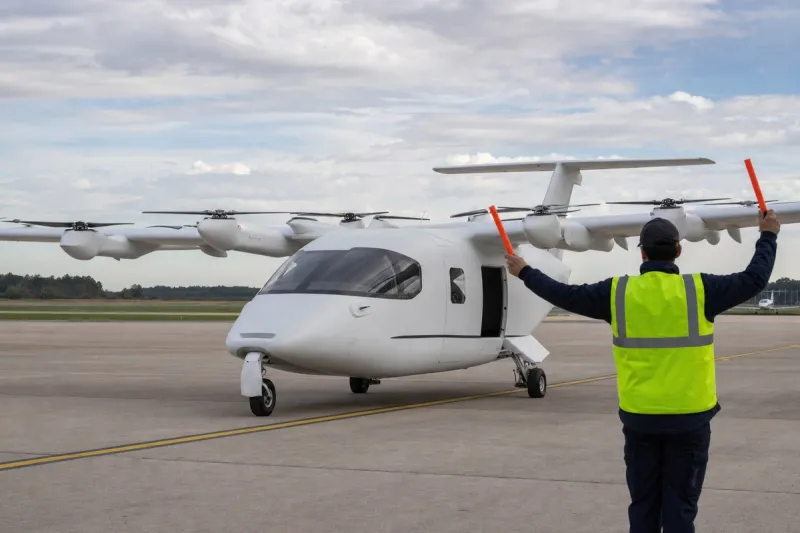
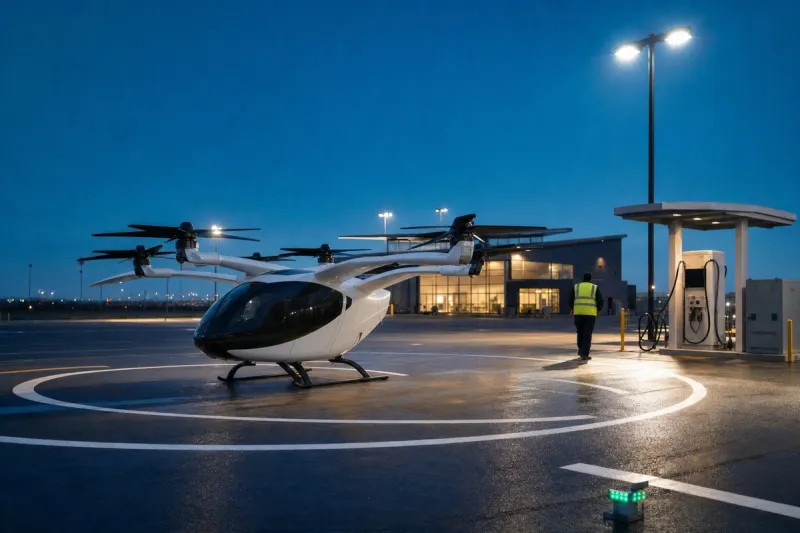
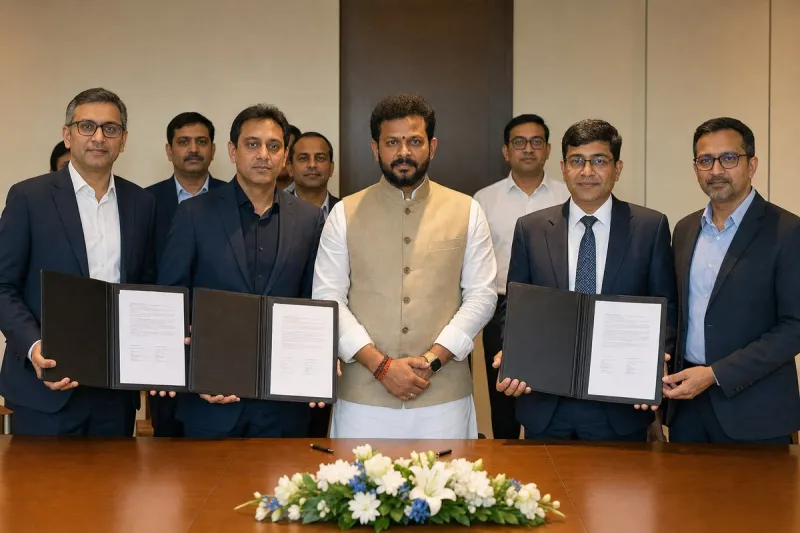
Japanese eVTOL developer SkyDrive announced on August 25 that it will proceed with evaluating initial operational routes for eVTOL medical logistics services in India, working with Air India and Suzuki Motor Corporation. The announcement follows a Memorandum of Understanding the three companies signed on July 31, 2026, to jointly study the feasibility of such operations.
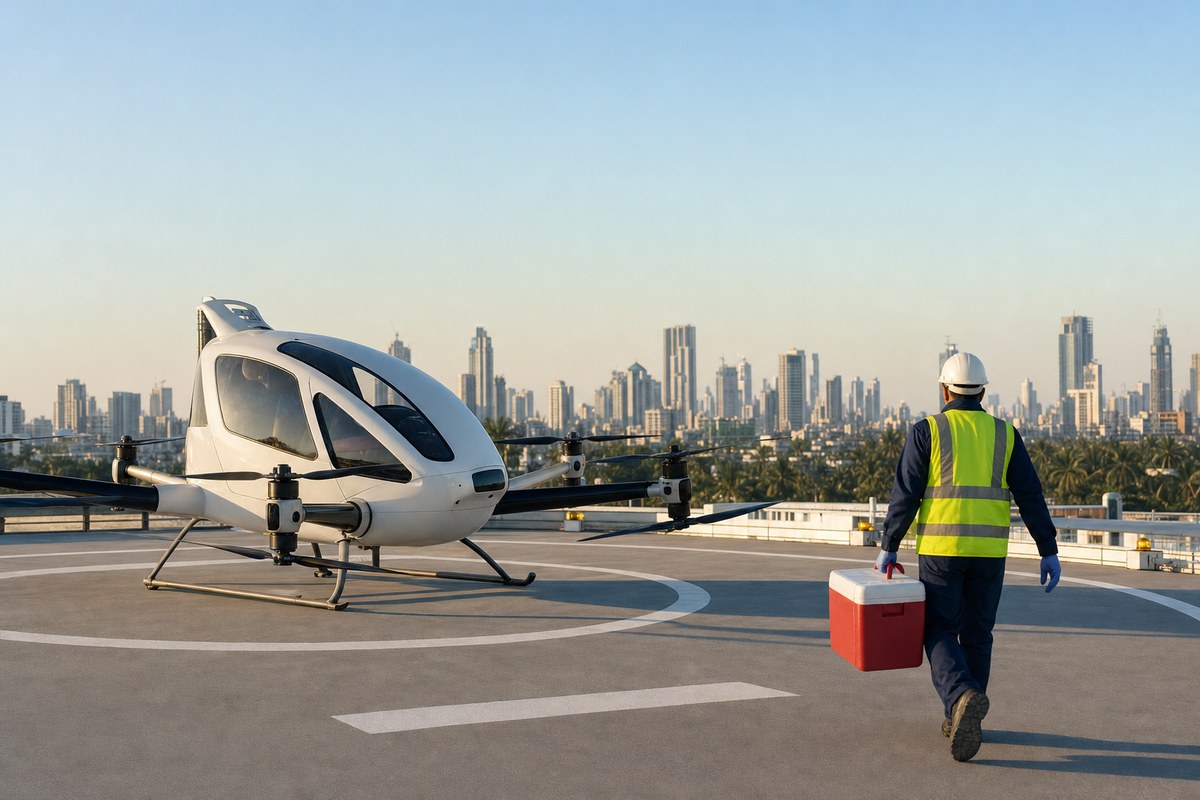
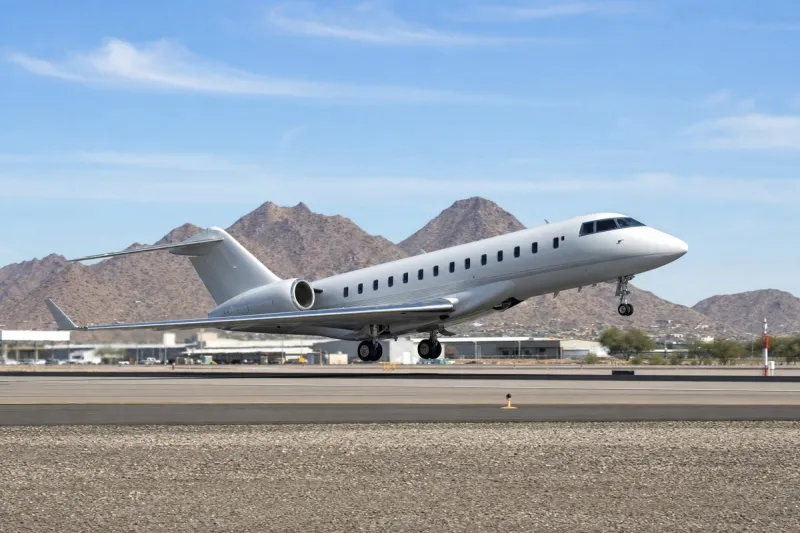
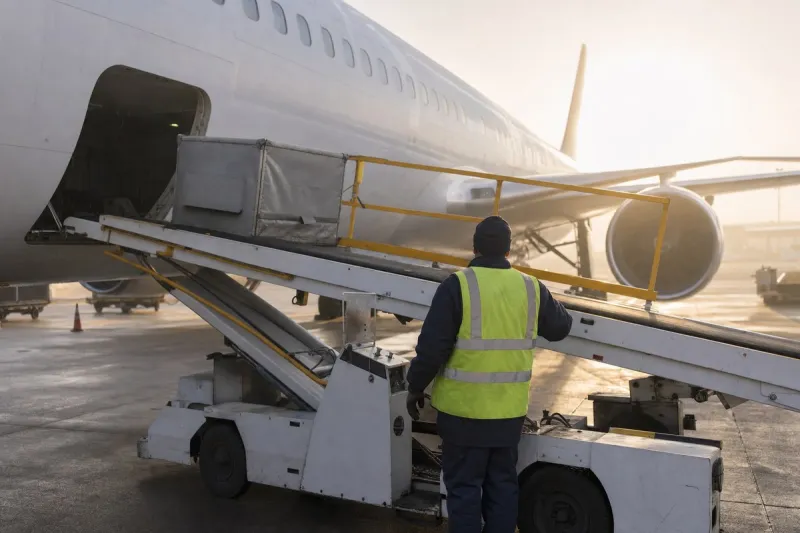
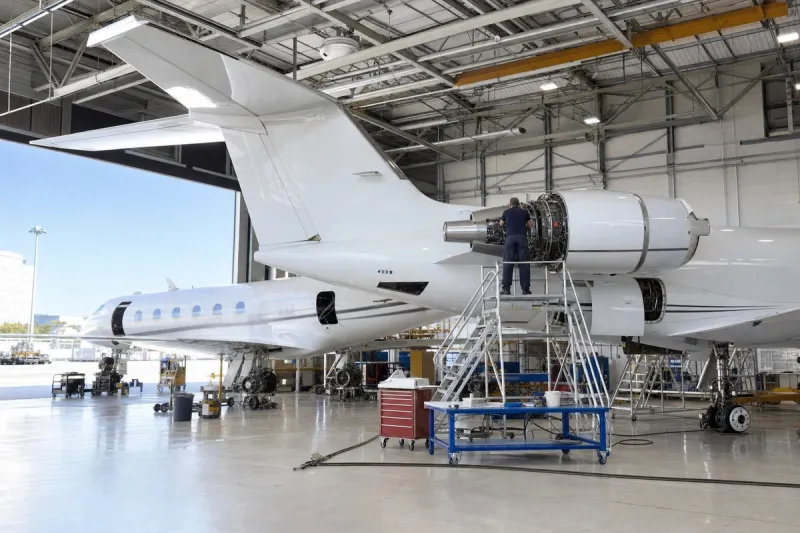
The programme targets three use cases. The first covers emergency transport of radioactive isotopes used in cancer diagnostics and treatment, which have an extremely short half-life and require immediate delivery after production; the identified route would connect a manufacturing plant in Mumbai to nearby major general hospitals, aiming to bypass road traffic to prevent medication degradation and expedite patient care. The second targets emergency medical and organ transport within the Delhi National Capital Region, where chronic traffic congestion poses a significant obstacle to transplant and emergency care; the programme will evaluate inter-hospital eVTOL routes within Delhi NCR, assessing whether air transport can reduce transit times from the current 30–90 minutes by ambulance to 10–15 minutes by air. The third use case extends to aircraft parts delivery: SkyDrive said that while evaluating medical use cases it became apparent that urban gridlock also causes critical delays in aviation maintenance, contributing to Aircraft on Ground situations, and the programme will evaluate routes between parts collection hubs and maintenance bases near Delhi's Indira Gandhi International Airport and airport terminals and maintenance areas.
SkyDrive noted that all identified routes represent an initial set of locations for further evaluation, and that any future operations would be undertaken in close coordination with relevant government and regulatory authorities, subject to all necessary approvals. The collaboration combines SkyDrive's eVTOL technology, Air India's aviation and operational expertise, and Suzuki Motor Corporation's market insight in India.
Industry impact & what to watch
This case shows how eVTOL developers are pursuing narrow, time-sensitive cargo missions rather than passenger service as an entry point into new markets, pairing a technology provider with a local operator and a company holding market insight into the region. The isotope and organ transport use cases are chosen precisely because urban road congestion creates measurable delays with clinical consequences, giving a concrete baseline against which any future air route can be judged.
How this segment actually moves from study to operation depends on the same sequence in most eVTOL medical-logistics proposals: route identification, feasibility evaluation, and then engagement with government and regulatory authorities before any flights occur. The aircraft-parts-delivery use case indicates that once a partnership starts mapping congestion-driven delays, adjacent problems such as Aircraft on Ground situations get folded into the same evaluation rather than treated separately.
What determines whether this becomes an actual service is the regulatory approval process SkyDrive flagged, plus whether the projected time savings, such as cutting ambulance transit from 30–90 minutes to 10–15 minutes by air, hold up once routes move from evaluation to real operations.