Beijing Crash Heightens Scrutiny on China eVTOL Sector; BofA Downgrades EHang to Underperform
Why It MattersThe episode underscores that China's low-altitude economy remains gated more by airspace approval, certification-to-revenue conversion and emergency-response readiness than by capital availability, even as billions keep flowing into the sector.
What happened
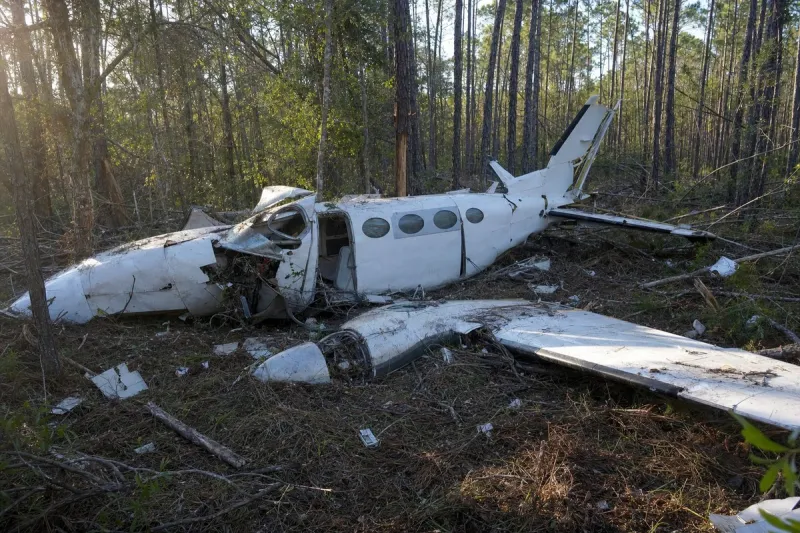
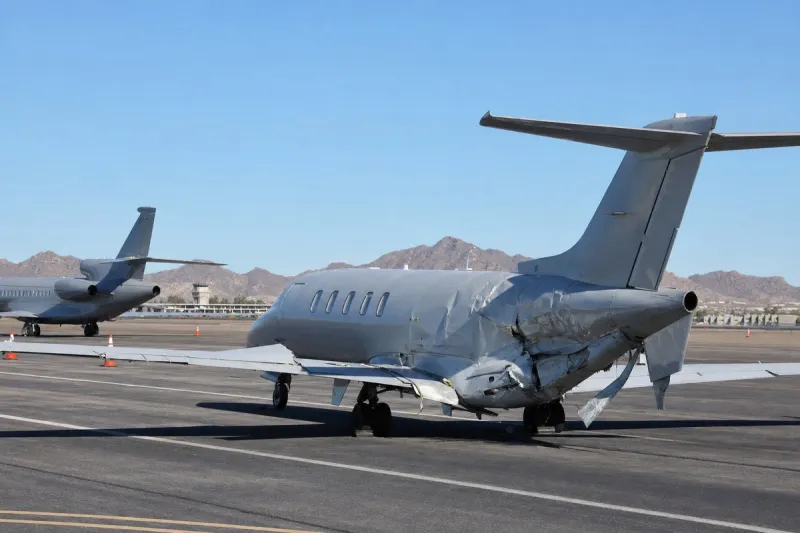
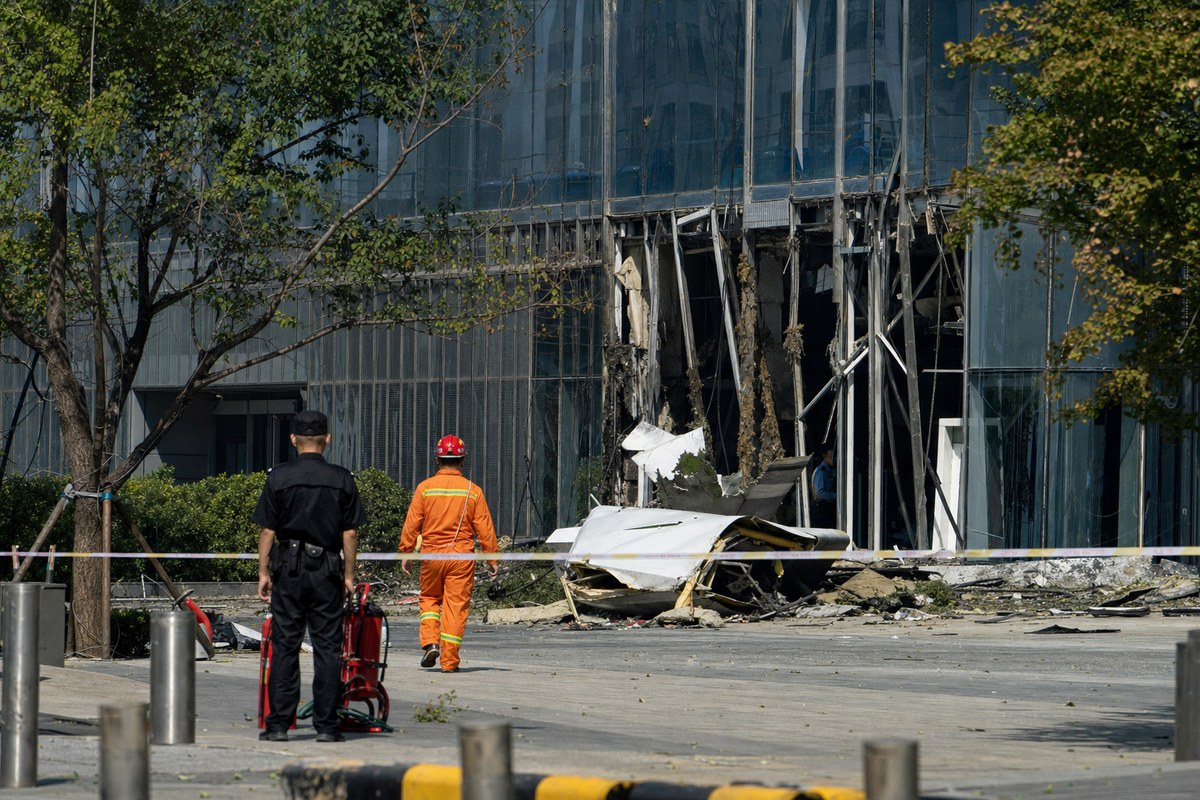
A light aircraft crashed into Beijing's Citic Tower, killing the pilot and injuring 13 people, an accident that has intensified regulatory scrutiny on China's low-altitude economy. The aircraft involved was not an eVTOL, but the incident prompted some general-aviation operators to halt scenic flights and raised questions about airspace control and emergency response in China's developing aviation sector.
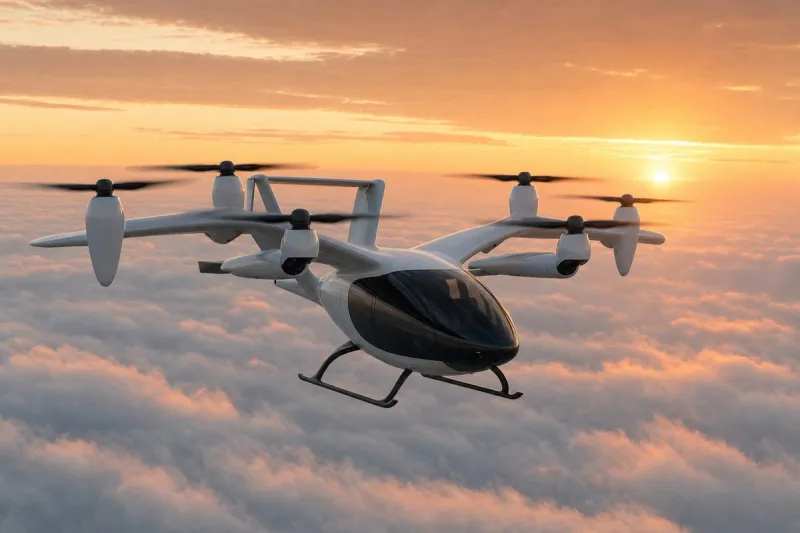
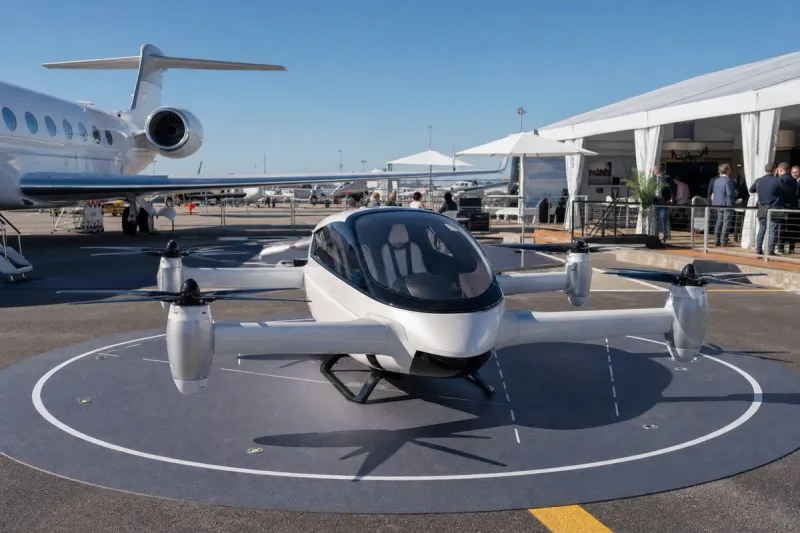
EHang Holdings Ltd, which holds a type certificate, production certificate, and standard airworthiness certificate from China's Civil Aviation Administration of China (CAAC) for its pilotless EH216-S aircraft, is struggling to convert those approvals into commercial revenue. Operational requirements for public ticketed flights remain unmet, and remote-pilot training is still pending. In the first quarter, EHang delivered only four EH216-series aircraft, down from 11 in the same period a year earlier. Revenue fell to 25.7 million yuan, while the net loss widened to 126.4 million yuan.
BofA Securities analyst Fiona Liang downgraded EHang from Buy to Underperform and cut the price target to $5.40 from $13. The firm also lowered its 2030 China eVTOL sales forecast to approximately 2,900 units from 3,500. EHang shares closed at $5.59 on July 10, down about 58% year-to-date.
Low-altitude financing in the first half of 2026 exceeded 20 billion yuan. Competitors Volant Aerotech and XPeng AeroHT are raising funds and pursuing listings in Hong Kong, while AeroFugia is targeting Shanghai's STAR Market. EHang is pursuing international expansion, including pilotless demonstration flights in Hong Kong in partnership with Kwoon Chung Smart Mobility Co., and is developing a longer-range VT35 model.
Industry impact & what to watch
The crash and the downgrade land on the same underlying problem from two directions: China's low-altitude economy is being built on regulatory approvals that have outpaced the operational infrastructure needed to use them. EHang's certificates cover the aircraft; they do not yet cover the ticketed-flight procedures, remote-pilot training, or airspace coordination that turn a certified airframe into paying traffic, and a fatal accident involving a conventional light aircraft has now made regulators more cautious across the board, not just toward the vehicle type involved.
This is how emerging aviation segments typically stall between certification and revenue: capital keeps arriving because the long-term addressable market still looks large, while near-term unit economics stay weak because the last regulatory and operational steps are the hardest to clear. EHang's falling deliveries and widening losses show that gap concretely, even as more than 20 billion yuan flowed into the broader low-altitude sector in the first half of 2026 and rivals such as Volant Aerotech, XPeng AeroHT and AeroFugia pursue their own listings.
What happens next will hinge on whether Chinese regulators tighten or clarify airspace and emergency-response rules following the Citic Tower crash, and on whether EHang can finally clear the ticketed-flight and remote-pilot requirements needed to convert its existing certificates into revenue. BofA's lowered 2030 unit forecast of about 2,900 aircraft gives a benchmark against which any recovery in deliveries or in regulatory clarity can be measured.