Norwich Airport Closes for 24 Hours as Prospect Union Members Stage Strike Over Pay
Why It MattersThe dispute shows how a single-airport labour action can force airlines to reroute or rebook passengers while leaving other carriers largely unaffected, depending on their reliance on that airport's slots.
What happened
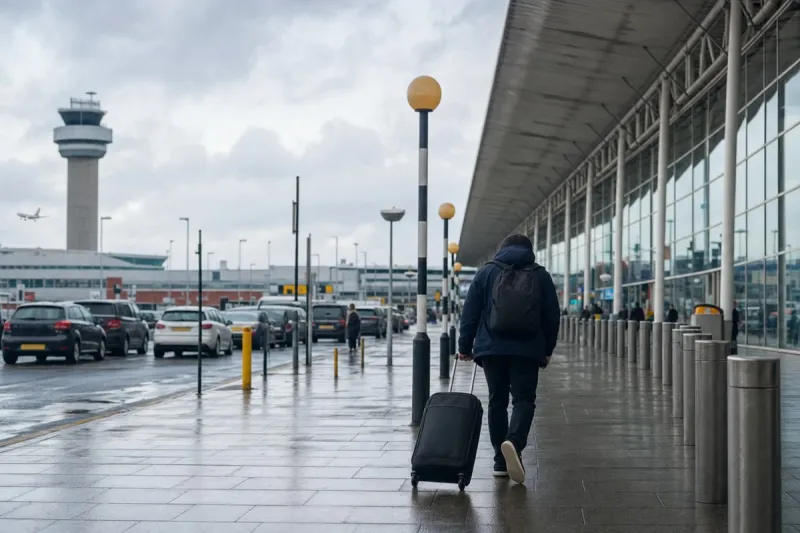
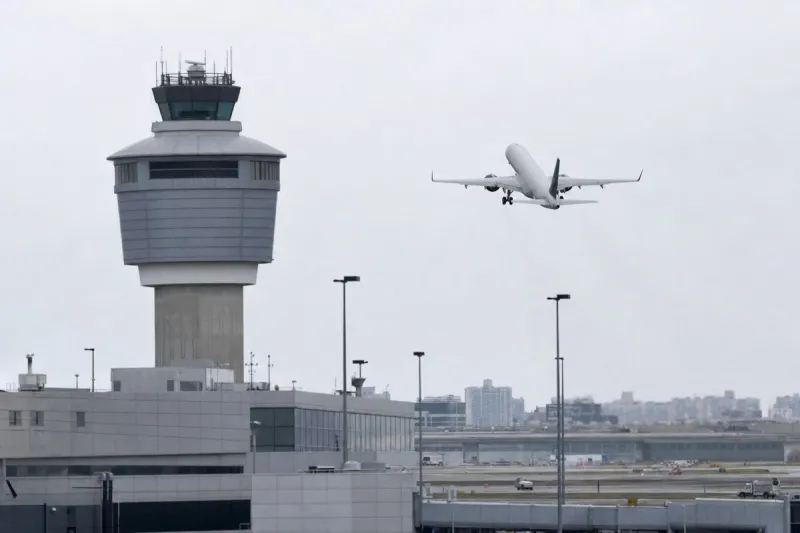
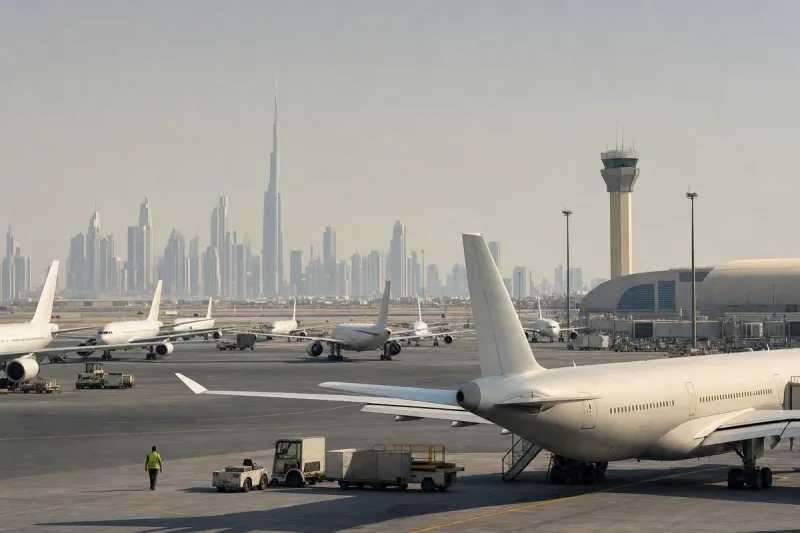
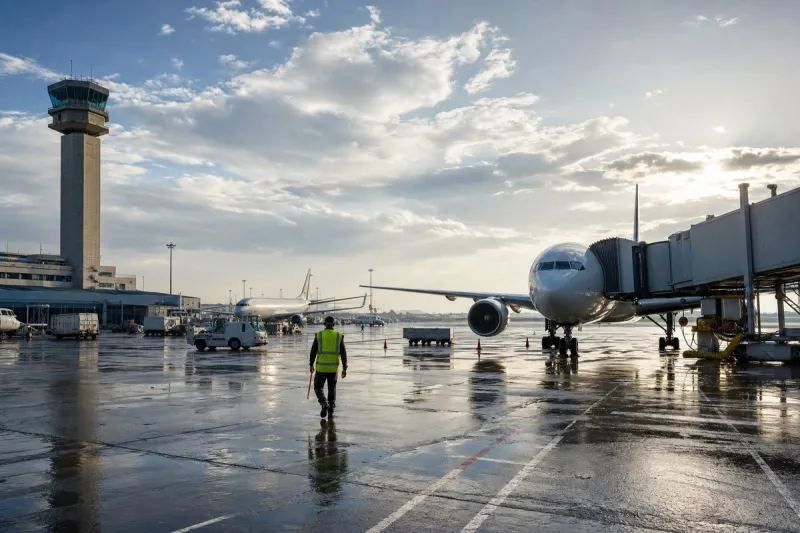
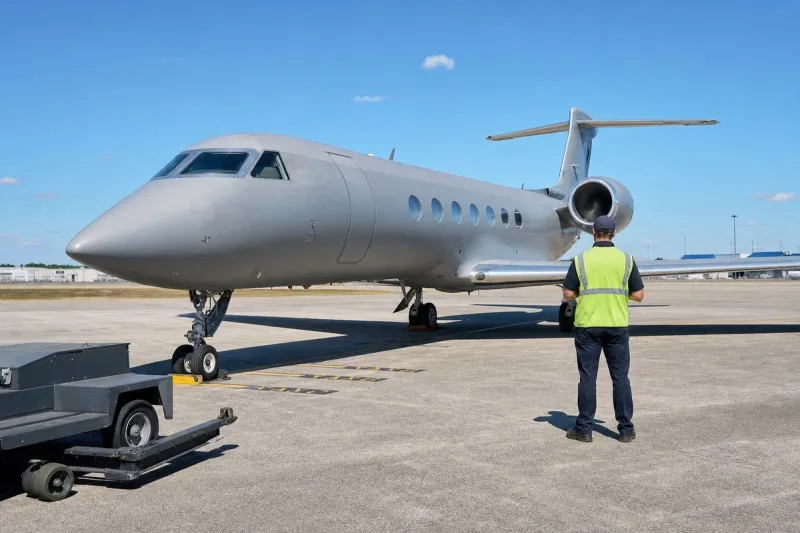
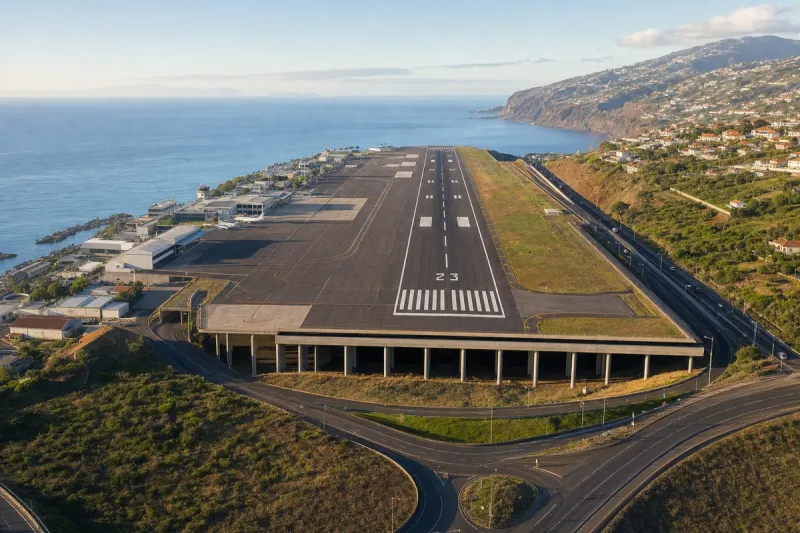
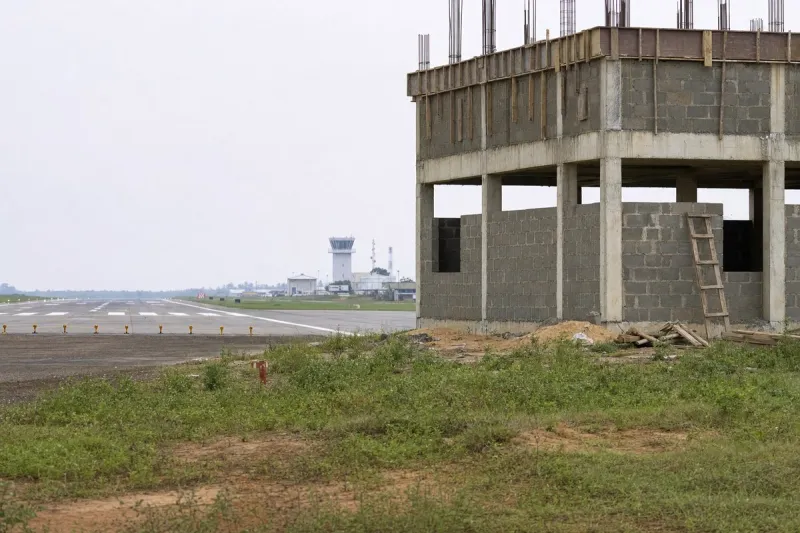
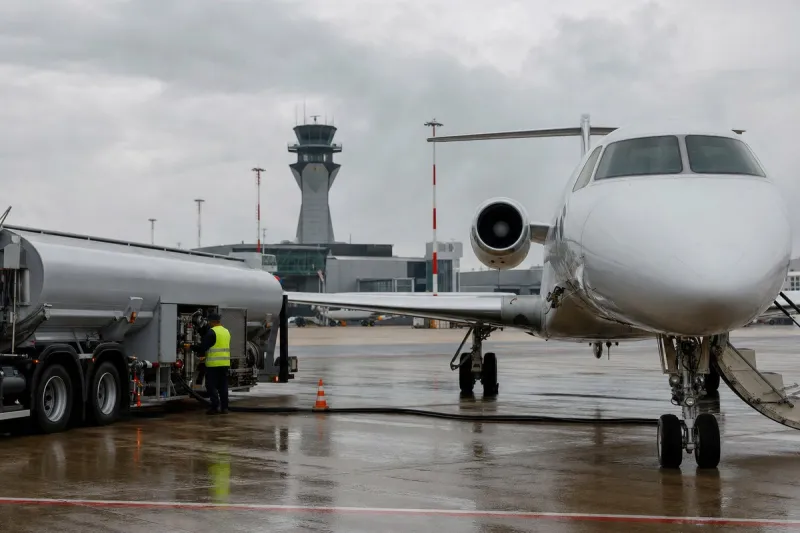
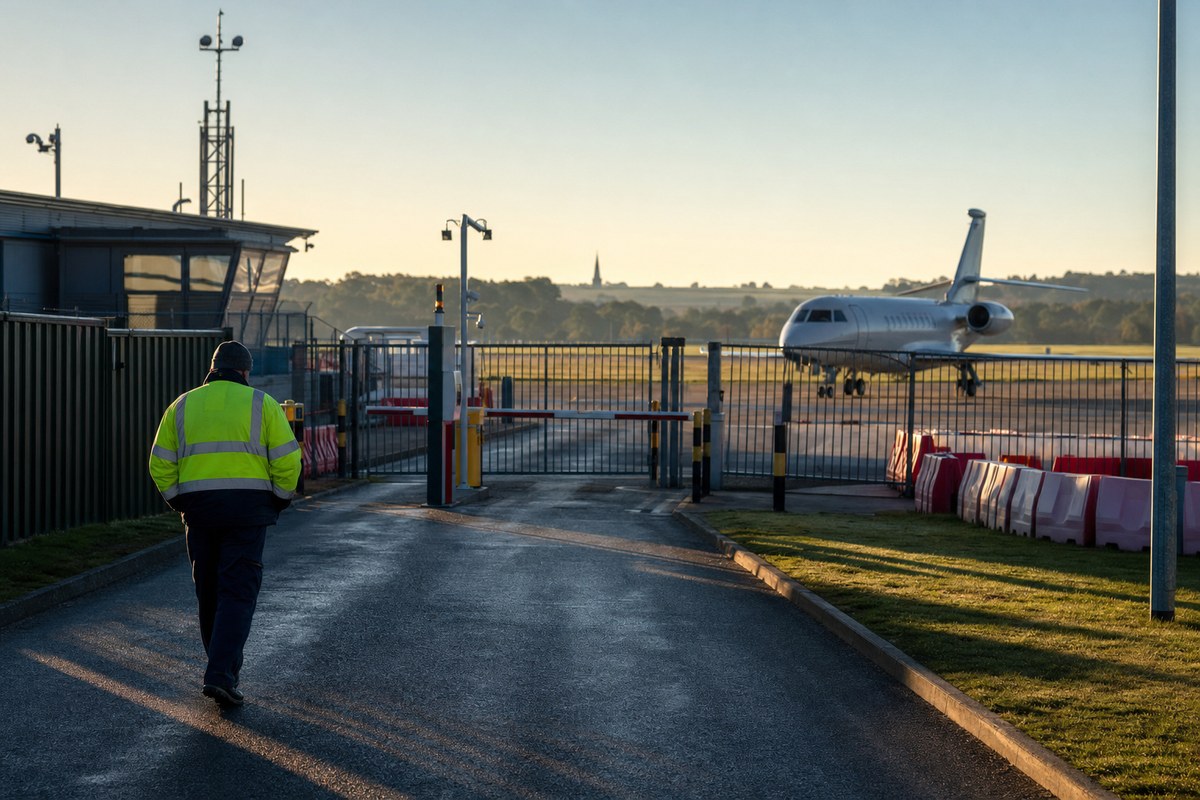
Norwich Airport was closed to all flights on 28 August as air traffic control staff represented by Prospect carried out a 24-hour strike, halting all departures and arrivals for the day. Prospect members voted in favour of industrial action earlier in August, citing pay described as significantly below the UK market rate and what the union called substandard maternity and paternity cover. Staff began action short of a strike on 17 August, working strictly to contract with no shift-swapping or voluntary overtime, and on 18 August Prospect announced the one-day walkout after the airport did not make a new offer to resolve the dispute.
Talks were held on the Wednesday before the strike, but Prospect said the offer put forward "still fell well short of demands." David Avery, Prospect's national secretary, said members "have no choice but to continue with strike action as planned" and called on the airport to make a competitive offer. Norwich Airport said it had made a substantial offer, including a 3.5% pay rise in April, a further 3% consolidated increase from July, another 3% from April next year, and an additional 2% retention allowance employees could direct into their pension. The airport said employees had received pay increases totalling approximately 25% over the past three years and that its benchmarking showed most roles would be paid at or above the average for comparable regional airports.
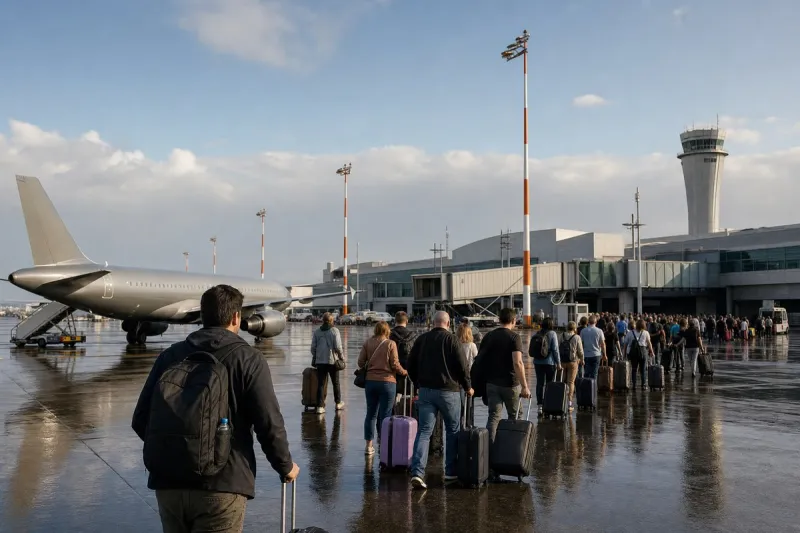
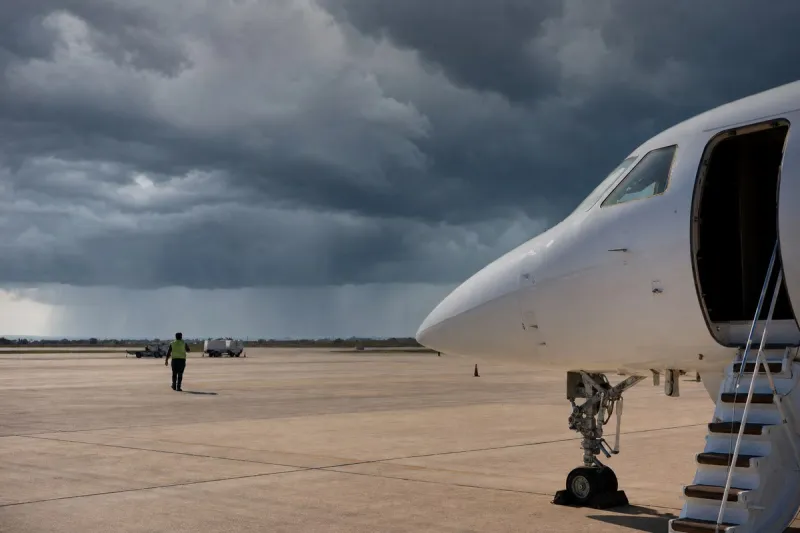
Airlines operating from Norwich Airport include TUI, KLM, Ryanair and Loganair. TUI said it had made necessary preparations and that some passengers would be flown from Southend Airport in Essex instead. KLM said affected passengers would be rebooked. Ryanair said it did not expect disruption to its operations. The East Anglian Air Ambulance, also based at the airport, said the strike would have minimal impact on its ability to provide critical care.
Industry impact & what to watch
A single-day strike by air traffic control staff at a regional airport shows how concentrated a workforce can be in this segment: a small union group can shut an entire facility to fixed-wing traffic even while a co-located emergency operator, the East Anglian Air Ambulance, continues largely unaffected because it does not depend on the same tower staffing in the same way.
How airlines absorb the disruption depends on how deeply their schedules are tied to that single airport. TUI shifted some passengers to Southend Airport and KLM rebooked affected travellers, while Ryanair said it expected no disruption at all, indicating its Norwich schedule was either thin enough or timed to avoid the affected day. That divergence illustrates how regional airport labour disputes ripple unevenly across carriers rather than producing uniform network effects.
What happens next depends on whether Norwich Airport and Prospect return to the table with a revised offer addressing the union's parental-leave demands, which the airport's public statement left only partially addressed. David Avery's statement that members have "no choice but to continue" suggests further action remains possible if no new offer is tabled.