EASA Updates Gulf Airspace Advisory, Lifts Jordan Ban and Extends Iran, Iraq and Lebanon Restrictions Through September 30
Why It MattersAirspace risk advisories are increasingly graduated by route segment rather than blanket bans, forcing carriers to plan around specific approach and departure corridors instead of avoiding whole regions.
What happened
The European Union Aviation Safety Agency (EASA) has updated its airspace advisory for the Middle East region, narrowing its previous guidance amid renewed U.S.-Iran hostilities. The advisory is valid through September 30.

For the Persian Gulf, EASA said that while risks over the waters of the Persian Gulf and Gulf of Oman remain high, operations necessary for arrivals at or departures from aerodromes within the affected Flight Information Regions may be conducted with sufficient mitigation. For Jordanian airspace, EASA lifted its previous recommendation that airlines avoid the country's airspace entirely, but advised airlines to exercise caution through September 30.
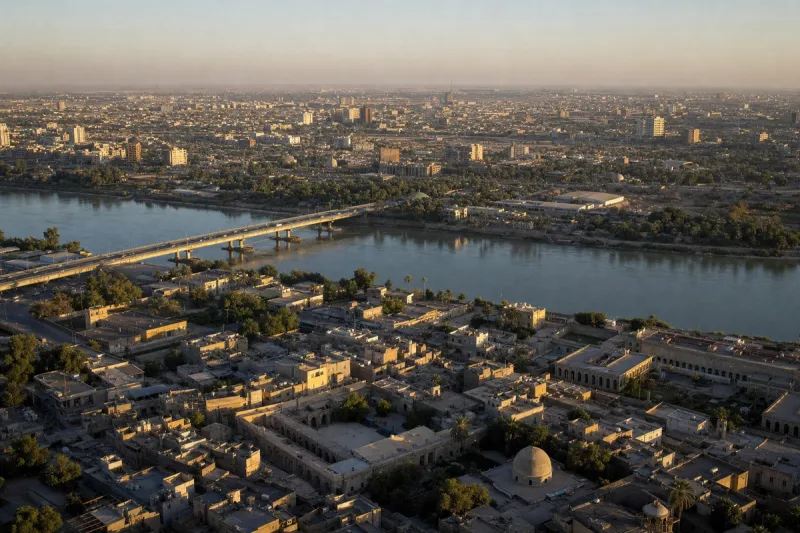
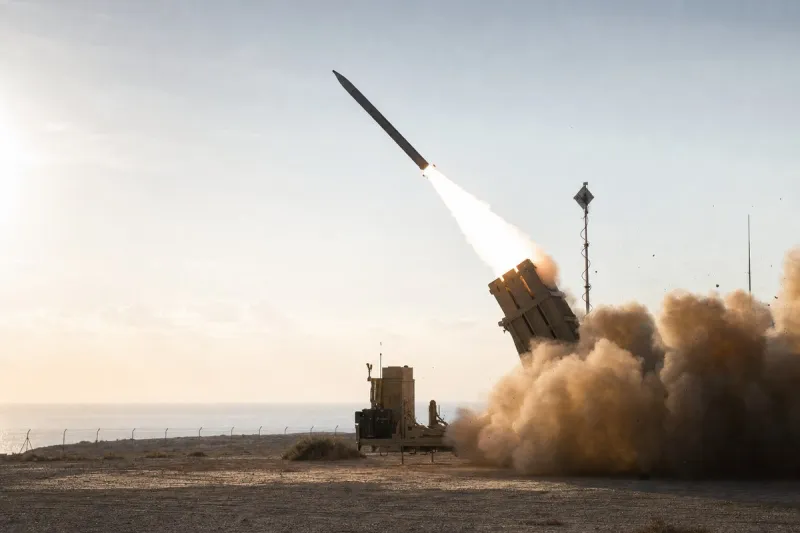
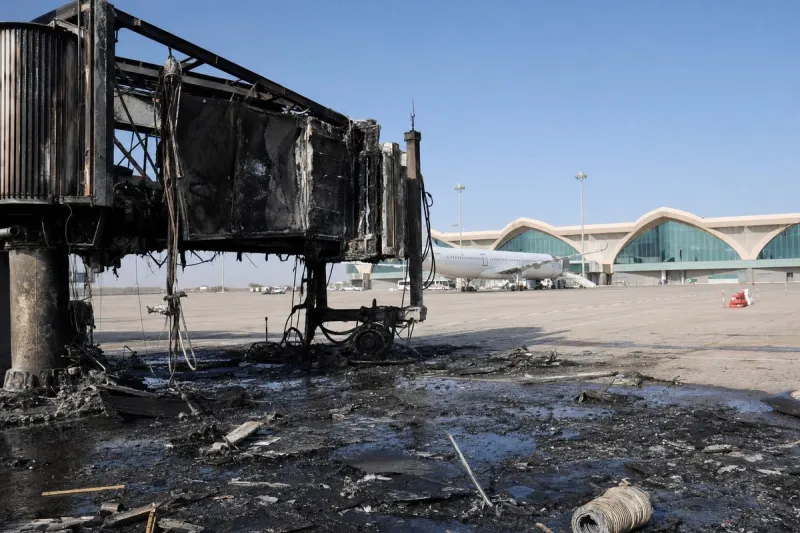
EASA extended its recommendations that airlines not operate in the airspace of Iran, Iraq and Lebanon until the end of September. However, flights arriving at or departing from Beirut are permitted, provided the approach begins from the sea or the departure ends over the sea. The advisory reflects ongoing risks in the region, including missile and drone threats and fast-evolving military activity, and follows renewed hostilities between the U.S. and Iran.
Industry impact & what to watch
This kind of advisory shows how airspace risk guidance is moving away from blanket country-wide avoidance and toward conditional access tied to specific flight profiles, such as the sea-only approach and departure corridor permitted for Beirut. Operators flying to or through the region must now cross-check aerodrome-specific mitigations against route-specific restrictions rather than applying a single country-level rule.
The Jordan change alongside the continued Iran, Iraq and Lebanon restrictions illustrates how these advisories are reassessed on a rolling basis as the underlying security situation shifts, rather than fixed for a set period regardless of events on the ground. The next marker to watch is whether EASA revises or extends the guidance again before or at the September 30 expiry, and whether the Persian Gulf risk designation changes if hostilities between the U.S. and Iran escalate or ease.