Kenya Aviation Workers' Strike Causes Major Delays at JKIA, Kenya Airways Reports Only 30% of Flights Departed
Why It MattersThe dispute shows how a single labour union's unresolved grievances with air traffic control staff can cascade into multi-hour delays across national carriers, low-cost operators and connecting international traffic alike.
What happened
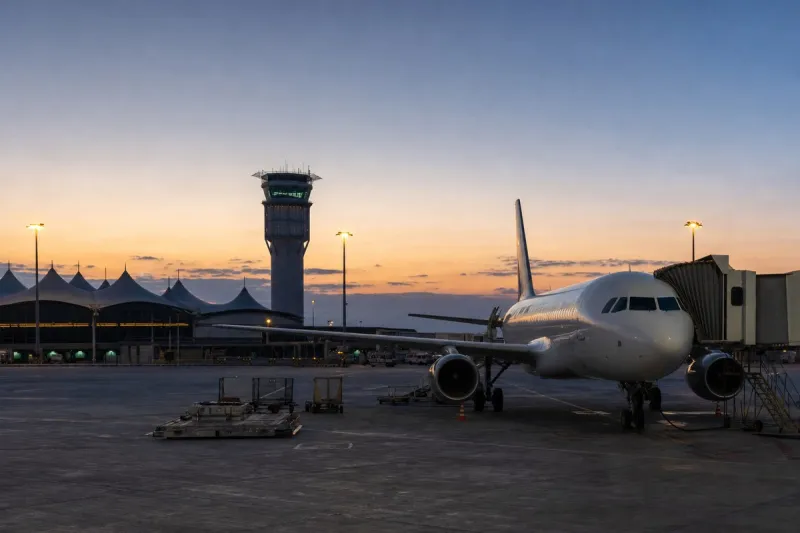
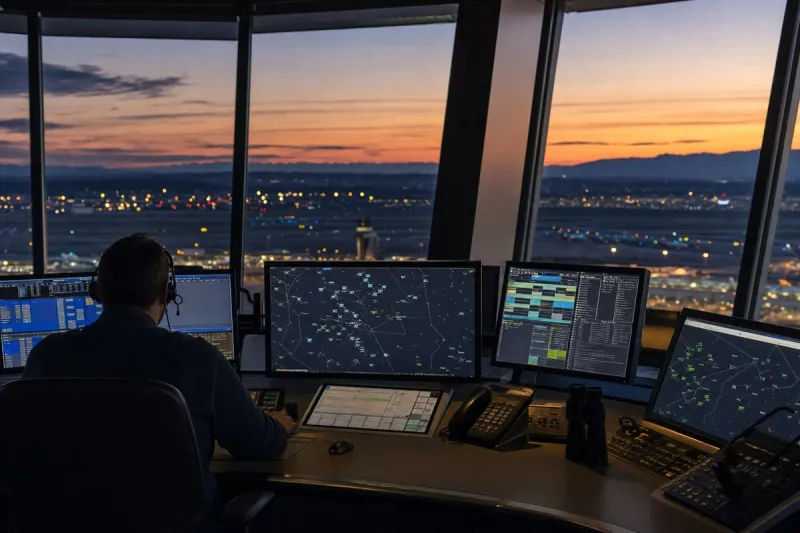
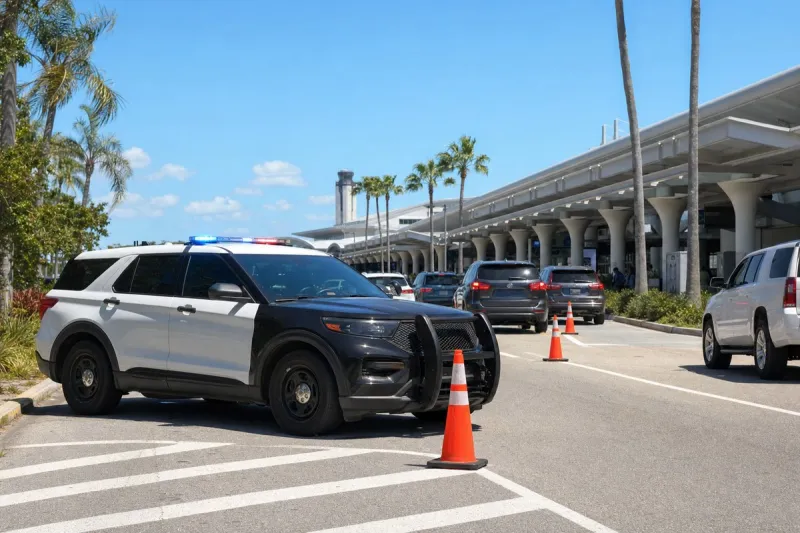
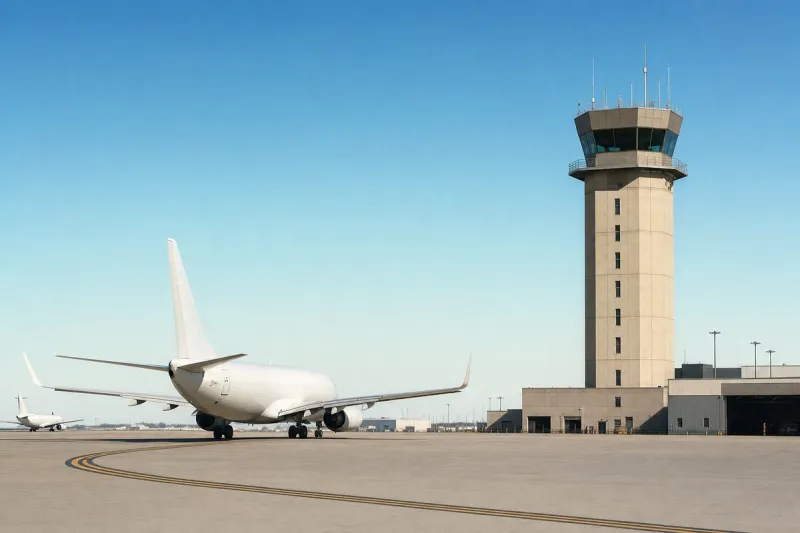
Flight operations at Kenya's main airports were disrupted on Sunday after aviation workers resumed industrial action, with the most severe impact felt at Jomo Kenyatta International Airport (JKIA) in Nairobi. The Kenya Airports Authority (KAA) confirmed that departing flights at its airports were experiencing delays and advised passengers to contact their airlines for updated flight status information, saying it was coordinating with aviation agencies, airlines and other stakeholders to minimise disruption.
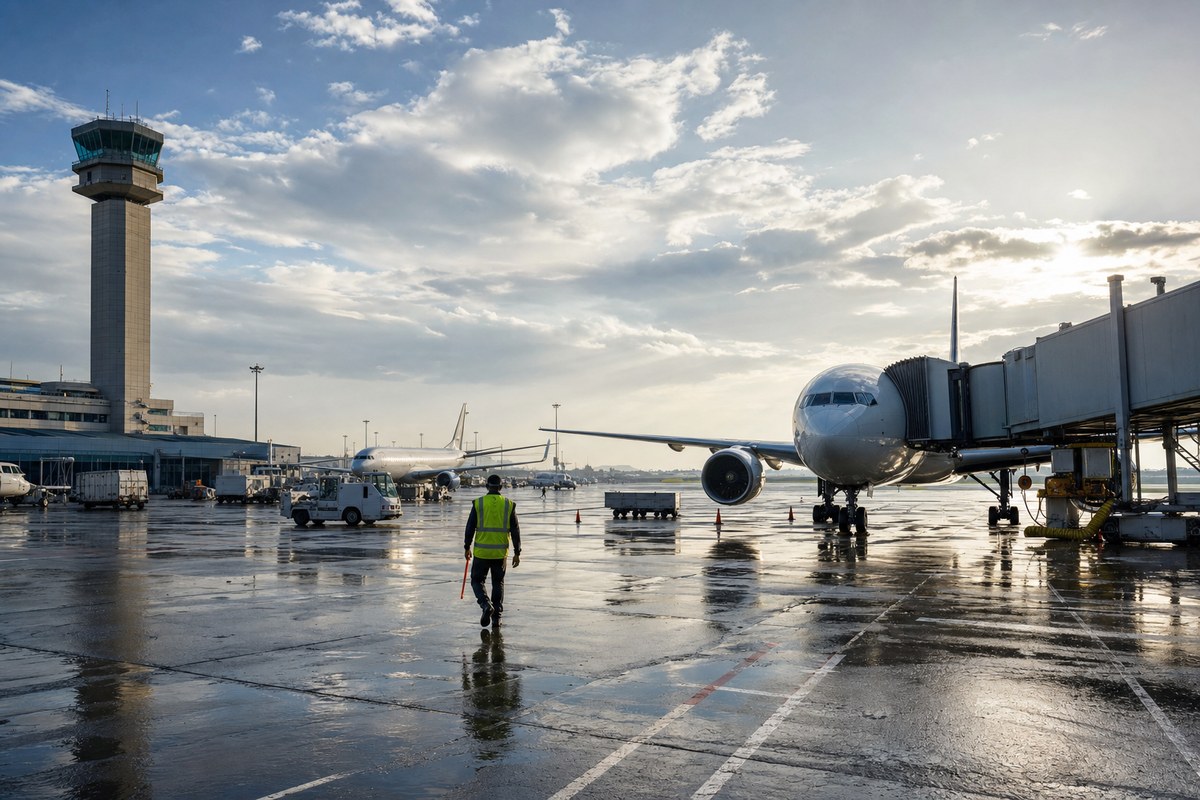
Kenya Airways reported that by 2:00 p.m., only 30 per cent of its scheduled flights had departed from JKIA. The airline warned passengers of delays of between two and three hours on departures, with some subsequent flights experiencing delays exceeding three hours, and attributed the disruption to ongoing air traffic control challenges. Low-cost carrier Jambojet, also named as one of the employers targeted by the industrial action, was similarly affected; Jambojet operates a significant domestic network from Nairobi, so the disruption reached both domestic passengers and travellers connecting to international services.
Kenya Aviation Workers' Union (KAWU) Secretary-General Moss Ndiema confirmed the strike, stating that workers would remain on strike until their grievances were addressed. KAWU cited unresolved issues including collective bargaining agreements, remuneration, employment contracts, job security and career progression. The current strike follows a previous aviation labour dispute that was temporarily resolved after government intervention and negotiations, and the latest action represents a renewed escalation of longstanding disagreements between the union, aviation agencies and affected employers. Flights continued to operate but schedules remained significantly disrupted, particularly at JKIA, and KAA urged passengers to verify their flight status directly with their airline before travelling to the airport.
Industry impact & what to watch
Labour actions involving air traffic control and airport staff produce a distinct kind of disruption: aircraft remain airworthy and crews available, but the ground and airspace coordination that gets them off the tarmac is what breaks down, which is why Kenya Airways framed its delays as an air traffic control issue rather than a fleet or scheduling one. Because both a full-service carrier and a low-cost domestic operator draw on the same JKIA workforce, a single union's grievance reaches every airline using that airport at once, regardless of business model.
This is also the second round of the same dispute: an earlier stoppage was only temporarily resolved through government intervention, and the underlying issues — bargaining agreements, pay, contracts, job security and career progression — went unresolved rather than settled. That pattern, where a negotiated pause reopens once grievances resurface, is a signal that the immediate fix matters less than whether KAWU and the affected employers reach a durable agreement this time.
What happens next will hinge on whether KAA, the airlines and the union return to negotiations that address the cited grievances directly, or whether the current action lapses into another temporary truce. Passengers and carriers alike are left tracking flight-status updates airline by airline until KAWU signals the strike has ended.