NTSB Releases Docket on Fatal Philadelphia Learjet Air Ambulance Crash That Killed Seven
Why It MattersAir ambulance charters operating in the US under Part 129 face renewed scrutiny of maintenance records and cockpit recorder serviceability as investigators trace equipment discrepancies behind fatal accidents.
What happened
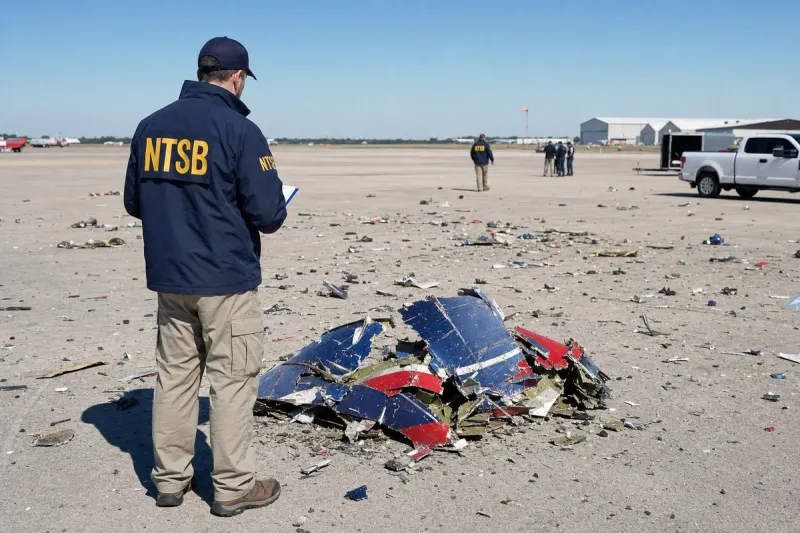
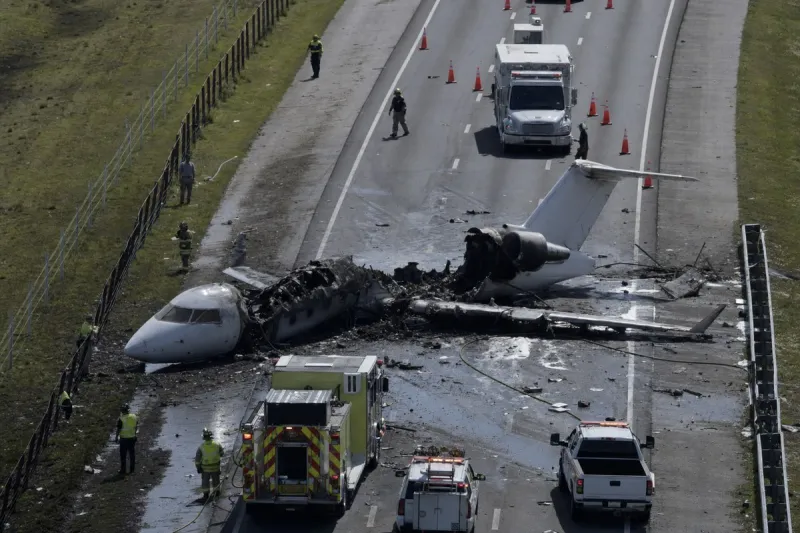
The National Transportation Safety Board has released its investigation docket on a 2025 fatal air ambulance crash in northeast Philadelphia, a release comprising several hundred pages of information, analysis, and photographs gathered during the ongoing probe. The crash killed all six people on board and one person on the ground, and caused damage to more than 366 properties.
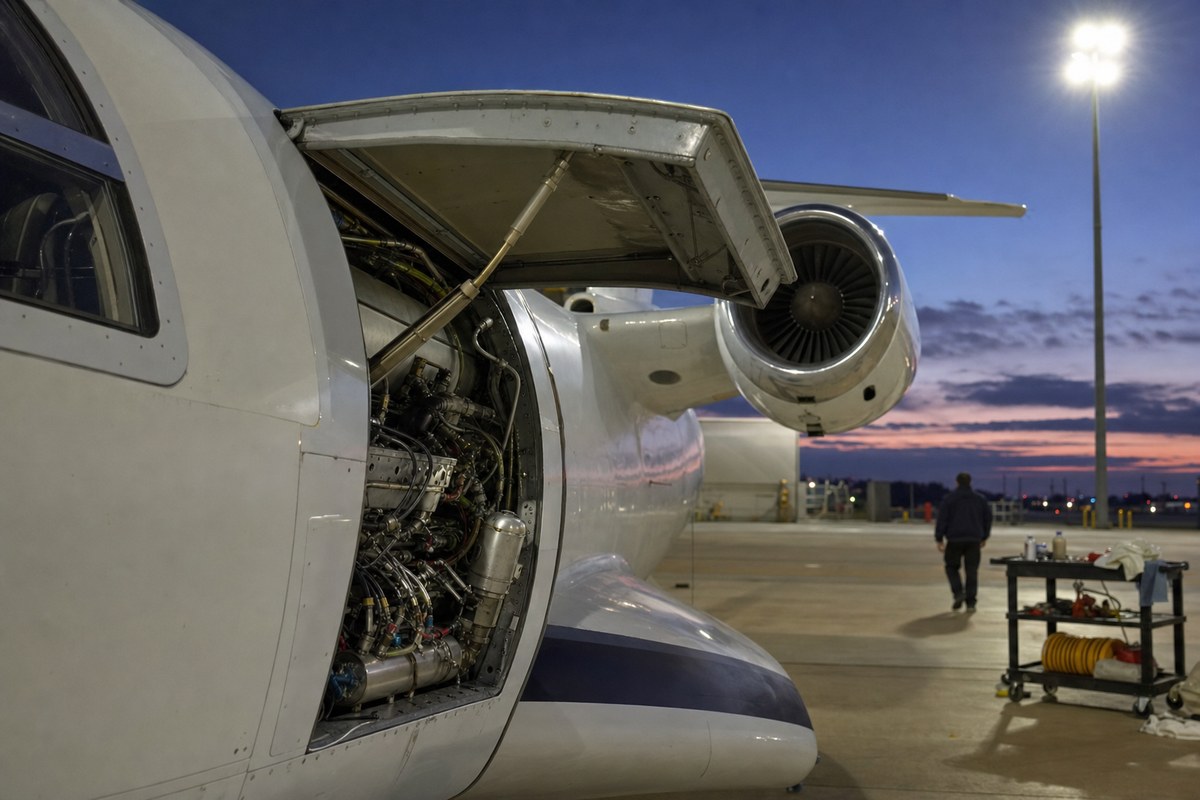
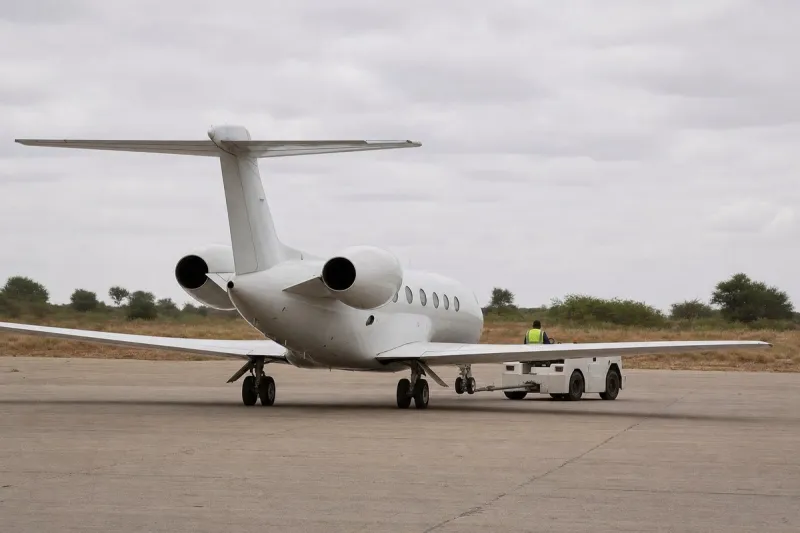
The accident flight was operated by Med Jets, doing business as Jet Rescue Air Ambulance, an international aeromedical long-distance transport provider based in Toluca, near Mexico City, Mexico. The company was conducting charter operations in the United States under Part 129 regulations. The aircraft, a Learjet, departed into Instrument Meteorological Conditions.
NTSB's preliminary findings indicate the aircraft rolled left and entered a steep dive shortly after takeoff. Investigators identified a discrepancy between the measured pitch trim setting at the time of the accident and the recommended setting. The Cockpit Voice Recorder was recovered from the wreckage but was determined to have been inoperable at the time of the accident, and likely for several years prior to the crash.
Industry impact & what to watch
Fatal departures into instrument conditions followed by an uncommanded roll and steep dive point investigators toward either a control or trim malfunction or a crew response to one, and the docket's release is the stage where such evidence becomes public rather than preliminary. A pitch trim setting that did not match the recommended configuration is the kind of discrepancy that can originate in maintenance, in a pre-flight check, or in an in-flight failure, and the docket exists precisely to let investigators and the public weigh those possibilities against the recorded data.
Cross-border air ambulance operators flying US charter segments under Part 129 sit at the intersection of a foreign carrier's maintenance and training standards and the operating environment of US airspace and weather. A cockpit voice recorder found inoperative, and apparently so for years before the accident, removes a primary source investigators normally rely on to reconstruct crew actions and cockpit conversation in the final minutes of flight.
What happens next is whether the NTSB's continuing analysis of the docket material ties the trim discrepancy to a specific mechanical or procedural cause, and whether the recorder's inoperability draws separate scrutiny of Jet Rescue Air Ambulance's maintenance oversight under its Part 129 authorization.