New Caledonia prosecutor warns of criminal charges if Lifou Airport blockade resumes
Why It MattersSmall island air links can become hostage to local disputes over hub location, leaving airlines to plan around intermittent closures rather than firm schedules.
What happened
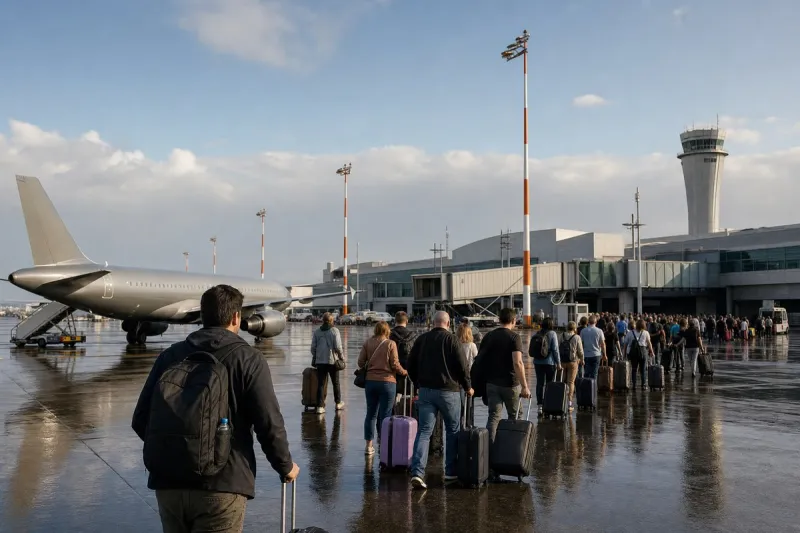
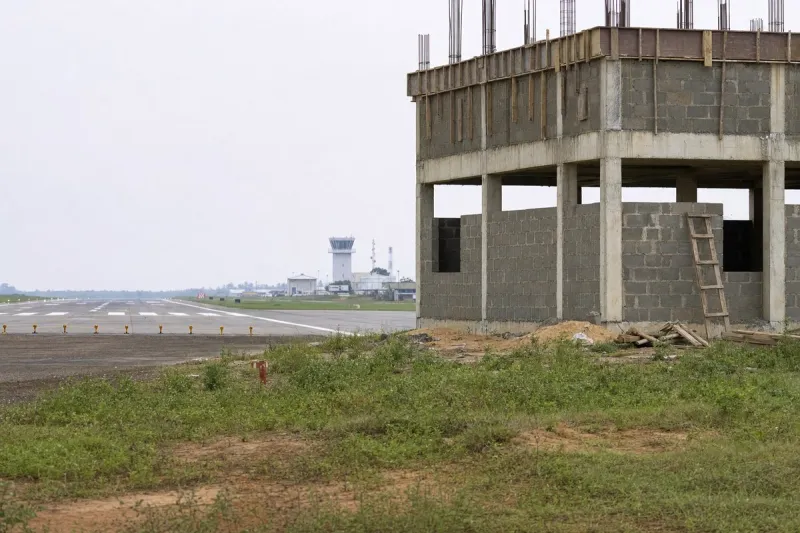
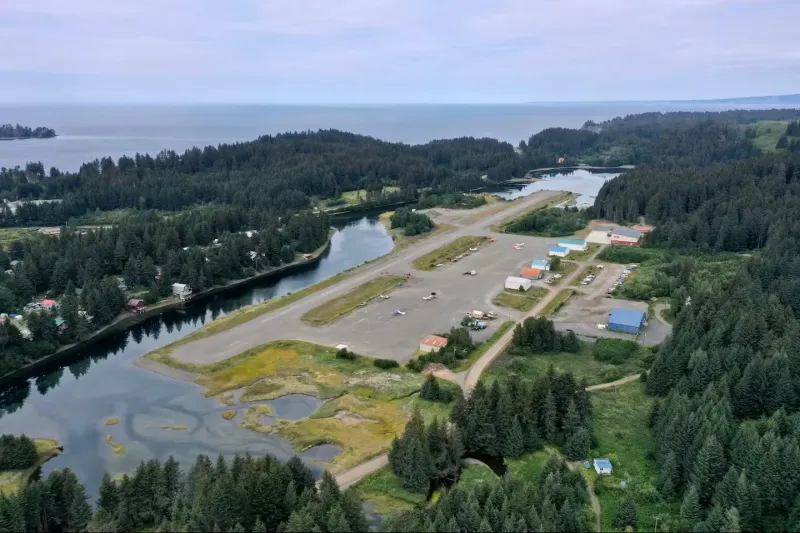
New Caledonia's top prosecutor, Yves Dupas, has warned the Drehu Customary Coordination Committee (Comité de Coordination Coutumière Drehu – 3CD) that criminal proceedings will follow if it resumes blockading Lifou Island Airport (LIF), as planned, from September 1. Dupas said authorities would take "swift and firm legal action" and that protesters face potential charges under the Transport Code, with fines and jail time among possible penalties.
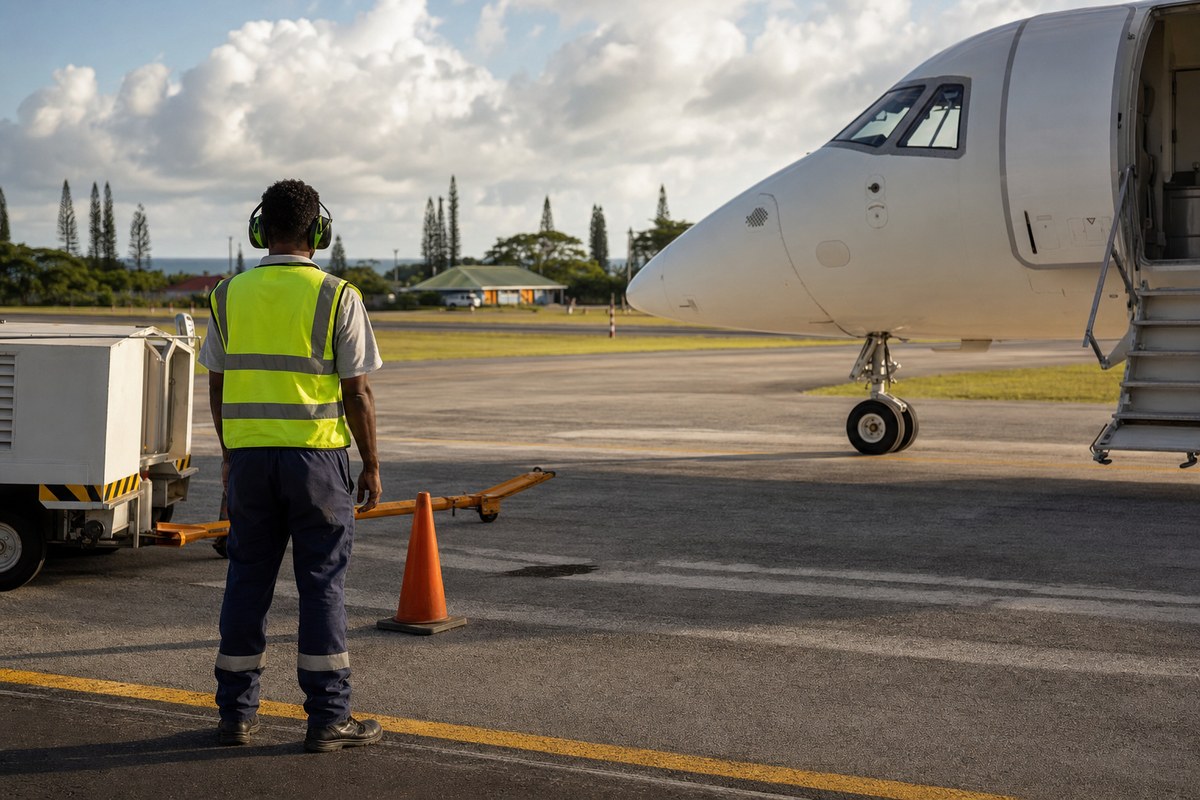
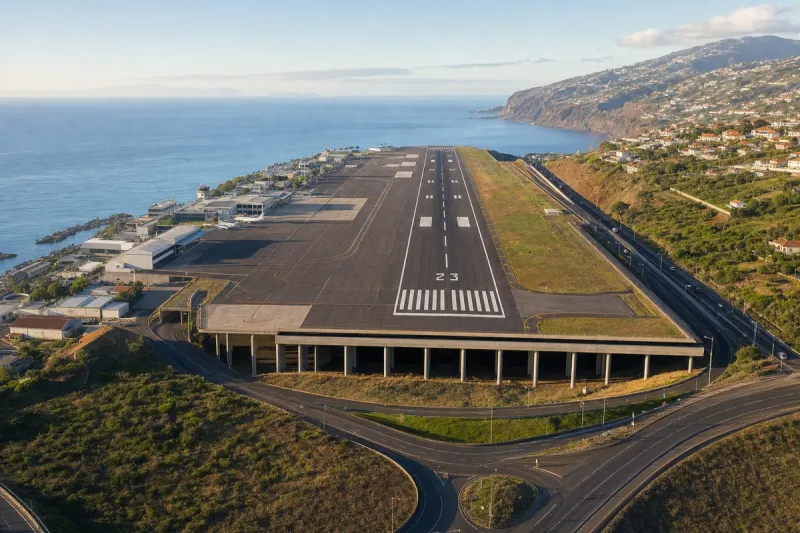
The 3CD led blockades at Lifou Airport and other outer-island airports from early March to early June in protest at the New Caledonian Government's decision to move Air Calédonie's Nouméa hub from Magenta Airport (GEA) to La Tontouta Airport (NOU). Many outer-island residents prefer Magenta because of its proximity to central Nouméa. The government has not reversed the decision. Earlier this month, committee president Guillaume Waminya announced the blockade would resume after talks with the Nouméa-based government failed to produce a return to Magenta Airport.
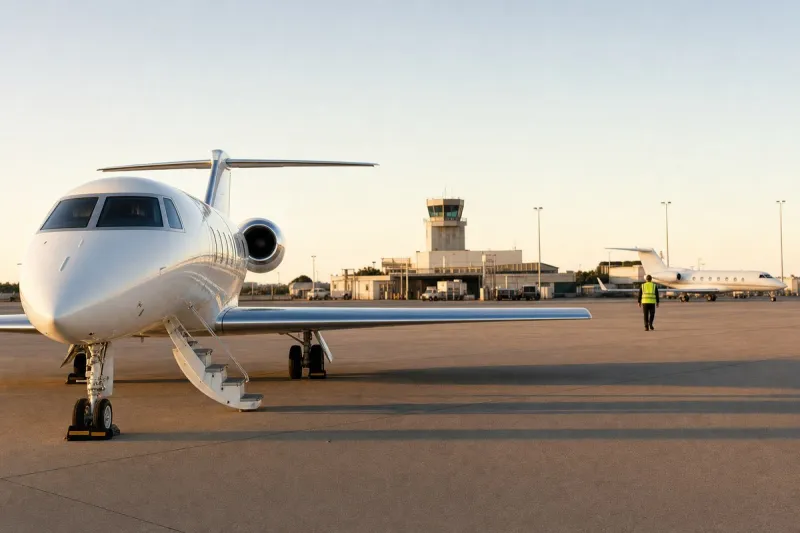
The Wetr High Chief, Sihaze Jean-Baptiste Ukeinesödi, who in late May instructed Lifou protesters to stand down citing damage to the island, has said the plan to resume the blockade is proceeding without his consent. He said protesters would be personally responsible for any legal consequences and that, as far as he is concerned, the airport is open and should remain open. Airports on Maré (MEE) and Ouvéa (UVE) remain closed to Air Calédonie services, while Île des Pins Airport (ILP) has reopened. Air Calédonie currently operates seven flights per week between La Tontouta (NOU) and Lifou (LIF), and had not announced any cancellations as of publication.
Industry impact & what to watch
This dispute shows how a single hub-relocation decision can keep disrupting service long after it is made, with outer-island communities using airport access as leverage over a government that controls the terminal choice but not local consent. The prosecutor's warning marks an attempt to shift the standoff from a political negotiation into a legal one, raising the cost of continued blockading for individual protesters rather than for the committee as an organisation.
The split between the Wetr High Chief and the Drehu Customary Coordination Committee adds a second axis to the conflict: even if legal threats deter some participants, the blockade's fate may now depend more on which local authority the community follows than on what Nouméa offers. For Air Calédonie, the operational exposure stays narrow but real — Maré and Ouvéa remain closed while Lifou's seven weekly flights continue unaffected for now.
The next test is whether the September 1 restart happens at all, and if it does, whether the chief's opposition thins out participation enough to avoid the disruption seen from March to June. Any prosecution under the Transport Code would also set a marker for how outer-island protest actions are handled going forward.