How Boeing's VP Keith Leverkuhn Was Deployed Inside Rolls-Royce Factories to Fix 787 Trent 1000 Crisis
Why It MattersA single powerplant reliability failure can durably reshape aircraft-engine share, leaving a manufacturer years of remediation work to win back operators it once supplied exclusively.
What happened
Boeing's propulsion systems vice president, Keith Leverkuhn, was personally placed inside Rolls-Royce's Trent 1000 facilities in Derby and Singapore to help resolve a durability crisis on the engine that powers part of the 787 Dreamliner fleet, leading a wider team deployed globally to address a repair backlog. Leverkuhn had previously steered the 737 MAX through development ahead of schedule, and diverting him from that program underscored the severity of the crisis.
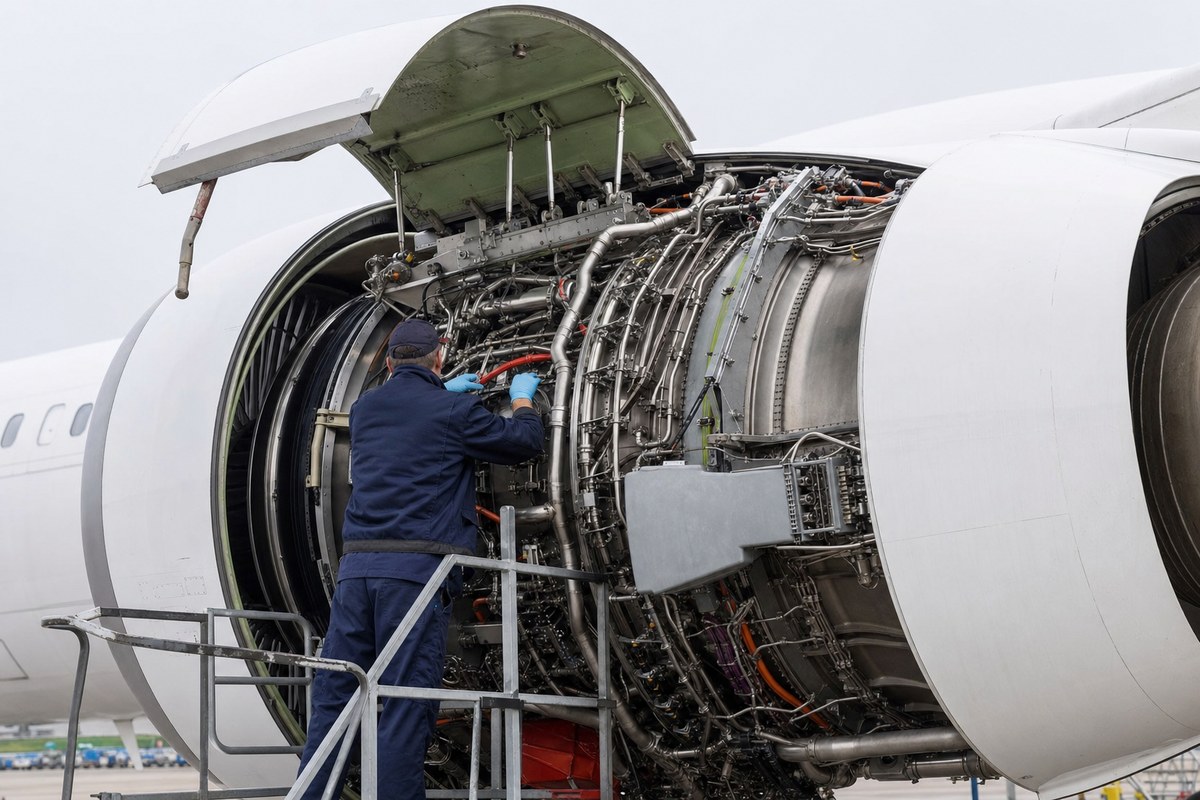
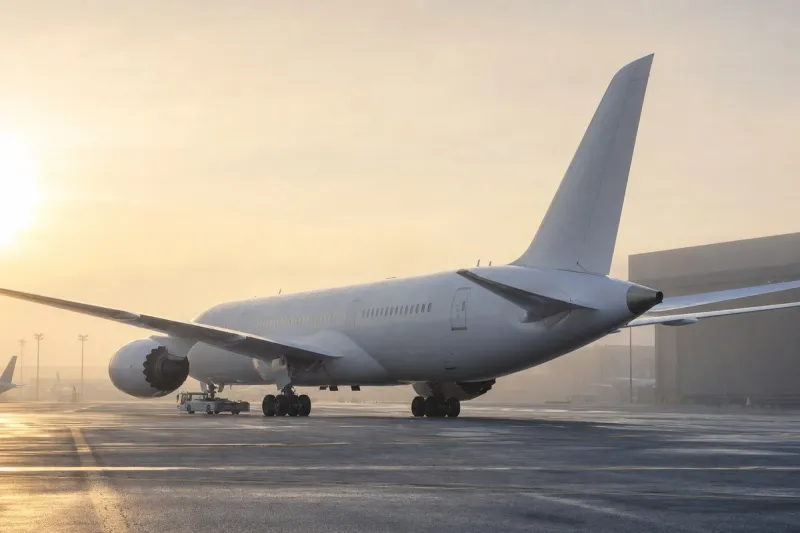
The problem originated when Boeing commissioned engines from both GE Aerospace and Rolls-Royce for the 787, instructing each manufacturer not to oversize its engines. Rolls-Royce and GE designed their powerplants assuming the 787-8 and 787-9 would weigh approximately 452,000 lb (205,000 kg) and 485,000 lb (220,000 kg) respectively; the finished aircraft came in closer to 503,000 lb (228,000 kg) and 558,000 lb (253,000 kg), putting the engines under greater strain than anticipated. The 787 entered commercial service in 2011 powered initially by the Trent 1000, with GE-powered variants certified the following year.
In 2016, All Nippon Airways discovered cracking on intermediate pressure turbine blades caused by corrosion-related fatigue, just five years after receiving its first 787. The following year, Rolls-Royce flagged that durability issues may have affected up to 500 of its engines, and several upgrade packages failed to fully resolve the underlying component weakness and premature wear. By April 2018 the FAA had issued an airworthiness directive restricting extended operations of Trent 1000 Package C-powered 787s, and in June 2018 similar intermediate pressure compressor durability problems were found on Package B engines. By February 2019, Rolls-Royce confirmed that 35 aircraft were on the ground awaiting fixes.
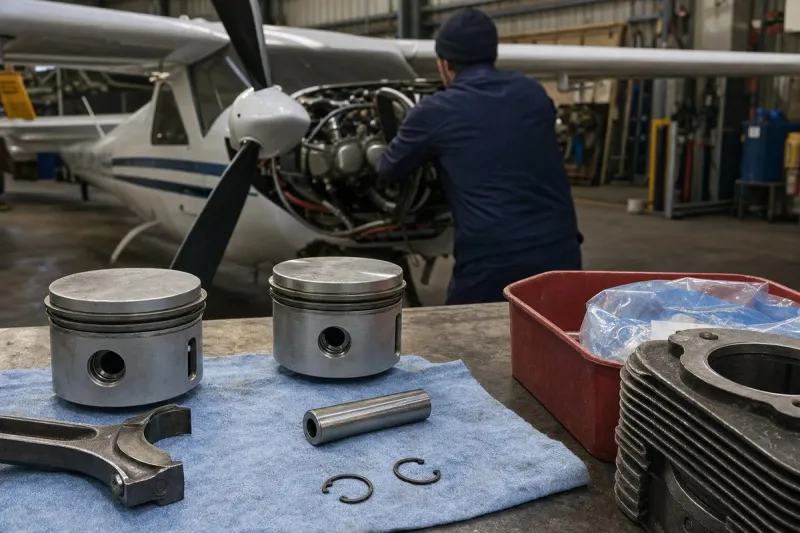
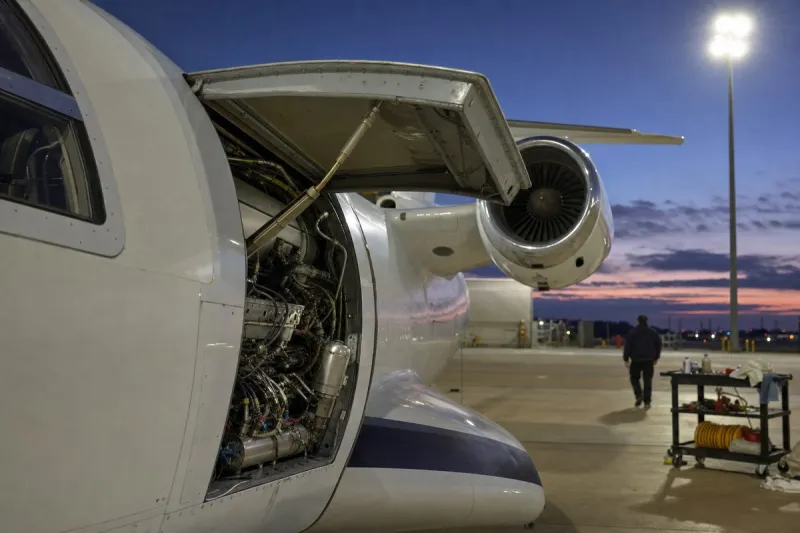
To speed up repairs, Rolls-Royce abandoned its traditional overhaul process — removing, packaging, shipping and returning engines to specialist facilities — and developed a "near-wing" technique allowing modules to be removed and replaced horizontally at airlines' home bases without specialist equipment. A longer-term fix, the Trent 1000 XE, arrived in late 2025 with a re-engineered high-pressure turbine blade and reworked cooling system offering up to three times the time on wing compared with its predecessor, the Trent 1000 TEN. It is now standard on newly delivered Rolls-Royce-powered 787s, with retrofitting of the legacy Trent 1000 TEN fleet underway; at the time of Rolls-Royce's most recent interim results, almost half of that fleet had been upgraded to the new high-pressure turbine blades.
Cost and market share
Rolls-Royce stated that aircraft-on-ground situations for its airline customers had been effectively eliminated. Underlying operating profit from its civil aerospace division grew by nearly a third to £1.6 billion ($2.2 billion) in the first half of the reporting period, and the remaining £35 million ($48 million) provisioned for Trent 1000 remediation costs was spent in 2025, on top of prior costs that included a £1.4 billion ($1.9 billion) charge.
The crisis shifted market share significantly: of more than 1,000 787s in active service today, two-thirds are powered by GE's GEnx-1B. Fresh orders for the Trent 1000 XE have been placed for eight 787s, including from LATAM Airlines, bringing the total number of airlines that have selected the Rolls-Royce option to three.
Industry impact & what to watch
This case shows how a single engine durability problem, once it forces groundings and airworthiness directives, can outlast the mechanical fix itself in its effect on the market. Rolls-Royce solved the underlying metallurgy and cooling design with the Trent 1000 XE, and it changed its own overhaul logistics with the near-wing technique to cut turnaround time, yet the customer base it lost during the years of groundings has not returned at anything like the pace of the repair.
In twin-sourced widebody programs, engine choice is typically locked in at aircraft order and rarely revisited once an airline has trained crews, stocked spares and built maintenance contracts around one manufacturer's powerplant. That is why GE's GEnx-1B now powers two-thirds of the more than 1,000 in-service 787s: airlines that experienced the Trent 1000's aircraft-on-ground disruptions had every incentive to avoid repeating the exposure on future orders, even after Rolls-Royce's fix matured.
What happens next will be visible in order books rather than in engineering data. The eight new Trent 1000 XE orders, including LATAM Airlines, and the fact that only three airlines have now selected the Rolls-Royce option, are the numbers to track for whether the reliability fix and the near-wing repair process are enough to win back share on new 787 deliveries.