NetJets Europe Workforce Reaches 1,849 Employees as of March 2026, Up 7% Since 2023
Why It MattersFractional-ownership providers in Europe are expanding technical and engineering headcount faster than sales staff even as overall hiring pace and job postings cool from 2023 levels.
What happened
NetJets Europe had approximately 1,849 employees worldwide as of March 2026, a 7.0% increase from 1,710 employees recorded in 2023, though a 0.9% decline year-over-year from 1,863 employees in 2025. Headcount fell to a low of 1,706 in the third quarter of 2023 before recovering, with annual figures showing 1,789 employees in 2024 and 1,812 in 2025.
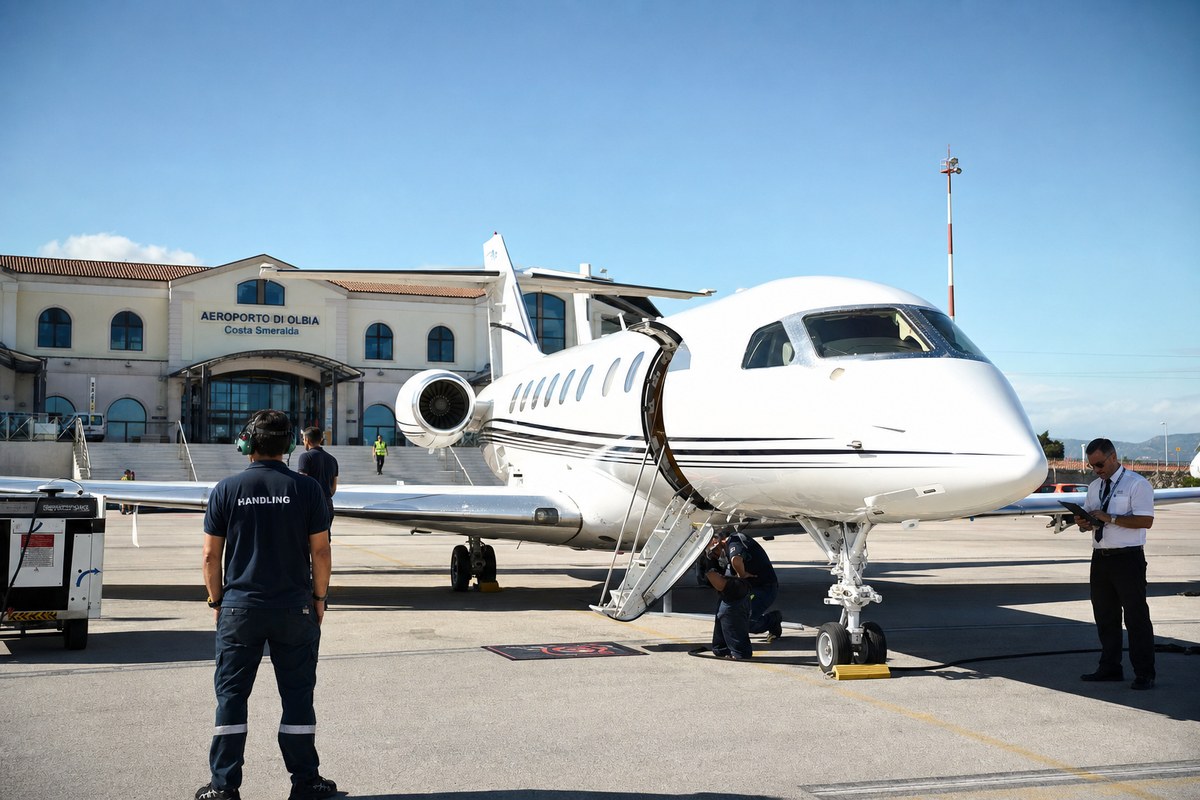
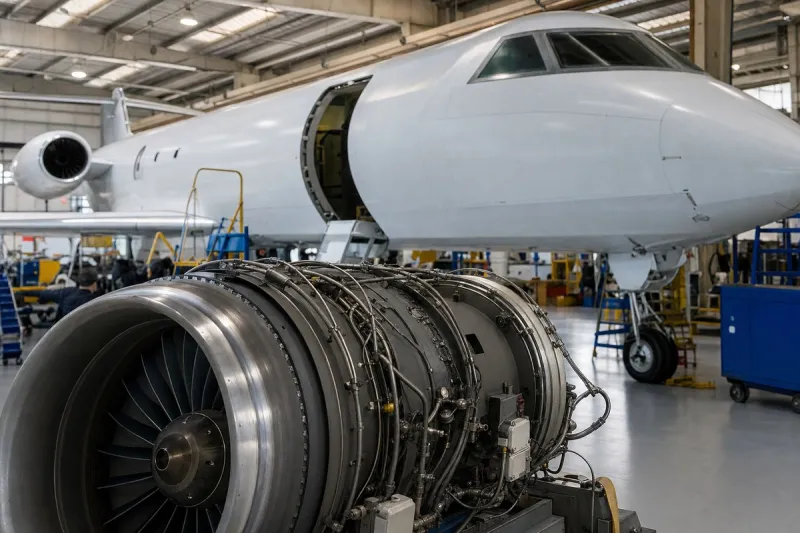
Southern Europe accounts for the largest share of the global workforce at approximately 61% (about 1,094 employees), followed by Northern Europe at 18.7% and Western Europe at 17.7%. By department, Finance and Operations makes up 49.8% of staff (916 employees), Sales and Marketing accounts for 34.7% (637 employees), and Engineering represents 15.5% (286 employees), with Engineering the fastest-growing functional group at up 7.1%.
The average global salary at NetJets Europe is approximately $59,148 per year. Median pay is highest in Western Europe at $75,000 and lowest in Eastern Europe at $33,000, representing a 1.5% year-over-year increase in 2026. The company had 35 active job postings in 2026, a 33.3% increase from 24 in 2025, though new postings per month stood at 13 in 2026, down from 27 in 2023. NetJets Europe was founded in 1996 and is headquartered in Lisbon, Portugal.
Industry impact & what to watch
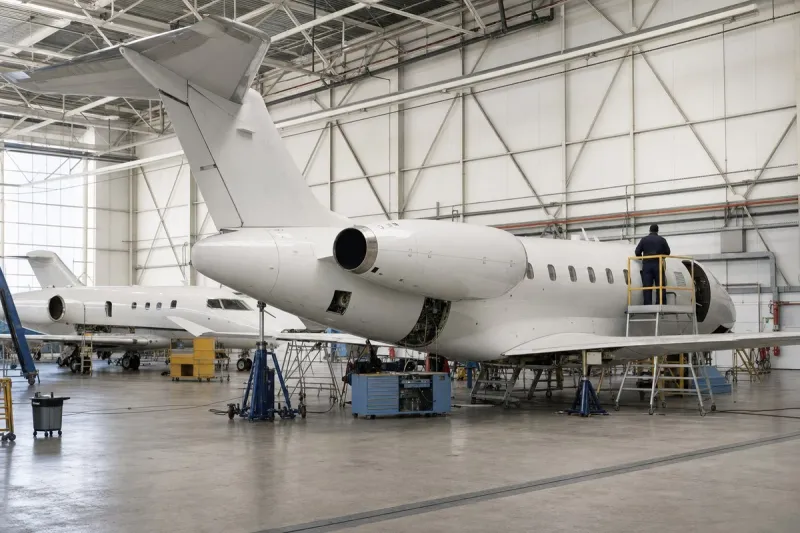
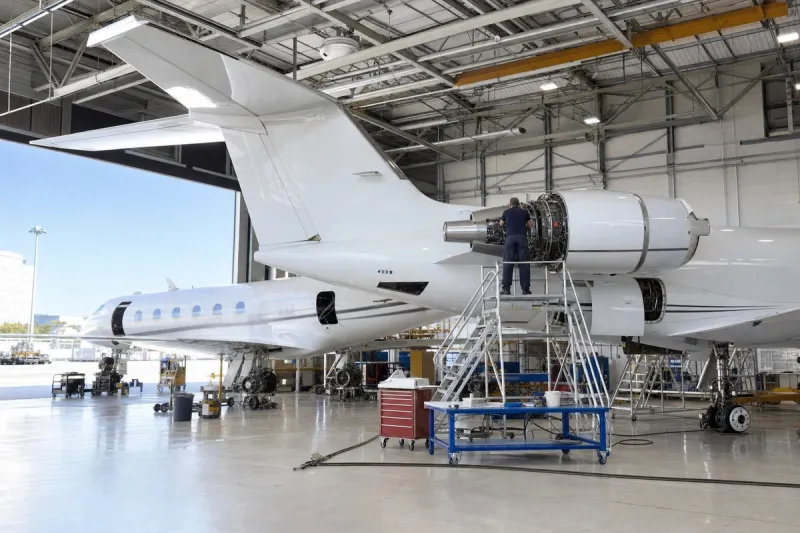
Workforce data of this kind traces how a fractional operator allocates headcount across regions and functions as flight demand and fleet support needs shift over time. A rising Engineering share alongside a slower overall hiring pace suggests a fractional provider prioritizing maintenance and technical capacity even as broader headcount growth moderates from its 2023-2025 pace.
In fractional ownership, staffing patterns across finance, sales and engineering reflect how providers balance client-facing growth against the technical bench needed to support aircraft availability and reliability. A falling monthly job-posting rate paired with a rising number of active postings can point to longer time-to-fill for open roles rather than reduced hiring intent.
The next indicator worth tracking is whether Engineering's growth rate continues to outpace Finance and Operations and Sales and Marketing through 2026, which would confirm a sustained shift toward technical staffing rather than a one-period fluctuation.