Embraer outlines Africa strategy with over 160 aircraft in service and $32 billion order backlog
Why It MattersRegional aircraft demand and aftermarket services are increasingly central to manufacturer backlogs, with connectivity gaps between secondary cities acting as a structural growth lever for narrowbody-adjacent fleets.
What happened
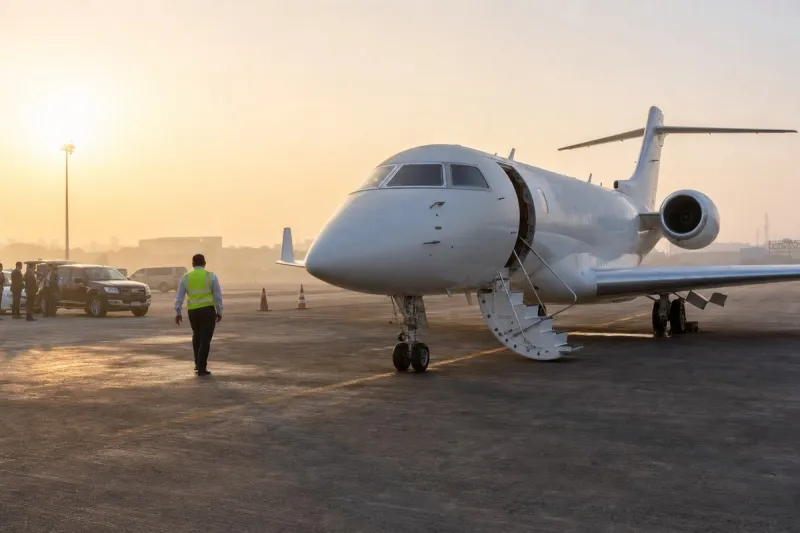
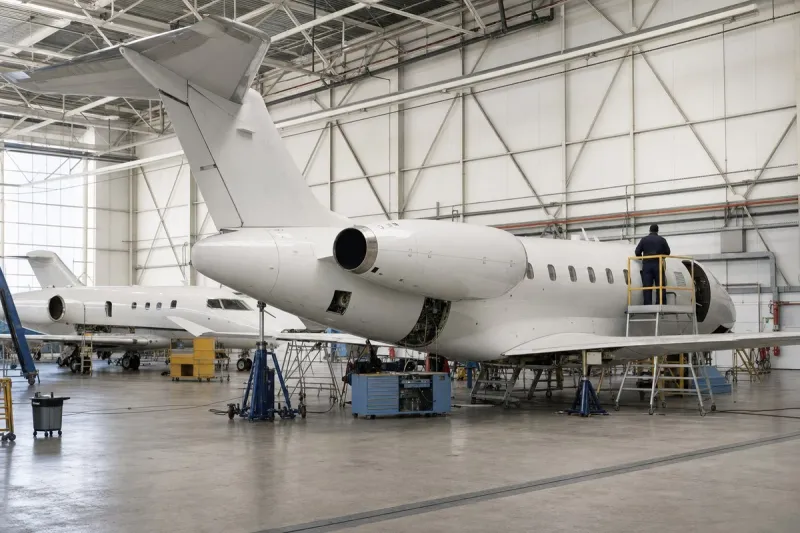
Embraer said more than 160 aircraft are currently operating with various African airlines as part of its push across commercial aviation, defense and security, executive jets, and maintenance, repair and overhaul services on the continent. Hussein Dabbas, Embraer's director-general of Institutional Relations for Africa and the Middle East, outlined the strategy in an interview, saying South Africa is the company's largest operation on the continent, with Airlink operating more than 72 Embraer aircraft.
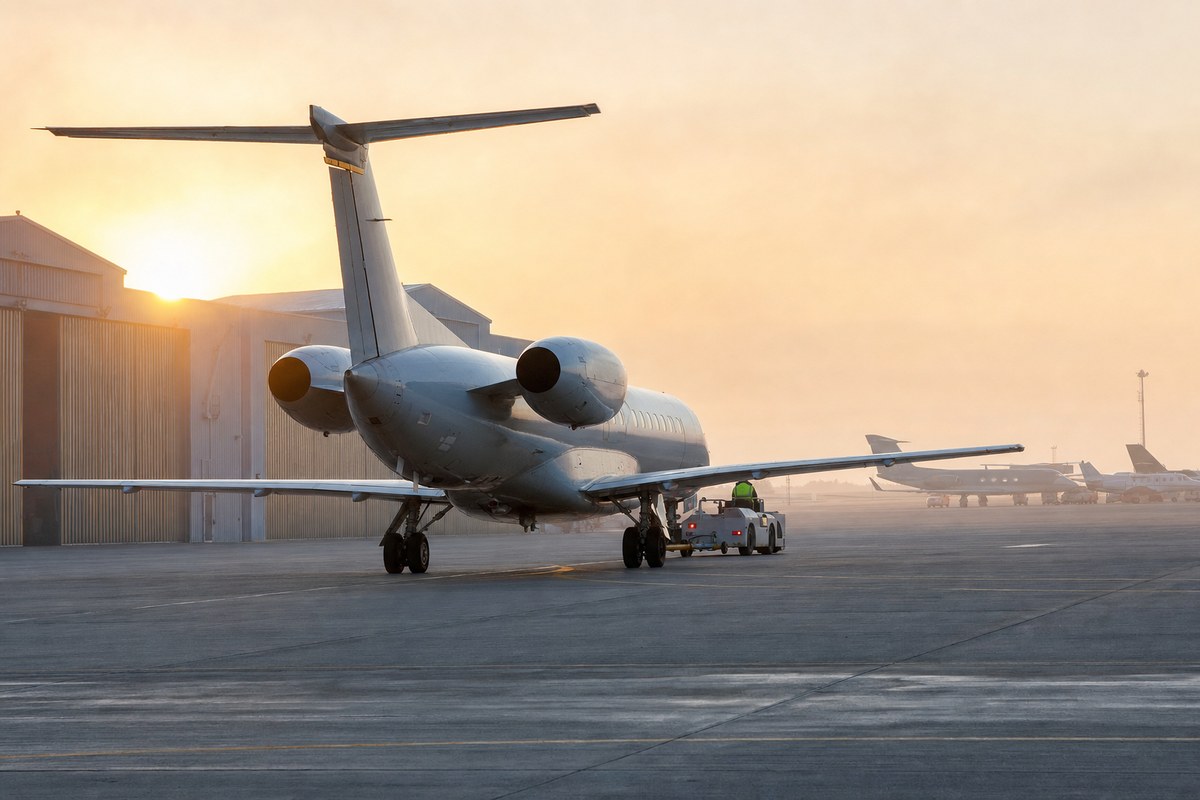
Dabbas is participating in the Brazil-South Africa Business Mission in Johannesburg, an event organized by ApexBrasil and Brazil's Ministry of Foreign Affairs. He described Embraer's regional aircraft as a tool to improve connectivity between secondary cities across Africa, where a lack of direct routes between smaller urban centers has historically constrained economic growth, and said the company has established training centers with regional airline partners to support long-term aviation sector development.
On global performance, Dabbas said Embraer is experiencing growth unprecedented in its 57-year history, with a firm order backlog exceeding $32 billion. He pointed to strong demand for regional aircraft and aftermarket maintenance services as key drivers, and said the executive aviation division is also performing well.
Industry impact & what to watch
Embraer's African footprint illustrates how regional aircraft manufacturers are building growth around connectivity gaps rather than head-to-head competition with narrowbody jets on trunk routes. Concentrating a large share of continental deployment with a single carrier, Airlink, shows how regional aircraft economics in emerging markets often depend on a handful of anchor operators willing to commit to smaller-gauge fleets.
The pairing of a record backlog with aftermarket and training investment points to a business model where manufacturers extend their reach through service infrastructure, not just aircraft sales, locking in operators for maintenance and crew development over the life of a fleet. That approach matters most in regions where a shortage of direct routes between secondary cities has been a persistent constraint on trade and mobility.
What happens next will hinge on whether other African carriers follow Airlink's fleet commitment at similar scale, and whether the backlog Dabbas cited translates into further regional orders on the continent specifically, since the figure he gave is global rather than Africa-specific.