Cirrus Aircraft Ramps Up Hiring with Walk-In Wednesdays and New Training Center in Duluth
Why It MattersPersistent hiring pressure in general aviation manufacturing shows how tight regional labor markets can constrain output even when order backlogs and revenue growth signal strong demand.
What happened
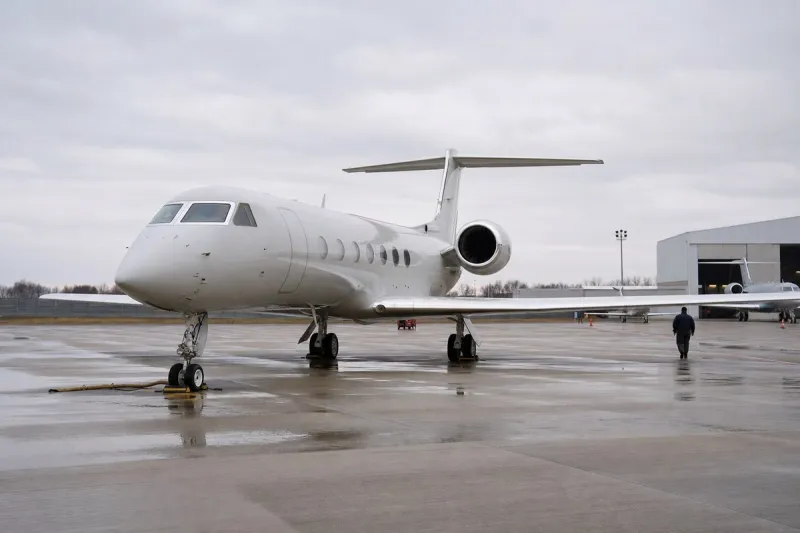
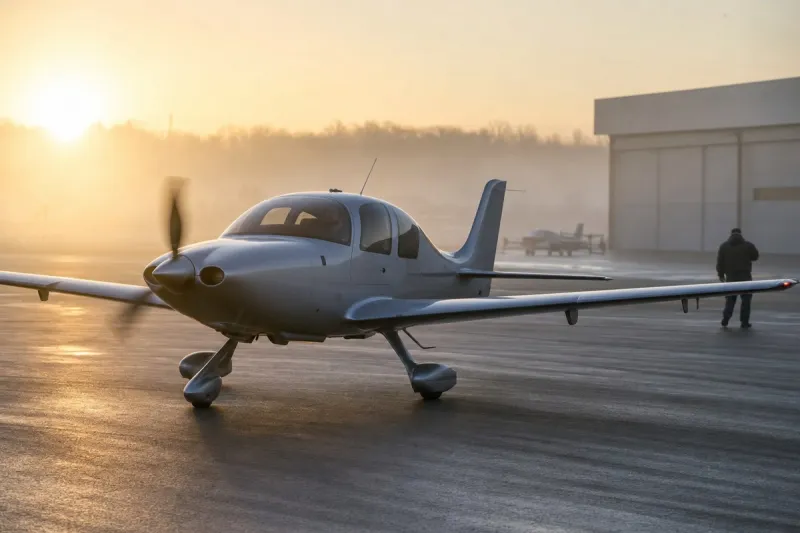
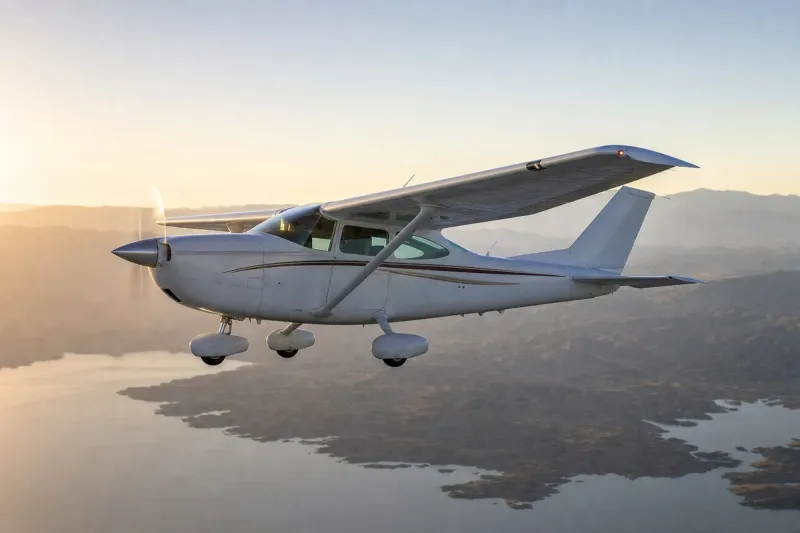
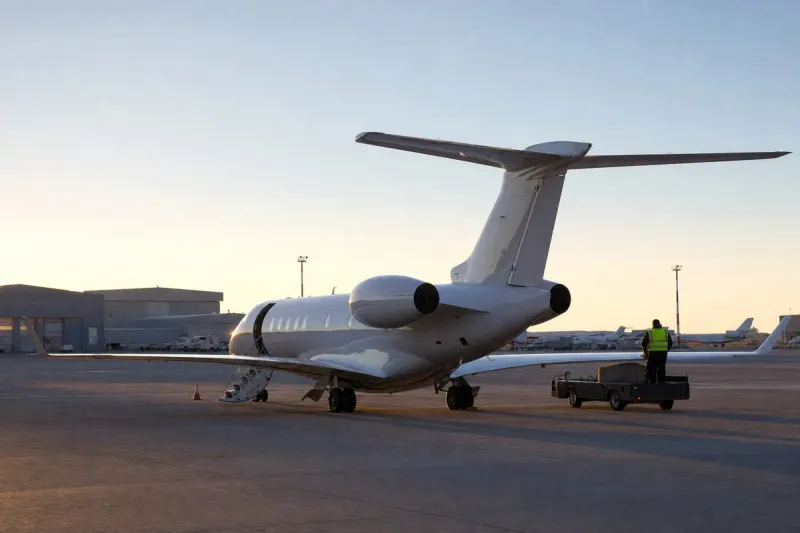
Cirrus Aircraft, the Duluth, Minnesota-based general aviation manufacturer, is aggressively recruiting new workers as it sustains an ongoing production expansion and prepares to launch a new aircraft aimed at flight training schools. The Chinese-owned company reported revenue of $1.2 billion last year and has surpassed Cessna as the top seller of general aviation planes. Its Duluth facilities produce approximately 15 piston-engine aircraft and two or three jets per week; completed aircraft are flown to Tennessee, where customers take delivery. Cirrus currently carries an order backlog of more than one year.
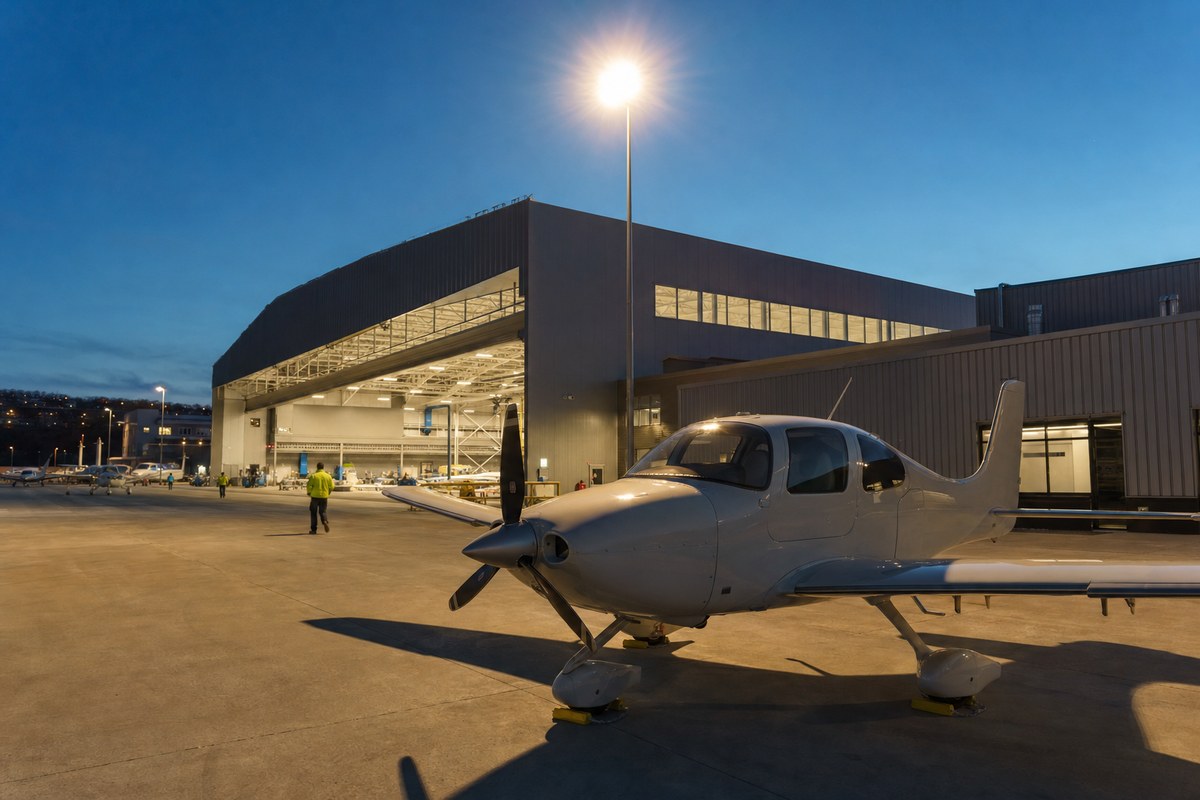
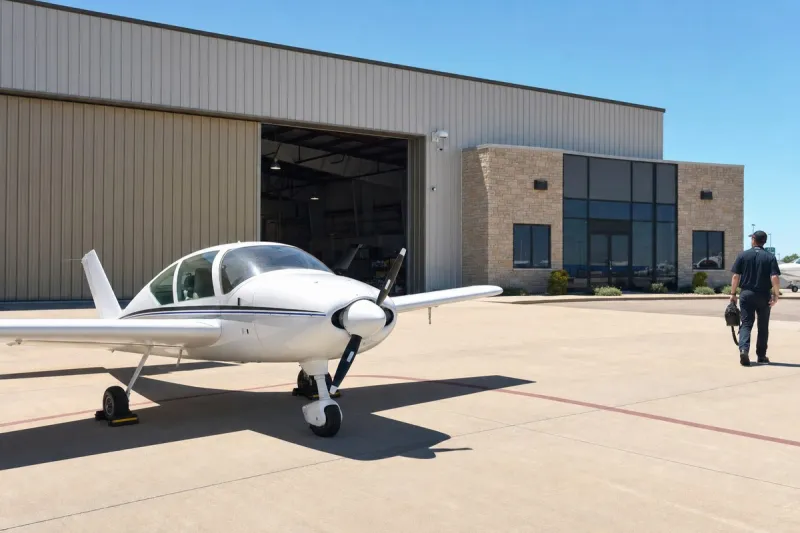
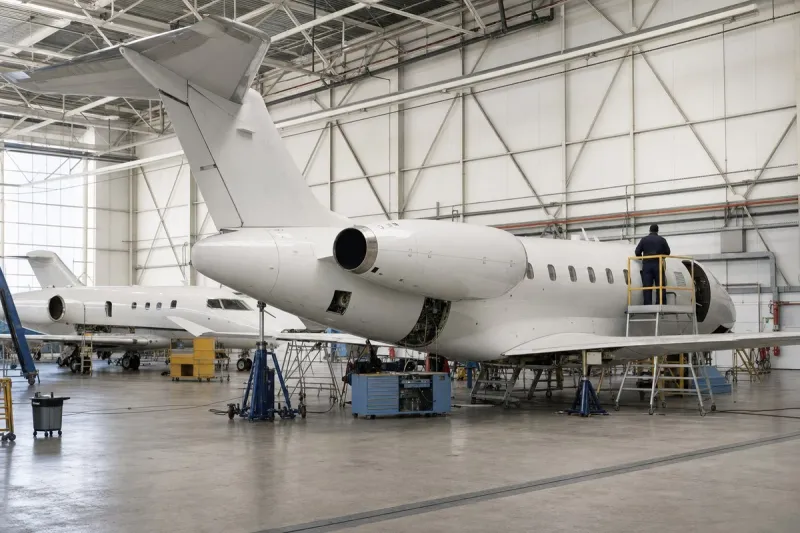
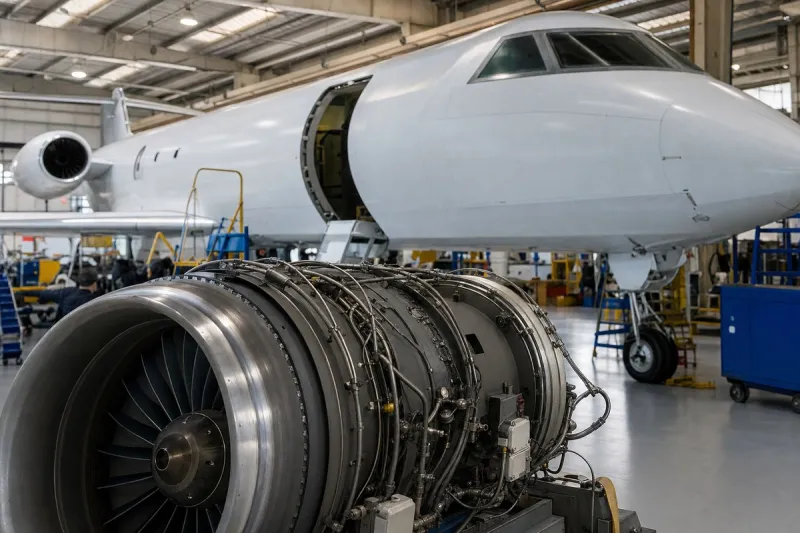
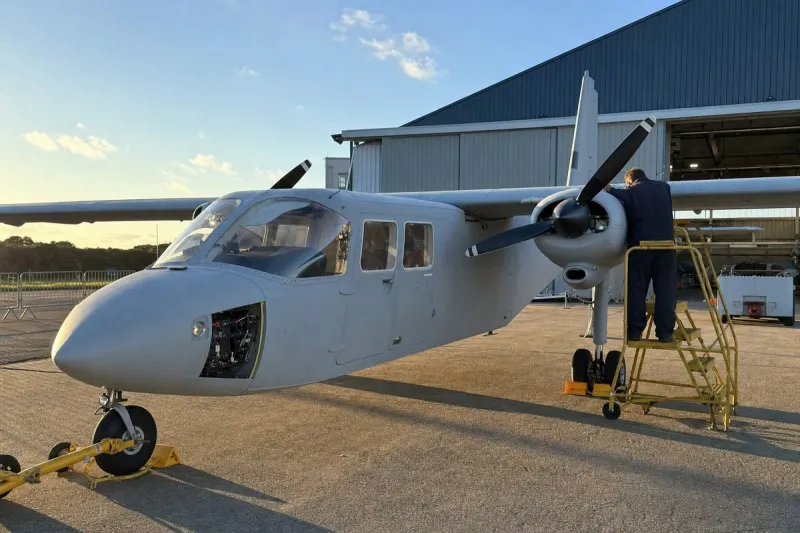
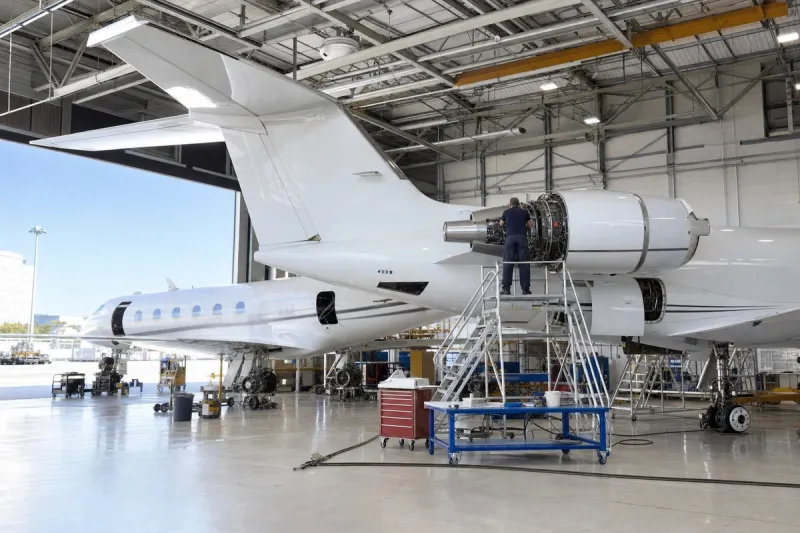
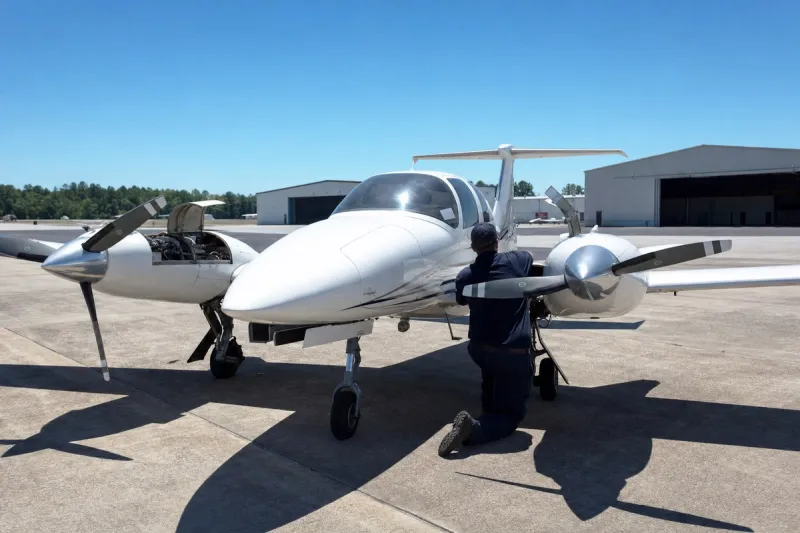
To attract workers, Cirrus converted a former motorcycle dealership along U.S. Highway 53 into a talent center and showroom. The facility houses engine components, cockpit mockups, and workstation replicas that mirror those on the factory floor, allowing new hires to train in a familiar environment before entering production. Two aircraft parked at the building's entrance are regularly disassembled and reassembled during orientation and training.
As part of its outreach, Cirrus introduced "Walk-In Wednesday," an open hiring event held at the talent center each week, where hiring managers from multiple departments are available on Wednesday afternoons to interview anyone who walks in without an appointment. Tim Sheridan, Cirrus Aircraft's senior vice president for human resources, said awareness of the company remains low despite its size and prominence in Duluth. "I'm still surprised at the number of people who don't know what Cirrus is and what we do," said Sheridan, who previously handled hiring at Harley-Davidson and Miller Brewing in Milwaukee.
Cirrus is the only major aircraft manufacturer to equip all of its planes with parachutes deployable by the pilot in an emergency. About four years ago, the company also added Safe Return, an automated landing system designed by Garmin that allows a passenger with no piloting experience to trigger an emergency response: the aircraft signals air traffic controllers, identifies the nearest safe airport, and lands autonomously. Sheridan said the company will continue to need workers for the foreseeable future, particularly as it begins production on the new flight-training aircraft. Minnesota's overall labor market has remained tight; the state's workforce only returned to above pre-pandemic levels in 2024 and, as of July, stood only about 3,000 people above that threshold.
Industry impact & what to watch
Cirrus's recruiting push illustrates a pattern seen across general aviation manufacturing: order backlogs and rising revenue mean little if a plant cannot staff the production line fast enough to work through them. A backlog of more than a year signals demand outpacing capacity, and in that situation labor supply, not sales, becomes the binding constraint on how quickly aircraft actually reach customers.
This is also a reminder of how localized these labor markets are. Minnesota's workforce has only recently climbed back above pre-pandemic levels, and a single large employer like Cirrus competing for the same regional pool of production workers has to build its own pipeline — training replicas, open walk-in interviews, a repurposed dealership — rather than rely on a deep existing bench of aviation-trained applicants.
What happens with the new flight-training aircraft will test whether this hiring approach scales. Ramping a new product line typically adds to workforce needs on top of the existing piston and jet lines, so the pace at which Cirrus fills roles through its talent center will shape how quickly that aircraft moves from launch to volume production.