Gulf Private Aviation: Four Ownership Models and the 200-Hour Benchmark
Why It MattersThe diversification of ownership and access models reflects a maturing Gulf business-aviation market able to serve a wider range of usage patterns and buyer budgets.
Private jet travel in the Gulf is becoming more structurally varied, with buyers choosing between full ownership, managed ownership, fractional ownership, and on-demand charter or membership programmes depending on their annual flight usage. Empire Aviation Group, a Dubai-based aircraft management firm established in 2007, has long used approximately 150 to 200 flight hours per year as a benchmark at which private-jet ownership economics begin to make sense, though it describes this as a rule of thumb rather than a universal break-even point, noting that actual economics vary by aircraft type, mission, and financing and operating costs. Ownership costs beyond the purchase price include crew, maintenance, insurance, hangarage, ongoing operational expenses and depreciation.

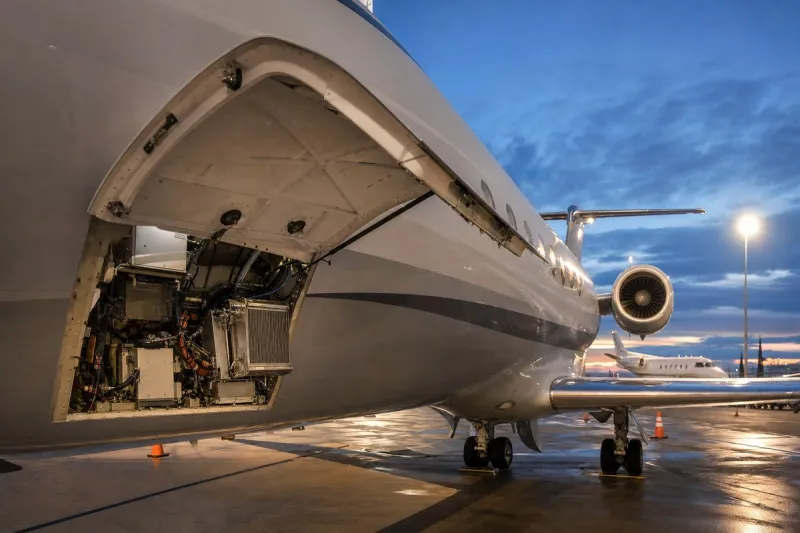
Managed ownership separates the aircraft from day-to-day operations, with the owner retaining the asset while a management company oversees crew, maintenance, regulatory compliance and, where opted in, charter placements to generate offsetting revenue. Empire Aviation Group's managed fleet stood at around 25 aircraft in late 2025, with approximately one-third available for charter, and the company has continued expanding into 2026. Fractional ownership allows multiple buyers to share a single aircraft, reducing capital commitment while distributing costs and contractual obligations among co-owners.
Membership and on-demand charter remove the asset from the buyer's balance sheet entirely. VistaJet, part of Vista Global, offers flight-hour subscription programmes giving access to its fleet at fixed hourly rates with guaranteed availability, with members avoiding depreciation and asset risk. Abu Dhabi-based RoyalJet, which describes itself as the world's largest operator of Boeing Business Jets and is jointly owned by Abu Dhabi Aviation and the Presidential Flight Authority, combines on-demand and block charter with aircraft management.
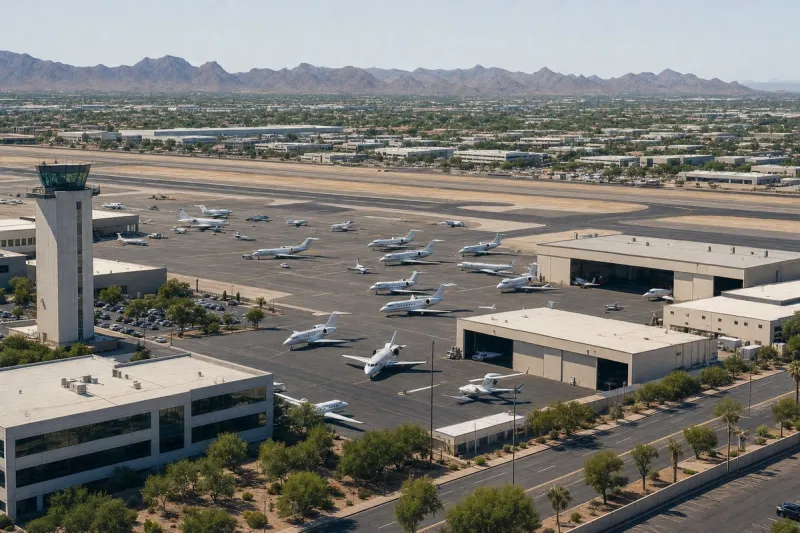
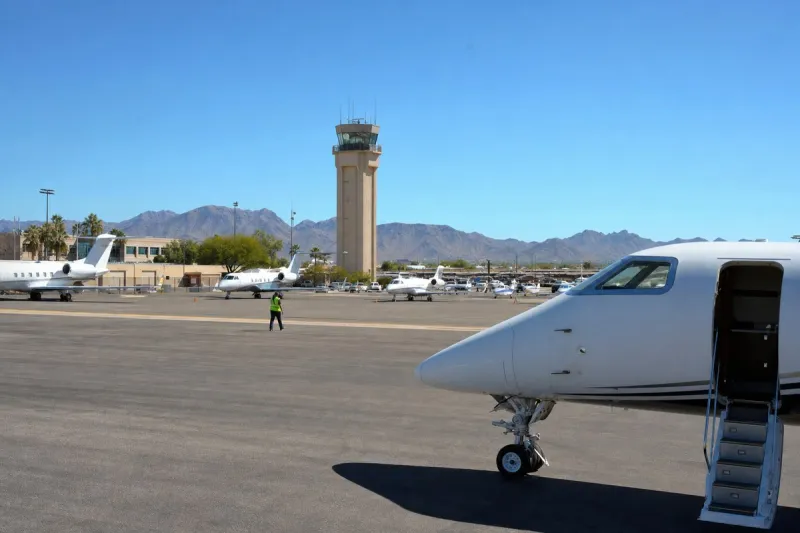
At Dubai South's Mohammed bin Rashid Aerospace Hub, private-jet movements reached 9,753 in the first half of 2025, a 15 per cent increase compared with the same period in 2024. Dubai South said the growth further strengthened Al Maktoum International Airport's position as a leading hub for international business-aviation movements in the Middle East.