Radio Failures Between Marine One and ATC Preceded DCA Incident, NTSB Documents Show
Why It MattersThe episode shows how radio line-of-sight gaps near dense terminal airspace can erode standard notification procedures even after known deficiencies were flagged and an interim fix attempted.
What happened
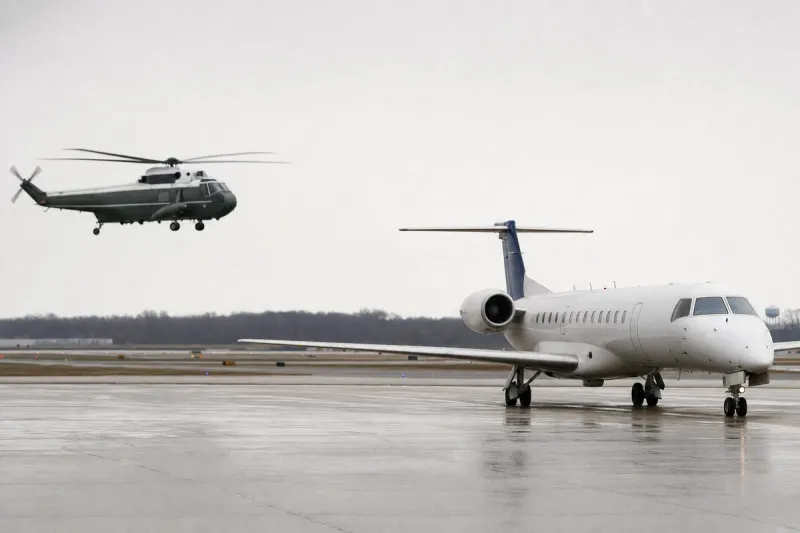
Communication failures between Marine One and air traffic control preceded a close-proximity incident near Ronald Reagan Washington National Airport (DCA), according to National Transportation Safety Board (NTSB) records. The FAA estimated the aircraft came within 0.82 nautical miles laterally and 700 feet vertically of another aircraft, though the NTSB noted the distance met the applicable Class B radar-separation standard.
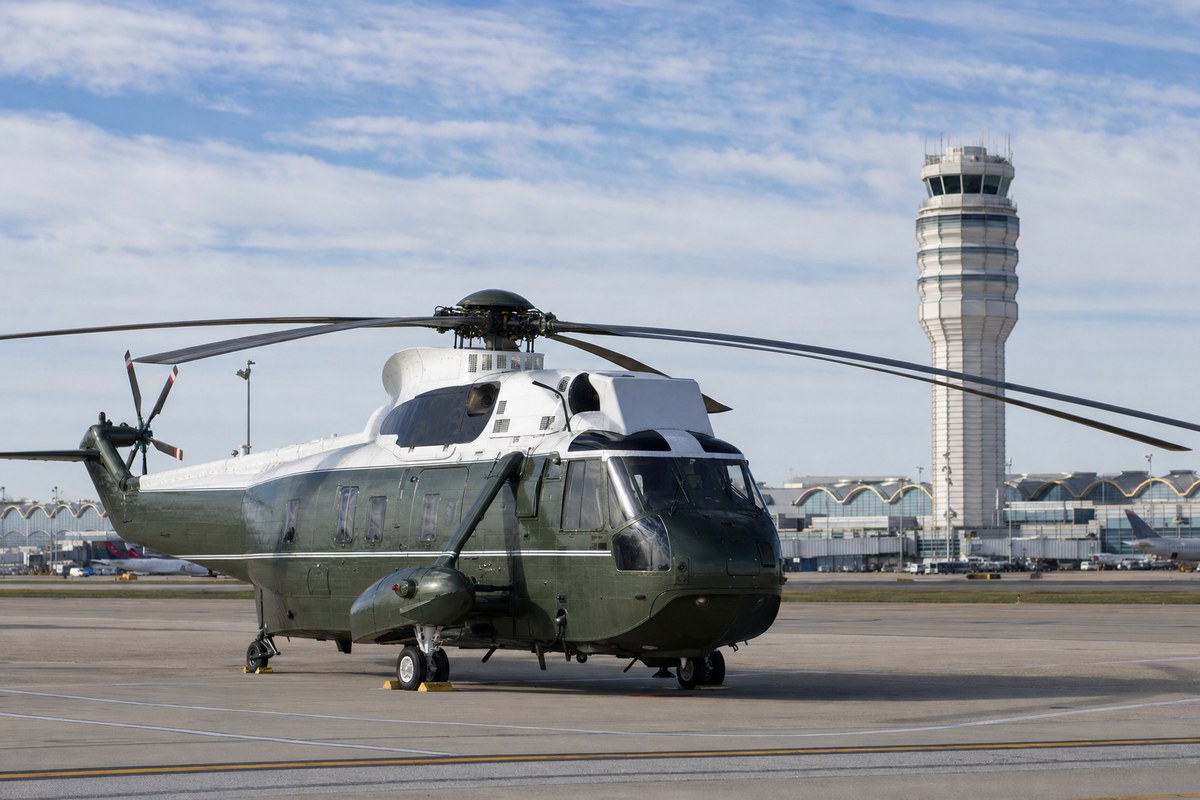
DCA tower officials and Marine Helicopter Squadron One (HMX-1) personnel had met five days before the August 4 incident after reports that controllers were not receiving the required three-minute notification prior to presidential helicopter departures. HMX-1 acknowledged that communications "had been spotty," the NTSB stated. An alternate procedure was established, but an attempt to use it on August 4 proved unsuccessful.
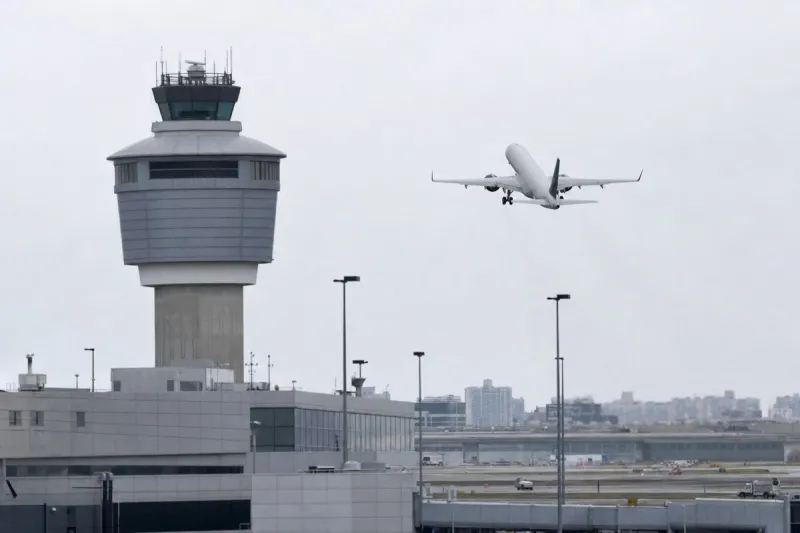
FAA recordings showed that Marine One's first attempt to contact the tower was not received, and a second transmission was unreadable. A subsequent FAA analysis determined there was inadequate line-of-sight radio coverage between the Ellipse and the radio site. The agency subsequently relocated the helicopter-control radios to the top of the DCA tower. Follow-up checks conducted using two HMX-1 helicopters found no further communication deficiencies.
Industry impact & what to watch
This case illustrates how a known, acknowledged communication weakness can persist even after operators meet to address it, because an interim workaround does not necessarily correct the underlying physical constraint. The three-minute notification requirement before presidential helicopter departures exists precisely because DCA's Class B airspace mixes fixed-wing traffic with a scheduled rotary movement, so any gap in that notification chain narrows the margin the separation standard is built on.
Radio coverage between a ground transmitter and a specific departure point is a physical, not procedural, variable, which is why the FAA's fix was to relocate the helicopter-control radios rather than simply reissue guidance. The follow-up checks using two HMX-1 helicopters, which found no further deficiencies, will be the reference point if DCA sees another close-proximity report involving Marine One departures.