Bombardier Global 8000 9H-VID Diverts to Sapporo/New Chitose Airport After Turning Back
Why It MattersBusiness-jet diversions that end without injury still generate airport, ATC and maintenance data points that shape how operators and regulators track the reliability of newly introduced long-range types.
What happened
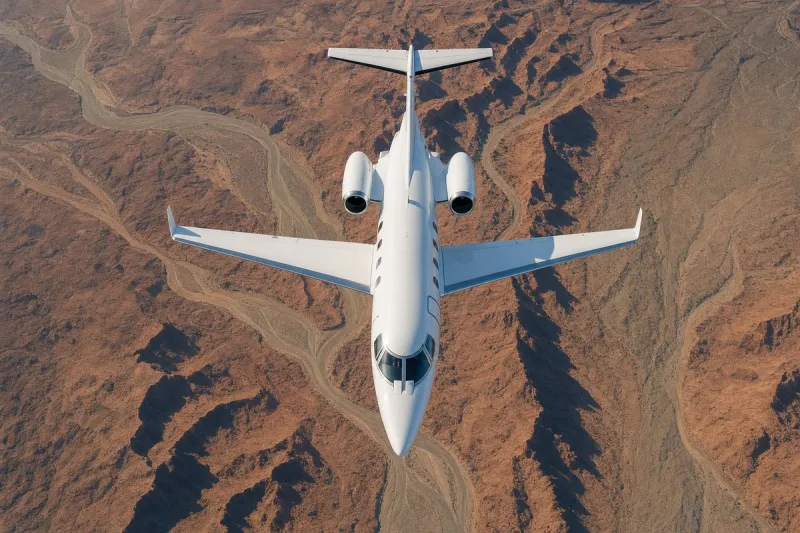
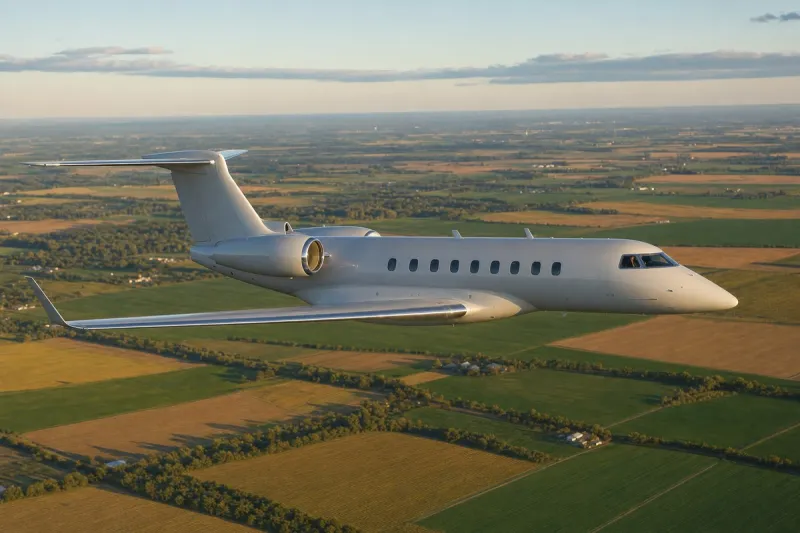
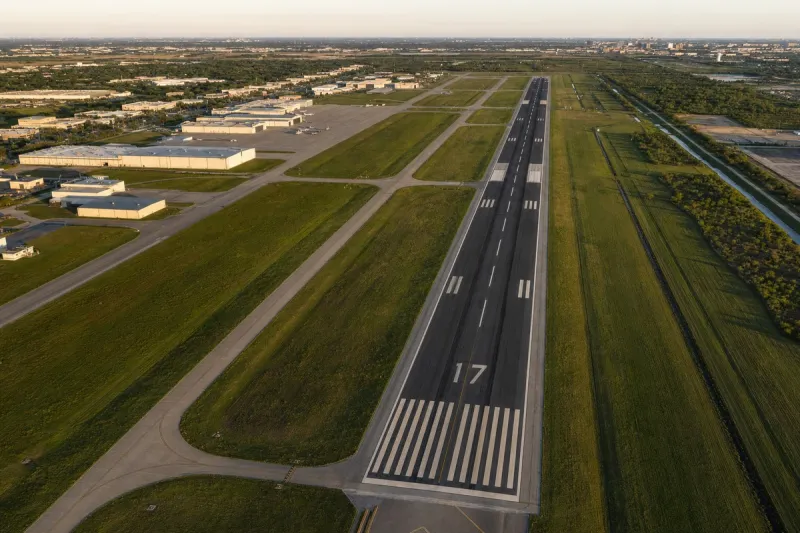
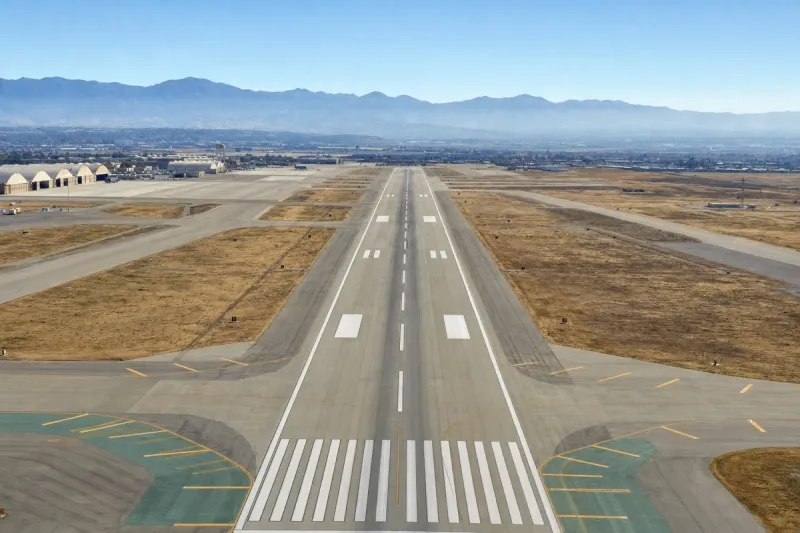
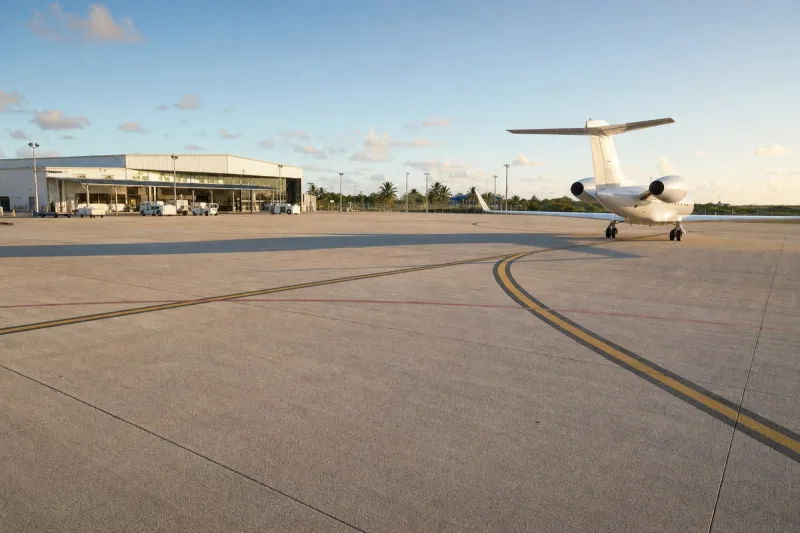
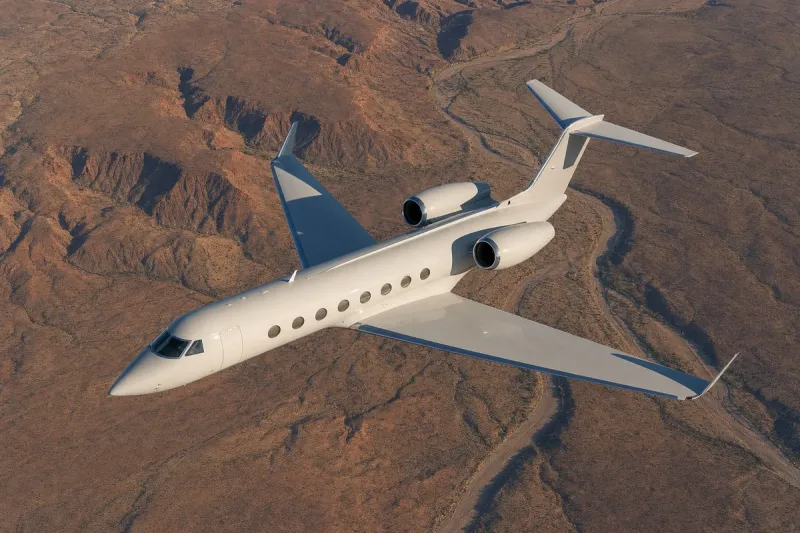
A Bombardier Global 8000 (BD-700-2A13), registered 9H-VID, turned back during its flight and diverted to Sapporo/New Chitose Airport (CTS/RJCC) in Japan on Saturday, 29 August 2026. The aircraft landed safely on runway 19L, and no injuries were reported.

No further details on the flight's origin, intended destination, or the reason for the turnback were included.
Industry impact & what to watch
A diversion that ends with a safe landing and no injuries is, operationally, a non-event for passengers but a data point for the fleet behind it. Every turnback of a widebody business jet like the Global 8000 gets logged by air traffic control, the destination airport, and typically the operator's own safety reporting system, feeding into the broader picture of how a relatively new long-range type performs in early service.
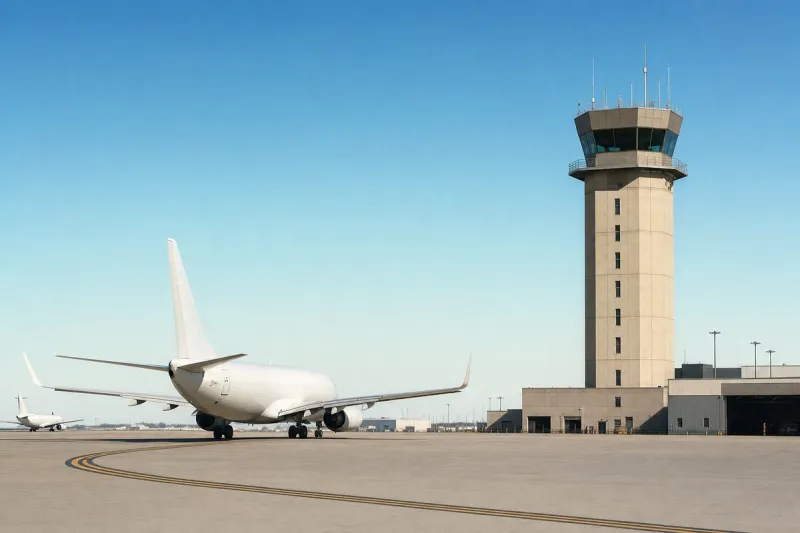
Diversions to a well-equipped airport such as New Chitose, which handles a mix of commercial and general aviation traffic, also reflect how business aviation relies on major regional hubs as safe alternates when a flight cannot continue as planned. That reliance is part of why route planning for long-haul business jet operations typically builds in suitable diversion airports along the way.
What would clarify this case is any statement from the operator or Japanese aviation authorities on the cause of the turnback, which has not been disclosed.