India's DGCA Launches Two-Phase Safety Audit of Aircraft and Helicopter Operators Following Baramati Crash
Why It MattersThe response shows how a single high-profile fatal crash can trigger fleet-wide charter and corporate operator inspections, testing audit capacity and reporting timelines across the segment.
What happened
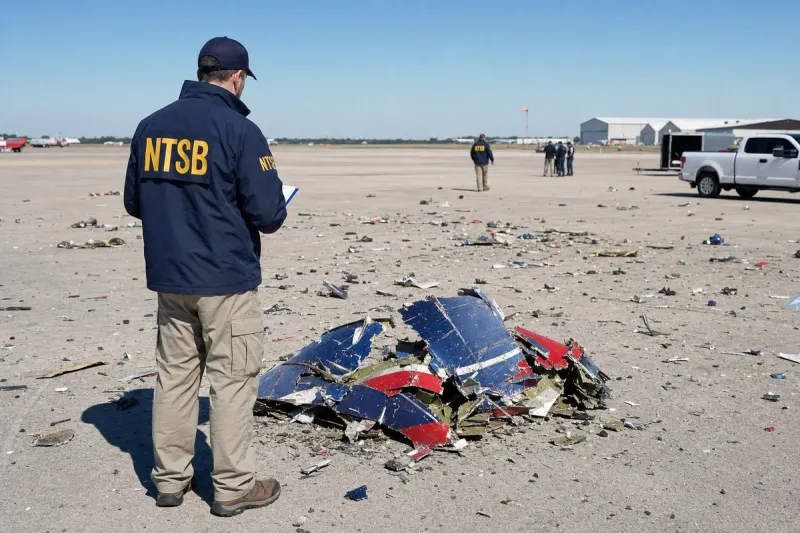
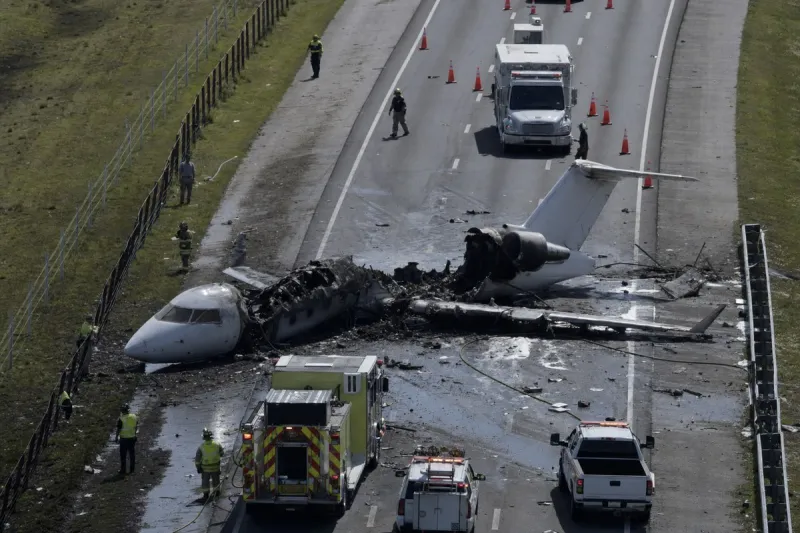
India's Directorate General of Civil Aviation has ordered a safety audit of aircraft and helicopter operators following the Baramati air crash, in which Maharashtra Deputy Chief Minister Ajit Pawar and four others were killed. The audit is being conducted in two phases covering both aircraft and helicopter operators.

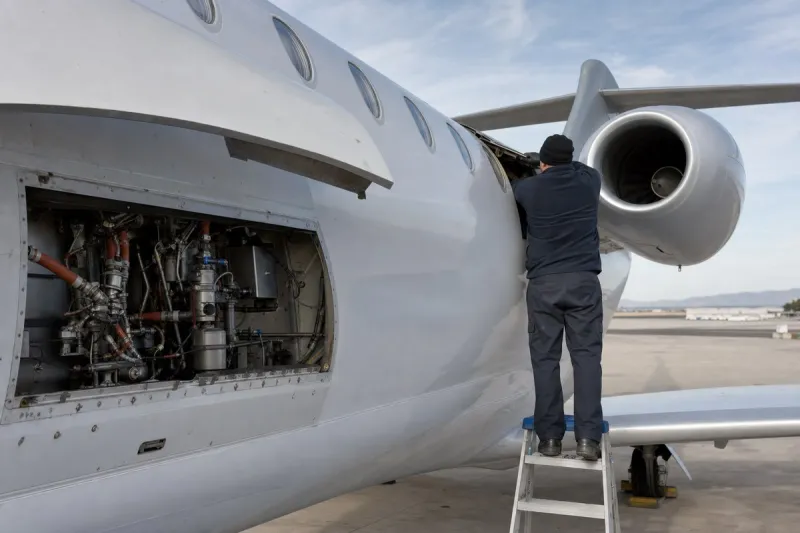
The first phase began yesterday and covers 14 operators, including charter companies and corporate operators. Inspections are being carried out by three-member teams, each comprising one official from the air safety, airworthiness, and flight operations sections. These teams have been directed to submit their inspection reports within 10 days of completing the audit.
A separate special audit of VSR Aviation, the operator whose Learjet 45 crashed in Baramati, is also underway. That audit is being conducted by a six-member team, which has been instructed to submit its report by the 15th of this month.
Industry impact & what to watch
A fatal crash involving a senior political figure has prompted a regulator-led sweep across charter and corporate flight operators rather than a review confined to the operator involved. This is a familiar sequence in aviation oversight: a single serious accident becomes the trigger for checking whether the same gaps exist elsewhere in the fleet, not just in the aircraft that went down.
How charter and corporate aviation are regulated in India depends heavily on this kind of audit capacity — three-member teams split across air safety, airworthiness, and flight operations, working to fixed reporting deadlines. The parallel six-member special audit of VSR Aviation, running on a tighter, dated deadline, signals that the operator directly involved is being scrutinized separately from and more intensively than the wider fleet.
The next marker is whether the first-phase operators file their inspection reports within the 10-day window, and whether the VSR Aviation team meets its mid-month deadline. Those two reports, once submitted, will determine whether the audit's findings stay confined to Baramati or extend into broader rule changes for charter and corporate operators.