Aviation Safety Legislation Stalls More Than 18 Months After American Airlines Flight 5342 Midair Collision
Why It MattersThe stalemate shows how a single safety mandate can stall for years once military exemption disputes and interagency budget objections attach themselves to otherwise uncontested aircraft-tracking technology.
What happened
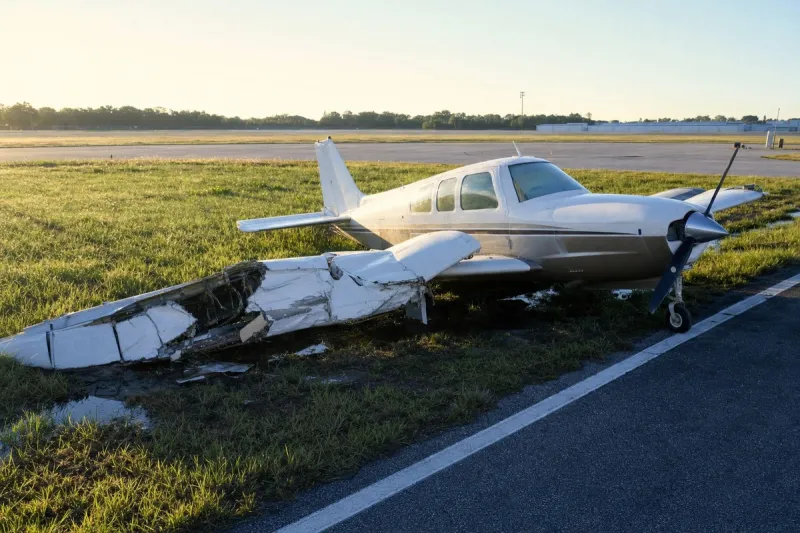
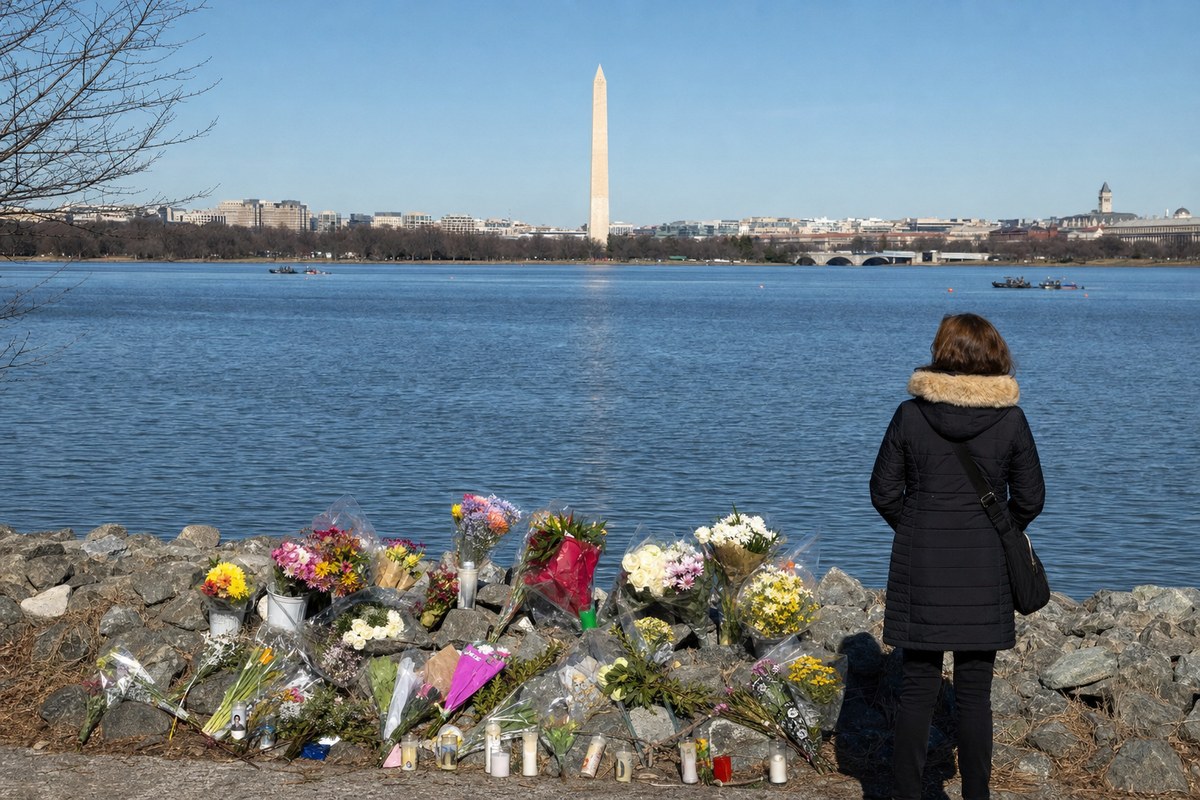
More than 18 months after the January 29, 2025, midair collision between American Airlines Flight 5342 and a U.S. Army Black Hawk helicopter over the Potomac River in Washington, D.C., killed all 67 people aboard both aircraft, legislation aimed at preventing similar disasters remains deadlocked in Congress. Investigators said the crash could have been averted if both aircraft had been equipped with GPS-based traffic awareness technology, and the U.S. government has acknowledged liability in a wrongful-death lawsuit, calling the collision a "wholly avoidable tragedy."
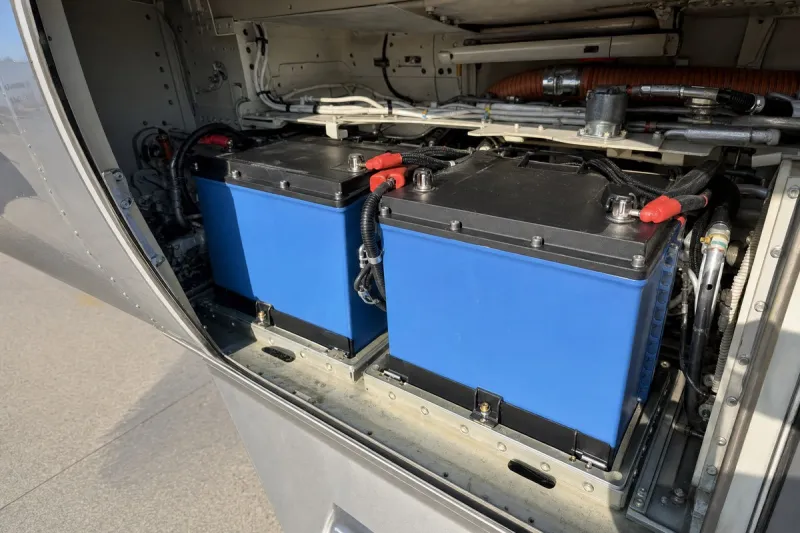
The Senate unanimously passed the ROTOR Act, which would require Automatic Dependent Surveillance-Broadcast (ADS-B) real-time tracking technology in all civilian and military aircraft by the end of 2031, ahead of the crash's first anniversary last December. The House rejected the measure by a single vote after the Pentagon reversed its earlier support, citing "budgetary burdens and operational security risks." The House then passed its own alternative, the ALERT Act, sponsored by House Transportation and Infrastructure Committee Chair Rep. Sam Graves (R-MO), which the Senate has not taken up; unlike the ROTOR Act, the House bill would exempt certain military aircraft "carrying out special missions" in and around Washington from the new tracking mandate. Graves, who is retiring in January, called the Senate bill "emotional legislation" in a January interview.
Sen. Jerry Moran (R-KS), who chairs the Senate aviation subcommittee and co-sponsored the ROTOR Act with Sen. Ted Cruz (R-TX), said in a March Wall Street Journal op-ed that the Graves bill was "more lenient" toward the Department of Defense and reiterated his preference for the Senate package. Moran said in a recent statement that negotiations with the House committee and the Defense Department are continuing. Rep. Sharice Davids (D-KS), who voted for both bills, said the core dispute concerns how "prescriptive and enforceable" new restrictions should be and how to balance national security with civilian air safety, calling the questions "real" but "solvable." Kristen Miller, whose brother Dustin Miller — an IT professional from El Dorado, Kansas — died aboard Flight 5342 while traveling to Washington for work, said she fears Congress will run out of time, calling the gridlock frustrating and warning that "every single delay leaves known risks in flying."
Industry impact & what to watch
This is a case of a safety fix that is technically uncontested — both chambers agree aircraft should broadcast real-time position data — stalling entirely over who gets exempted from the requirement and who bears the cost of compliance. That pattern recurs whenever aviation safety mandates intersect with military operations: the technology itself is rarely the sticking point, the carve-outs for "special missions" are.
The deadlock also shows how fragile a unanimous Senate vote can be once it reaches a chamber where a single defection changes the outcome, and how an executive-branch reversal — here, the Pentagon withdrawing support it had previously given — can undo months of bipartisan work without a new public vote. Until the Senate and House committees reconcile the ROTOR and ALERT Acts, civilian and military aircraft around Washington continue operating under the same mixed-equipage conditions that existed on the day of the crash.
The next marker to watch is whether Moran's stated negotiations with the House committee and the Defense Department produce a merged bill before the current Congress runs out of legislative calendar, a deadline made sharper by Graves's planned retirement in January.