ITF Calls for Investigation into Eastman's Odorless Turbo Oil 2330 Over Cabin Air Safety Concerns
Why It MattersThe dispute shows how a design change aimed at cutting aircraft groundings for odor events can shift regulatory risk toward certification testing and liability exposure across engine oil suppliers and airlines.
What happened
The International Transport Workers Federation (ITF) has called for a formal investigation into Turbo Oil 2330, a new engine oil manufactured by Eastman Chemical Company of Tennessee, citing safety concerns for flight crews and passengers. The oil is marketed for its "inoffensive odor profile" and is gaining rapid adoption among airlines, with Eastman arguing that eliminating unpleasant smells will reduce the need to ground aircraft after so-called "odor events," improving fleet utilization and operational efficiency.

The ITF disputes that framing, arguing that the absence of a detectable odor does not reduce the risk of oil fumes entering the cabin but instead removes a critical warning signal. The union warns that if oil or its heated byproducts infiltrate the cabin air supply, the lack of a distinctive smell could delay detection and response, increasing danger to crew members and passengers.
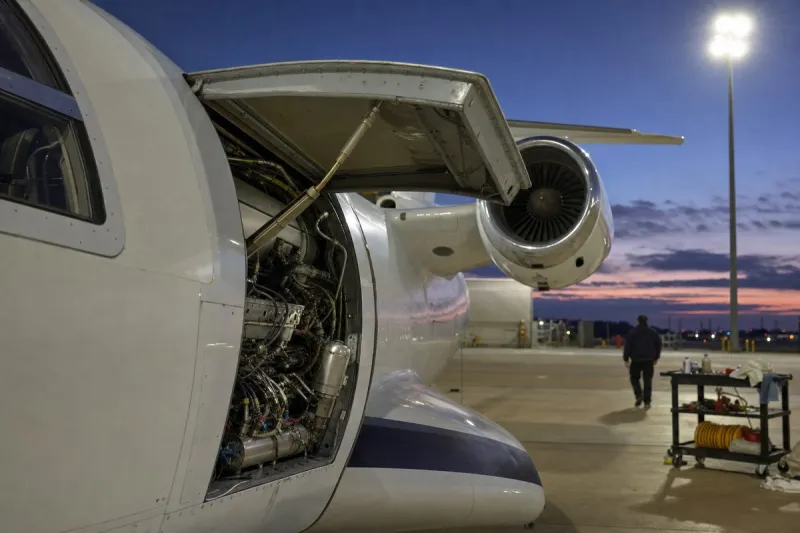
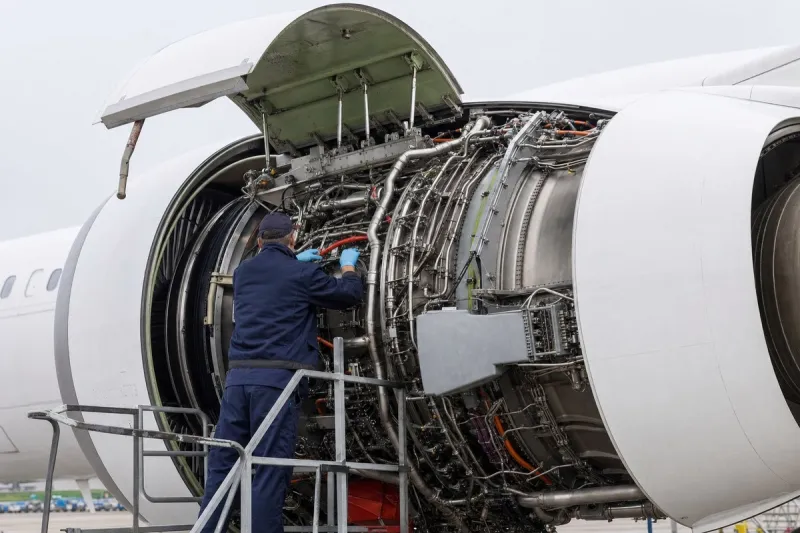
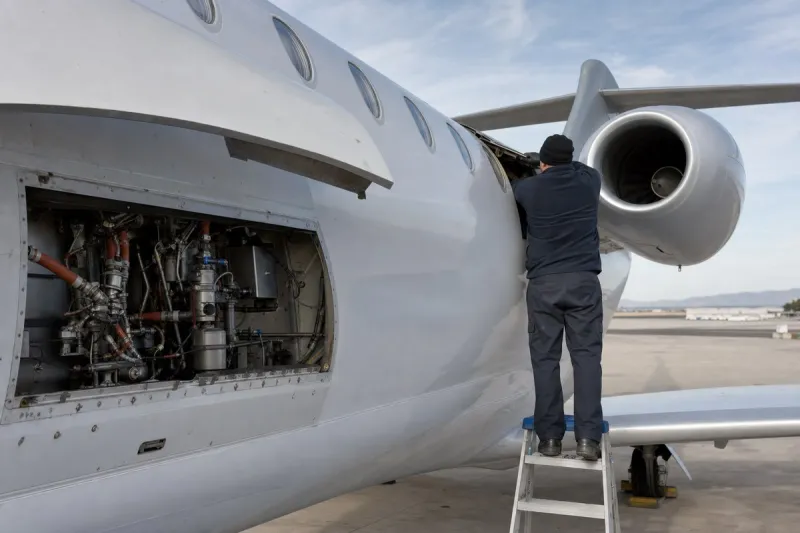
Under normal circumstances, vaporized engine oil leaking from components such as the Auxiliary Power Unit (APU) produces a strong, pungent odor—commonly described as resembling sweaty socks or a damp dog—that alerts crew to a potential contamination event. Exposure to such fumes can cause eye and throat irritation, headaches, and nausea. An increasing number of lawsuits allege that repeated exposure to these "toxic fume events" has led to chronic and debilitating health conditions; one cited case involves a flight attendant unable to return to work due to lasting health effects.
The ITF emphasized that a reduction in odor does not equate to a reduction in exposure, urging regulators and airlines to prioritize crew and passenger health over operational convenience. The union cautioned that the true dangers of odorless engine oil may only become apparent after irreversible harm has occurred.
Industry impact & what to watch
This dispute sits at the intersection of two priorities that do not always align: operational efficiency and health-hazard detection. An additive designed to solve one problem—grounded aircraft after odor complaints—can create a different one if the underlying leak mechanism is unchanged and the sensory cue crews rely on is removed.
Cabin air contamination from oil seals and APU components has already generated lawsuits over chronic health effects, which is the backdrop against which regulators would weigh any new investigation. If authorities act on the ITF's concerns, engine certification and additional safety testing could face delays, with financial consequences for companies across engine manufacturing and oil production, including Eastman Chemical.
What happens next depends on whether aviation regulators open a formal inquiry into Turbo Oil 2330 and whether independent testing can establish whether fume events occur at similar rates with the new formulation as with prior oils, odor aside. Until such findings are published, airlines adopting the product and unions representing exposed crews are working from different assessments of the same underlying risk.