Albury Airport completes $2.88 million Taxiway Alpha extension to reduce runway backtracking
Why It MattersThe upgrade shows how a modest taxiway investment can unlock adjacent land for aviation development, letting a regional airport plan capacity growth ahead of demonstrated demand.
What happened
Albury Airport has completed a $2.88 million extension of Taxiway Alpha at the western end of its runway, funded through the Federal Government's Albury Wodonga Regional Projects initiative.
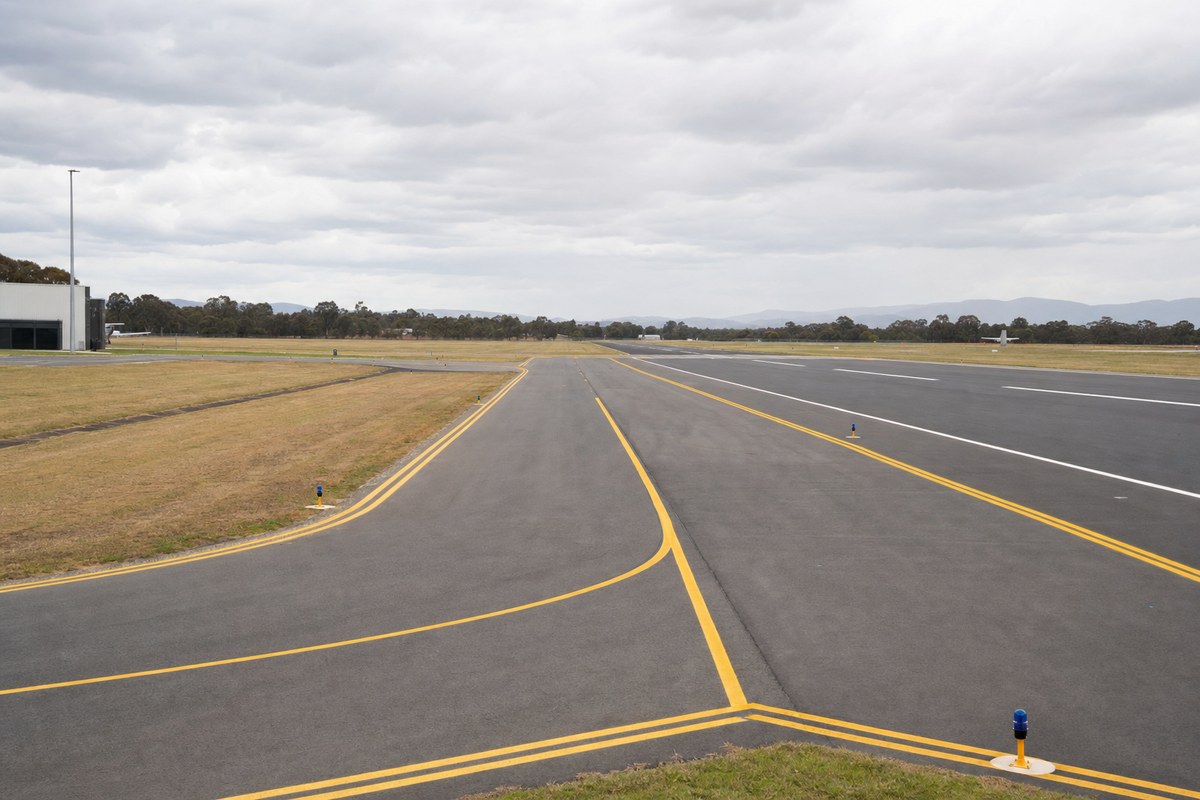
The project reduces the need for aircraft to backtrack along the runway, which the airport says improves operational efficiency and safety during emergency response events. It also opens access to the airport's Western Precinct, an area designated for future aviation development as part of a broader infrastructure strategy to support long-term growth.
Federal Minister for Regional Development, Local Government and Territories Kristy McBain said the upgrade would allow the airport to run more efficiently and expand in line with demand, delivering economic benefits and travel opportunities for the Albury-Wodonga community. Senator for NSW Deborah O'Neill said the investment reflected the government's commitment to strengthening regional connections, while Senator for Victoria Michelle Ananda-Rajah said the upgrade would help the growing Albury-Wodonga region attract talent and strengthen links to new markets. Albury Mayor Kevin Mack described the project as an important step for the region's transport and economic infrastructure, noting that the airport connects the region to major capital cities and supports local business, tourism, emergency services and freight movement.
Industry impact & what to watch
Taxiway reconfiguration projects like this one are a common lever for regional airports seeking to raise runway throughput without the cost of a full runway rebuild: removing a backtrack manoeuvre shortens turnaround time for each movement and gives emergency responders faster access to the runway itself.
Opening the Western Precinct is the more consequential piece for long-term planning. Airports that free up adjacent land ahead of confirmed tenants are betting that connectivity and access, once built, will draw the aviation development the precinct was designated for, rather than the reverse sequence of waiting for demand to justify the infrastructure.
What happens on that land next, and which operators or businesses commit to the Western Precinct, will show whether the federally funded upgrade converts into the traffic and economic activity the ministers and mayor described.