Rolls-Royce Shares Consolidate Near Record High as Valuation, SMR Progress and Technical Levels Come Into Focus
Why It MattersWith operational gains now largely priced in, engine-maker valuations increasingly hinge on sustained earnings growth and long-dated bets like small modular reactors rather than continued turnaround momentum alone.
What happened
Rolls-Royce (LSE: RR.) shares reached an all-time high earlier in August before moving broadly sideways, prompting market participants to assess what comes next after a prolonged rally tied to an operational turnaround. The company reported record operating profit in the first half of the year, alongside a substantial increase in free cash flow.
With the share price near record territory, valuation has become a central question, and much of the company's operational improvement is now widely recognised by the market. A support area near 1,440 pence has emerged as a level watched by market participants, with a sustained move below that level on strong trading volumes seen as a potential trigger for shifting short-term sentiment.
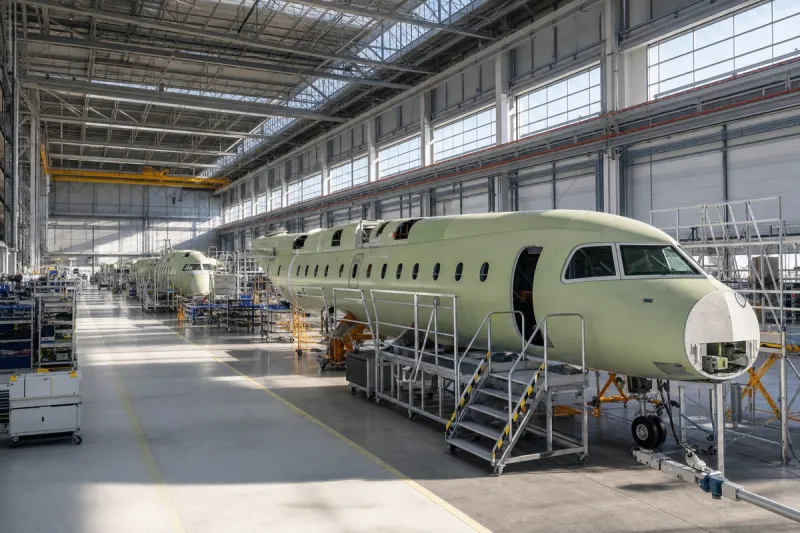
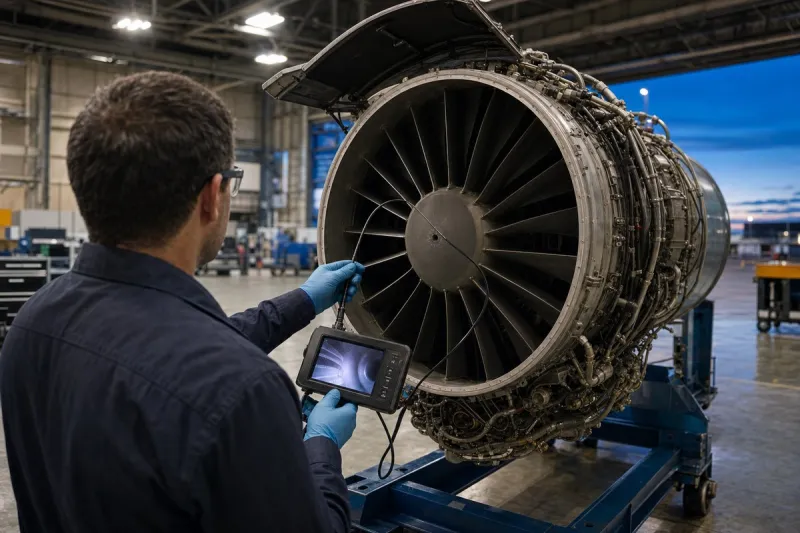
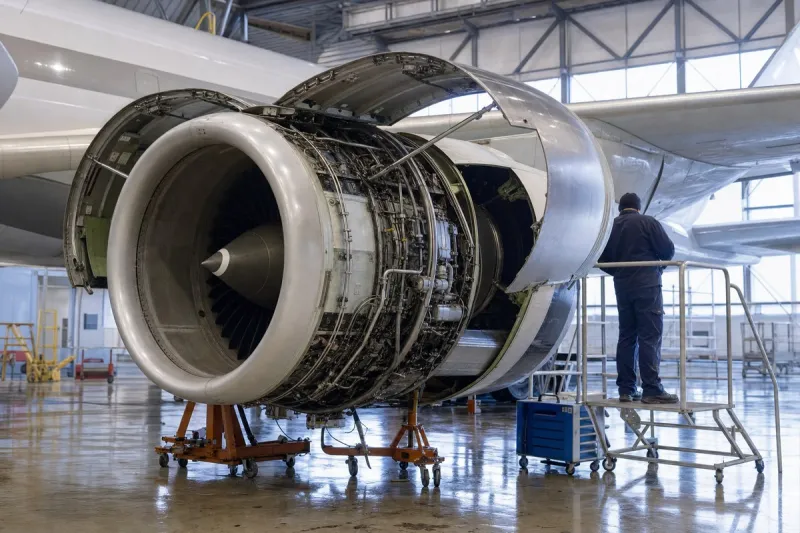
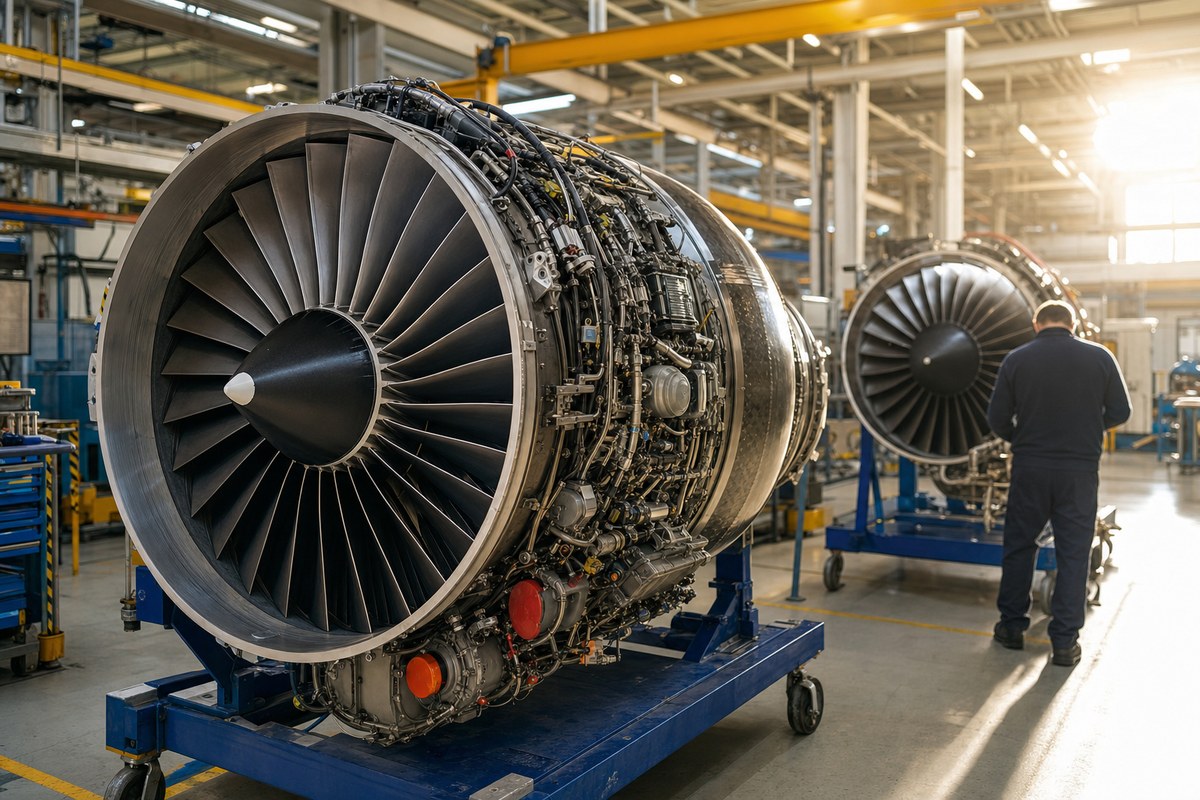
Rolls-Royce's small modular reactor (SMR) programme is drawing attention as a potential long-term growth avenue, positioned to serve demand for low-carbon electricity including from data centres and energy-intensive industries. The company's established aerospace operations, including exposure to large civil aircraft engines and long-term servicing and maintenance agreements, remain the core of the investment case, supported by the recovery in international aviation.
Industry impact & what to watch
This case illustrates a pattern common to industrial turnaround stories: once operational improvement is well recognised and reflected in the share price, further gains depend less on the turnaround itself and more on whether earnings growth can keep pace with an elevated valuation. In engine manufacturing, recurring revenue from long-term servicing and maintenance agreements tied to the installed base gives near-term earnings some durability, which is why aerospace servicing remains described as the core of the investment case even as attention shifts toward newer ventures.
The SMR programme illustrates how a long-cycle growth option is treated differently from an earnings driver: regulatory approval, project financing, construction and customer commitments all stand between the technology and commercial returns, so it is weighed as optionality rather than counted into near-term forecasts. Three factors are identified as particularly important for the next phase: sustained profitability improvement to support the current valuation, progress in the SMR programme toward commercial deployment, and the shares' ability to hold around key technical support levels near 1,440 pence. Whether that support level holds under volume pressure, and whether the next earnings update shows profit growth continuing at pace, will indicate which of these factors is driving the shares next.