Private Jets, Autonomous Aircraft and the Changing Economics of Flying to Sedona
Why It MattersAutonomous, remotely monitored small aircraft could let underused airports like Sedona's support point-to-point service that scheduled airlines cannot justify without hundreds of passengers per route.
What happened
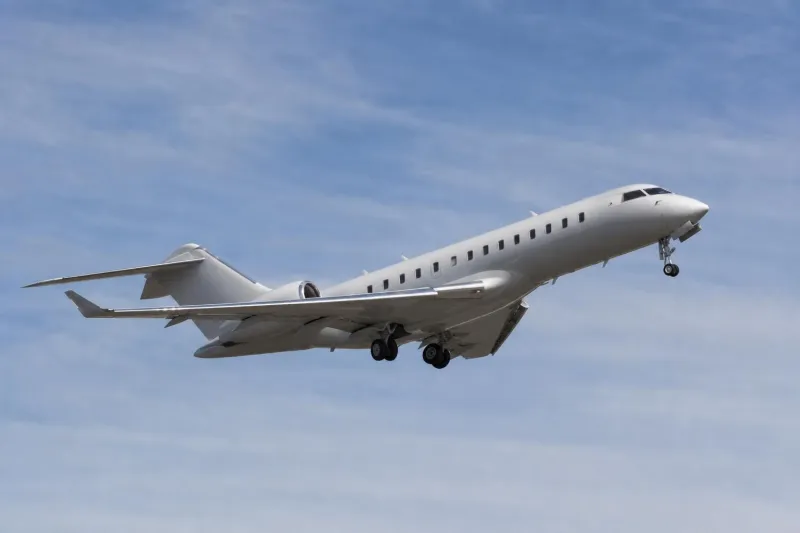
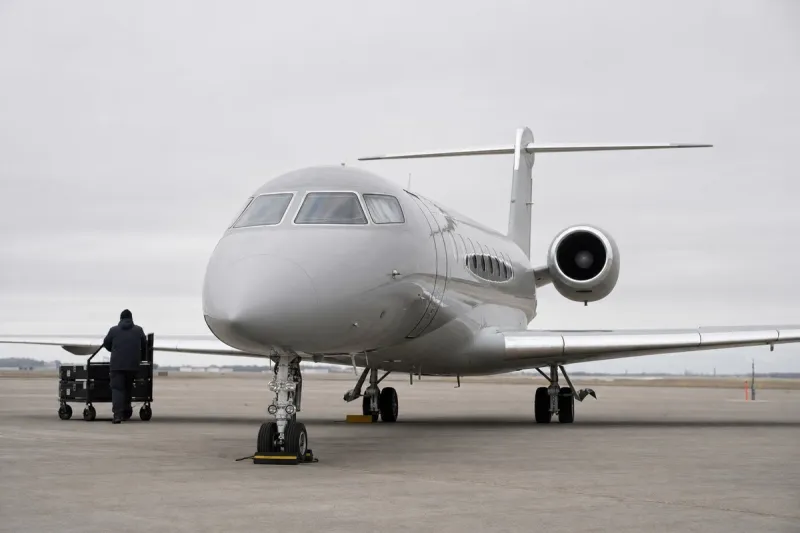
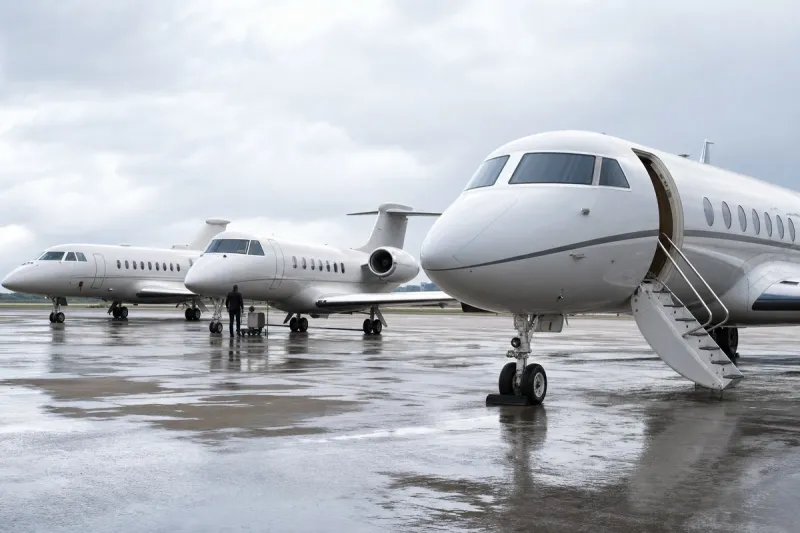
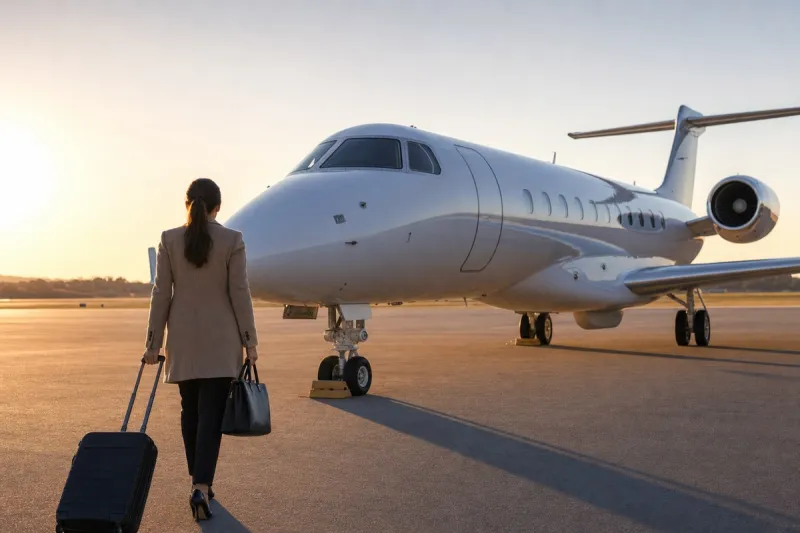
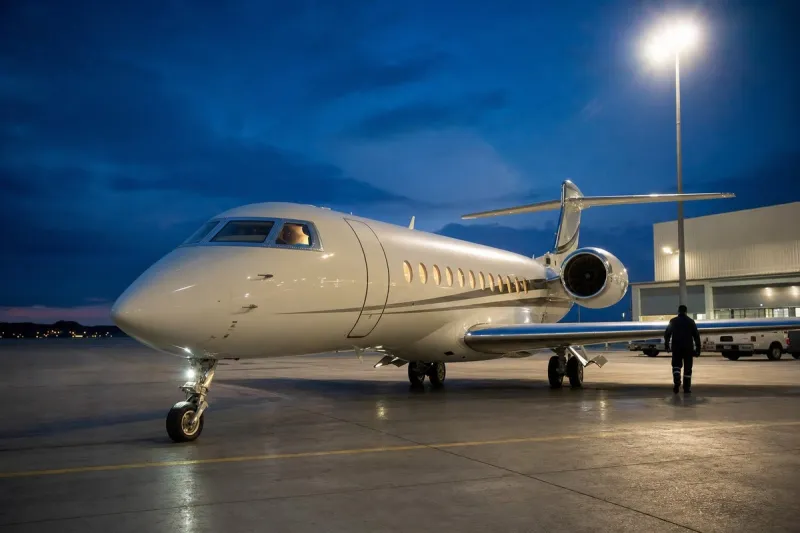
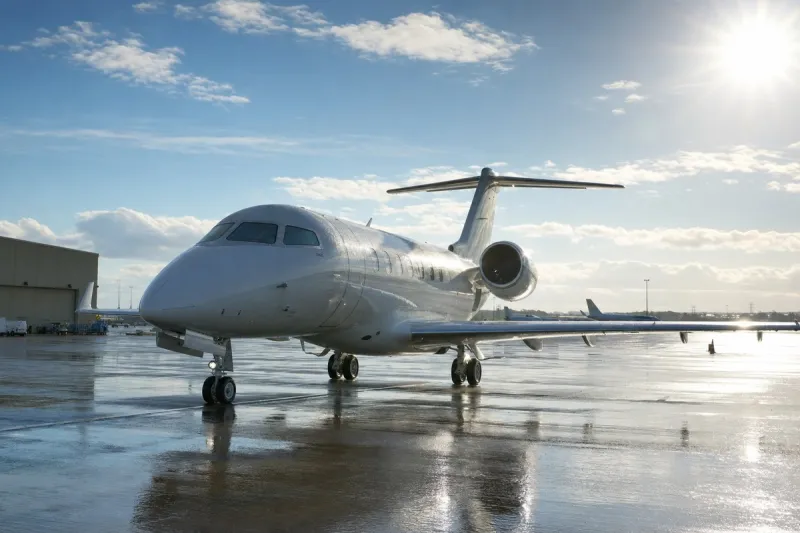
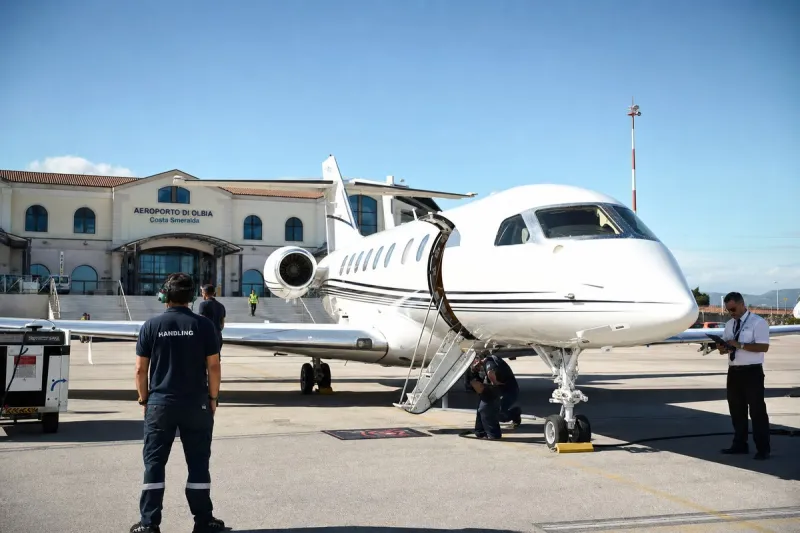
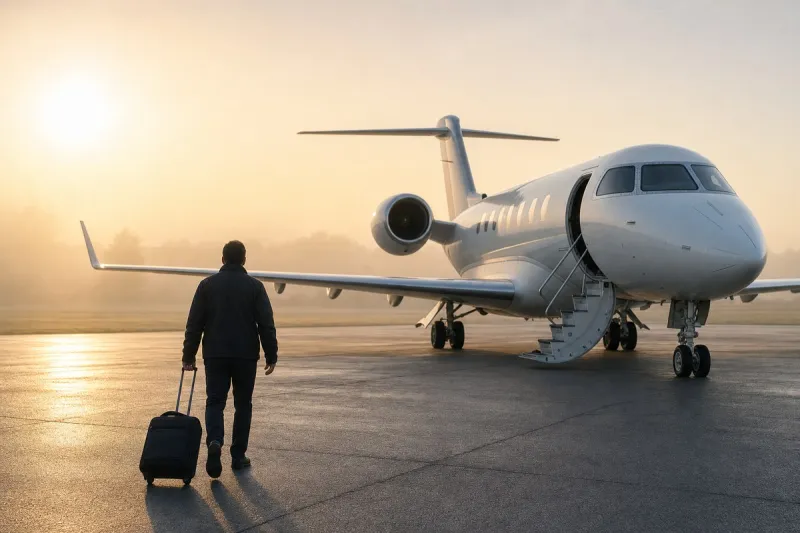
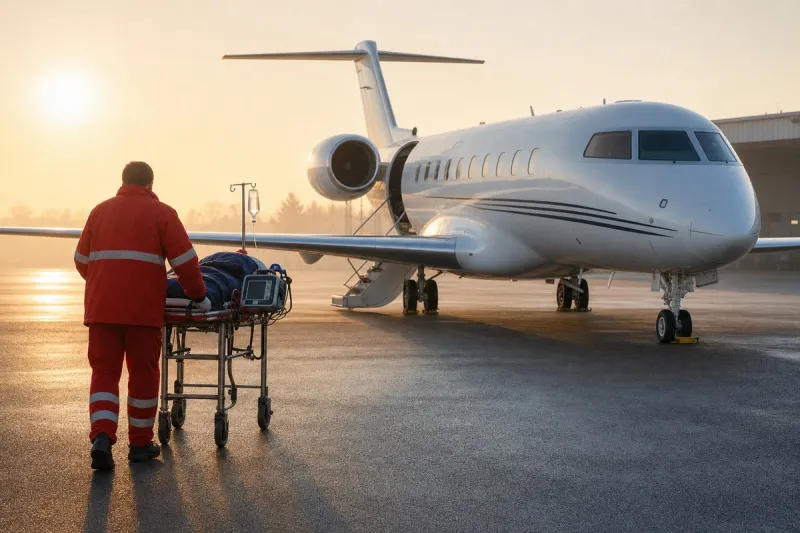
At 8:40 on a Friday morning, David Mercer, a 61-year-old Denver commercial real estate executive, was finishing a $70 million refinancing deal in his office. By 10:05 a black SUV collected him and his wife Anne and drove them to Centennial Airport, south of Denver, rather than Denver International Airport, where a chartered Citation jet was waiting. The round-trip cost of flying privately to Sedona runs in the range of $25,000 or more, depending on the aircraft and repositioning involved, and by early afternoon the Mercers were having lunch beneath Sedona's red rocks.

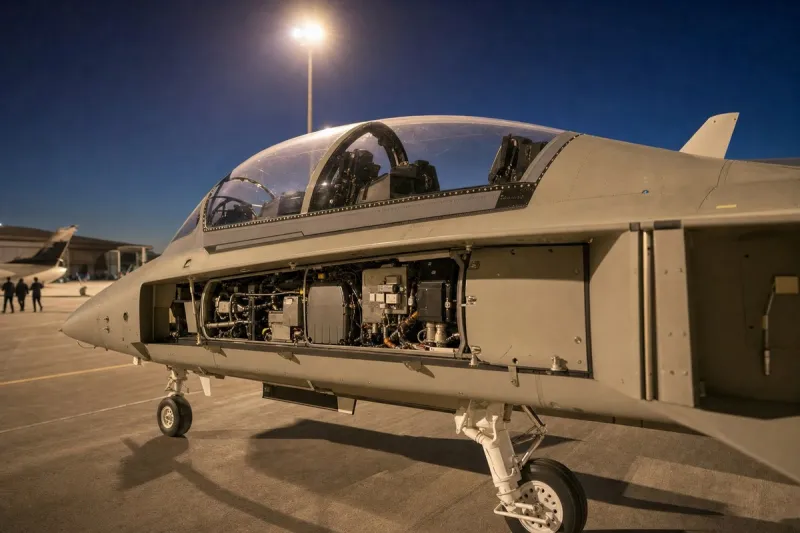
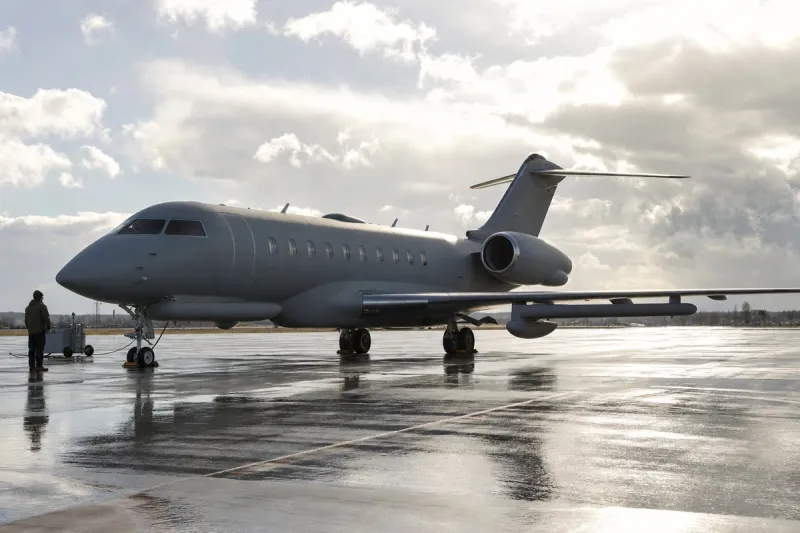
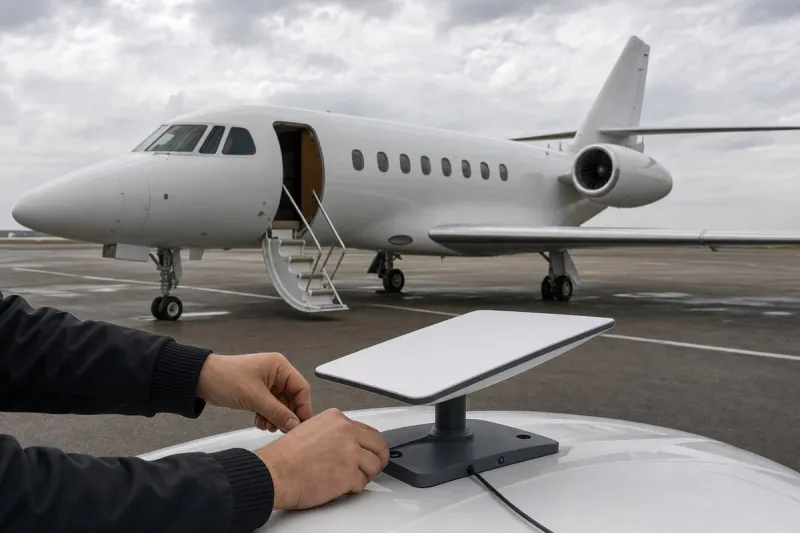
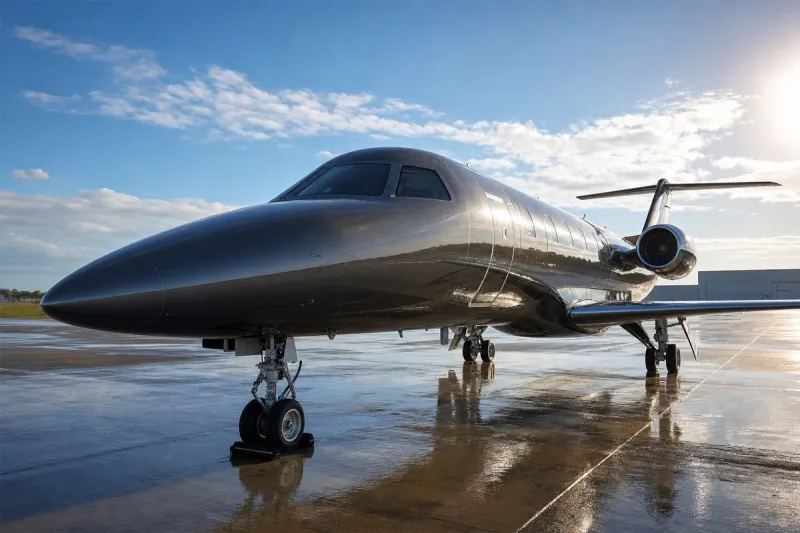
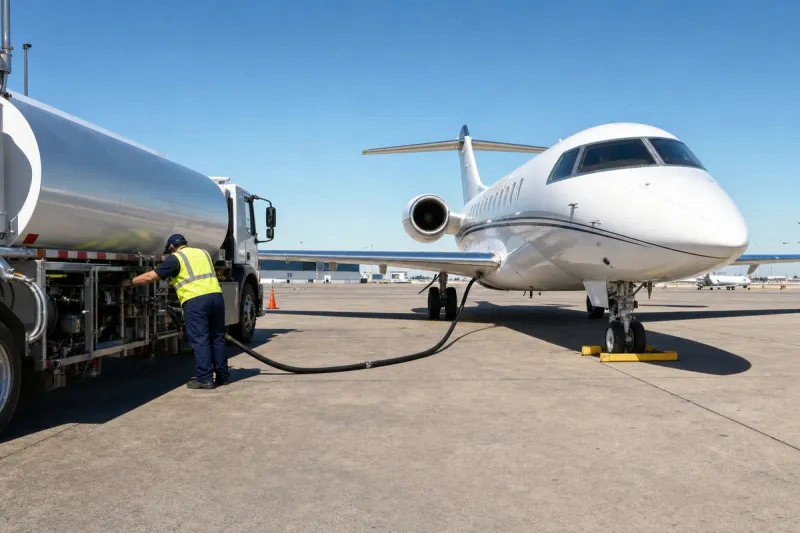
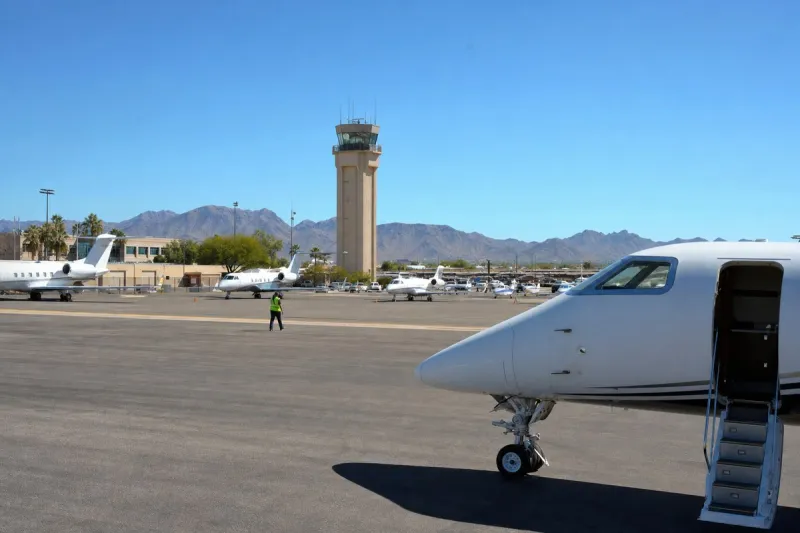
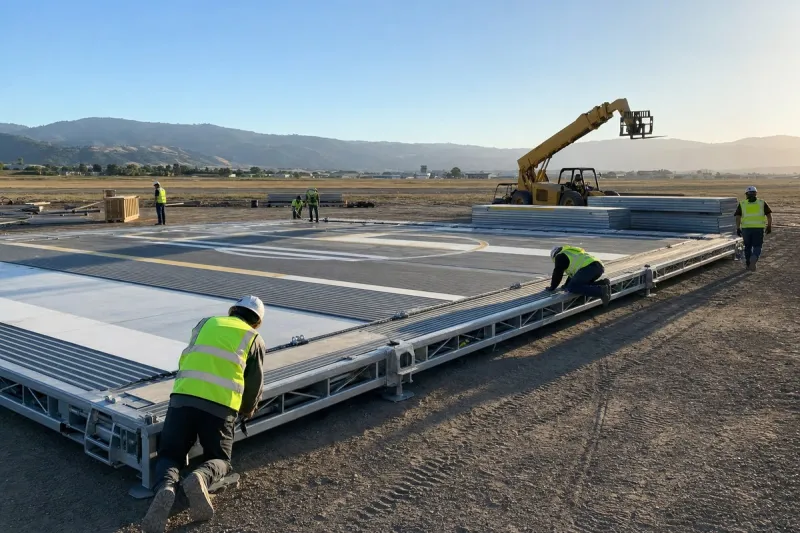
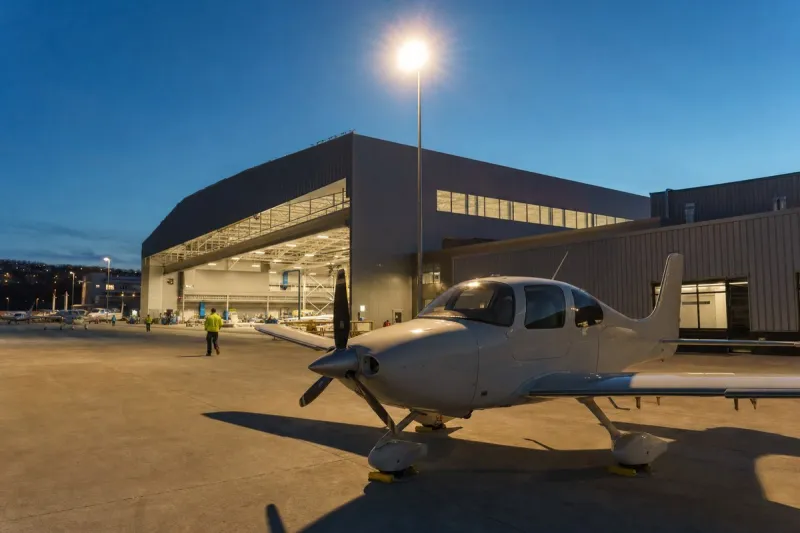
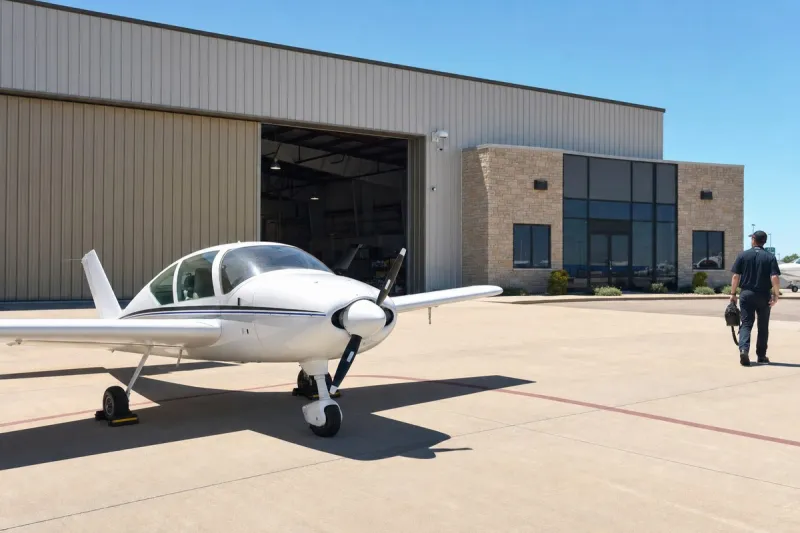
Sedona Airport handles around 33,000 aircraft movements a year, with business jets and other turbine aircraft arriving by the hundreds, and into the thousands when the broader turbine category is considered. The airport has grown steadily more dependent on Jet-A fuel over the years, eventually requiring a dramatic expansion of its Jet-A storage capacity. Modern light jets such as the HondaJet, Cessna Citation and Cirrus Vision Jet are certified for a single qualified pilot and feature cockpits resembling sophisticated computer workstations. Some aircraft equipped with Garmin Autoland can take over after a pilot becomes incapacitated, selecting an airport and landing autonomously at the push of an emergency button.
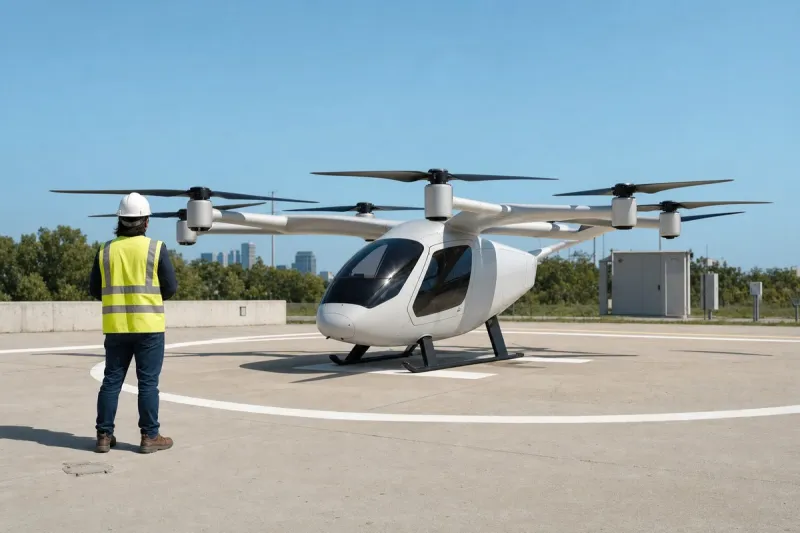
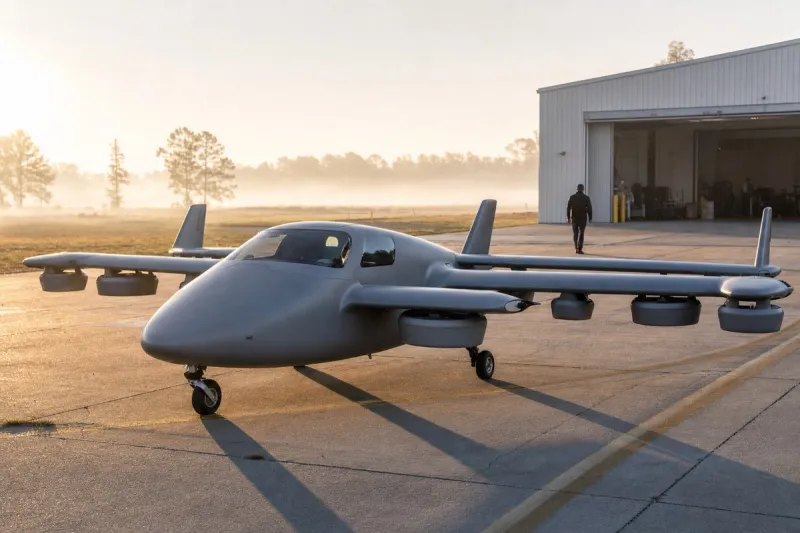
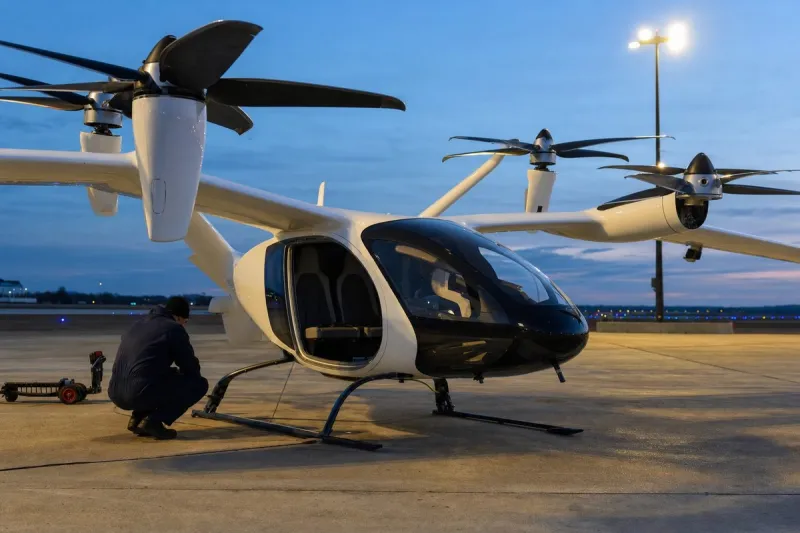
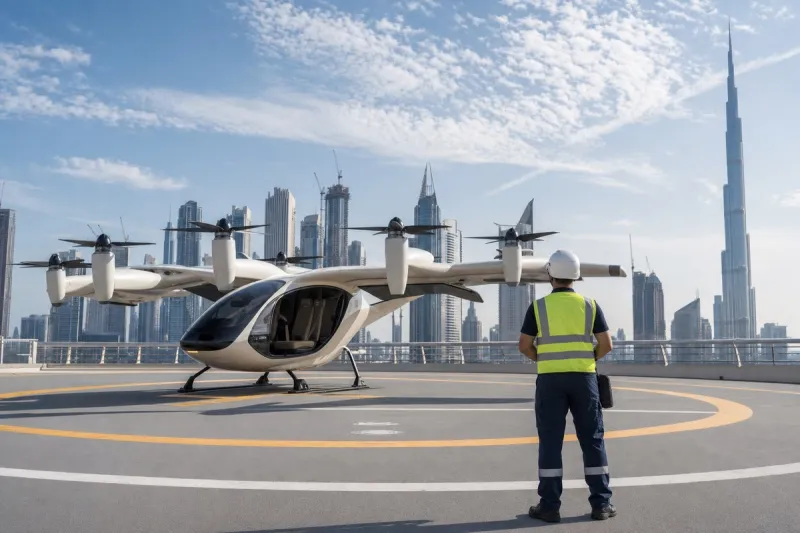
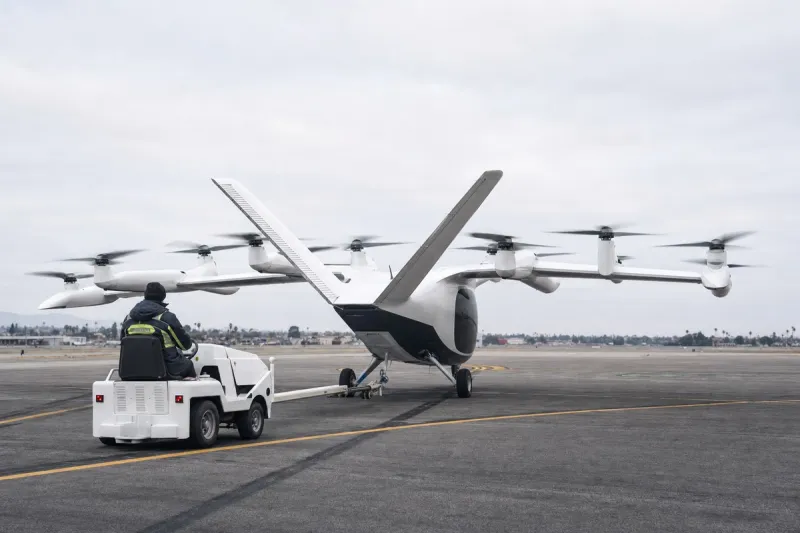
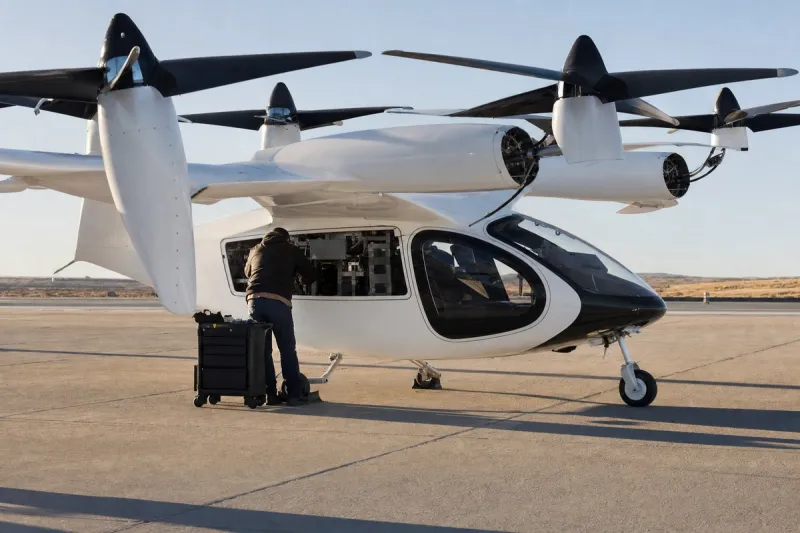
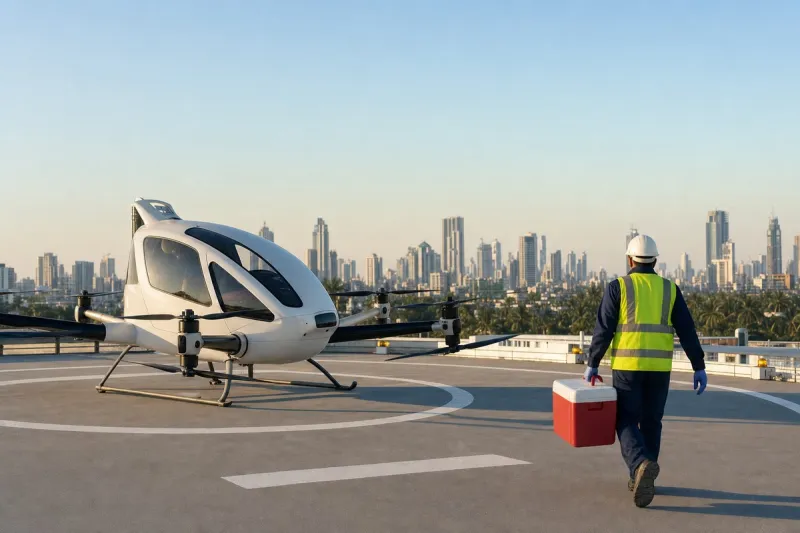
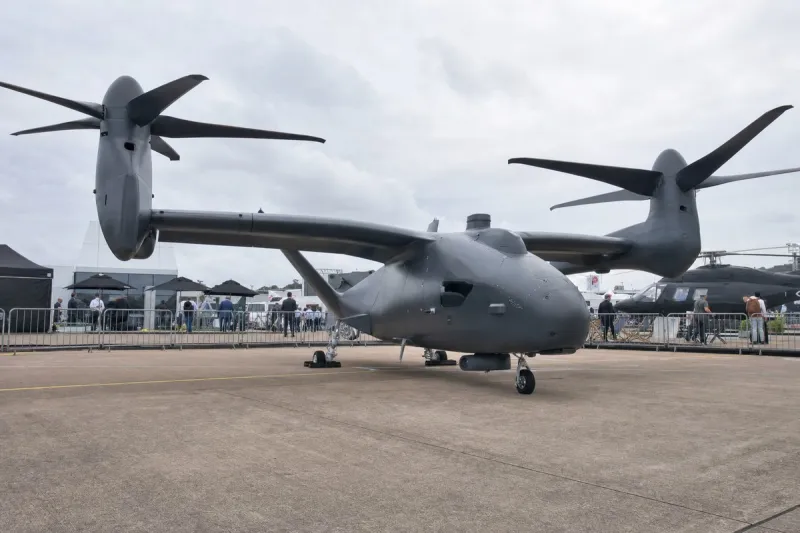
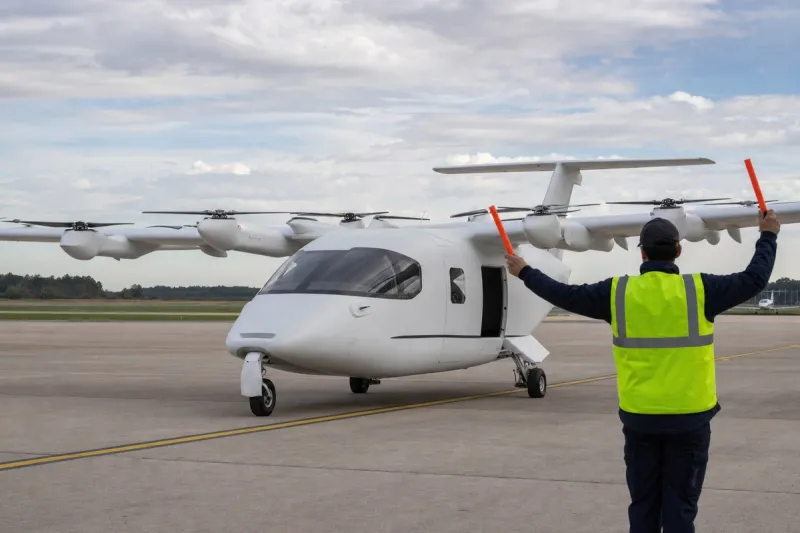
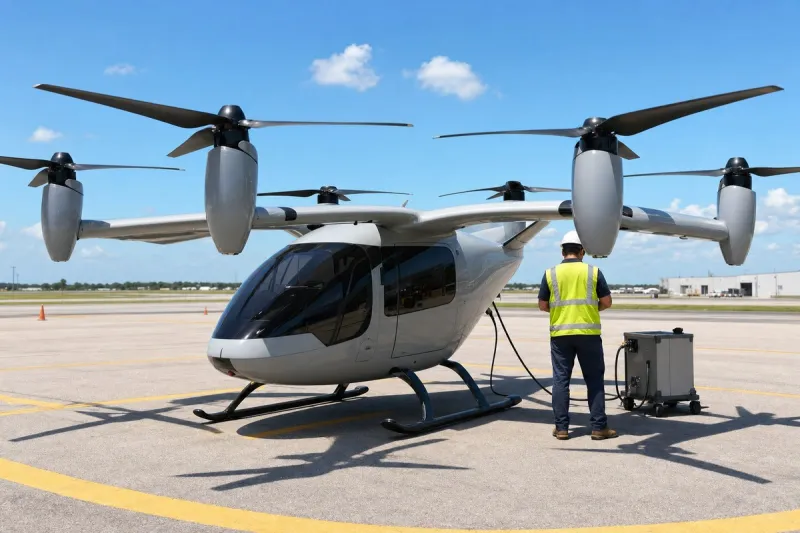
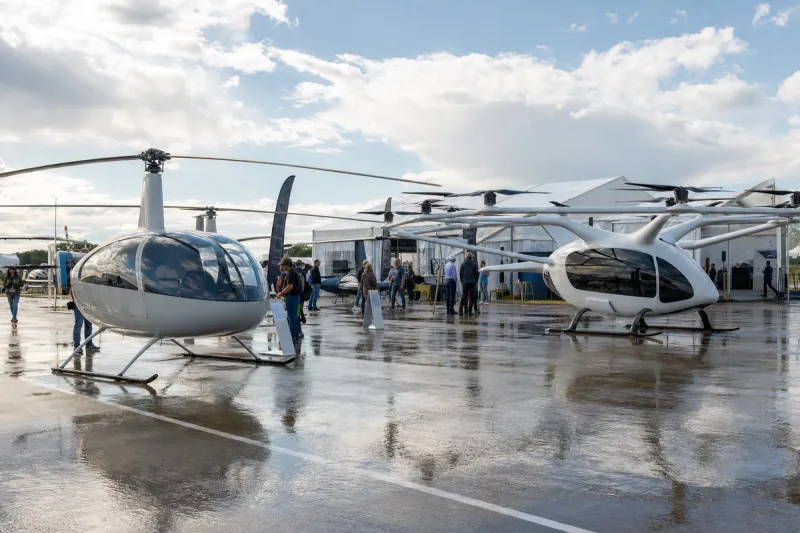
Looking a decade ahead, a 2036 scenario is described in which an autonomous regional aircraft carrying four to six passengers, departing from a smaller airport and monitored by a remote operations centre with no one in the cockpit, could offer a journey to Sedona at a cost below today's charter prices, though still above a commercial airline ticket. The concept is compared to the driverless Waymo service already operating in the Phoenix area. Sedona's airport, situated on Airport Mesa, is cited as suited to such a model because airlines require hundreds of passengers to justify scheduled service between major cities, whereas an autonomous six-seat aircraft would not.
Industry impact & what to watch
This account sits within a broader pattern the piece itself draws out: aviation technology has historically moved privileges created for the wealthy down the economic ladder, from early automobiles to long-distance telephone calls to commercial air travel itself. Positioning autonomous regional aircraft as the next step in that progression frames today's $25,000 charter trip as a benchmark against which a cheaper, single-pilot-certified or pilotless future is measured.
The segment's underlying economics explain why airports like Sedona, rather than major hubs, are the likely proving ground: scheduled airline service depends on aggregating hundreds of passengers per route, while a four-to-six-seat autonomous aircraft monitored remotely does not carry that constraint. Sedona's steady growth in turbine traffic and its expanded Jet-A storage already show a facility adapting to more sophisticated aircraft well before any autonomous service arrives.
What remains unresolved is the pace and shape of the transition — whether single-pilot-certified jets with emergency autoland capability serve as a bridge before fully remote-monitored, pilotless aircraft appear on routes like Denver to Sedona, and how their pricing would actually compare once such aircraft move from concept to commercial operation.