Horizon Aircraft positions Cavorite X7 hybrid-electric VTOL for all-weather IFR missions at half the cost of comparable helicopters
Why It MattersBy pairing a fixed-wing cruise profile with turbine-driven anti-icing, the case shows all-weather VTOL economics could open medevac and rescue missions currently reserved for costlier certified rotorcraft.
What happened
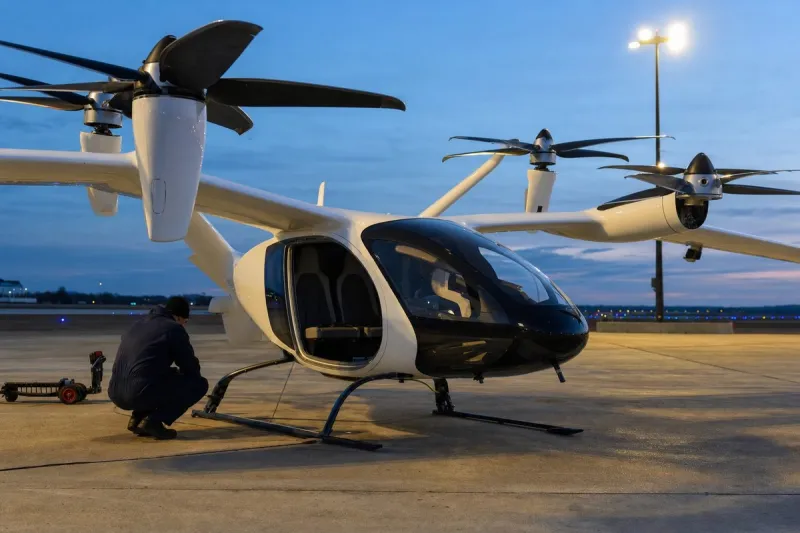
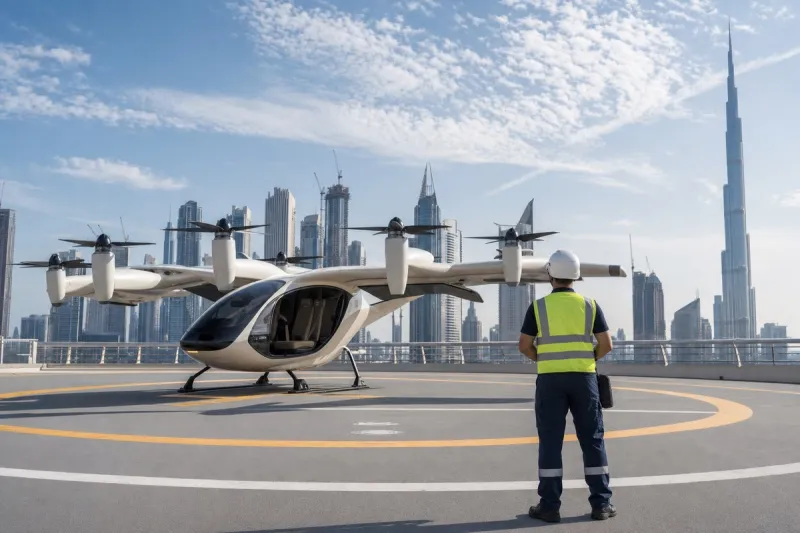
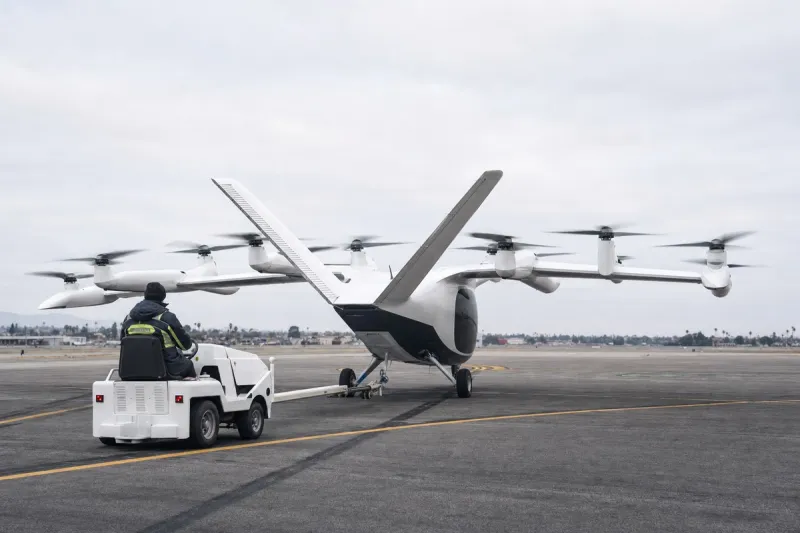
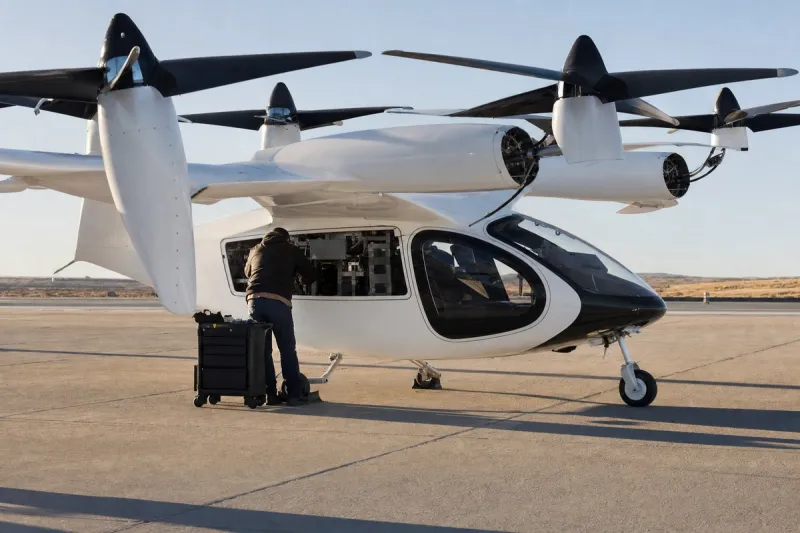
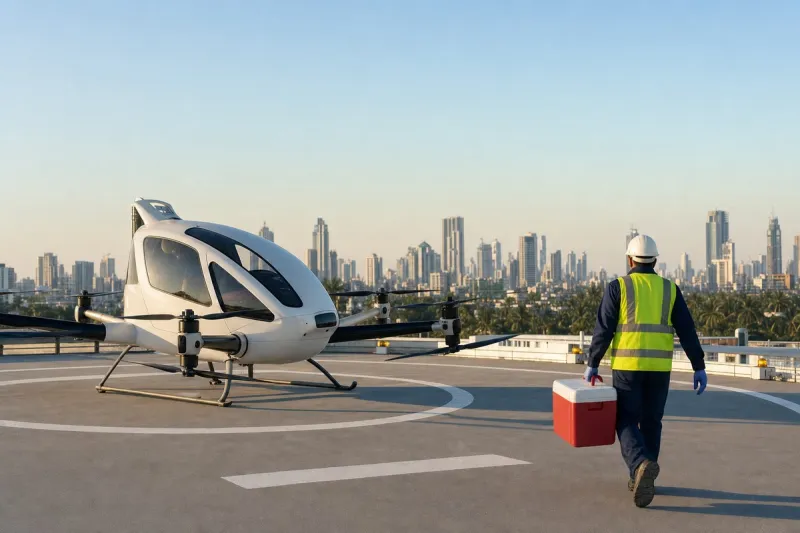
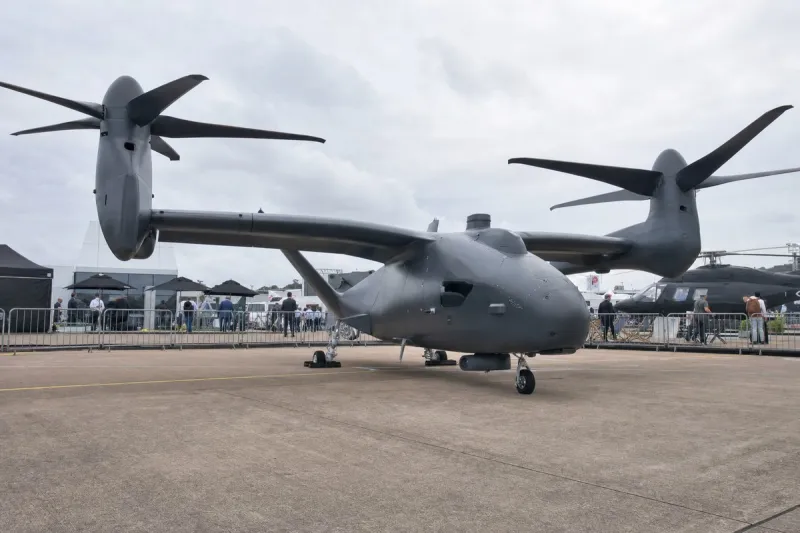
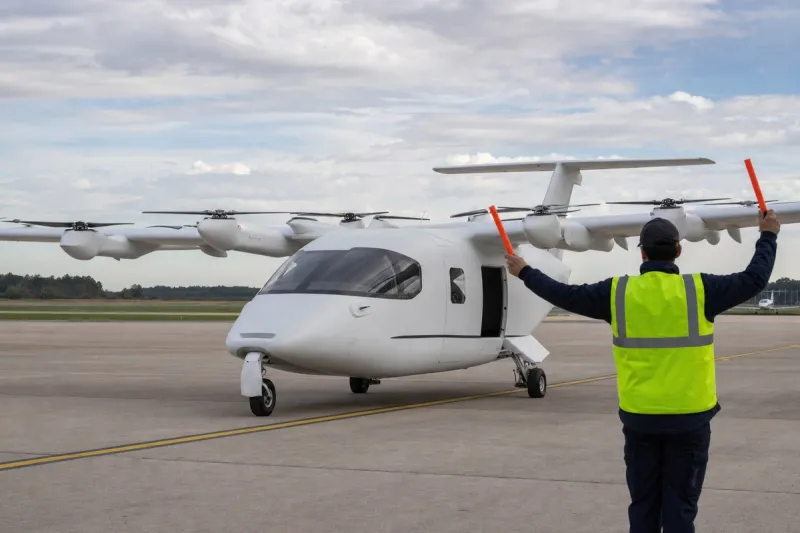
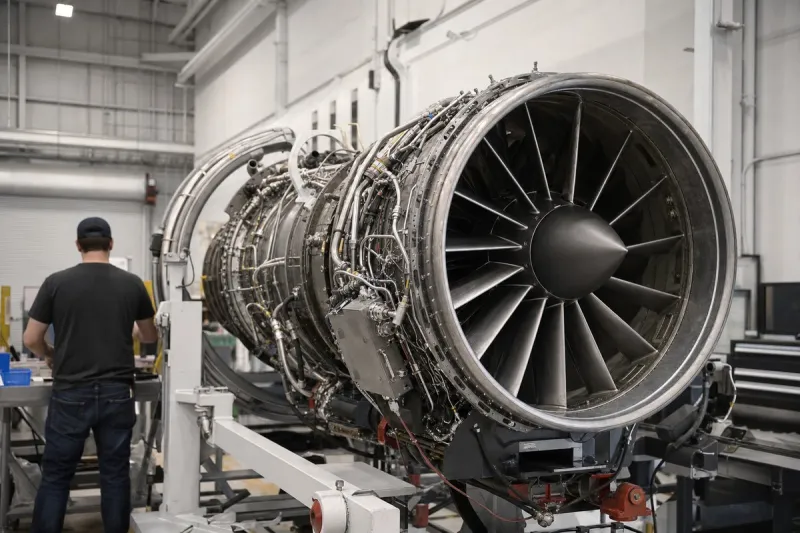
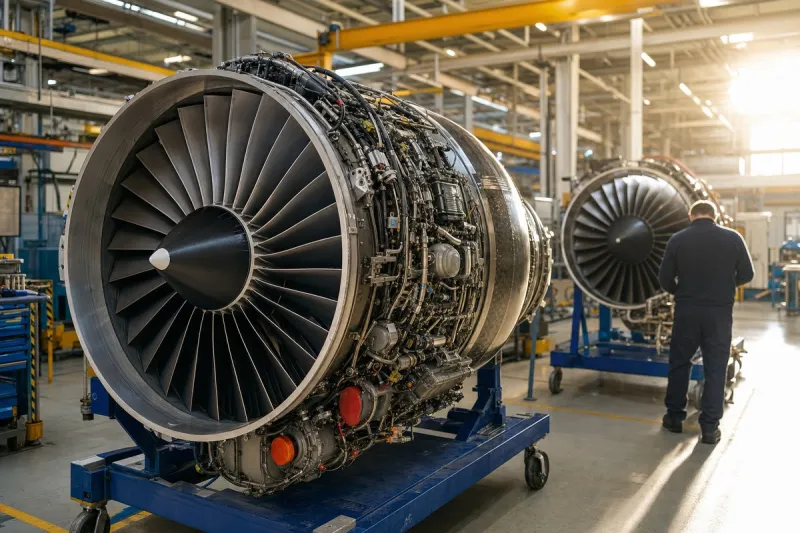
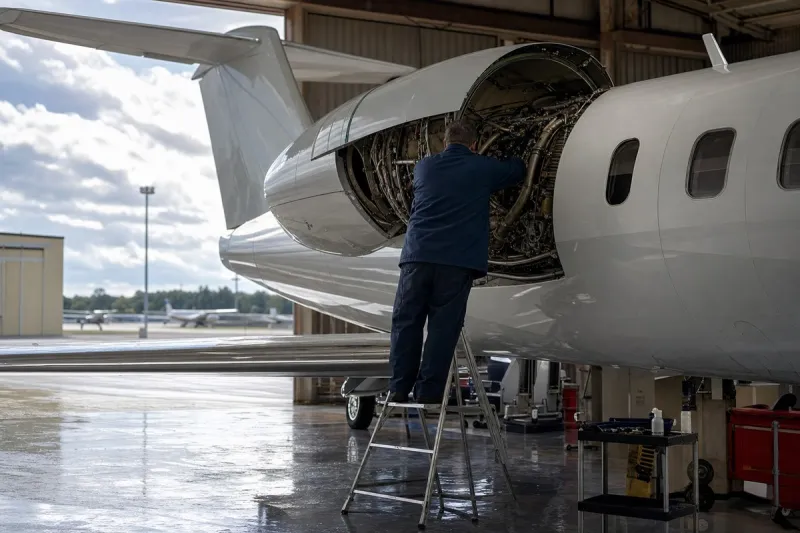
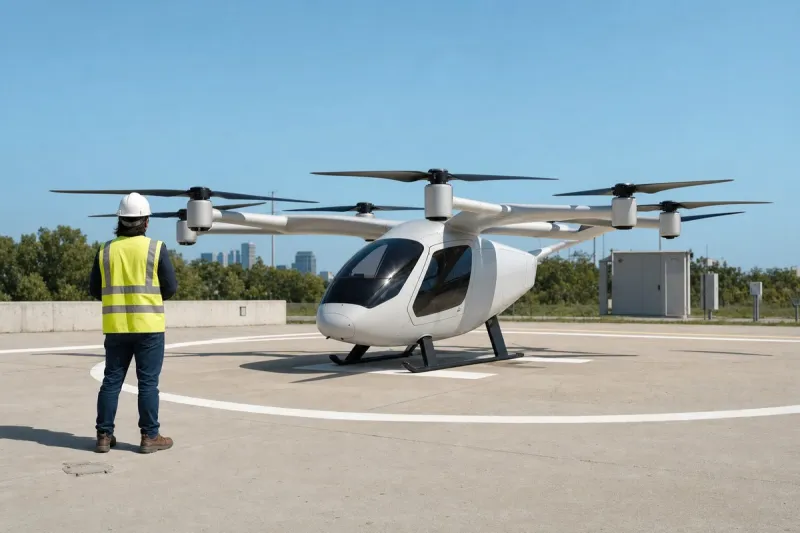
Horizon Aircraft is developing the Cavorite X7, a hybrid-electric vertical take-off and landing aircraft designed to fly as a conventional fixed-wing aircraft for 98 percent of its mission profile. Co-founder and chief executive Brandon Robinson said the design differs from most advanced air mobility aircraft that rely on multiple open rotors, calling the X7's propulsion system "essentially a PT-6A with a powerful generator" that drives a generator supplying power and warm bleed air for anti-icing systems already certified on commercial aircraft. Robinson said this architecture is intended to support instrument flight rules certification and operation in known icing conditions, capabilities he described as rare among current VTOL and eVTOL designs.
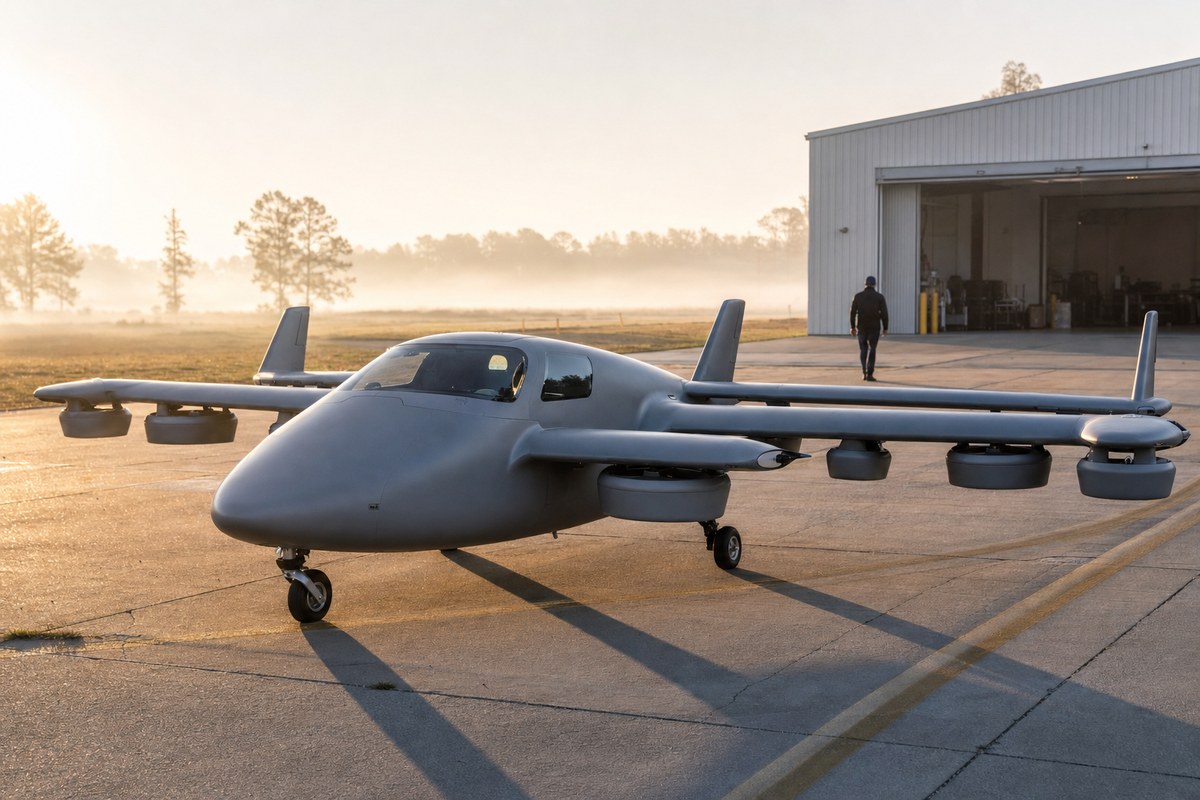
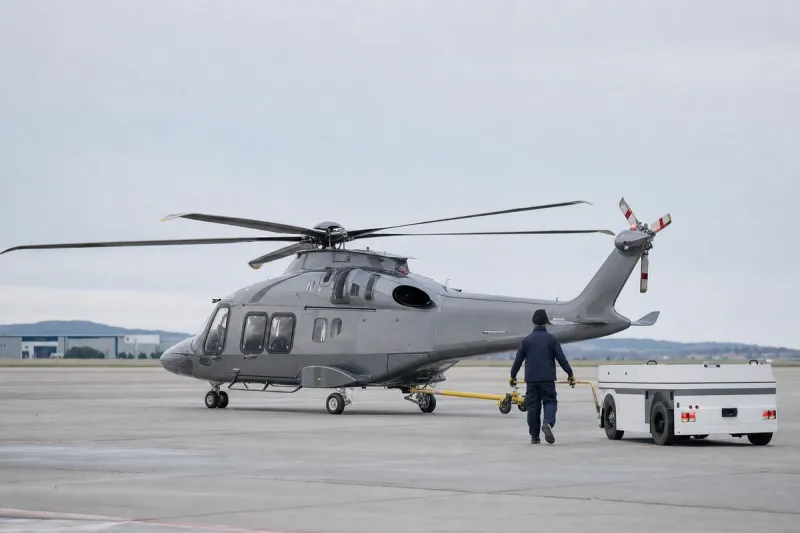
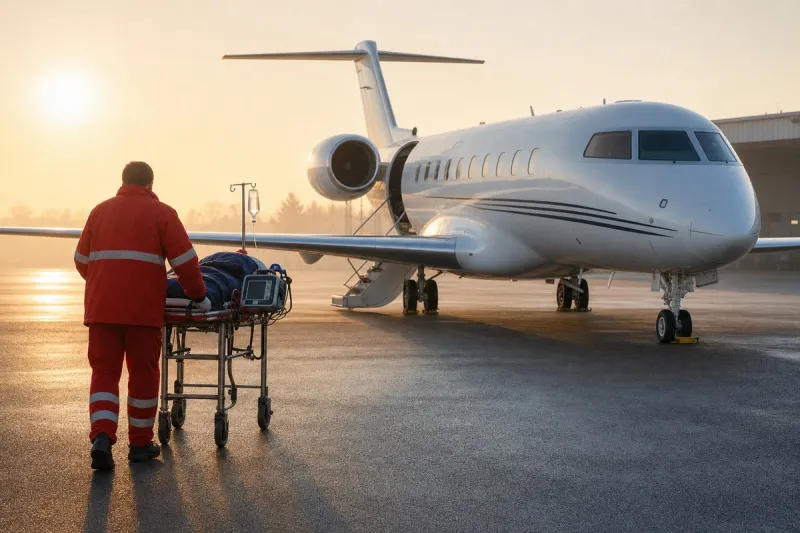
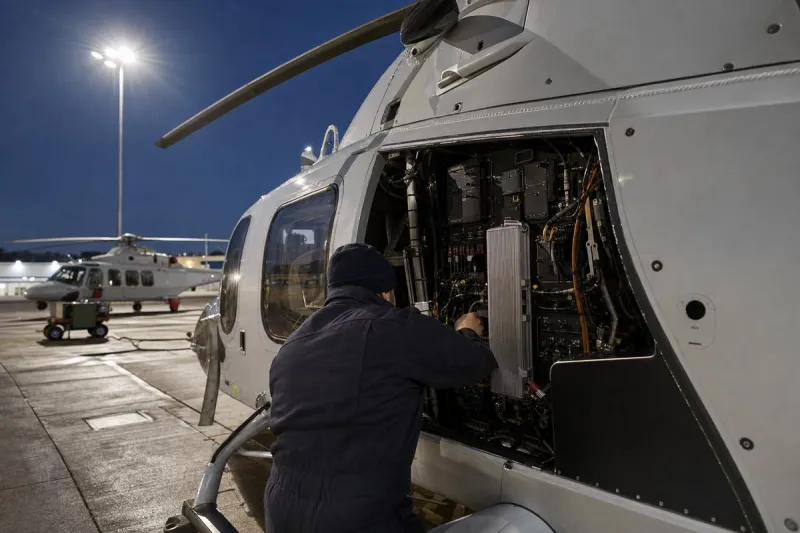
Horizon is targeting medevac, search-and-rescue and regional logistics operators as primary customers. The company says the Cavorite X7 will cost approximately half the purchase price of a new Leonardo AW139, which Robinson said could exceed US$15 million, and will be around 70 percent cheaper to operate on a per-mile basis. On a per-hour basis, the X7 is projected to be roughly 30 percent cheaper while covering nearly twice the distance. Icing protection combines bleed-air systems with, where applicable, embedded resistive heating in rotor blades, which Robinson described as "tried-and-tested technologies across the aircraft" meant to minimise certification risk from novel systems.
Horizon is receiving support from Canada's INSAT programme to accelerate development of icing protection systems. Robinson pointed to Canada's aerospace ecosystem, including domestic supply chains and certification expertise, as a strategic asset, and said the company plans to expand its workforce by roughly 50 percent as it moves from prototypes to full-scale testing. He acknowledged that designing, building and certifying a new aircraft "is not easy" and is a capital-intensive process that often spans several years, citing capital requirements, regulatory timelines and competitive pressure from helicopter manufacturers and other VTOL developers as unresolved risks.
Industry impact & what to watch
The case belongs to a broader push among advanced air mobility developers to move beyond visual flight rules and short urban hops toward missions that helicopters currently dominate because they can fly in instrument conditions and known icing. Fixed-wing-dominant VTOL designs like the X7 argue they can sidestep some of the certification burden that multi-rotor eVTOL configurations face for IFR approval, since a conventional cruise mode and turbine-driven bleed air draw on systems regulators already know.
In medevac, search-and-rescue and regional logistics, purchase price and operating cost per mile or per hour are the levers that determine whether an operator can retire or supplement an aging rotorcraft fleet; a design claiming roughly half the purchase price and substantially lower per-mile costs than an AW139-class helicopter is pitching directly at that fleet-renewal decision, provided certification actually delivers the claimed capability.
What happens next depends on whether Horizon's icing-protection work under the INSAT programme translates into flight-test data that regulators accept, and whether the company's planned workforce expansion keeps pace with the multi-year certification timeline Robinson himself flagged as capital-intensive and competitive.