AirVenture 2026 Marks Milestone for Vertical Aviation with Inaugural Vertical Lift Center and Record Symposium Turnout
Why It MattersDedicated event infrastructure and a performance-based MOSAIC certification pathway suggest eVTOL and powered-lift aircraft are being folded into general aviation's regulatory and airspace framework rather than treated as a separate category.
What happened
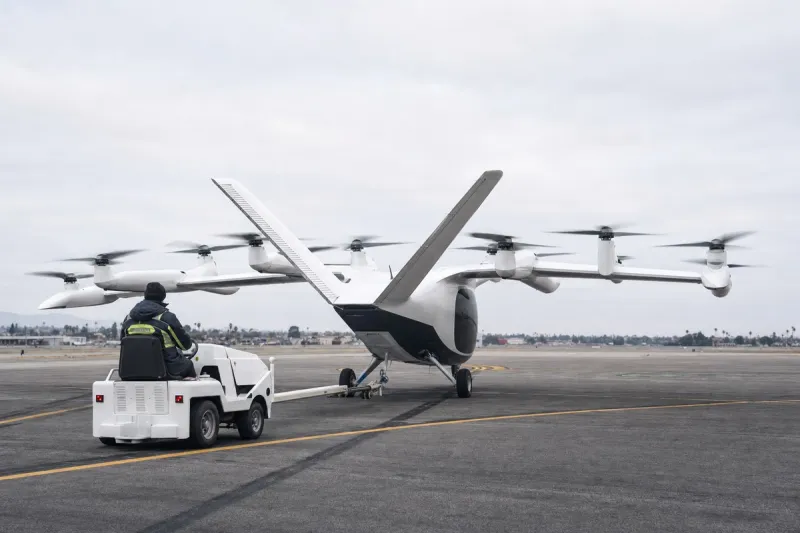
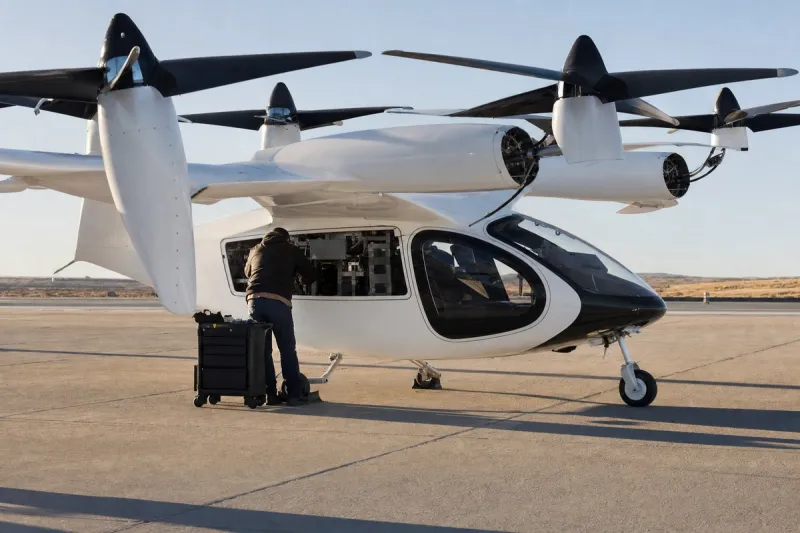
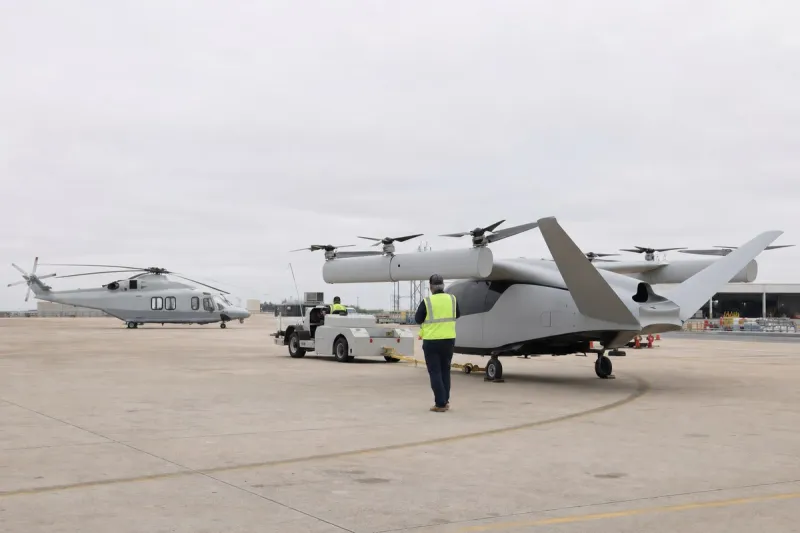
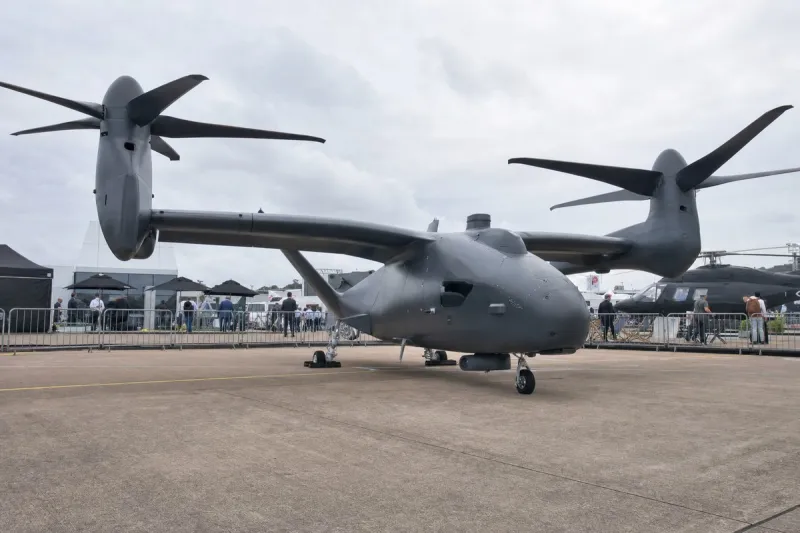
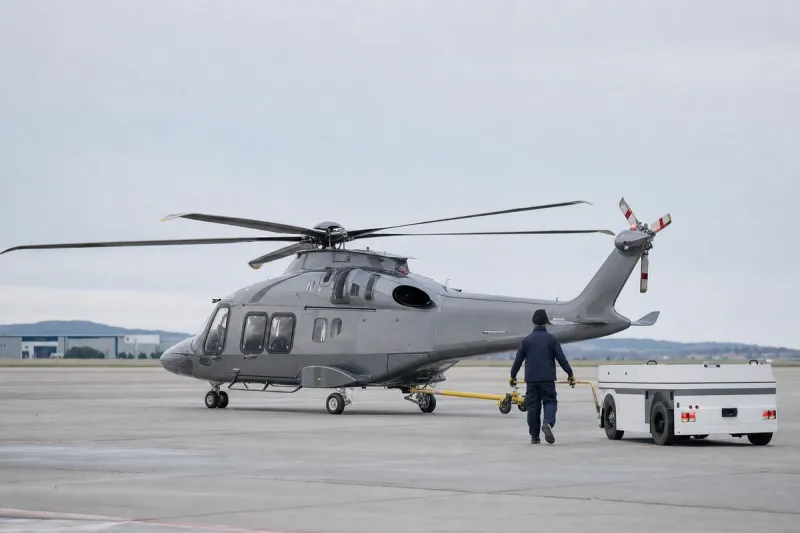
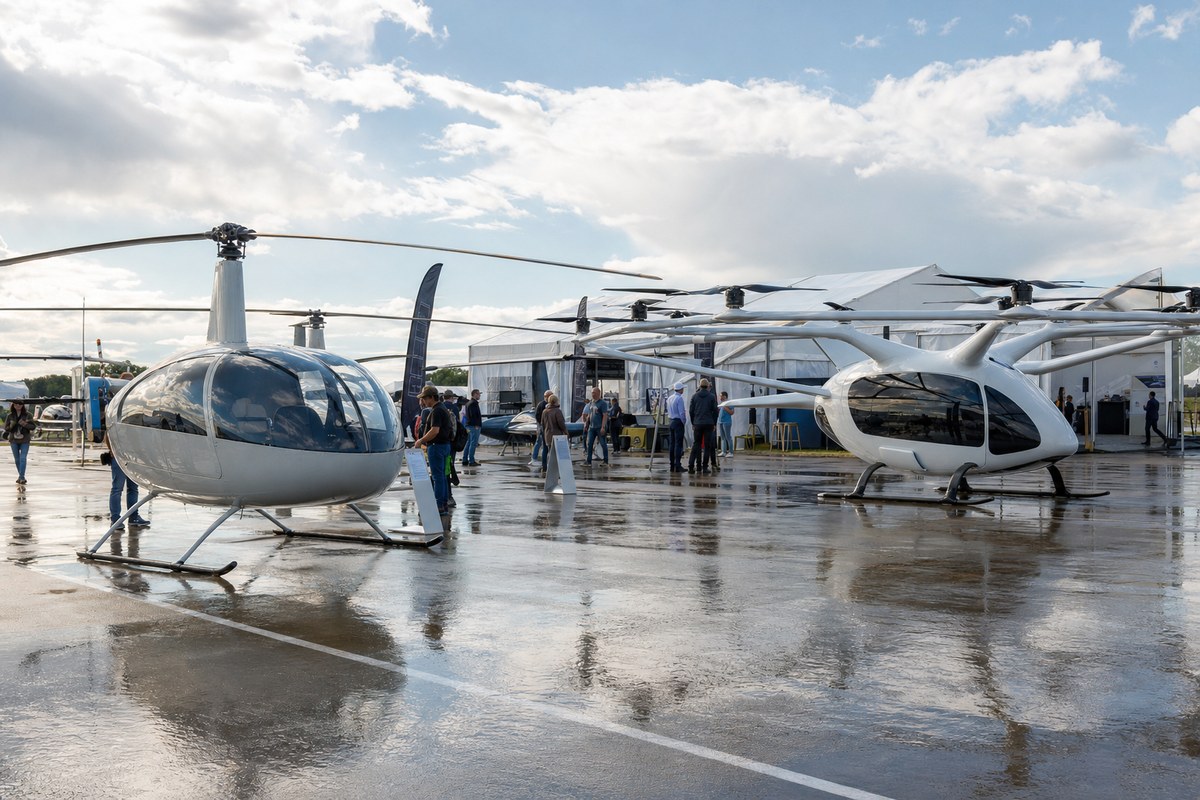
AirVenture 2026 featured the inaugural Vertical Lift Center, created through a collaboration among the Experimental Aircraft Association (EAA), Robinson Helicopter and Vertical Aviation International (VAI, formerly the Helicopter Association International). The center brought together dozens of vertical lift industry partners, showcasing traditional helicopter technology alongside emerging eVTOL and AAM aircraft, with EAA CEO and Chairman Jack Pelton, Robinson Helicopter president and CEO David Smith, and VAI president and CEO François Lassalle among the figures behind its creation.
U.S. Transportation Secretary Shawn Duffy visited the center and discussed the Administration's eVTOL Integration Pilot Program (eIPP), aimed at accelerating integration of next-generation aircraft into the National Airspace System. Duffy also spoke with Lassalle about the Brand-New Air Traffic Control System (BNATCS) initiative, which targets four infrastructure components: communications, surveillance, automation and facilities.
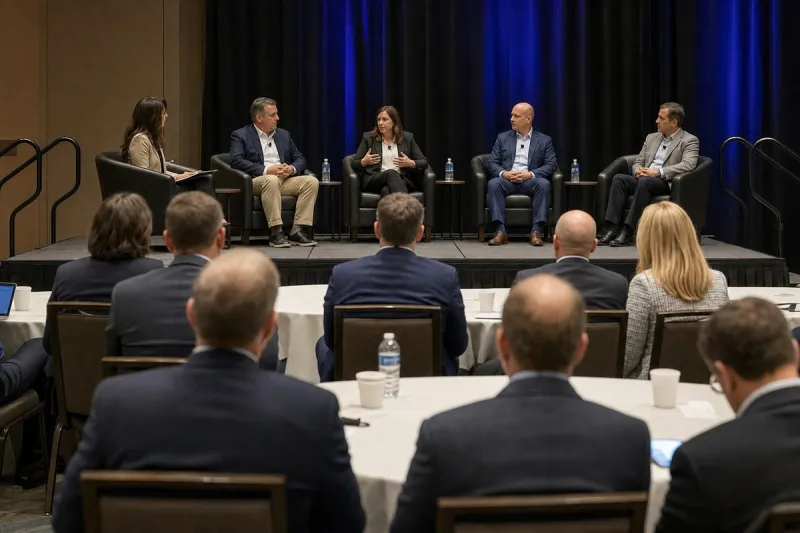
A co-located electric aviation symposium drew nearly 200 participants from 12 countries and more than 50 speakers from organizations including NASA, the FAA, the Florida Department of Transportation, Joby Aviation, Wisk Aero, Eve Air Mobility, Electra, Ampaire, Whisper Aero, Jump Aero, Robinson Helicopter, Bosch Aviation Technology, Pratt & Whitney Canada, Horizon Aircraft and H2FLY. Topics covered electric and hybrid-electric aviation, hydrogen technology, battery advancements, charging infrastructure and certification.
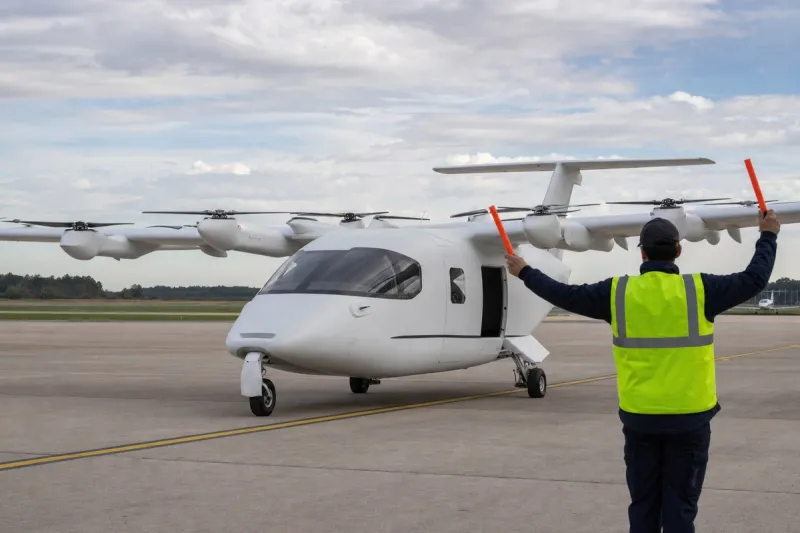
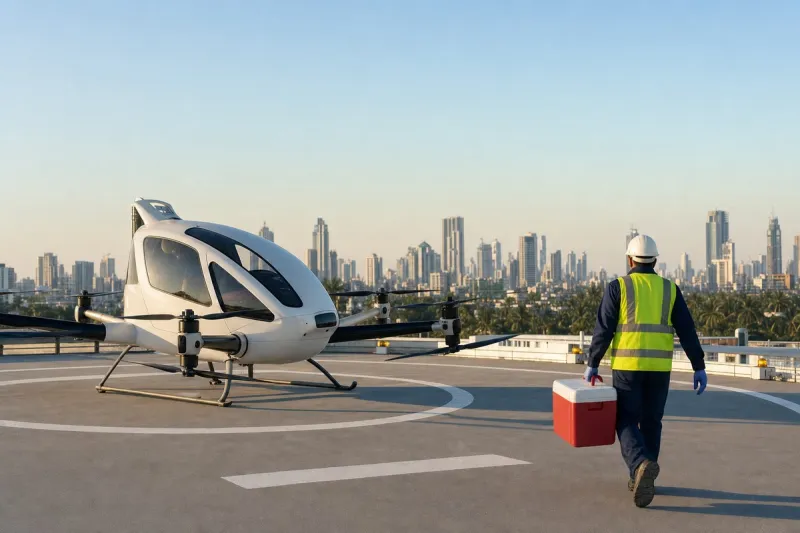
The FAA's MOSAIC rule, published July 24, 2025, expands the light-sport aircraft category to include rotorcraft and powered-lift aircraft and adopts a performance-based certification approach. AIR CEO and co-founder Rani Plaut said the company is pursuing MOSAIC certification for its two-seat AirOne eVTOL, with a range of approximately 100 miles. SkyFly Technologies Ltd, based in England, is developing the Axe, an all-electric two-seat VTOL aircraft with a range of approximately 100 miles, and the Longbow, a hybrid-electric autonomous unmanned logistics aircraft capable of carrying 200 kilograms up to 400 miles, according to founder and CEO Michael Thompson. Jump Aero Incorporated debuted a full-scale mockup of the JA1 Pulse, an all-electric tailsitter aircraft designed to cut emergency response times in half for first responders in rural areas; founder and president Carl Dietrich said the company is also working with the AFWERX team on potential U.S. Department of Defense applications.
Lassalle said VAI's rebranding from Helicopter Association International reflects an industry shift toward integrating helicopters, drones and powered-lift aircraft in shared airspace, and noted the association has established several Industry Advisory Councils to guide its board and members. VAI's new five-year plan focuses on safety data, workforce development, advocacy, international growth and diversified revenue.
The MOSAIC pathway
MOSAIC's performance-based certification approach gives eVTOL developers a route into the light-sport aircraft category that several companies are now actively pursuing. AIR's AirOne and SkyFly's Axe both target roughly 100-mile range in a two-seat configuration, while SkyFly's Longbow addresses cargo logistics with a 200-kilogram, 400-mile hybrid-electric design.
These examples suggest developers are shaping aircraft specifications around the certification category itself, rather than seeking a bespoke path for each design. Duffy's discussion of the eVTOL Integration Pilot Program alongside MOSAIC points to certification and airspace integration being pursued as parallel, connected tracks.
Industry impact & what to watch
The pairing of a dedicated Vertical Lift Center with a symposium spanning NASA, the FAA, established OEMs and eVTOL startups signals that vertical lift and AAM are being treated as an extension of general aviation infrastructure rather than a standalone show floor. VAI's rebranding from a helicopter-only association to one covering helicopters, drones and powered-lift aircraft in shared airspace reflects the same integration logic playing out at the institutional level.
How this segment actually moves forward depends on two tracks converging: certification pathways like MOSAIC that lower the bar for entry, and airspace programs like the eIPP and BNATCS that determine whether these aircraft can operate alongside existing traffic. Companies such as AIR, SkyFly and Jump Aero are building specific aircraft toward MOSAIC's category, which ties commercial timelines directly to how that rule is implemented in practice.
The next milestones to watch are whether MOSAIC certifications are actually granted to eVTOL designs like the AirOne and Axe, and how the eIPP and BNATCS programs progress toward integrating powered-lift aircraft into the National Airspace System. VAI's five-year plan, with its focus on safety data and workforce development, points to where the association expects friction to emerge as adoption scales.