Farnborough 2026 Order Book: 353 Firm Aircraft Orders and $84.7 Billion in Deals Signal Constrained Supply and Long-Term Demand
Why It MattersWhen near-term delivery slots run scarce, orders function as much to secure production positions as to bet on passenger growth, reshaping lease rates, asset values and retirement timing.
What happened
The Farnborough International Airshow 2026 recorded 353 firm commercial aircraft orders, 904 firm engine orders, and commercial deals worth more than $84.7 billion. Analysts said the totals reflect both strong passenger demand and airlines and lessors locking in future delivery positions in a market where production schedules remain tightly constrained.
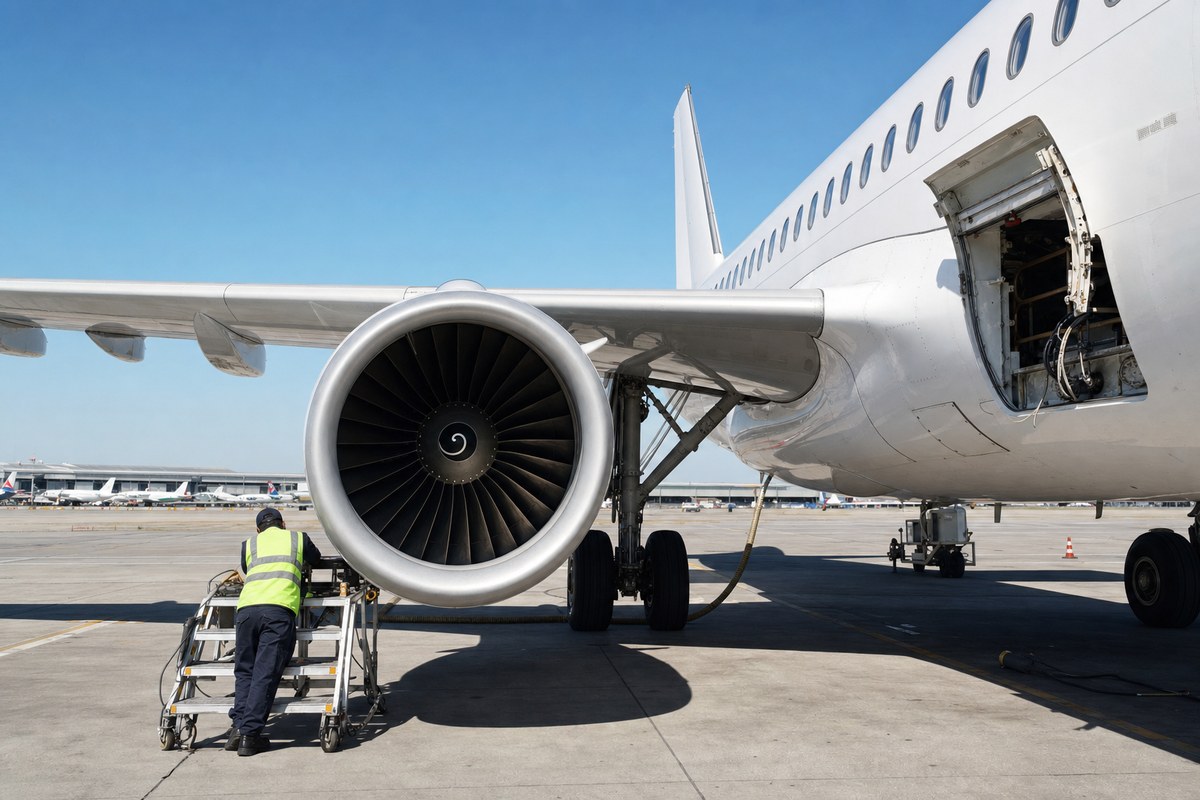
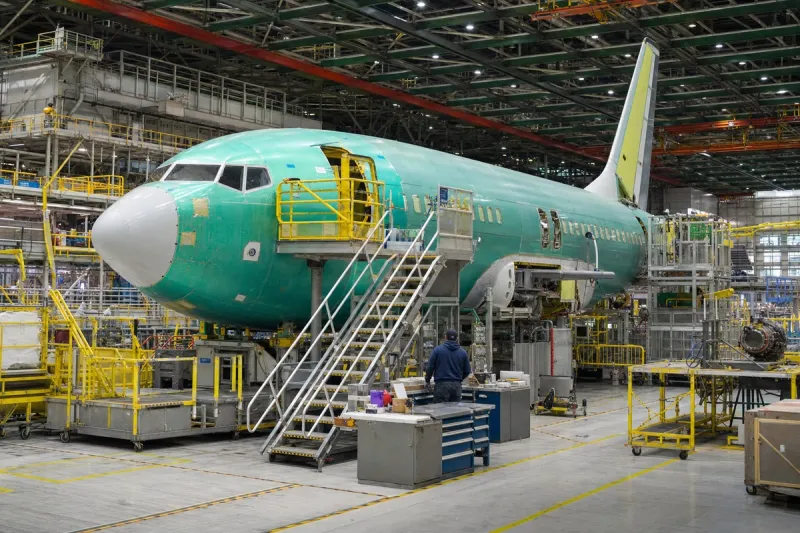
Narrowbody aircraft drew the broadest demand, with Airbus A320neo-family and Boeing 737 MAX variants attracting wide interest across fleet renewal and capacity expansion programs. Widebody commitments were more selective, centred on the Boeing 787 and Airbus A350, including additional A350-1000 orders, tied to carriers with defined long-haul network growth plans.
Lessor activity featured prominently. SMBC Aviation Capital placed a 200-aircraft order comprising 100 Airbus A320neo-family aircraft and 100 Boeing 737 MAX aircraft, with a significant share made up of the larger A321neo and 737-10 variants. SMBC has previously placed aircraft including 737-8 MAX units with Vietnam Airlines. On engines, IndiGo committed to more than 1,000 CFM LEAP-1A engines, and BOC Aviation placed a large LEAP engine order.
Industry impact & what to watch
The order pattern points to a market where commitments are being driven as much by scarcity of delivery slots as by underlying traffic growth. Airlines and lessors placing orders years out is a defensive move to hold a place in the production queue before schedules tighten further, alongside the traditional bet on future passenger demand.
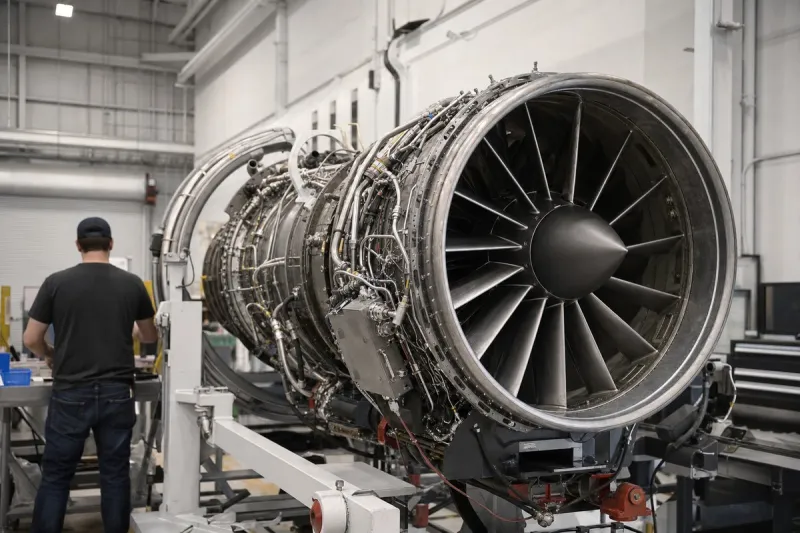
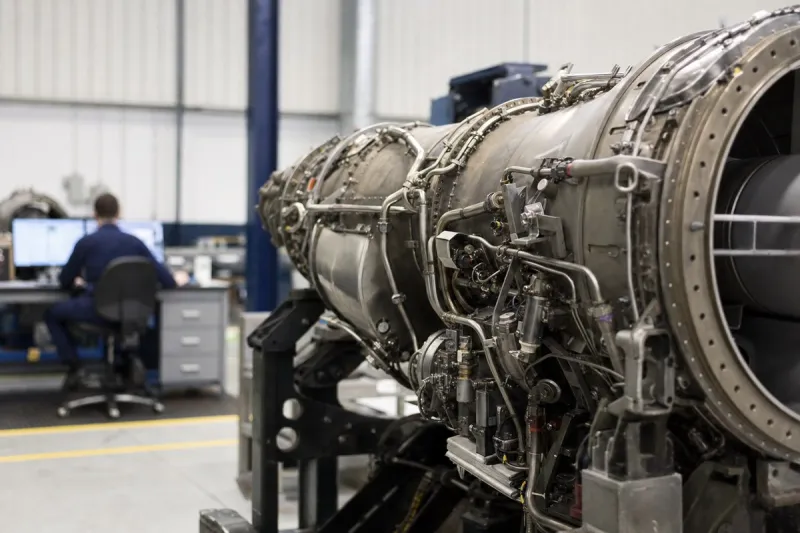
Engine orders on the scale IndiGo and BOC Aviation placed show that propulsion capacity, not just airframe assembly, is a binding constraint: maintenance queues, spare-engine shortages, and overhaul backlogs can ground aircraft that are otherwise ready to fly. SMBC's dual-platform order across Airbus and Boeing types illustrates how lessors use order composition to preserve remarketing flexibility rather than concentrate risk with one manufacturer.
What follows will show up in lease rates, asset values, and fleet-retirement timing, as lessors and investors weigh how constrained near-term supply shapes the value of aircraft already in service against those still years from delivery.