Global Billionaire Population Hits Record 3,795 in 2025, Combined Wealth Reaches $15.1 Trillion
Why It MattersWealth is concentrating at the very top of the billionaire class, with AI-linked equity gains and a coming multi-trillion-dollar generational transfer set to reshape private wealth and jet-ownership demand.
What happened
The global billionaire population rose to a record 3,795 individuals in 2025, growing 8.2% — the strongest annual rate in five years — according to Altrata's Billionaire Census 2026, the 13th edition of the report. A net 287 individuals joined the billionaire class, which has expanded by nearly 60% over the past decade.

Total billionaire wealth rose 12.8% to a record $15.1 trillion, equivalent to almost a quarter of the total market capitalization of the S&P 500, marking a third consecutive year of accelerating growth. The average billionaire fortune stands at $4 billion, while the median is closer to $2 billion. Among the 150 listed companies globally that contribute most to billionaire wealth, those with meaningful AI investments outperformed others by 23% in market capitalization growth over the combined 2024–25 period.
The 29 richest individuals, each with fortunes exceeding $50 billion, held a combined net worth of $4.1 trillion — 27% of all billionaire wealth, up from 7.2% in 2017. North America led all regions, with billionaire numbers growing 11.6% to 1,337 individuals, a 35% global share. The United States recorded an 11.5% rise to 1,265 billionaires, more than three times China's count, whose billionaire population expanded 13%. Germany registered the fastest growth among the top 15 countries at 20%. Europe's billionaire population grew nearly 8% to 1,081 individuals, and Asia rose 6.5% to 881 individuals. Among the top 15 cities, Singapore and major US cities recorded the strongest growth, while Hong Kong and London were the only two to register a decline.
One in five billionaires is foreign-born, the average age is 71, and only 9% are under 50. Women account for 13% of billionaires, and just 8% fully inherited their wealth. Banking and finance is the predominant industry. About 15% of billionaires own a private jet, nearly three times the proportion owning a luxury yacht, and 201 billionaires — just over 5% — hold a direct stake in a sports team or franchise. Over the next decade, an estimated $6.6 trillion in billionaire wealth is expected to be passed on to nearly 5,000 spouses and adult children, including more than 1,235 female spouses, with expected adult child heirs averaging 48 years old and spouses 66.
Industry impact & what to watch
This census describes a wealth base that is both larger and more top-heavy than before: a small cohort of ultra-billionaires now controls more than a quarter of all billionaire wealth, up sharply from under a tenth less than a decade ago. That concentration matters for any segment selling to private wealth, since demand at the very top of the pyramid grows faster than the pyramid itself.
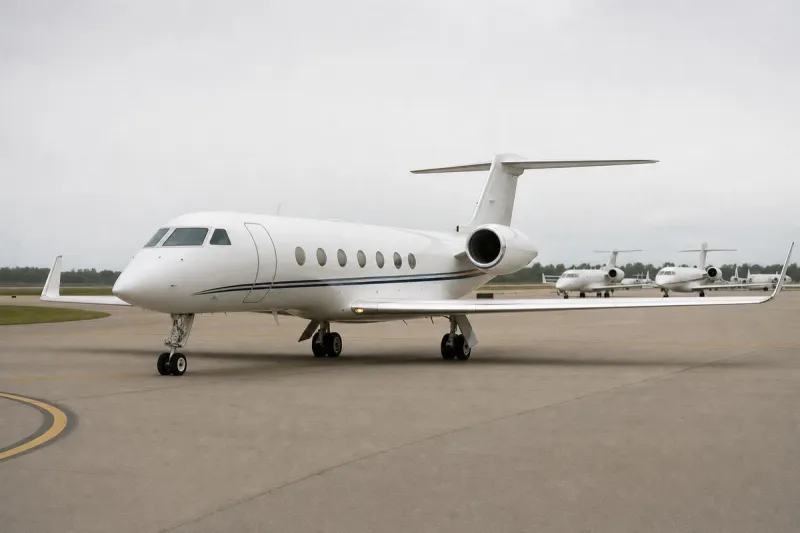
For business aviation specifically, a private-jet ownership rate of roughly 15% among billionaires — against a much smaller yacht-owning share — signals that aircraft remain a preferred asset class for this population even as its composition shifts toward AI-linked fortunes and younger self-made wealth in markets like Germany and the US. Regional growth is uneven: North America and Germany outpaced Asia, which lagged the global rate, shaping where new jet and charter demand will concentrate geographically.
The $6.6 trillion succession wave over the coming decade is the structural variable worth tracking, since it moves wealth to nearly 5,000 heirs whose average ages (48 for adult children, 66 for spouses) differ from the current billionaire cohort's average age of 71. How those heirs choose to hold or dispose of aircraft, teams, and other lifestyle assets will depend on individual succession planning that this census does not itself resolve.