North Texas aviation panel highlights air taxis, drone deliveries and workforce needs as industry enters new era
Why It MattersAir taxi economics, noise levels and workforce pipelines are being worked out in public forums well before commercial service begins, signaling a slow, negotiated rollout rather than a sudden launch.
What happened
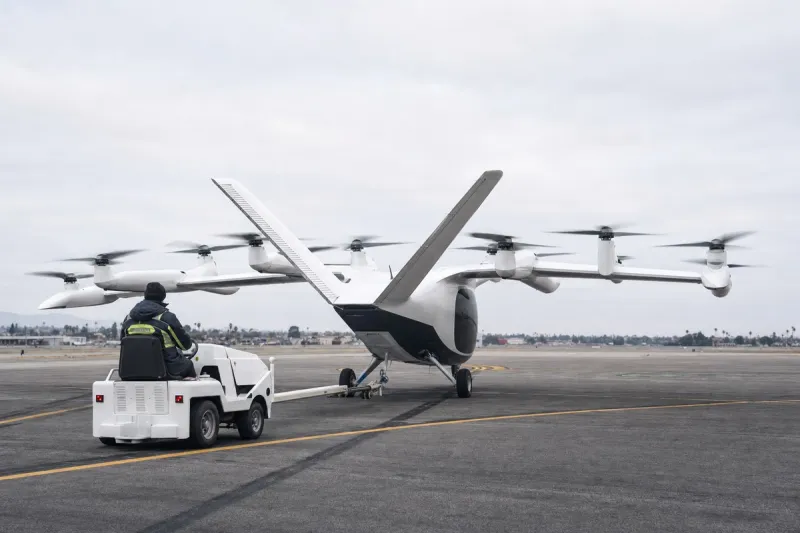
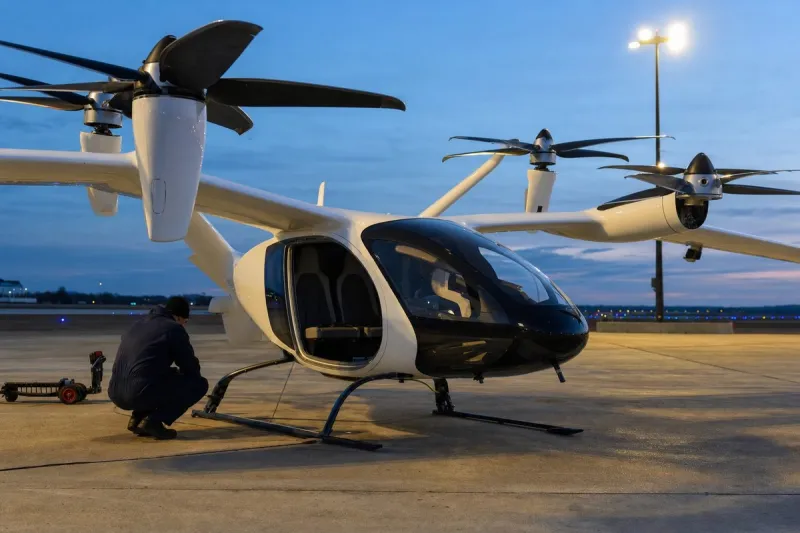
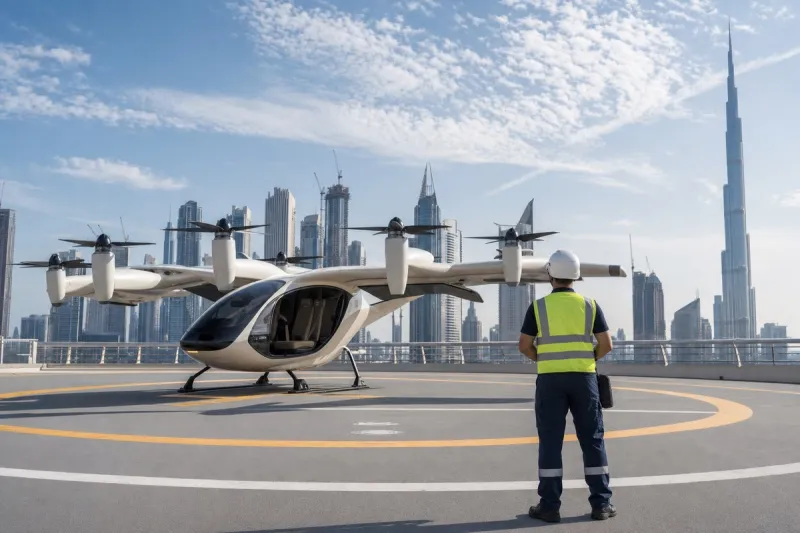
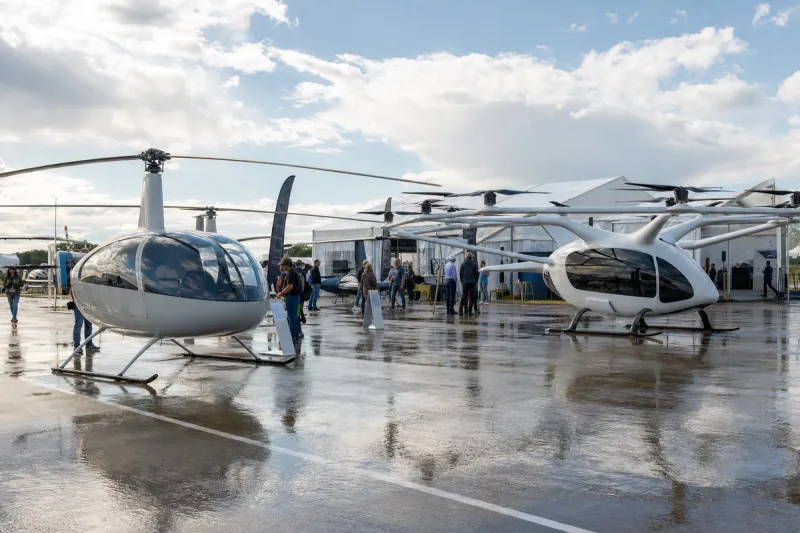
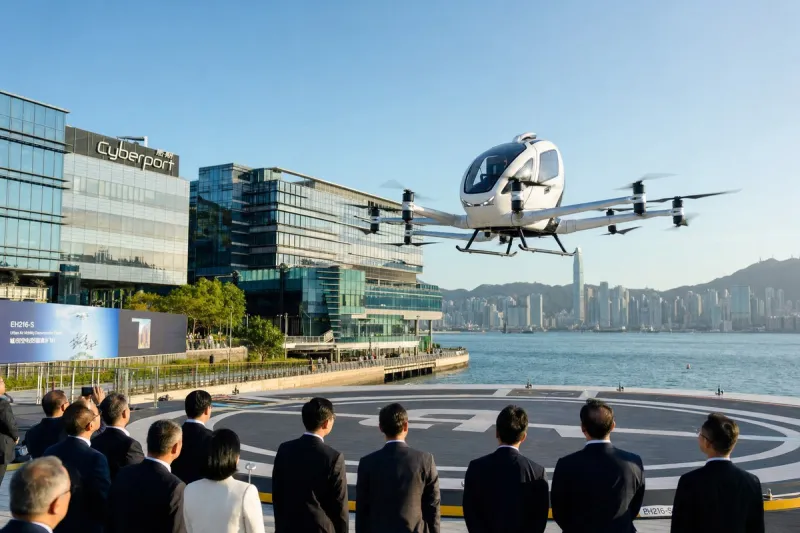
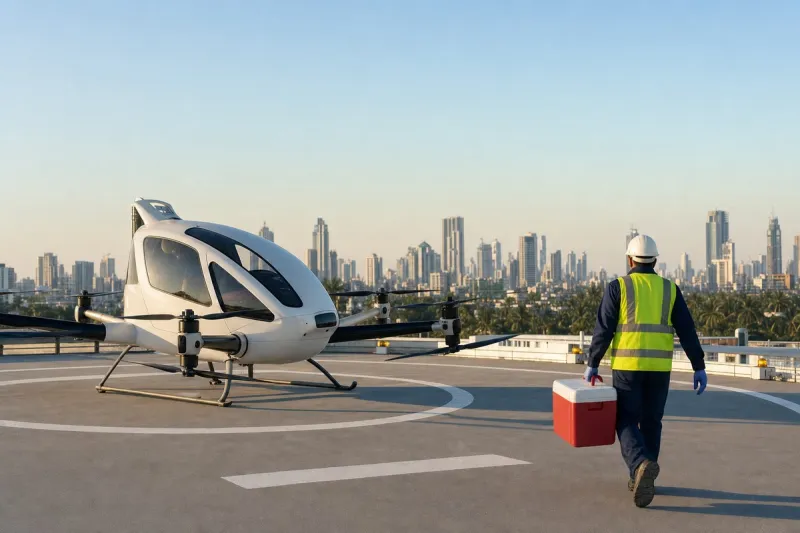
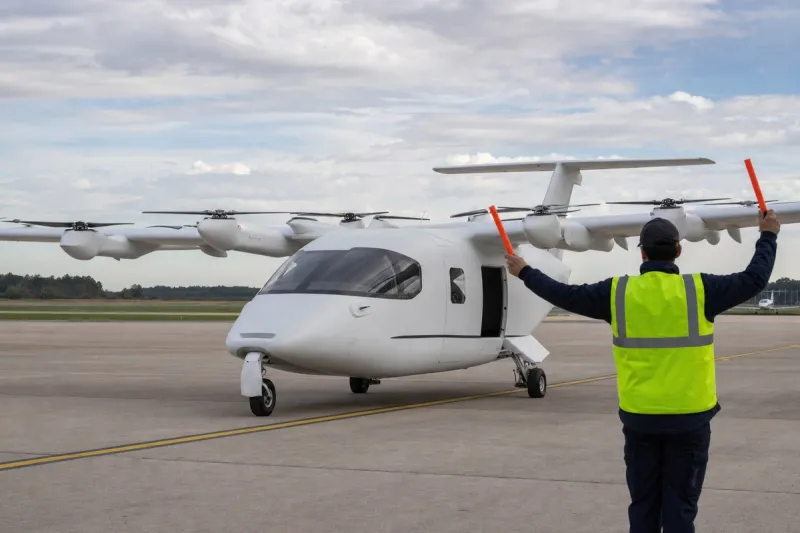
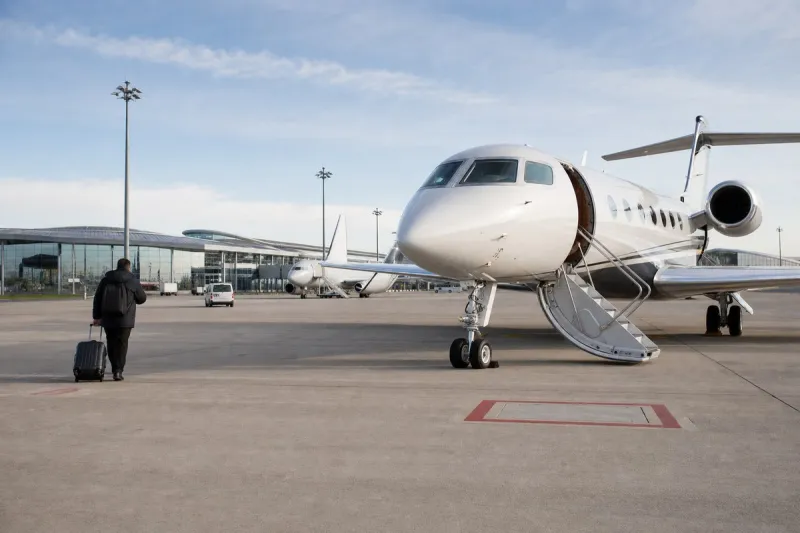
Aviation leaders gathered August 25 at the Kimbell Art Museum for a Texas A&M-Fort Worth panel on the transformation of transportation technology, covering electric and hybrid-electric vertical-lift aircraft, autonomous drone deliveries, and workforce needs. Matt Byrd, president and CEO of Hillwood Aviation, said North Texas could see air taxis as soon as 2027, with initial routes planned above highways and fares projected at approximately $3 per mile. He said a trip to Dallas Fort Worth International Airport using vertical-lift technology would cost around $100, and noted electric and hybrid aircraft generate roughly 45 decibels of noise, which he compared to wind blowing through trees.
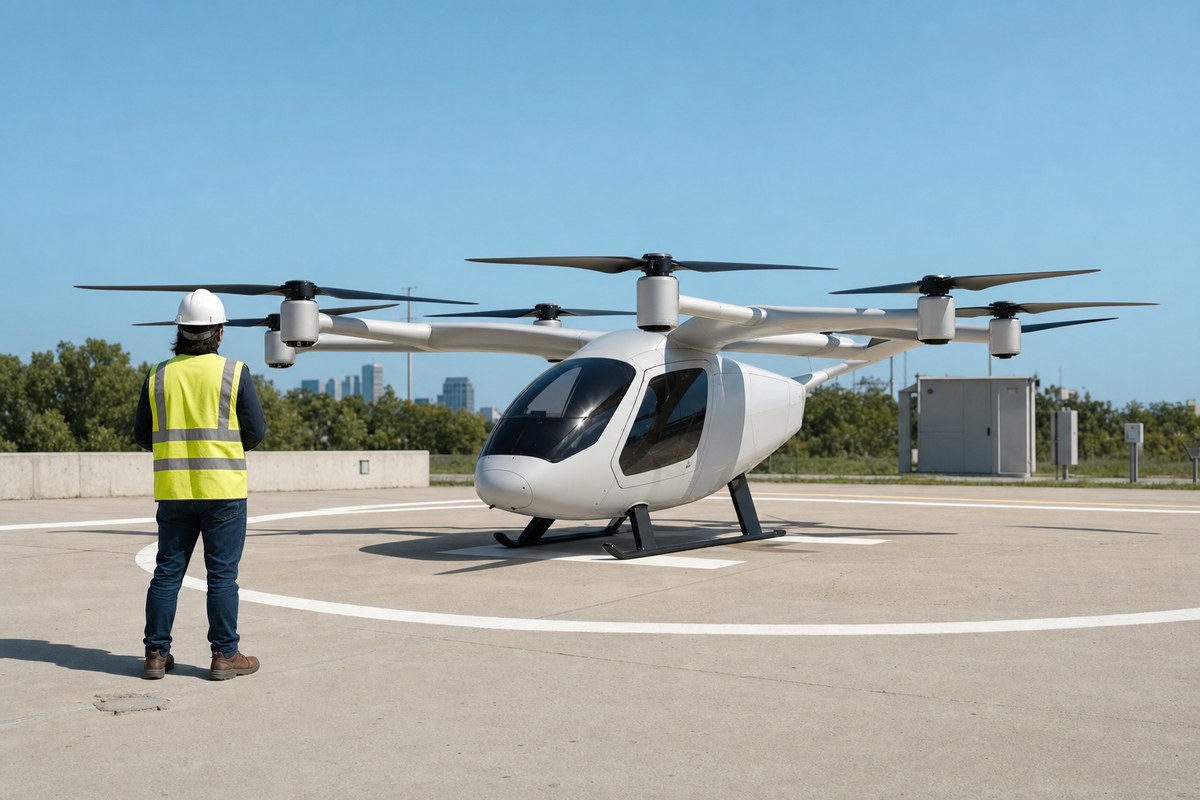
Byrd traced American aviation progress from Orville and Wilbur Wright's first controlled flight at Kitty Hawk, North Carolina, in December 1903, through the advent of transatlantic jet travel in the 1950s, to what he called the current inflection point of automated, electric and hybrid-electric aircraft and drone deliveries. In 2024, North Texas became the first region approved by the FAA for commercial drone deliveries, with Wing Aviation and Zipline authorized to operate.
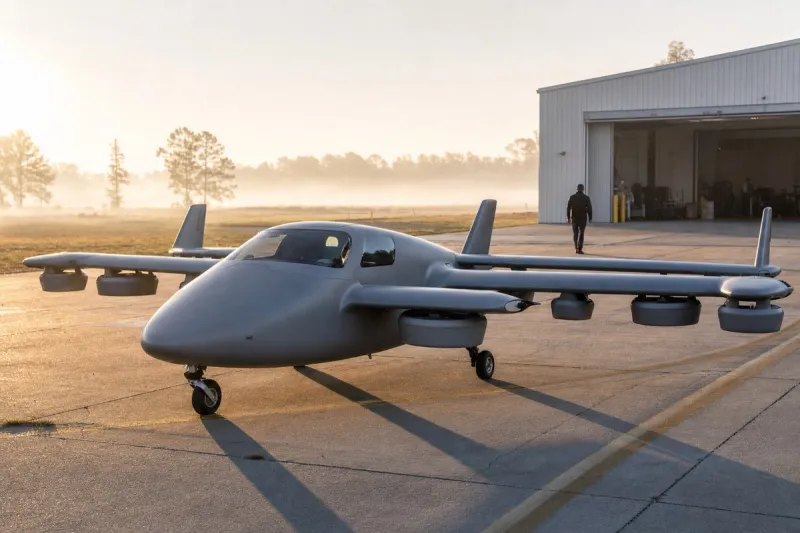
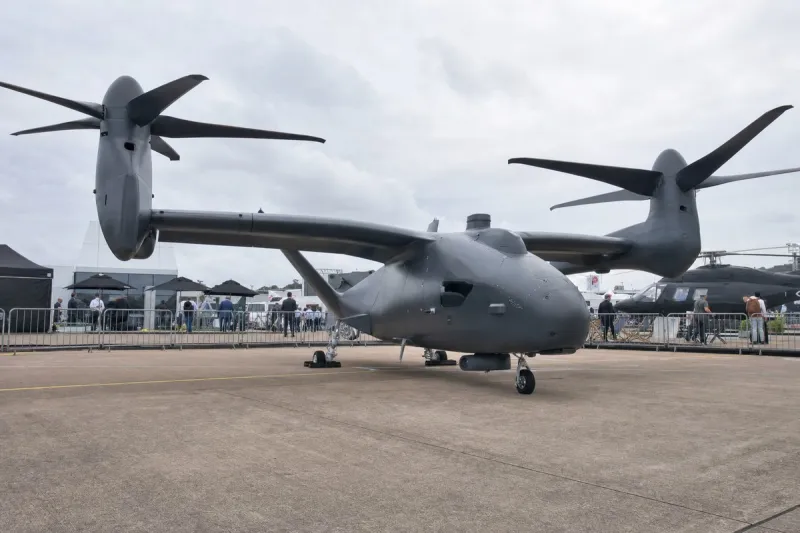
Dave Martin, project manager for the Texas A&M system's Center for Advanced Aviation Technologies, said French aviator Roland G. Garros flew a Bleriot XI monoplane on the first powered flight from Fort Worth on January 11, 1911. The city later hosted World War I pilot training fields, dirigible operations in the 1920s, and a B-24 and B-32 bomber factory during World War II, a facility now known as Air Force Plant 4 where Lockheed Martin Aeronautics Co. assembles F-35 aircraft. Fort Worth-based AVX Aircraft Co. is partnering with XTI Aerospace Inc. on the TriFan 600, a fixed-wing vertical lift aircraft.
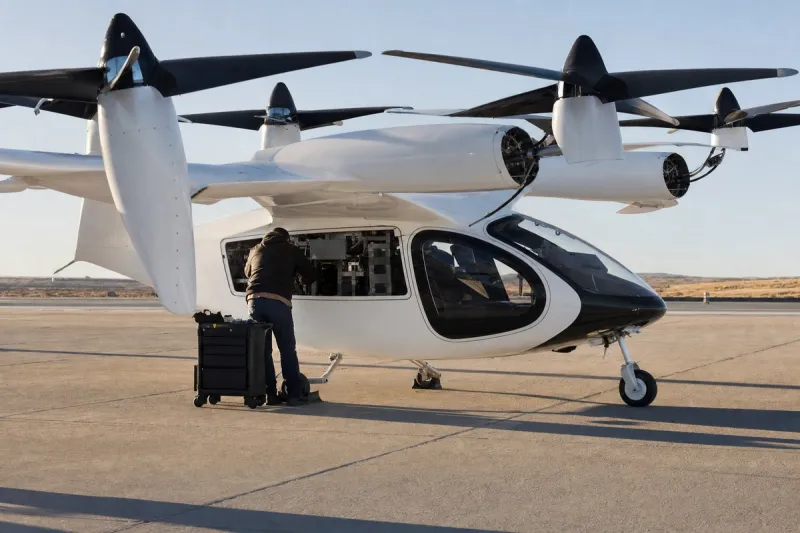
Ivett Leyva, associate dean for research at Texas A&M-Fort Worth, cited a shortage of air traffic controllers as a pressing workforce concern; Texas A&M-Fort Worth and Tarrant County College have launched aviation-related workforce programs. Byrd said maintaining electric aircraft will require mining rare earth minerals in new areas, while Leyva said work is underway to develop biodegradable batteries. Panelists said public acceptance will be essential to air taxis' success. "If they don't perform, no one's going to fly them," Byrd said.
Industry impact & what to watch
Air taxi programs everywhere face the same sequence before revenue flights start: regulatory approval, route planning above existing infrastructure like highways, noise and cost benchmarks the public can compare against cars or rideshares, and a workforce pipeline to support new aircraft types. North Texas's case shows how a region positions itself early — pairing a drone-delivery approval already granted by the FAA with local manufacturing partnerships and university workforce programs, so that when vertical-lift aircraft are ready, the surrounding ecosystem is not starting from zero.
The economics Byrd described, a per-mile fare near $3 and roughly $100 for an airport run, only hold if noise stays near the 45-decibel level he cited and if acceptance follows; his own comment that low performance means no one will fly the aircraft is a reminder that these figures are targets, not guarantees. The rare-earth mineral sourcing needed to maintain electric fleets, and the parallel push toward biodegradable batteries, point to supply-chain and sustainability questions that will shape aircraft economics well before any 2027 timeline is tested.
What happens next depends on whether the FAA extends approvals beyond drone delivery into passenger vertical-lift operations, and whether the air traffic controller shortage Leyva flagged is addressed fast enough to support added airspace complexity.