Global Aircraft Sealants and Adhesive Compounds Market Forecast to Grow at 4.2% CAGR Through 2035
Why It MattersConcentrated supply among fewer than a dozen certified producers, paired with 12-18 month qualification cycles, means aerospace sealant sourcing stays structurally constrained even as demand rises.
What happened
IndexBox projects the global aircraft sealants and adhesive compounds market will expand at a compound annual growth rate of 4.2% from 2026 to 2035. The report attributes growth to two structural forces: rising commercial aircraft production by major OEMs and the enlargement of the global in-service fleet, which sustains demand through maintenance, repair, and overhaul (MRO) channels.
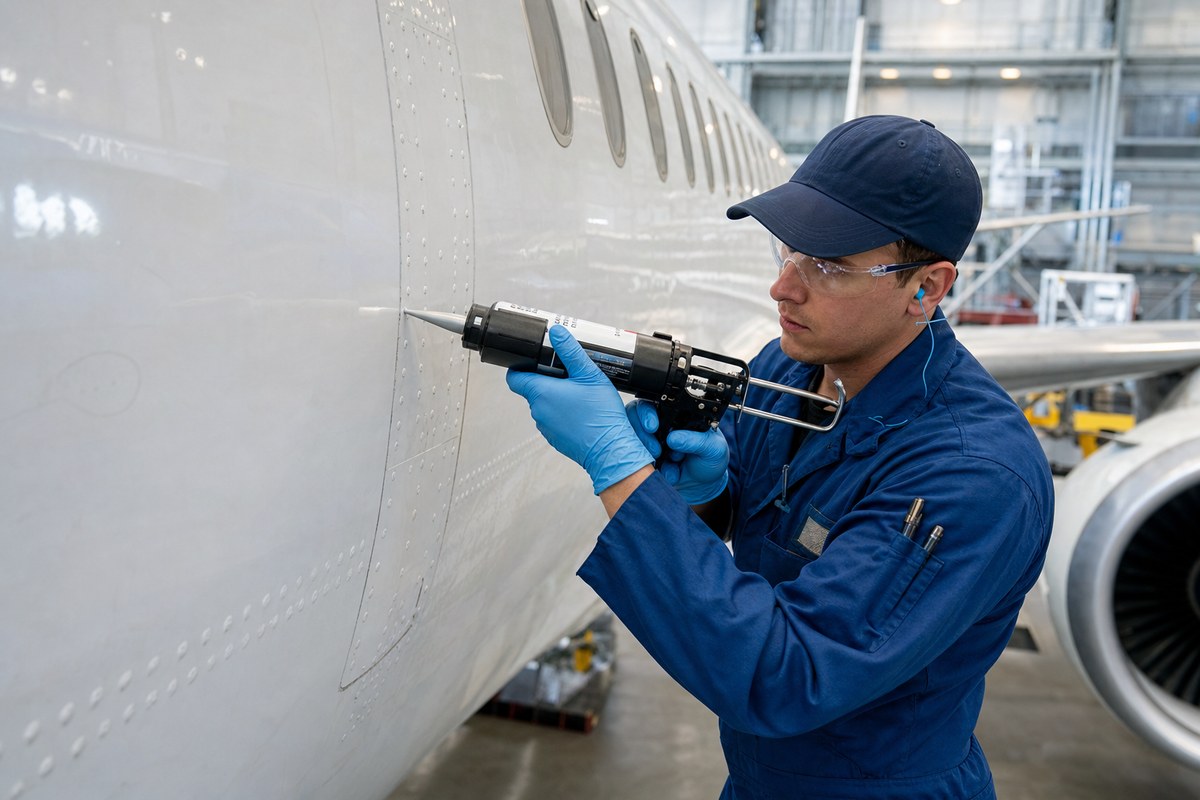
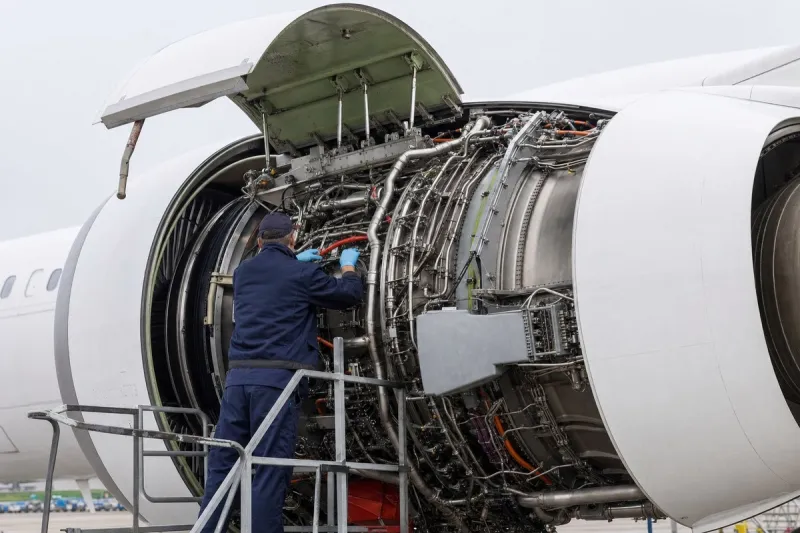
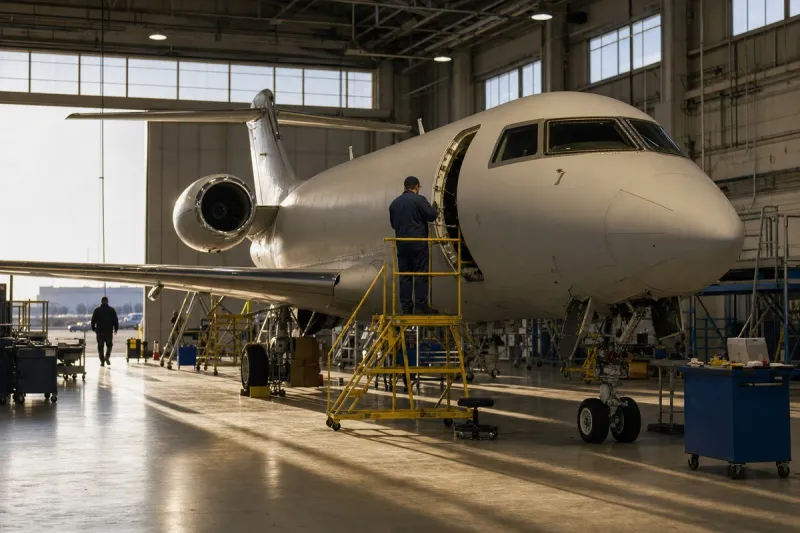
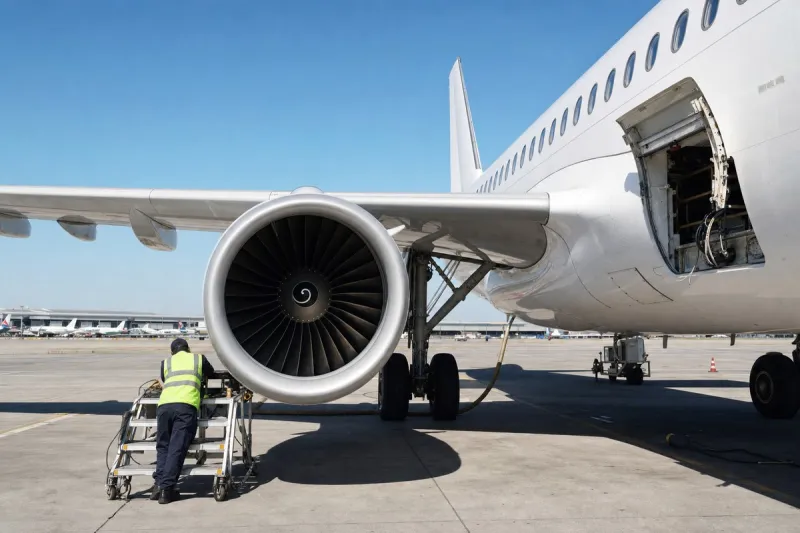
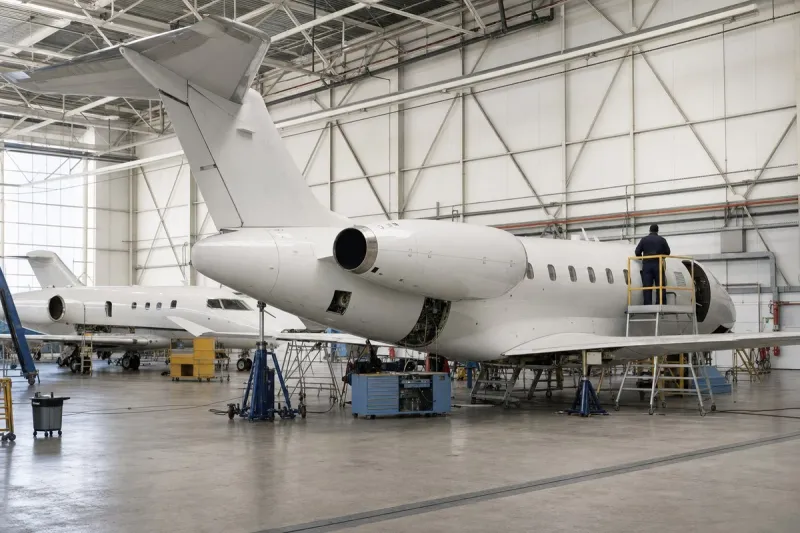
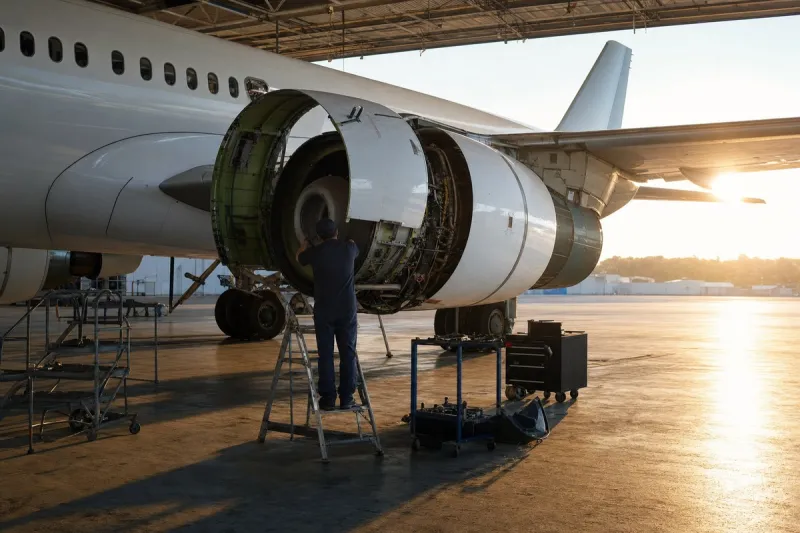
MRO activity currently accounts for 35–45% of total sealant consumption and is expected to grow faster than the OEM segment through 2035, particularly in Asia-Pacific and the Middle East, where fleet expansion and high aircraft utilization rates drive frequent maintenance cycles. By application segment, OEM production holds the largest share, with MRO estimated at 35%, military and defense at 7%, and helicopter and rotorcraft at 2%.
Specialty silicone and hybrid polymer systems capable of withstanding temperatures above 200°C now represent an estimated 15–20% of market value, up from roughly 10% five years ago. Polysulfide-based sealants continue to dominate structural and fuel-tank applications, accounting for 40–50% of total volume. Composite-intensive aircraft designs, including the Boeing 787 and Airbus A350, are accelerating adoption of specialty epoxy and silicone adhesives that bond dissimilar materials and withstand extreme temperatures.
Supply is concentrated among fewer than a dozen certified producers holding full aerospace specifications including FAA, EASA, and AS9100 certification. Qualification of a new sealant takes 12–18 months, and lead times for specialized grades run 8–16 weeks. Raw material price volatility for liquid polymers, fumed silica, and specialty catalysts remains a key challenge, partly offset by long-term supply agreements and vertical integration. Key suppliers named in the report include Henkel, PPG Industries, Solvay, 3M, Dow, and Master Bond.
Industry impact & what to watch
This forecast belongs to a familiar category in aerospace materials: demand growth tied jointly to new-build production and an aging, expanding in-service fleet, with MRO consumption acting as the more stable of the two demand streams. When OEM output slows, MRO cycles tend to keep volume flowing, which is why the report expects MRO to grow faster than OEM demand through 2035, especially in regions with high aircraft utilization.
The supply side illustrates how certification-heavy materials markets behave differently from ordinary industrial chemicals. With qualification running 12–18 months and full aerospace specifications (FAA, EASA, AS9100) held by fewer than a dozen producers, new entrants cannot simply undercut on price; they must first clear a certification barrier that takes over a year, which keeps the supplier base narrow even as demand rises. Long-term supply agreements and vertical integration are already being used to manage raw material volatility in liquid polymers, fumed silica, and specialty catalysts.
The shift toward high-temperature specialty silicone and hybrid polymer systems, now 15–20% of market value versus roughly 10% five years earlier, tracks the rise of composite-intensive airframes like the 787 and A350, which require adhesives that bond dissimilar materials under extreme thermal loads. Whether that value mix continues shifting will depend on how fast composite-heavy designs replace older metallic-structure fleets in the in-service base, and on whether the named suppliers expand certified capacity fast enough to keep lead times from stretching further.