Louisiana Launches AAM Test Program at Houma-Terrebonne Airport
Why It MattersThe program shows how regulators are using real-world operational data from mixed helicopter and AAM traffic at working offshore hubs to shape airspace integration standards before wider deployment.
What happened
Louisiana transportation officials launched an advanced air mobility test program at Houma-Terrebonne Airport on Thursday, marking the start of the LIFTOff Louisiana initiative. The program is designed to generate operational data for the FAA as it develops standards for integrating new aircraft types into the National Airspace System.
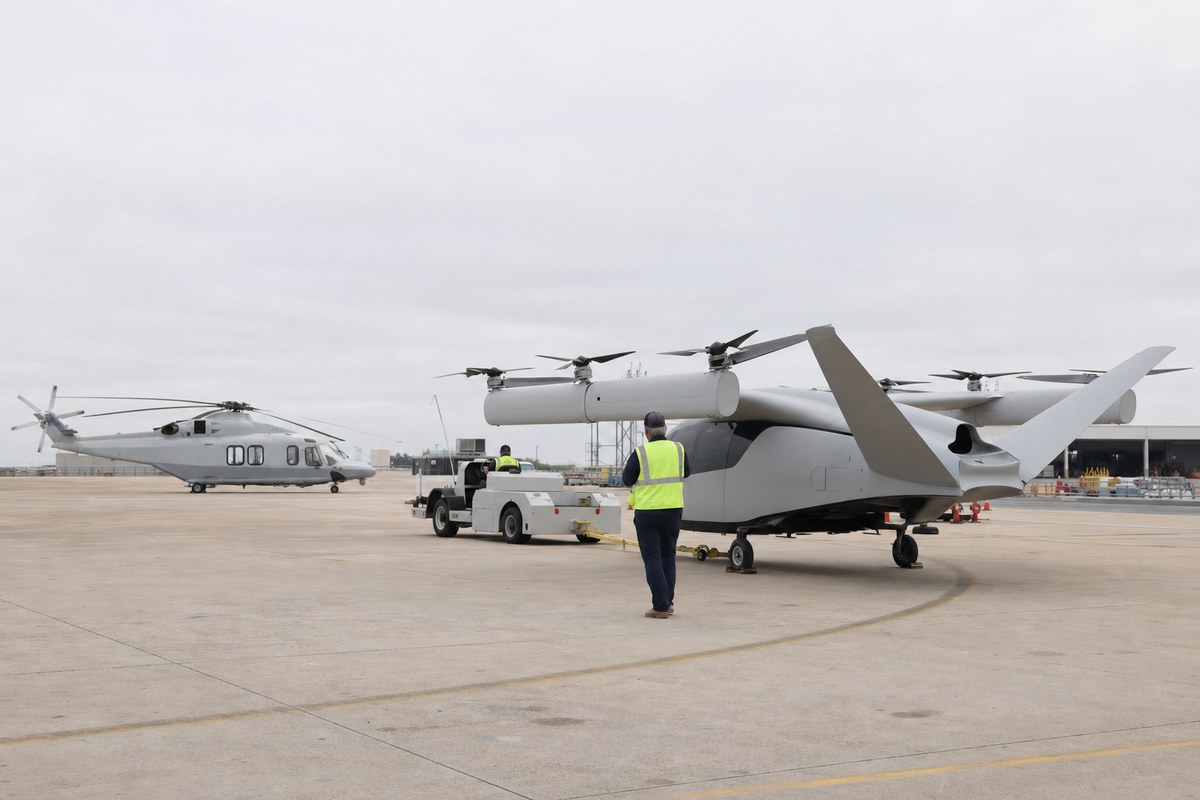
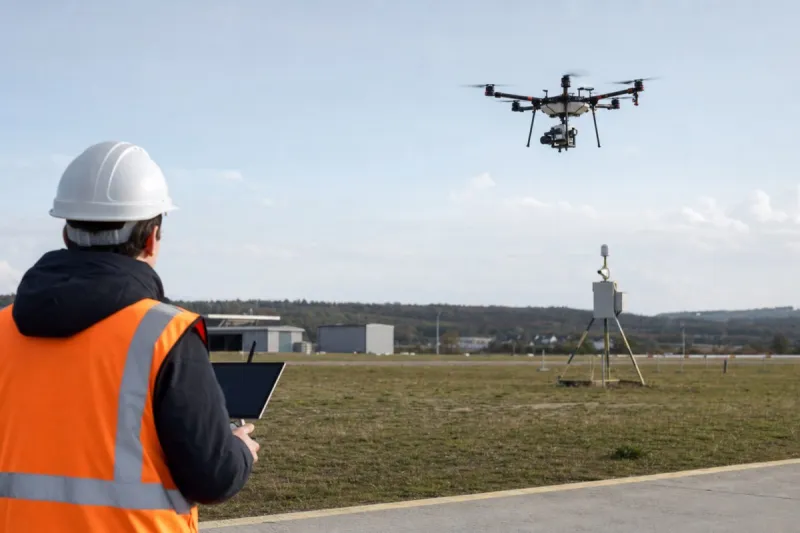
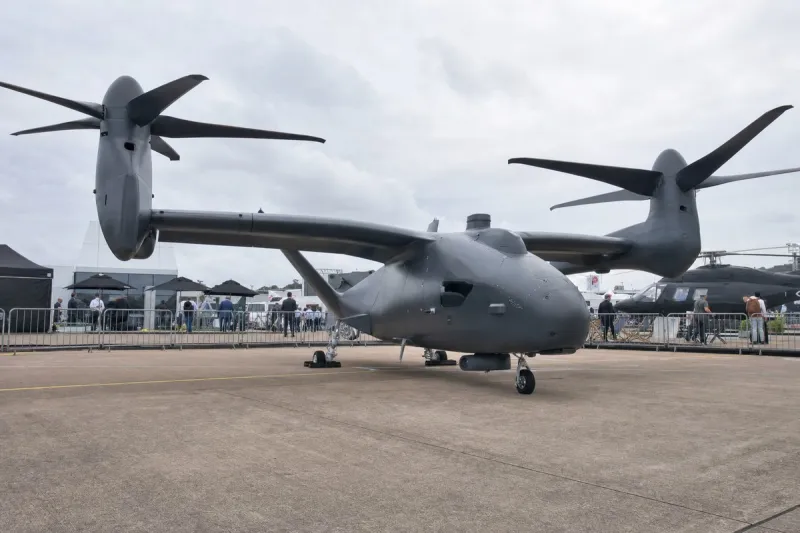
Aircraft developers BETA Technologies and Elroy Air are participating alongside operators Bristow Group and Metro Aviation. Houma-Terrebonne Airport is a major hub for offshore helicopter operations, and the program will eventually see emerging aircraft operating alongside existing helicopter and fixed-wing traffic. Initial work will focus on mapping routes and evaluating surveillance, weather, and operating procedures before flight activity expands, with planned testing to include cargo and personnel transportation and potential expansion to offshore energy facilities and industry sites in Louisiana, Texas, and Mississippi.
The FAA selected LIFTOff Louisiana earlier this year for its Electric Vertical Takeoff and Landing and Advanced Air Mobility Integration Pilot Program (eIPP), which uses operational testing to inform future AAM regulations and policies. FAA Administrator Bryan Bedford said the demonstration with the Louisiana Department of Transportation and Development "provides data to help turn these concepts from trial to deployment." All flight operations remain subject to FAA oversight and required federal approvals.
Industry impact & what to watch
This test program fits into a broader effort by regulators to build airspace integration rules from operational evidence rather than from simulation alone, using an existing offshore helicopter hub as the proving ground for new aircraft types. Pairing established operators like Bristow Group and Metro Aviation with developers such as BETA Technologies and Elroy Air lets the FAA observe how electric and hybrid aircraft actually behave alongside conventional helicopter and fixed-wing traffic, rather than in isolation.
The eIPP framework depends on this kind of layered rollout: routes and surveillance procedures get mapped first, flight activity expands only once weather and operating procedures are evaluated, and any move to offshore energy facilities in Louisiana, Texas, and Mississippi would follow later still. Whether the program scales beyond initial testing will depend on the operational data it produces and how the FAA folds that data into eventual AAM regulations and policy decisions.