Cleveland Mayor Bibb Vows to Keep Fighting FAA and Senate Opposition to Burke Lakefront Airport Closure
Why It MattersThe dispute shows that municipal airport closures ultimately hinge on federal airspace authority, leaving local redevelopment plans dependent on future congressional composition rather than city decisions alone.
What happened
Cleveland Mayor Justin Bibb said he intends to keep pursuing the closure and redevelopment of Burke Lakefront Airport despite federal opposition to the plan. The FAA administrator stated on August 14 that the agency opposes closing airspace across the country and will not support the mayor's proposal. U.S. Senator Bernie Moreno said the federal rejection was definitive, describing the decision as not close and made unanimously by those with authority over such matters.
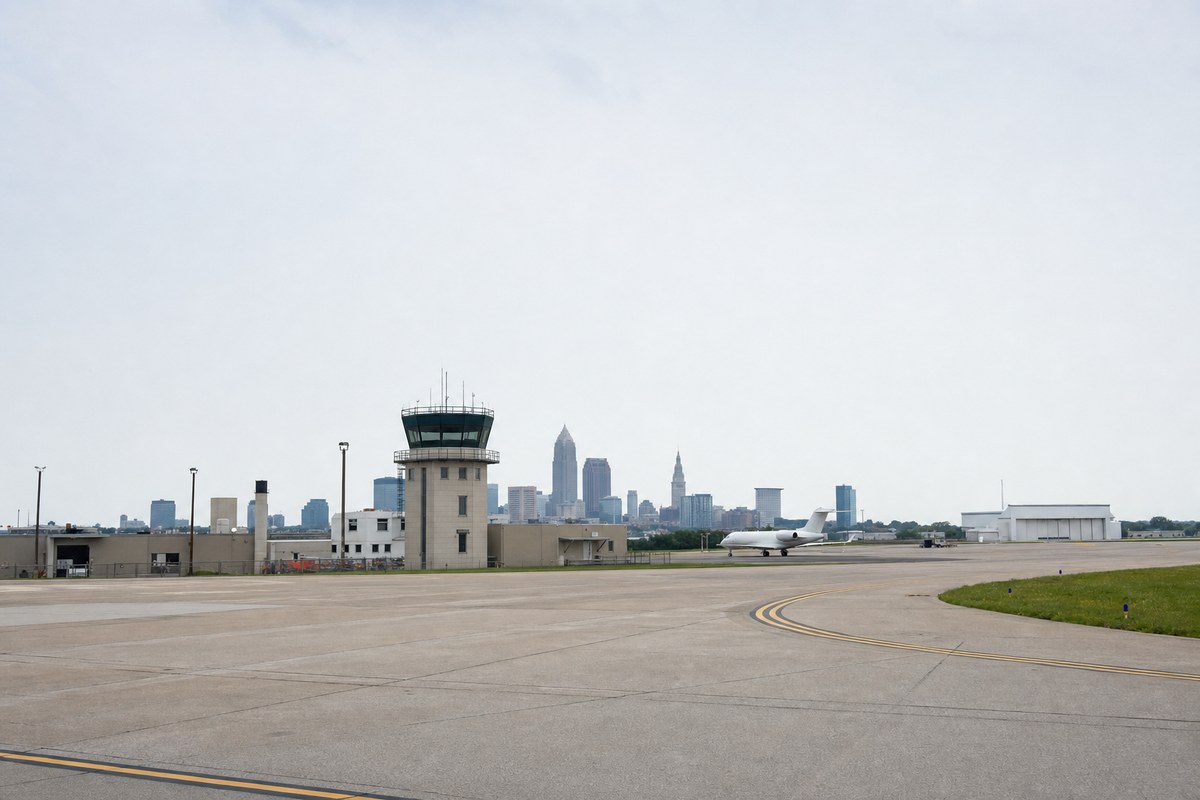
Bibb responded that one senator or one administration does not speak for the city of Cleveland or Northeast Ohio, and said his team and stakeholders remain committed to finding new avenues to repurpose the airport site. He said he hopes a new Congress, taking office in January, could provide a different path forward. The mayor has proposed redeveloping the airport's approximately 450 acres into a golf course, a sports complex for children, and trails, arguing the airport currently causes the city to lose money. Moreno, by contrast, has suggested the city should look at expanding airport operations and attracting new investment.
A records request filed by reporters found that capital projects at Burke Lakefront Airport over the past five years were limited to new vehicles and replacement of a fire alarm system, with no major infrastructure improvements undertaken. Organizers of the Cleveland National Air Show have warned that if Burke closes, the air show as currently known would end. The city recently extended the Air Show's lease for at least one year after months of inaction, sending the extension letter the same day reporters notified City Hall they were preparing a story about the delay.
Industry impact & what to watch
This dispute illustrates a recurring tension in general-aviation airport debates: local governments control the land beneath an airport, but closing it requires navigating a federal regulator whose stated position is to oppose reductions in the national airspace network. A mayor's redevelopment authority stops at the runway fence when the FAA and a state's federal delegation are aligned against the plan, as Moreno's characterization of a unanimous rejection suggests here.
The records showing minimal capital investment over five years — new vehicles and a fire alarm replacement — will likely become a point of contention on both sides: proponents of closure may cite it as evidence the airport has been deprioritized, while defenders could argue underinvestment reflects a choice rather than a necessity. Meanwhile, tenants like the Cleveland National Air Show illustrate how a single lease decision, made under public scrutiny, can carry consequences for events built around the facility's continued operation.
The clearest marker to watch is the composition and posture of the Congress taking office in January, which Bibb has identified as his intended new avenue. Whether federal opposition softens will depend less on city advocacy than on whether elected federal officials revisit the FAA's position.